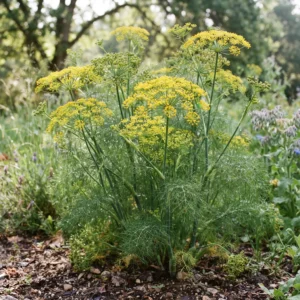

Fennel (Foeniculum vulgare) has a naturally sweet, anise-like aroma and is commonly sold as whole fruit, cut loose tea, powder, or tea bags. Fennel preparations have a long history of use for mild digestive discomfort, including feelings of fullness, bloating and gas, but product form, freshness, and labeling still matter. This guide explains what to compare before buying and connects you with a practical fennel and peppermint tea recipe.
Quick Buyer’s Guide
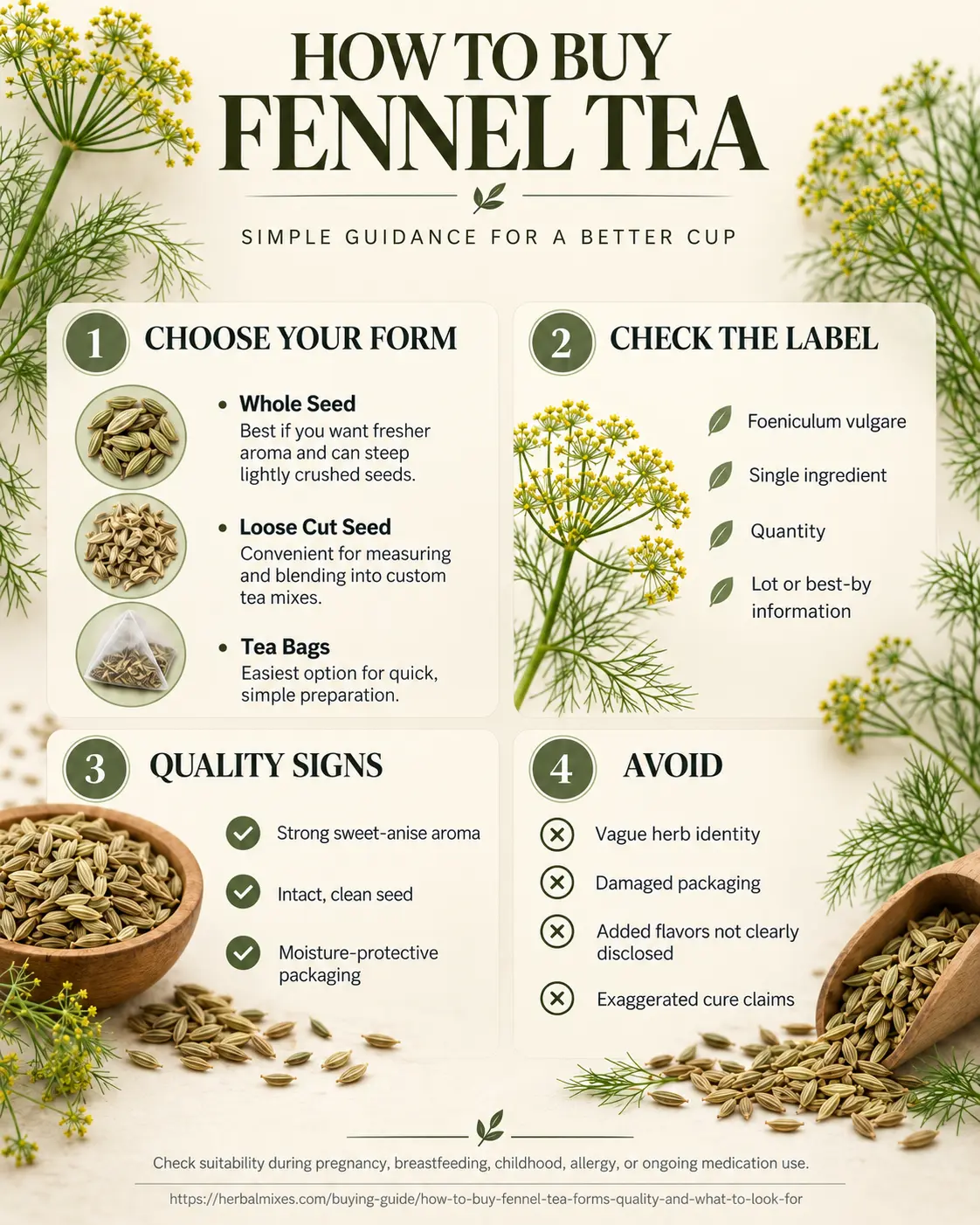
For the most flexible option, choose whole or coarsely cut fennel fruit in a moisture-resistant package. Whole fennel keeps its aroma longer and works well when you want to measure your own tea or combine it with complementary herbs. Tea bags are more convenient and provide consistent portions. Powder is better suited to culinary use or products specifically labeled for powdered preparation; it is not automatically a better tea.
What to Check on the Label
Look for the common name fennel and the botanical name Foeniculum vulgare. A single-ingredient product should list only fennel fruit or fennel seed. If the product is a blend, every ingredient should be clearly identified. The package should also show the net quantity, seller or manufacturer, preparation directions, and a lot, packed-on, or best-by date when available.
Choose the Form That Matches How You Will Use It
- Whole fennel fruit: the most versatile choice for home tea preparation, cooking, and custom herbal blends.
- Cut or lightly crushed fennel: convenient for infusion, but the exposed aromatic material may lose freshness faster after opening.
- Tea bags: convenient and portioned, but check how much fennel is present and whether the bag contains pure fennel or a blend.
- Powder: useful for some culinary preparations, but it can settle in water and produces a different texture from an infusion.
Quality Signs
Good fennel should smell distinctly sweet and aromatic when the package is opened. Whole fruit should look reasonably uniform and free from visible moisture, webbing, insects, or excessive dust. Packaging should close securely and protect the herb from humidity, light, and strong surrounding odors. Organic certification can describe how the crop was produced, but it does not replace correct botanical identity, freshness, or transparent labeling.
What to Avoid
Avoid products that do not clearly identify the herb, have damaged or unsealed packaging, smell flat or musty, or make promises to cure digestive disease. Do not substitute fennel essential oil for fennel tea. Essential oil is far more concentrated and requires different safety considerations.
How Fennel Fits the Digestion Cluster
Fennel is often paired with peppermint and ginger in digestive blends because each herb contributes a different aromatic profile.
See the existing herbal synergy for bloating and gas for the logic behind those combinations.
If you are making loose tea, review the general herbal infusion method and follow the directions supplied with the specific product.
Safety
Fennel can cause allergic reactions, particularly in people sensitive to fennel itself or related pollen and plants. Safety during pregnancy and breastfeeding is not established for medicinal use, and European regulatory guidance limits medicinal self-use because fennel naturally contains estragole. Use in children requires age-appropriate professional guidance. Stop using the product if an allergic reaction occurs. Seek medical advice when digestive symptoms are severe, persistent, worsening, associated with vomiting, blood, fever, unexplained weight loss, or significant pain. This guide is educational and does not replace medical care.
References
European Medicines Agency: European Union herbal monograph on sweet fennel fruit.
European Medicines Agency: Assessment report on bitter and sweet fennel fruit.
Read the HerbalMixes Affiliate Disclosure before using product links.