

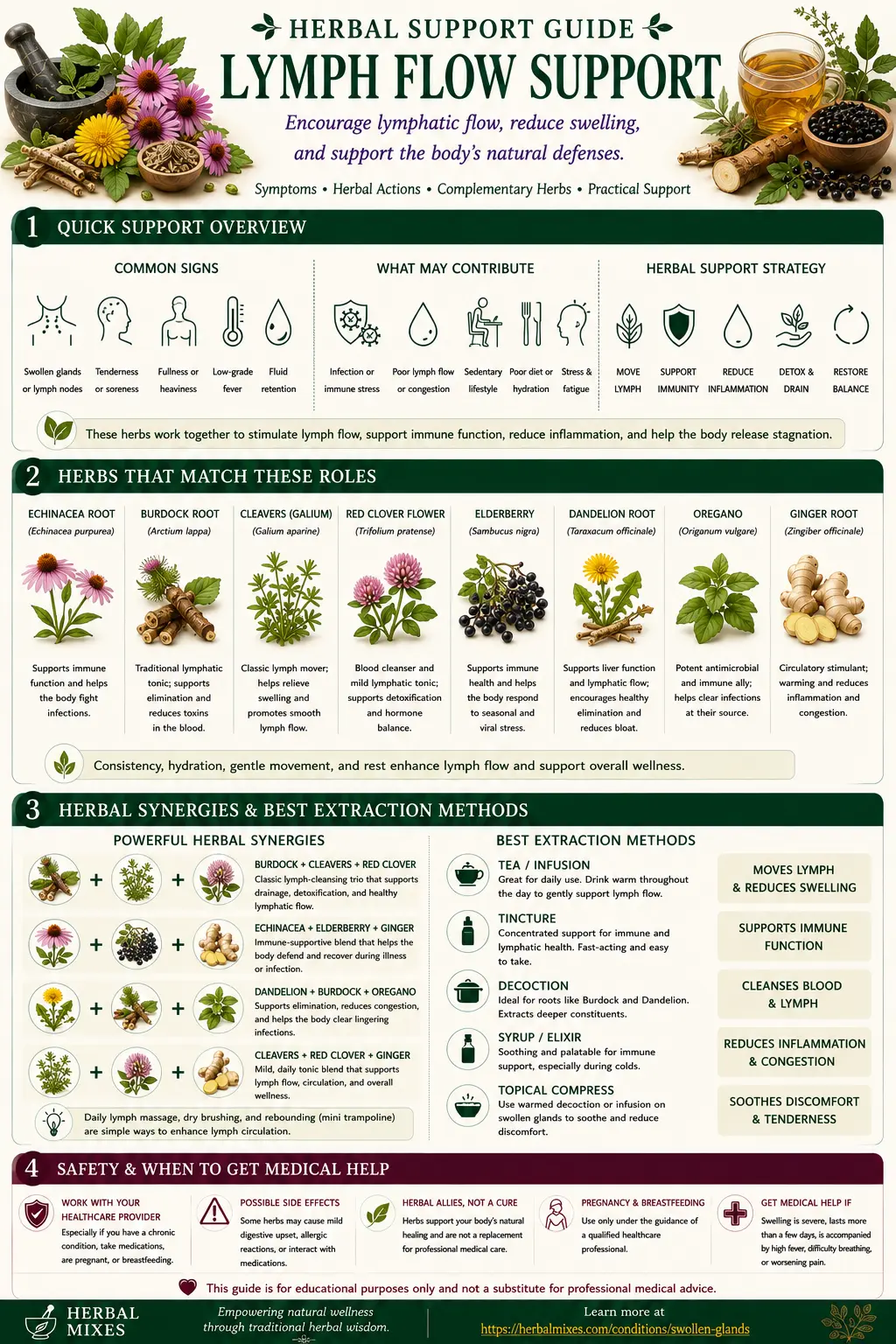
Herbal support for lymphatic health combines stimulating lymphatic herbs to encourage fluid movement, alterative blood purifiers to clear metabolic waste, and gentle diuretics to support fluid balance. The specific choice of herbs depends heavily on whether swollen neck glands, sluggish fluid retention, or whole-body tissue stagnation is the primary focus.
Learn more about these herb:
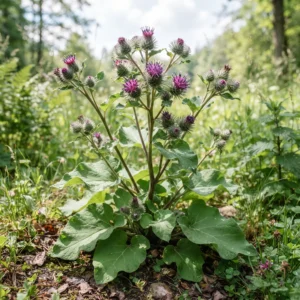
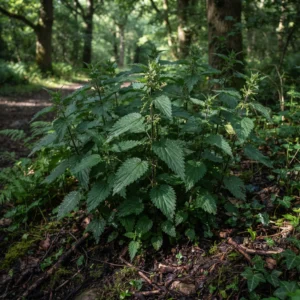
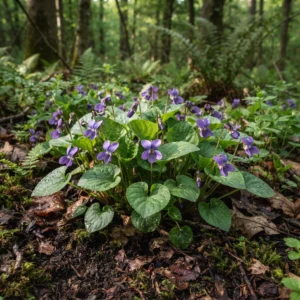
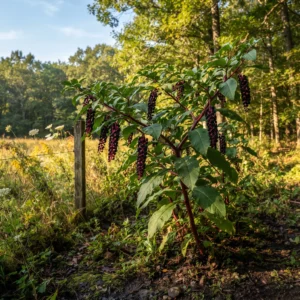
Available Ready-to-Use Products
If you prefer a ready-made option, these commercially available products contain herbs relevant to the approaches discussed above.
Targeted Lymphatic & Glandular Support — Concentrated herbal liquid extract formulated for lymphatic drainage and swollen node support. Wise Woman Herbals — Cleavers Extract — Pure cleavers aerial extract gently supports lymphatic movement, fluid balance, and tissue cleansing.
Comprehensive Lymphatic & Immune Formula — Botanical tincture designed to clear lymphatic congestion and support immune health. Herb Pharm — Lymph System Compound — Combines red root, cleavers, calendula, and poke root to support healthy lymphatic drainage and glandular comfort.
Blood Purifier & Deep Cleansing Tonic — Traditional root extract for metabolic waste clearance and skin health. Gaia Herbs — Burdock Root — Concentrated burdock root supports liver function, blood purification, and deep lymphatic cleansing.
Gentle Fluid & Lymphatic Daily Support — Organic green herbal tea for everyday cleansing and kidney health. Traditional Medicinals — Organic Nettle Leaf — Pure organic nettle leaf acts as a gentle alterative and diuretic to support systemic fluid elimination.
Herbal Synergies & Best Extraction Methods
Cleavers + Calendula + Stinging Nettle
Best for: Mild fluid retention, puffy tissues, and gentle daily lymphatic maintenance during seasonal transitions. Cleavers and nettle encourage smooth fluid drainage through the kidneys, while calendula clears local lymphatic congestion in the neck and throat. Best Preparation: Covered Infusion (Tea) or Fresh Juice. Fresh cleavers juice or long-infused dried herbs capture delicate water-soluble lymphatic alteratives.
Red Root + Calendula + Cleavers
Best for: Swollen, tender neck lymph nodes, chronic upper respiratory stagnation, and sluggish immune drainage. Red root acts as a deep decongestant for upper body lymphatics, supported by the soothing drainage actions of calendula and cleavers. Best Preparation: Tincture (Alcohol-Water Extract). Dense roots like red root require an alcohol-water matrix to efficiently release complex resins and alkaloids.
Burdock Root + Cleavers + Stinging Nettle
Best for: Whole-body lymphatic sluggishness, skin breakouts linked to impaired clearance, and deep metabolic stagnation. Burdock purifies the blood and liver, while cleavers and nettle sweep fluid waste through the lymphatic and urinary elimination pathways. Best Preparation: Decoction + Covered Infusion Blend. Simmering roots (burdock) before pouring over leaves (cleavers, nettle) extracts both mineral tonics and deep alteratives.
Poke Root + Red Root + Calendula
Best for: Stubborn, deep-seated swollen glands, heavy lymphatic congestion, and robust immune cleansing protocols. Poke root delivers powerful stimulant drainage, red root clears deep regional stagnation, and calendula supports overall tissue recovery. Best Preparation: Professional Tincture (Small Doses). Powerful stimulating roots like poke root require careful, professional liquid extract dosing.
Herbal Properties Required
For lymph flow support, the most useful herbal properties are typically lymphatic, alterative, diuretic, anti-inflammatory, and antimicrobial. Lymphatic and alterative herbs help stimulate fluid drainage and systemic detoxification, while mild diuretics support fluid elimination, whereas anti-inflammatory actions reduce swelling and tissue congestion in lymph nodes.





Herbs With These Properties
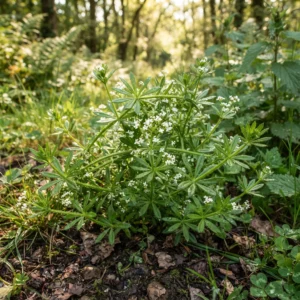
Cleavers (Galium aparine) — Gentle lymphatic drainage + cooling diuretic. A sticky vining green rich in asperuloside; traditionally used to gently stimulate lymphatic flow, clear stagnant fluids, and soothe swollen, tender lymph nodes.
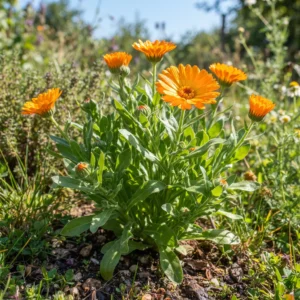
Calendula (Calendula officinalis) — Lymphatic tonic + tissue anti-inflammatory. A bright resinous marigold blossom rich in triterpenoids and saponins; exceptional for supporting lymphatic drainage in the head and neck while reducing localized tissue congestion.
Red Root (Ceanothus americanus) — Deep lymphatic decongestant + spleen tonic. A deep-rooted native shrub rich in alkaloid and tannin constituents; highly effective for clearing heavy lymphatic congestion in the upper body, neck, and spleen.
Poke Root (Phytolacca americana) — Potent lymphatic stimulant + immune alterative. A powerful perennial root containing phytolaccoside; utilized in small, precise doses to break up deep-seated lymphatic stagnation and swollen glands.
Burdock Root (Arctium lappa) — Alterative blood purifier + lymphatic cleansing. A deep taproot rich in inulin and bitter glycosides; traditionally used to support liver clearance, skin clarity, and deep lymphatic detoxification.
Stinging Nettle (Urtica dioica) — Systemic alterative + gentle fluid movement. A nutrient-dense green leaf rich in minerals and flavonoids; helps support kidney elimination, flush metabolic waste, and maintain clear lymphatic channels.
Use With Care
- Exercise extreme caution with potent, heavy lymphatic stimulants like poke root, as high doses can cause severe gastrointestinal irritation, vomiting, or toxicity; it should always be used in micro-doses under professional guidance.
- Ensure adequate daily water intake when utilizing diuretic and alterative herbs (like cleavers and burdock), as proper hydration is essential for flushing metabolic waste through the kidneys.
- Because lymphatic herbs work by mobilizing trapped waste, mild skin breakouts or temporary fatigue can occasionally occur during the initial stages of a deep cleanse.
- Consult a healthcare professional if swollen lymph nodes are hard, fixed, painless, or persist unexplainably for more than 2–3 weeks.
- If you take prescription medication, are pregnant or breastfeeding, or have a medical condition, check with a qualified healthcare professional before using concentrated herbal products.
When to Get Medical Help
Seek medical evaluation if you experience:
- Enlarged lymph nodes that are hard, rubbery, immovable, or painless, which require prompt medical screening.
- Swollen nodes persisting longer than 2 to 4 weeks without an obvious minor infection or cold.
- Lymph nodes larger than 1 inch in diameter or nodes accompanied by unexplained night sweats, persistent fever, and rapid weight loss.
- Signs of a severe localized infection spreading from a swollen node (such as severe pain, redness, or heat). Persistent, severe, unusual, or worsening symptoms should be evaluated by a healthcare professional.
Frequently Asked Questions
How does the lymphatic system benefit from lymphatic herbs?Unlike the cardiovascular system, which has a heart to pump blood, the lymphatic system relies entirely on physical movement, deep breathing, and muscular contraction to circulate fluid. Lymphatic herbs (like cleavers and red root) contain active compounds that help stimulate and thin lymphatic fluid, assisting its return to the bloodstream.
Why are alterative herbs like burdock root often paired with lymphatic herbs?
Alteratives (often called blood purifiers) work by supporting the liver, kidneys, and digestive tract in processing and eliminating metabolic waste. Pairing them with lymphatic herbs ensures that once stagnant cellular waste is mobilized, the body has the clearance capacity to effectively eliminate it.
Can lymphatic massage enhance the effects of lymphatic herbs?
Yes. Gentle physical movement, rebounding, and specialized lymphatic drainage massage mechanically move fluid through the lymph channels. Combining these physical practices with alterative and lymphatic herbs yields significantly faster and more comprehensive relief from tissue stagnation.
Why is poke root used with such caution in herbalism?
Poke root is a very strong, potent biological stimulant. While exceptional at breaking up deep-seated lymphatic congestion when used in tiny drops, taking it in high doses can trigger harsh side effects like nausea and vomiting. It is a classic example of an herb where less is profoundly more.
References
National Center for Complementary and Integrative Health (NCCIH) — Herbs at a Glance: NCCIH Overview PubMed — Phytochemical and Pharmacological Profile of Arctium lappa: PubMed Central Review PubMed — Lymphatic Drainage and Botanical Interventions: PubMed Study American Botanical Council — Cleavers and Red Root Monograph: HerbalGram Reference
Disclaimer
For educational purposes only. This information is not intended to diagnose, treat, cure, or prevent disease. Herbal products may cause side effects or interact with medications. Consult an appropriate healthcare professional if you have a medical condition, take medication, are pregnant or breastfeeding, or have persistent or concerning symptoms.