

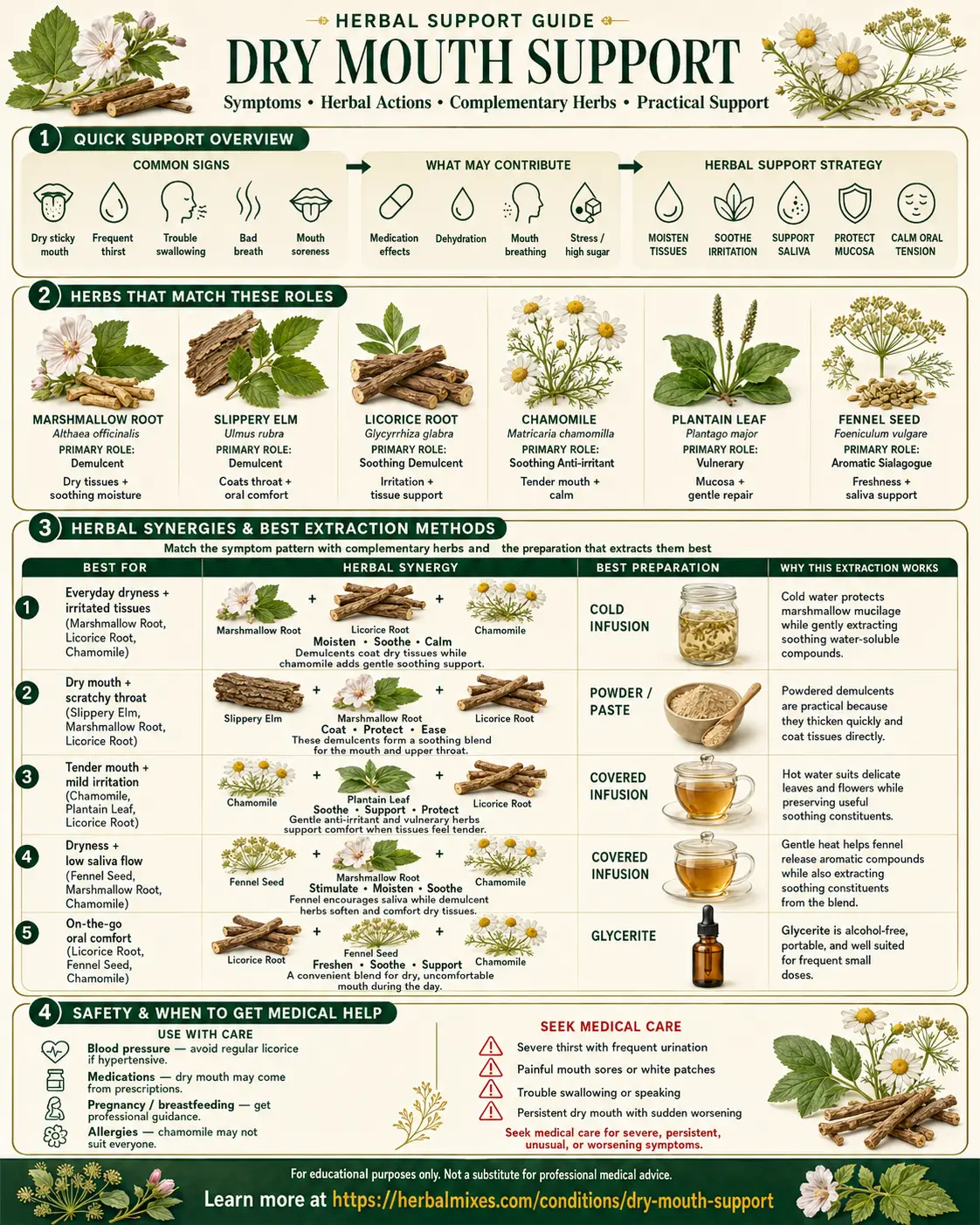
Dry mouth support involves managing inadequate salivary flow, mucosal dryness, and oral discomfort through hydration strategies and botanical interventions. Key contributing factors often include medication side effects, mouth breathing, chronic stress, and systemic dehydration, meaning different underlying triggers require targeted botanical approaches.
Herbal Support Strategy
Herbal support for dry mouth combines mucilage-rich demulcents for lasting moisture protection, mild sialagogues to gently awaken salivary glands, and soothing anti-inflammatory herbs for oral tissue comfort. The specific choice of herbs depends heavily on whether chronic salivary reduction, medication-induced dryness, or throat irritation is the primary focus.
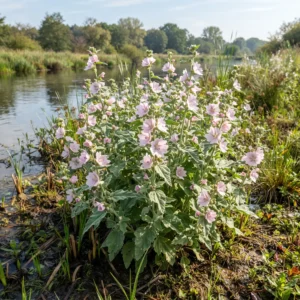
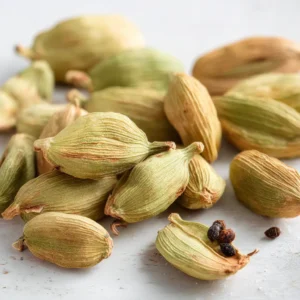
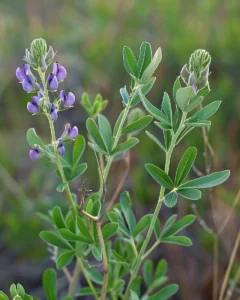
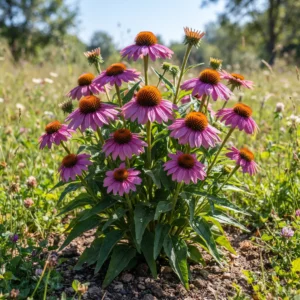

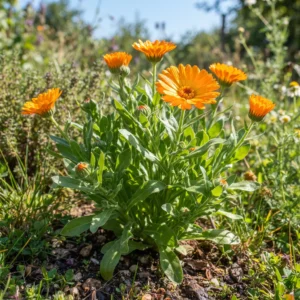
Marshmallow Root (Althaea officinalis) — Mucilage-rich coating + deep mucosal hydration. A sweet mucilaginous root rich in high-molecular-weight polysaccharides; traditionally used to coat and hydrate dry, irritated mucous membranes throughout the mouth and throat.
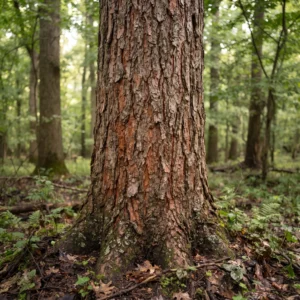
Slippery Elm (Ulmus rubra) — Demulcent protection + tissue soothing. A revered inner bark containing soothing polysaccharides and tannins; creates a protective, lubricating film over dry oral tissues to ease discomfort during swallowing and speaking.
Licorice Root (Glycyrrhiza glabra) — Mucosal demulcent + sweet moisture retention. A sweet soothing root containing glycyrrhizin and flavonoids; helps lock moisture into dry tissues while supporting the health of the oral microbiome.
Echinacea (Echinacea purpurea / angustifolia) — Sialagogue action + immune support. A pungent botanical containing alkylamides; stimulates a tingling sensation on the tongue that naturally prompts reflex salivary gland secretion.
Prickly Ash (Zanthoxylum americanum) — Circulatory stimulant + saliva production. A warming bark rich in alkaloid constituents; acts as a powerful botanical sialagogue to rapidly encourage natural moisture flow in dry mouths.
Calendula (Calendula officinalis) — Vulnerary tissue soothing + anti-inflammatory. A bright resinous blossom rich in triterpenoids; excellent for maintaining the health of sensitive gums and oral tissues prone to dryness-related irritation.
Herbal Synergies & Best Extraction Methods
Marshmallow Root + Slippery Elm + Calendula
Best for: Chronic oral dryness, burning mouth sensations, and persistent throat irritation caused by low saliva production. Marshmallow and slippery elm deliver heavy mucilage to coat dry tissues, while calendula calms sensitive gums. Best Preparation: Cold Infusion (Maceration). Soaking mucilaginous roots and barks in cold water for several hours extracts thick, soothing polysaccharides without drawing out unwanted tannins.
Echinacea + Prickly Ash + Marshmallow Root
Best for: Sudden dry mouth episodes, medication-induced salivary suppression, and sluggish gland response. Echinacea and prickly ash provide an immediate tingling, warming sialagogue action to trigger fresh saliva flow, backed by marshmallow’s lasting moisture. Best Preparation: Tincture or Glycerite. Alcohol or vegetable glycerine extracts efficiently capture active alkylamides and alkaloids for rapid mucosal contact.
Licorice Root + Marshmallow Root + Slippery Elm
Best for: Severe nighttime dryness, waking up with a parched throat, and chronic vocal strain from dryness. A powerhouse demulcent combination that coats and locks moisture onto delicate upper respiratory and oral membranes throughout the night. Best Preparation: Decoction or Strong Cold Infusion. Extracts dense, coating polysaccharides into a rich, soothing liquid suitable for frequent sipping.
Calendula + Marshmallow Root + Prickly Ash
Best for: Dry, sensitive gums, irritation from dental appliances, and general oral tissue fragility. Calendula and marshmallow soothe and protect delicate mouth tissue, while a touch of prickly ash gently stimulates baseline moisture. Best Preparation: Glycerite or Herbal Mouthwash (Infusion). Gentle, alcohol-free preparations are ideal for direct application inside the sensitive oral cavity.
Available Ready-to-Use Products
If you prefer a ready-made option, these commercially available products contain herbs relevant to the approaches discussed above.
Mucosal Hydration & Throat Comfort — Soothing herbal spray designed to coat and lubricate dry oral tissues. Traditional Medicinals — Throat Coat Spray — Combines slippery elm, licorice root, and marshmallow root in a convenient oral spray for instant demulcent moisture.
Botanical Throat & Mouth Lozenges — Demulcent lozenges utilizing classic mucilage-rich herbs for dry mouths. Himalaya — Herbals Botanique Lozenges — Slippery elm and licorice root soothe dry throats and provide sustained oral comfort throughout the day.
Digestive & Mucosal Demulcent Support — Pure mucilaginous powder for internal and oral hydration support. Natures Answer — Marshmallow Root Alcohol-Free Extract — Alcohol-free fluid extract delivers soothing demulcent compounds directly to dry mucous membranes.
Oral Health & Botanical Rinse — Soothing herbal formula for gum and oral tissue maintenance. [Thayers — Slippery Elm Lozenges / or similar oral botanical sprays] No direct single ideal match; individual-herb glycerites or custom demulcent teas offer a closer fit for chronic dry mouth.
Herbal Properties Required
For dry mouth support, the most useful herbal properties are typically demulcent, sialagogue, vulnerary, and anti-inflammatory. Demulcents soothe and coat irritated oral mucous membranes with soothing mucilage, while sialagogues stimulate natural salivary secretions, and vulnerary actions support the repair of sensitive or cracked oral tissue.




Use With Care
- Exercise caution with licorice root if you have high blood pressure, kidney disease, or cardiovascular conditions, as high or prolonged doses can cause sodium retention and potassium depletion (choose deglycyrrhizinated licorice when appropriate).
- Avoid high-dose stimulating sialagogues like prickly ash if you experience acute inflammation, mouth ulcers, or burning mouth syndrome that worsens with spicy or tingling substances.
- Ensure herbal mouth rinses and glycerites used for dry mouth are sugar-free to prevent dental decay, especially when salivary protection is low.
- Consult a healthcare professional if dry mouth persists, as it can be an early indicator of underlying systemic conditions like Sjögren’s syndrome or medication side effects.
- If you take prescription medication, are pregnant or breastfeeding, or have a medical condition, check with a qualified healthcare professional before using concentrated herbal products.
When to Get Medical Help
Seek medical evaluation if you experience:
- Severe, unremitting dry mouth that makes it difficult to swallow, chew, or speak clearly for extended periods.
- Chronic burning sensations, sores, white patches, or recurrent fungal infections (thrush) inside the oral cavity.
- Unexplained swelling of the salivary glands located near the jaw or cheeks.
- Persistent dry eyes accompanying severe dry mouth, which may warrant screening for autoimmune conditions. Persistent, severe, unusual, or worsening symptoms should be evaluated by a healthcare professional.
Frequently Asked Questions
What is the best herb for immediate dry mouth relief?
Prickly ash and echinacea are top choices for stimulating immediate moisture. Their active pungent and tingling compounds trigger a reflex reaction in the salivary glands, quickly encouraging fresh saliva production when the mouth feels parched.
How do demulcent herbs like marshmallow root help dry mouth?
Demulcent herbs are rich in complex plant polysaccharides called mucilage. When these herbs are prepared as a cold infusion or decoction, they form a soothing, gel-like coating over dry, irritated oral tissues, locking in moisture and easing friction during swallowing.
Why is a cold infusion preferred for roots like marshmallow?
Hot water can cause mucilage-rich roots to release excess starches, making the liquid thick and heavy rather than soothing. Soaking marshmallow root in cold water for several hours extracts the pure, slippery polysaccharides cleanly without starches.
Can medications cause chronic dry mouth?
Yes. Hundreds of common pharmaceutical medications—including antihistamines, blood pressure drugs, antidepressants, and diuretics—list xerostomia (dry mouth) as a primary side effect by interfering with autonomic nervous signals that control salivary flow.
References
National Center for Complementary and Integrative Health (NCCIH) — Herbs at a Glance: NCCIH Overview PubMed — Management of Xerostomia and Botanical Interventions: PubMed Central Review PubMed — Evaluation of Mucilaginous Plants in Mucosal Health: PubMed Study American Botanical Council — Marshmallow Root and Demulcent Actions: HerbalGram Reference
Disclaimer
For educational purposes only. This information is not intended to diagnose, treat, cure, or prevent disease. Herbal products may cause side effects or interact with medications. Consult an appropriate healthcare professional if you have a medical condition, take medication, are pregnant or breastfeeding, or have persistent or concerning symptoms.