

Sialagogue
Dealing with dry mouth? Sialagogue herbs gently stimulate saliva production, supporting digestion right from the very first bite.


Sialagogue simply describes an herb that stimulates saliva production, which is actually one of the very first steps of digestion. In herbal medicine, sialagogue refers to a plant’s ability to trigger the salivary glands to produce more saliva, often through taste — a sharp, sour, or pungent flavor that signals the mouth and digestive system that food is on its way. Saliva itself contains digestive enzymes that begin breaking down food right from the first bite, which is why this small, early step matters more than it might seem.
In the body, sialagogue herbs primarily engage the digestive system, and the mechanism starts right in the mouth. When taste receptors detect a strong sour, pungent, or bitter flavor, they send a signal that triggers the salivary glands to increase production, preparing the mouth and the rest of the digestive tract for the meal ahead. This overlaps somewhat with how bitter herbs work, since both rely on taste to kick off a digestive response, though sialagogue specifically focuses on that first, saliva-producing step. It’s the tiny plant chemistry doing all the heavy lifting, right from the very first taste.
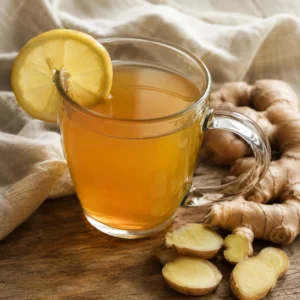
People typically reach for sialagogue herbs when dealing with a dry mouth that makes eating or speaking uncomfortable, wanting to support digestion right from the start of a meal, or simply enjoying tangy or pungent herbs and foods as part of an appetite-stimulating routine before eating. These are common, everyday moments rather than anything tied to a specific diagnosed condition.
One honest safety note: while most sialagogue herbs are gentle, some can be quite strong-tasting or pungent, so it’s smart to start with a small amount, and if dry mouth is persistent or severe, it’s worth checking with a healthcare provider, since it can sometimes point to an underlying cause, like a medication side effect, worth understanding.
Suggested herbs: Ginger, Echinacea, Prickly Ash, Pilocarpus (Jaborandi), Sour candies or lemon (culinary reference), Cayenne, Horseradish, Black Pepper
Herbs With This Effect
Explore herbs commonly valued for this property.
Featured Recipes
Recipes that put this property to use.
Available Herbal Products
Explore and shop ready-made products offering this benefit.
Explore herbs commonly valued for their gentle sialagogue support.
References
- NIH National Center for Complementary and Integrative Health
- Mount Sinai Health Library — Herbal Medicine
- Cleveland Clinic
- Mayo Clinic
Frequently Asked Questions
Q: Can sialagogue herbs help with dry mouth?
A: Many people find that tangy or pungent sialagogue herbs, like ginger or lemon, help stimulate saliva production for occasional dry mouth, though persistent dry mouth is worth mentioning to a healthcare provider.
Q: Why does sour or spicy food make my mouth water?
A: That's the sialagogue effect at work — strong sour, pungent, or bitter flavors trigger taste receptors that signal your salivary glands to produce more saliva, preparing your mouth for digestion.
Q: What's the difference between sialagogue and bitter herbs?
A: Both use taste to trigger a digestive response, but sialagogue specifically focuses on saliva production in the mouth, while bitter herbs trigger a broader cascade of digestive secretions further down the digestive tract.
Q: Can certain medications cause dry mouth that sialagogue herbs might help with?
A: Yes, many medications list dry mouth as a side effect, and while sialagogue herbs may offer some support, it's worth discussing persistent dry mouth with your doctor or pharmacist.
This information is for educational purposes only and is not intended as medical advice. Consult a qualified healthcare professional before using any herb, especially if pregnant, breastfeeding, taking medications, or managing a health condition.