

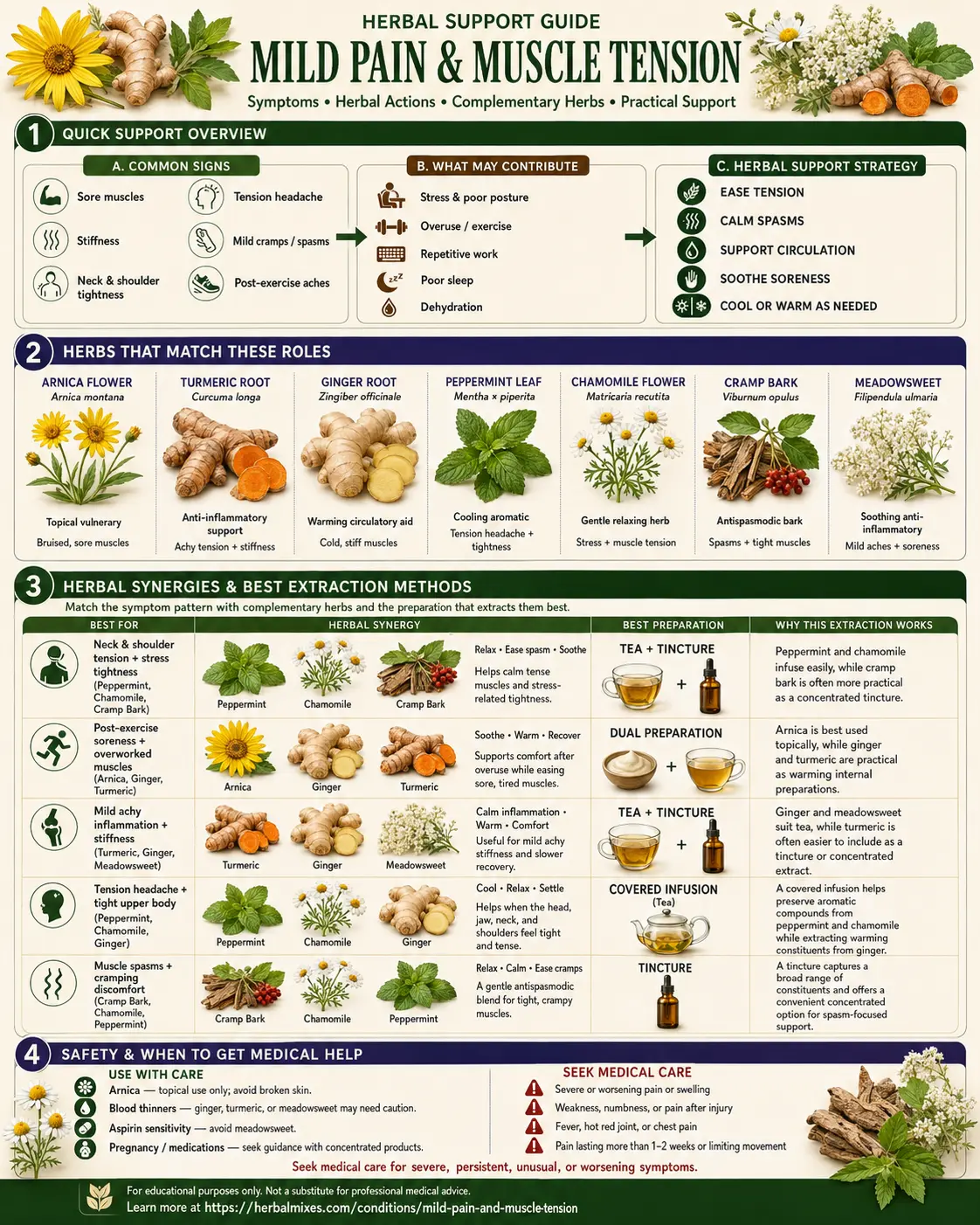
A practical approach separates localized muscle soreness from broader inflammatory or tension patterns. Arnica is mainly suited to topical use after bumps or overuse, peppermint provides cooling localized comfort, ginger and cayenne emphasize warmth and circulation, turmeric fits longer-term inflammatory support, while willow bark, meadowsweet, and lavender may complement achy or tension-related patterns.
Learn more about these herb:

Available Ready-to-Use Products
If you prefer a ready-made option, these commercially available products contain herbs relevant to the approaches discussed above.
Localized soreness + massage — A simple topical arnica preparation for overworked or tender muscles. Herb Pharm — Arnica Oil — Uses certified organic Arnica montana flowers infused into olive oil and is intended specifically for external application. (Herb Pharm)
Localized stiffness + bruised feeling — A cooling gel-format option for minor soreness. Boiron — Arnicare Gel — A homeopathic arnica gel marketed for muscle pain, stiffness, bruising, and swelling from injury; its claims are based on traditional homeopathic practice rather than accepted medical evidence. (Boiron USA |)
Warming muscle tension — Useful when stiff, tight muscles respond well to warmth and massage. Badger — Sore Muscle Rub — Contains cayenne, ginger, and cardamom in a warming topical balm designed for tired or stiff muscles. (Badger)
Everyday inflammatory + joint support — Better suited to broader wear-and-tear discomfort than immediate localized tension. Gaia Herbs — Turmeric Supreme® Joint Health — Combines turmeric with boswellia, ginger, devil’s claw, quercetin, cucumber extract, and black pepper. (Gaia Herbs)
Focused turmeric support — A simpler internal option when turmeric is the main herb desired. Gaia Herbs — Turmeric Supreme® Extra Strength — Provides three turmeric extracts with black pepper extract to enhance curcuminoid absorption. (Gaia Herbs)
Herbal Synergies & Best Extraction Methods
Arnica + Peppermint
Best for: Localized soreness, stiff muscles, bumps, and overworked areas after exercise or physical activity.
Arnica provides traditional topical support for sore tissue, while peppermint adds cooling sensory relief and makes the combination especially practical for massage.
Best Preparation: Oil Infusion or Topical Gel. Arnica is most appropriate externally, while peppermint can be incorporated at a properly diluted concentration.
Ginger + Cayenne + Peppermint
Best for: Tight, stiff muscles that respond well to warming massage and alternating warming-cooling sensations.
Ginger and cayenne emphasize warmth and circulation, while peppermint provides contrasting cooling comfort.
Best Preparation: Oil Infusion or Balm. A topical oil or balm allows localized application and is more appropriate than oral use for this pattern.
Turmeric + Ginger
Best for: Mild post-exercise soreness, everyday wear and tear, and broader inflammatory discomfort.
Turmeric emphasizes inflammatory-response support, while ginger adds complementary warming and digestive activity.
Best Preparation: Standardized Extract. Concentrated turmeric products are generally more practical than tea when curcuminoids are the primary target; ginger can be included in the same formulation.
Willow Bark + Meadowsweet + Ginger
Best for: Generalized mild aching, stiffness, or musculoskeletal discomfort where a warming internal preparation is preferred.
Willow and meadowsweet provide overlapping traditional salicylate-related actions, while ginger adds warmth and circulation.
Best Preparation: Tea + Tincture. Willow bark benefits from longer extraction, while a tincture can provide a more concentrated and convenient preparation.
Lavender + Peppermint + Arnica
Best for: Muscle tension after stress, desk work, travel, or prolonged static posture.
Arnica focuses on localized soreness, peppermint provides cooling comfort, and lavender adds a relaxing aromatic component.
Best Preparation: Topical Massage Oil. This combination is best used externally and properly diluted rather than taken internally.
Herbal Properties Required
For mild pain and muscle tension, useful herbal properties may include anti-inflammatory, analgesic, antispasmodic, circulatory, warming, and topical vulnerary actions. Anti-inflammatory herbs are better suited to soreness and overuse, antispasmodic herbs fit tight or cramping muscles, warming circulatory herbs may help stiff areas feel more comfortable, while topical preparations provide localized support without requiring systemic use.





Herbs With These Properties
Arnica (Arnica montana) — Localized soreness + bruised feeling. Arnica is primarily used topically for minor muscle soreness, stiffness, and bruised or overworked areas. It should not be swallowed as an herbal preparation and should generally be kept off broken skin.
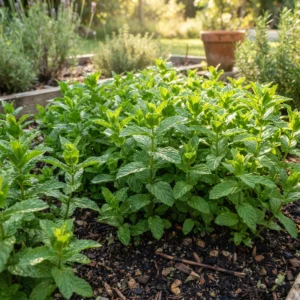
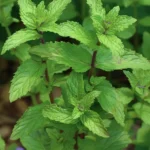 Peppermint (Mentha × piperita) — Cooling + localized tension. Menthol creates a cooling sensation that can make tight or sore areas feel temporarily more comfortable. Peppermint is especially useful in diluted topical oils, balms, or massage preparations.
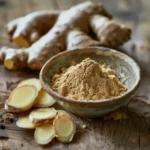
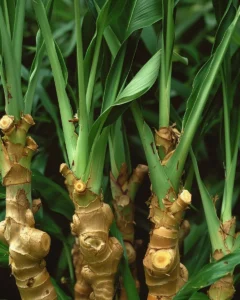
Ginger (Zingiber officinale) — Warming + stiffness. Ginger’s pungent constituents provide warming, circulatory support and make it a useful choice when muscles feel stiff or cold rather than hot and inflamed.
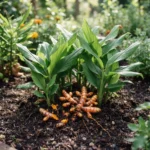
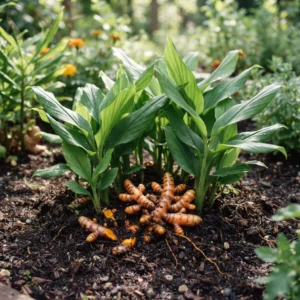
Turmeric (Curcuma longa) — Inflammatory discomfort + recovery. Turmeric provides curcuminoids and is commonly used for musculoskeletal support. Research on osteoarthritis and exercise-related soreness is promising, but NCCIH notes that evidence is not yet strong enough for definitive conclusions. (NCCIH)
 Willow Bark (Salix alba and related species) — Aching + inflammatory discomfort. Willow bark contains salicin-related compounds and has traditionally been used for musculoskeletal discomfort. Evidence suggests possible benefit for some chronic low-back and osteoarthritis pain, though research remains limited. (NCCIH)
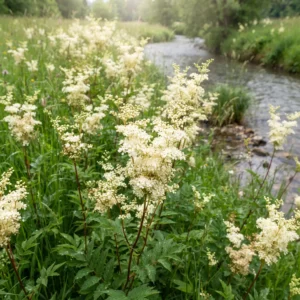
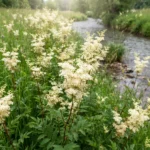 Meadowsweet (Filipendula ulmaria) — Mild aching + salicylate-style support. Meadowsweet contains salicylate-related constituents and tannins and is traditionally used for mild musculoskeletal discomfort. It is usually better suited to internal preparations than topical use.
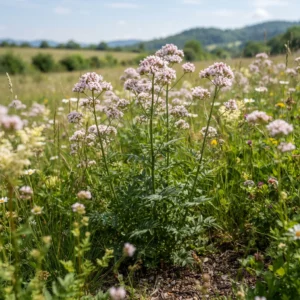
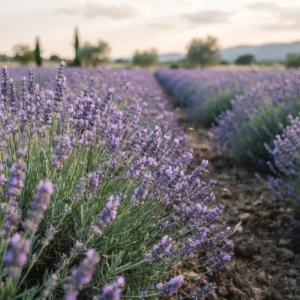
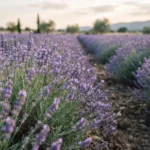 Lavender (Lavandula angustifolia) — Stress-related muscle tension + relaxation. Lavender does not function as a strong analgesic herb, but its calming aromatic qualities can complement massage or evening routines when muscular tightness is associated with stress.
Use With Care
- Arnica is for external use only in ordinary herbal preparations. Do not apply it to broken, abraded, or severely irritated skin. (Herb Pharm)
- Willow bark and meadowsweet contain salicylate-related compounds and deserve caution in people with aspirin allergy, bleeding disorders, anticoagulant use, stomach ulcers, or before surgery.
- Turmeric supplements may cause digestive upset, and highly bioavailable curcumin products have been associated with rare liver injury. Stop use and seek care for jaundice, dark urine, persistent nausea, or unusual fatigue. (NCCIH)
- Peppermint, cayenne, and essential oils can irritate skin. Avoid eyes and mucous membranes and patch-test concentrated topical preparations.
- Warming topical herbs should not be combined with heating pads or applied immediately before very hot bathing because excessive heat can increase irritation.
If you take prescription medication, are pregnant or breastfeeding, or have a medical condition, check with a qualified healthcare professional before using concentrated herbal products.
When to Get Medical Help
Seek medical evaluation if you experience:
- Severe pain or inability to use or bear weight on the affected area.
- Significant swelling, deformity, weakness, numbness, or loss of movement.
- Pain after a major fall, collision, or other significant injury.
- Muscle pain accompanied by fever, redness, warmth, or rapidly increasing swelling.
- Persistent pain that repeatedly returns, lasts more than a few weeks, or progressively worsens.
Sudden muscle pain with chest pain, shortness of breath, profound weakness, dark urine, or neurologic symptoms requires prompt medical attention.
Persistent, severe, unusual, or worsening symptoms should be evaluated by a healthcare professional.
Frequently Asked Questions
What is the best herb for sore muscles after exercise?
For localized soreness, topical arnica is one of the most practical herbal choices. If the soreness is more generalized or related to repeated physical activity, turmeric and ginger may provide broader support, although evidence for turmeric remains promising rather than definitive. (NCCIH)
What is the best combination for tight muscles?
For muscles that feel tight and stiff rather than acutely injured, ginger + cayenne + peppermint can make a useful warming-cooling topical combination. Gentle massage, stretching, movement, and adequate hydration may be just as important as the herbs.
Is heat or cooling better for muscle tension?
Cooling preparations such as peppermint often feel better after recent overuse or when an area feels hot. Warming herbs such as ginger and cayenne may be more comfortable for chronic stiffness or muscles that feel tight and cold. Avoid strong heat on a fresh injury with significant swelling.
Can I take willow bark instead of aspirin or ibuprofen?
No. Willow bark should not be considered a direct substitute for aspirin or NSAIDs. Its salicylate content varies between products, and it carries some similar cautions involving bleeding, stomach irritation, allergy, and medication interactions.
Is turmeric useful for muscle pain?
Turmeric has some encouraging research for osteoarthritis and exercise-related muscle soreness, but NCCIH considers the overall evidence insufficient for firm conclusions. Product formulation also matters because curcumin absorption varies substantially. (NCCIH)
References
National Center for Complementary and Integrative Health — Turmeric: Usefulness and Safety
Read the NCCIH turmeric overview (NCCIH)
National Center for Complementary and Integrative Health — Nutritional Approaches for Musculoskeletal Pain and Inflammation
Read the NCCIH evidence summary (NCCIH)
National Center for Complementary and Integrative Health — What You Need to Know About Nutritional Approaches for Musculoskeletal Inflammation
Read the NCCIH guidance (NCCIH)
Yu et al. — Effectiveness of Boswellia and Boswellia Extract for Osteoarthritis: Systematic Review and Meta-analysis
View the PubMed record (PubMed)
Dubey et al. — Standardized Boswellia serrata Extract in Osteoarthritis: Systematic Review and Meta-analysis
View the PubMed record (PubMed)
Disclaimer
For educational purposes only. This information is not intended to diagnose, treat, cure, or prevent disease. Herbal products may cause side effects or interact with medications. Consult an appropriate healthcare professional if you have a medical condition, take medication, are pregnant or breastfeeding, or have persistent or concerning symptoms.