
Chronic stress is what happens when your body’s “danger alarm” gets stuck in the on position, long after the actual danger has passed. You know the feeling: it’s 11pm, nothing is technically wrong, and yet your jaw is clenched, your inbox is replaying in your head, and sleep feels like a rumor. That’s not a personality flaw — that’s a nervous system asking for help.
Herbs That Can Help
Herbs have been used for centuries to help the body recover its sense of calm, resilience, and balance during periods of prolonged pressure. Many work by gently supporting the nervous system, helping regulate cortisol, or simply giving your mind a moment to exhale. They’re not a cure-all, but they can be a warm, supportive companion while you address the deeper causes of stress.
- Ashwagandha — A cornerstone of Ayurvedic medicine, this adaptogenic root is traditionally used to help the body adapt to stress and support healthy cortisol levels over time.
- Holy Basil (Tulsi) — Revered in India as “the incomparable one,” tulsi is traditionally taken to ease mental fatigue and promote a steady, grounded mood.
- Lemon Balm — A gentle member of the mint family, long used to calm a racing mind and soothe occasional nervous tension.
- Chamomile — A classic bedtime herb, traditionally brewed to relax the body, quiet digestive upset linked to stress, and ease the mind into rest.
- Rhodiola — An adaptogenic root from cold climates, traditionally used to combat mental and physical fatigue brought on by prolonged stress.
- Passionflower — Historically used to quiet an overactive mind, particularly when stress shows up as racing thoughts or restlessness at night.
- Lavender — Beloved for its aroma and traditional use in calming the nervous system, easing tension, and supporting restful sleep.
- Skullcap — A traditional nervine herb used to relax a tense body and support recovery after mentally exhausting days.
- Reishi Mushroom — Known in Traditional Chinese Medicine as the “mushroom of immortality,” reishi is traditionally used to build resilience and support calm, steady energy.
- Milky Oat Tops (Avena sativa) — A nourishing nervine traditionally used to restore a frayed, depleted nervous system over time.
Most Popular Recipe
Calm Evening Tulsi-Lemon Balm Tea
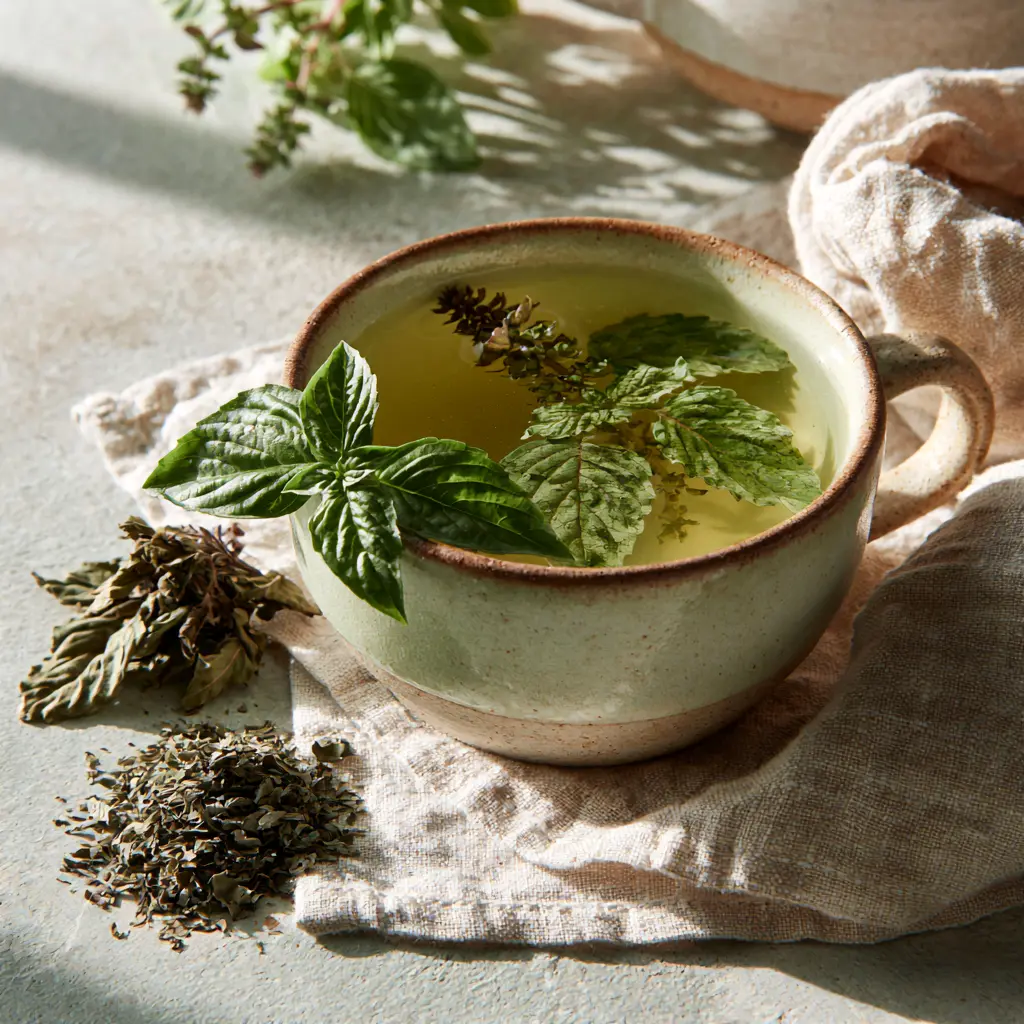
Herbs used: Holy Basil (Tulsi) and Lemon Balm
- Add 1 teaspoon each of dried tulsi and lemon balm to a tea infuser or mug.
- Pour 8oz of just-boiled water over the herbs and steep, covered, for 8–10 minutes.
- Strain, add honey if desired, and sip slowly while you wind down — this is a gentle, beginner-friendly way to start noticing how herbs can support your stress response.
Explore Other Recipes
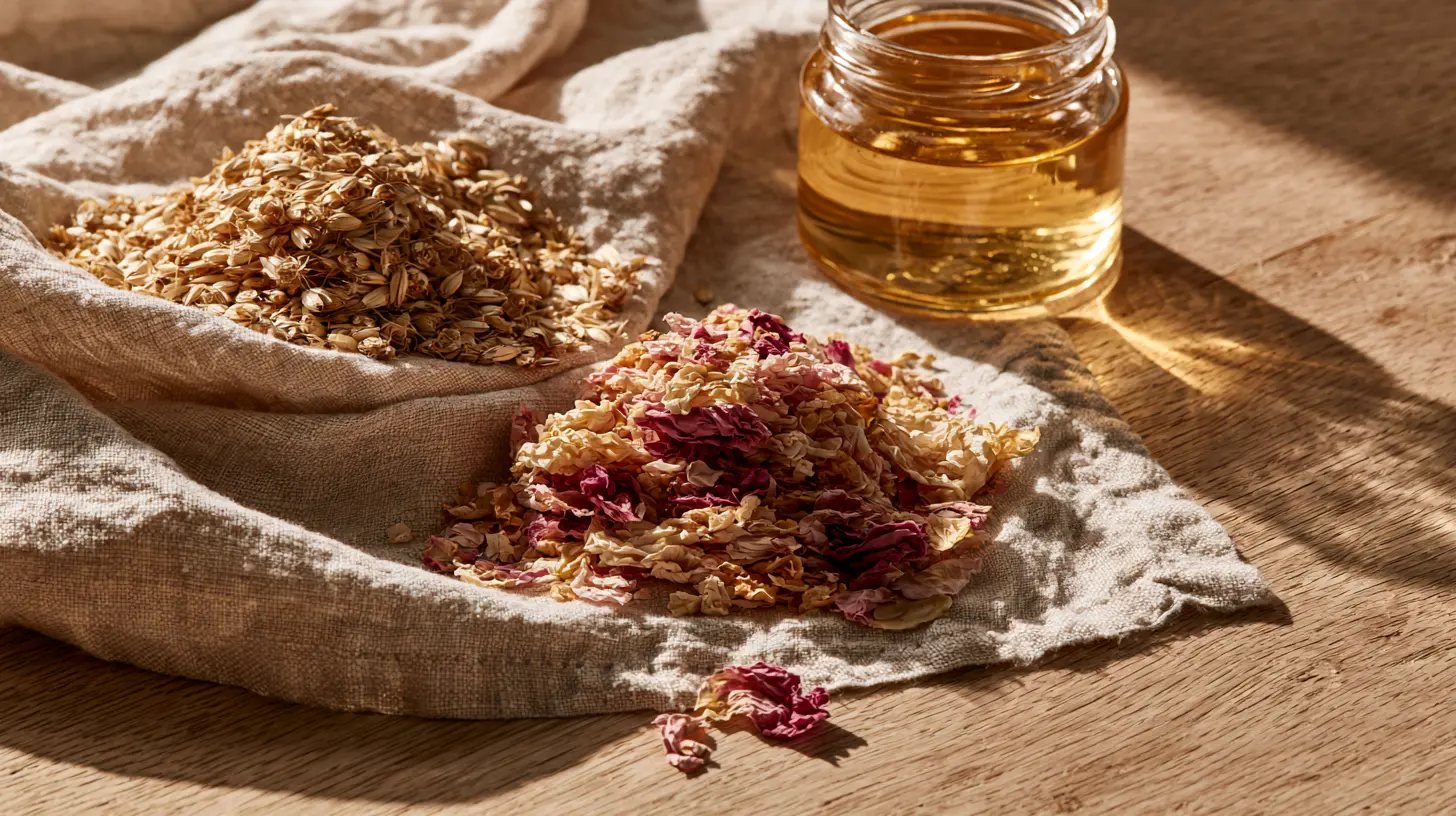

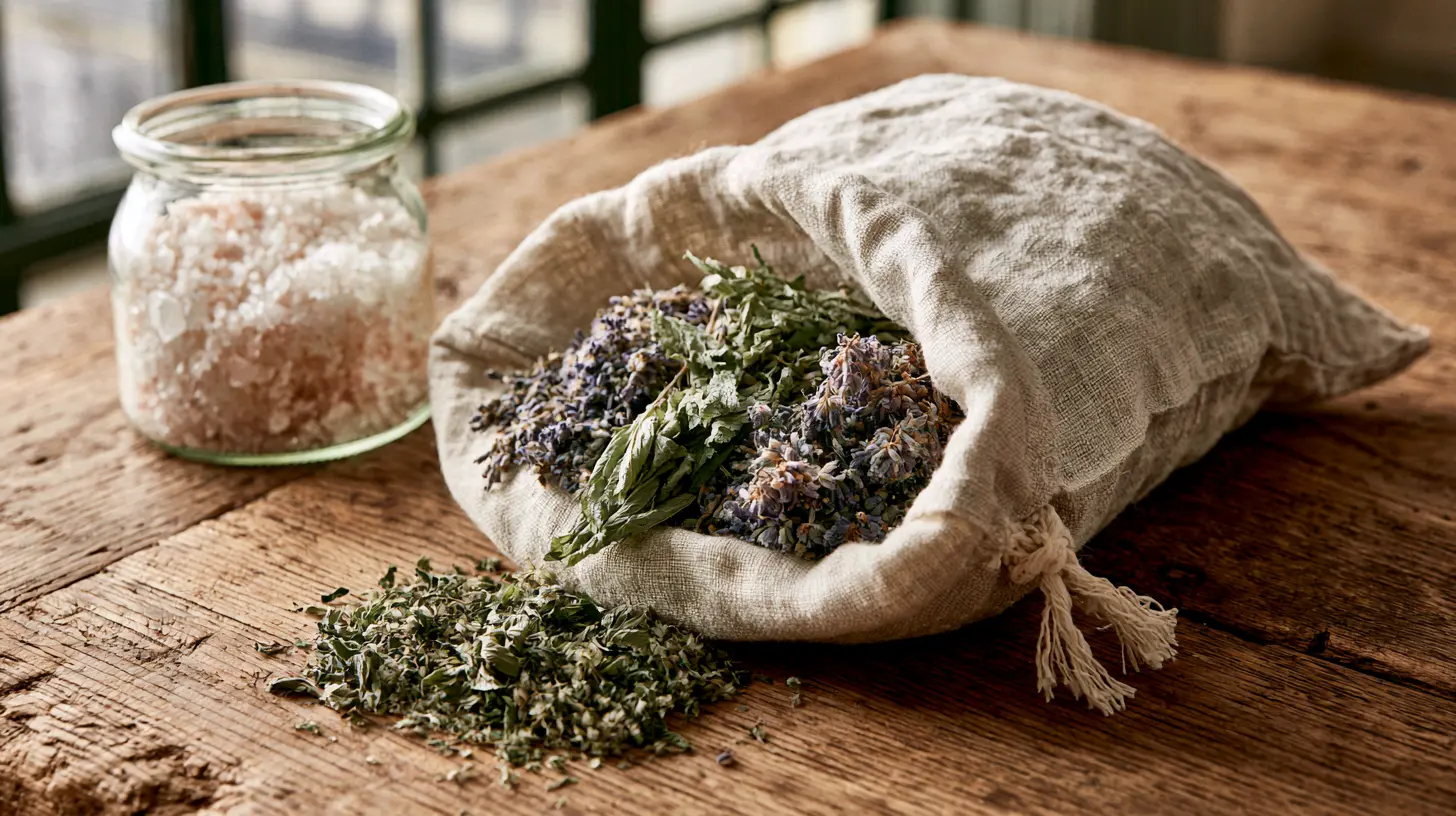
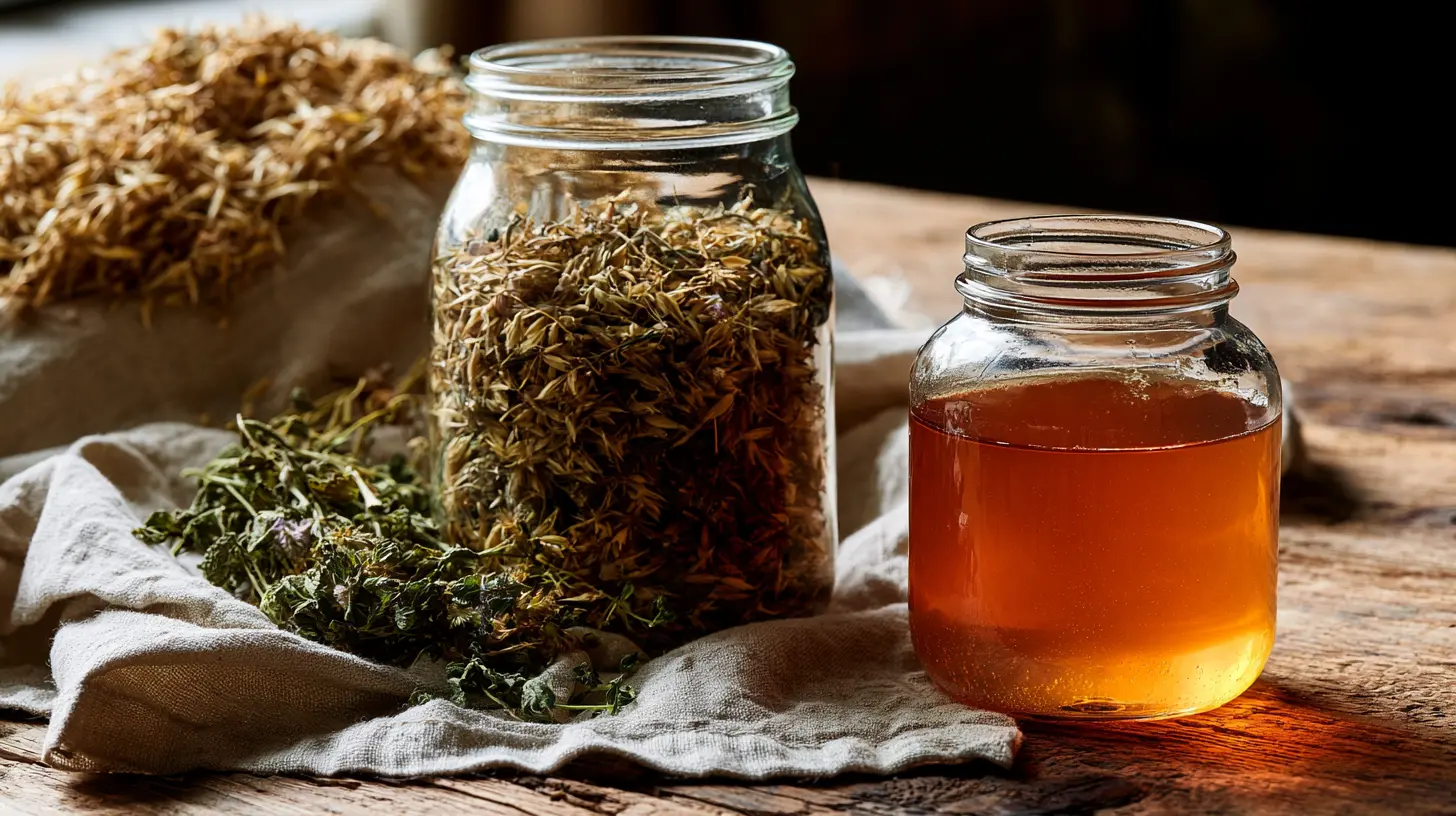
Herbal Products with Chronic Stress Herbs
If brewing your own tea isn’t your thing, these herbs are widely available in other convenient formats: calming loose-leaf or bagged teas, standardized tinctures and liquid extracts for quick dosing, capsules for an on-the-go option, and magnesium-herb bath soaks for a relaxing evening ritual. [Product Link]
Comparison of Herbs
| Herb | Best For | How to Use |
|---|---|---|
| Ashwagandha | Long-term stress resilience & cortisol support | Capsule or powder in warm milk/smoothie, daily |
| Holy Basil (Tulsi) | Mental fatigue & steady mood | Tea, 2–3 cups daily |
| Lemon Balm | Racing thoughts, nervous tension | Tea or tincture, as needed |
| Chamomile | Bedtime relaxation & stress-related digestive upset | Tea, 30–60 min before bed |
| Rhodiola | Fatigue from prolonged stress | Capsule or tincture, morning dosing |
| Passionflower | Restlessness, overactive mind at night | Tea or tincture before bed |
| Lavender | Aromatic calming, tension relief | Tea, tincture, or bath soak |
| Skullcap | Physical tension after exhausting days | Tincture or tea, evening |
| Reishi Mushroom | Building long-term resilience | Powder, capsule, or decoction |
| Milky Oat Tops | Nervous system depletion/burnout | Tincture or infusion, daily over weeks |
Learn More About Chronic Stress
What Chronic Stress Is
Chronic stress is a prolonged activation of the body’s stress response — unlike acute stress (a short burst tied to a single event), chronic stress lingers for weeks, months, or longer, often without an obvious single trigger. It’s distinct from an anxiety disorder in that it’s typically driven by ongoing external pressures (work, caregiving, finances) rather than a diagnosable mental health condition, though the two can overlap and reinforce each other.
How It Shows Up
- Physical: muscle tension, headaches, fatigue, sleep disruption, digestive changes, frequent colds
- Mental: racing thoughts, difficulty concentrating, irritability, feeling “on edge”
- Behavioral: procrastination, withdrawing from others, changes in appetite, reaching for caffeine or alcohol to cope
Why It Happens
When your brain perceives ongoing threat — even a psychological one like a demanding job — it keeps the hypothalamic-pituitary-adrenal (HPA) axis activated, releasing cortisol and adrenaline on repeat. Over time, this steady drip of stress hormones can affect sleep, digestion (via the gut-brain axis), mood regulation, and immune function, leaving the body in a near-constant state of low-grade alert.
Types of Stress, Explained — Plus Herbal Support for Each
Q&A
Q: How long does it take to feel a difference from stress-supporting herbs? A: Nervine herbs like chamomile or lemon balm may offer gentle relaxation within an hour, while adaptogens like ashwagandha or rhodiola often take 2–4 weeks of consistent use to show noticeable effects.
Q: Can I combine multiple herbs, like ashwagandha and lemon balm? A: Many people combine a calming nervine with an adaptogen, but it’s best to introduce one new herb at a time so you can track how your body responds.
Q: Are these herbs safe during pregnancy? A: Several herbs on this list, including ashwagandha and passionflower, aren’t recommended during pregnancy — always check with your healthcare provider first.
Q: Can herbs replace therapy or medication for stress? A: No. Herbs can be a supportive addition to a broader stress-management approach, but they aren’t a substitute for professional mental health care when it’s needed.
Q: What time of day should I take adaptogens like ashwagandha or rhodiola? A: Ashwagandha is often taken in the evening for relaxation, while rhodiola is typically taken in the morning since it can be mildly energizing.
Q: Will these herbs interact with my medications? A: Some can, especially sedatives, thyroid medication, and blood pressure medication — always check with a pharmacist or doctor before starting.
References
- National Center for Complementary and Integrative Health – Herbs at a Glance
- American Botanical Council
- University of Michigan Health – Adaptogens
- American Herbalists Guild
- Mount Sinai – Ashwagandha Overview
- PubMed – National Library of Medicine
Safety Tips
- Introduce one herb at a time to monitor your body’s response.
- Check for interactions if you take prescription medications, especially sedatives, thyroid, or blood pressure drugs.
- Avoid certain herbs (like ashwagandha) during pregnancy or breastfeeding unless cleared by a provider.
- Choose reputable, third-party-tested brands to ensure purity and accurate dosing.
- Consult a healthcare provider if stress is severely impacting daily functioning, sleep, or mental health.
Disclaimer
This article is for educational purposes only and is not intended as medical advice. Always consult a qualified healthcare provider before starting any new herbal regimen, especially if you are pregnant, nursing, managing a health condition, or taking medication.