
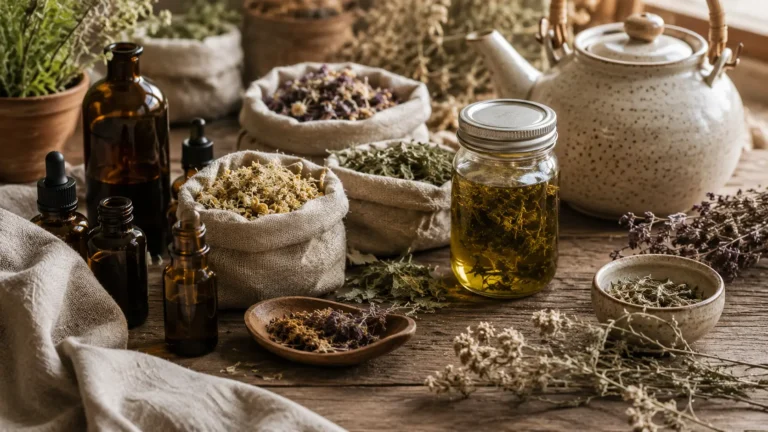
Extraction Methods
Herbal Extraction Methods Explained: Which One Pulls Out What Not all herbal preparations are created equal — even when they start with the exact same plant. A tea and a tincture made from the same root can taste different, work…
Herbal Extraction Methods Explained: Which One Pulls Out What Not all herbal preparations are created equal — even when they start with the exact same plant. A tea and a tincture made from the same root can taste different, work…
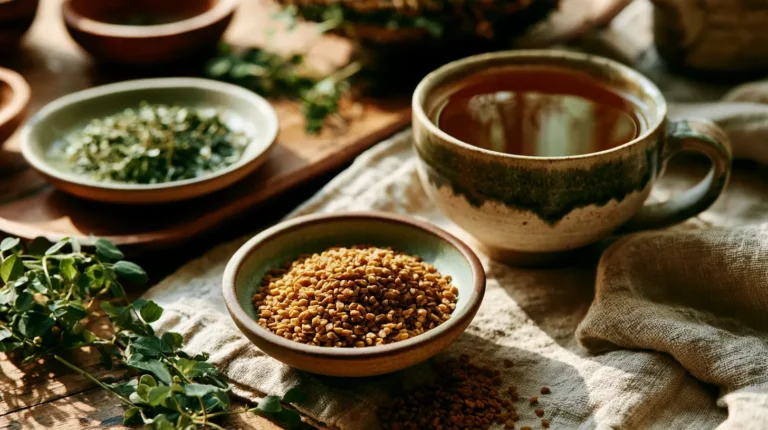
Traditionally, fenugreek seed has been used to support digestion, appetite, lactation, metabolic wellness, and everyday nourishment. It is a food herb with a long history, but it is also strong enough that concentrated supplements deserve real caution. Fenugreek may smell…
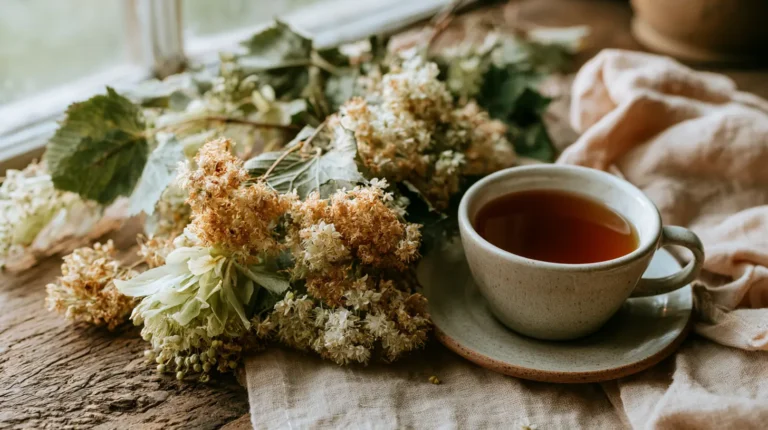
Linden is the fragrant flower and bract of the linden tree, also called lime flower in European herbal traditions. Despite the name, it has nothing to do with citrus lime, so no tiny green fruit is hiding in this tea.…
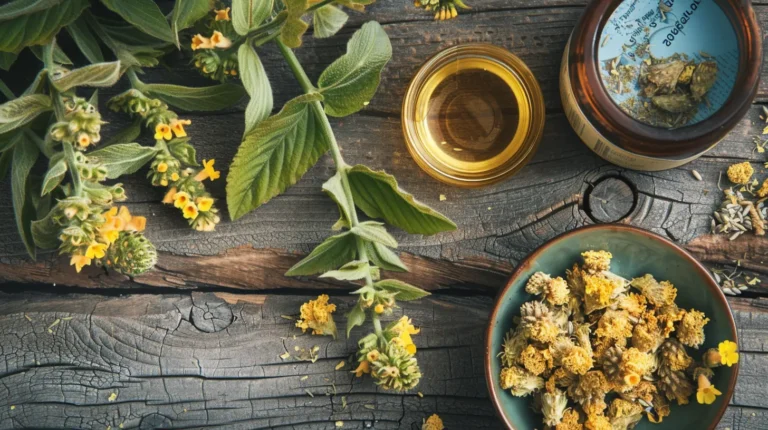
Mullein is a tall biennial plant with large, soft, fuzzy leaves and bright yellow flowers. Herbalists have long used the leaf and flower, especially in teas, syrups, oils, and soothing respiratory blends. Mullein (Verbascum thapsus) Traditional Uses of Mullein Respiratory…
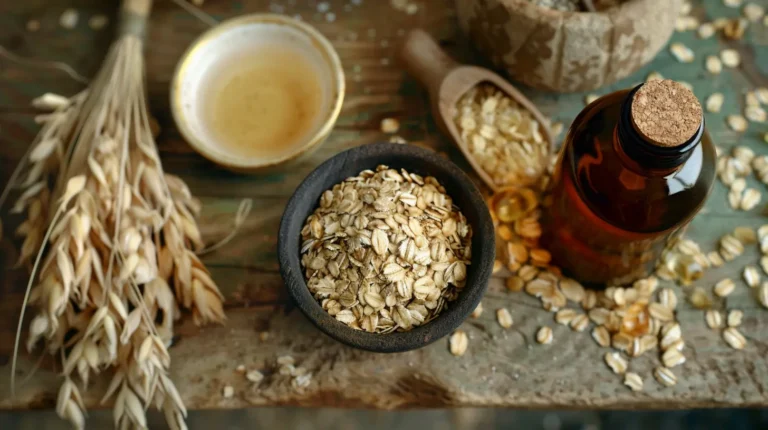
Milky oat refers to the fresh, immature seed of the oat plant harvested during the brief “milky” stage, when the seed releases a white, latex-like fluid when squeezed. This is different from oatmeal grain and slightly different from oat straw,…
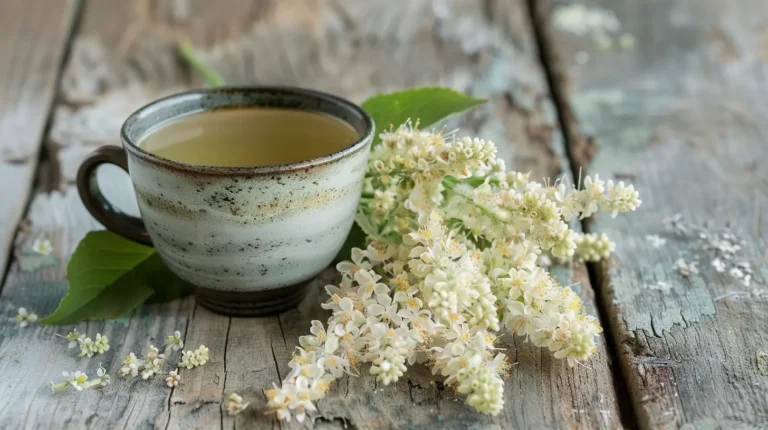
Meadowsweet is a fragrant flowering herb that grows in damp meadows, riverbanks, and moist woodland edges. Its creamy-white flower clusters smell sweet and almond-like, which makes its old common name, “queen of the meadow,” feel very well earned. Meadowsweet (Filipendula…
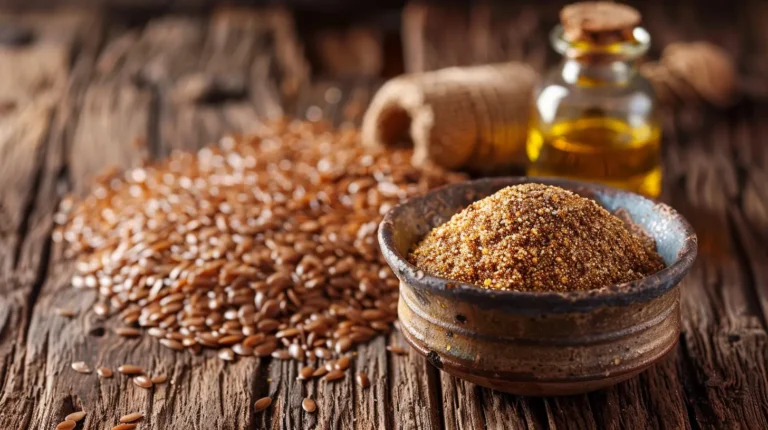
Flaxseed is the small, glossy seed of the flax plant, a crop that has been used for thousands of years for both food and fiber. In herbal and nutritional traditions, flaxseed is best known for its rich mucilage, plant-based omega-3…
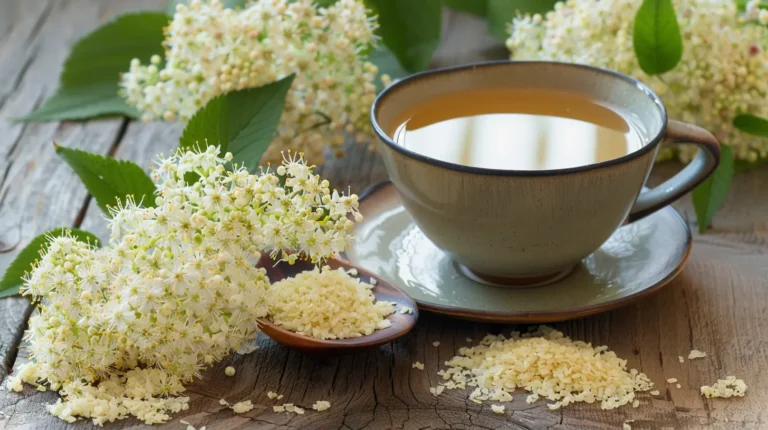
Elderflower is the creamy-white flower of the elder shrub, traditionally gathered in late spring when the blossoms are fragrant, airy, and just dramatic enough to make herbalists stop mid-walk. Elderflower (Sambucus nigra) Traditional Uses of Elderflower Respiratory Comfort: Elderflower has…
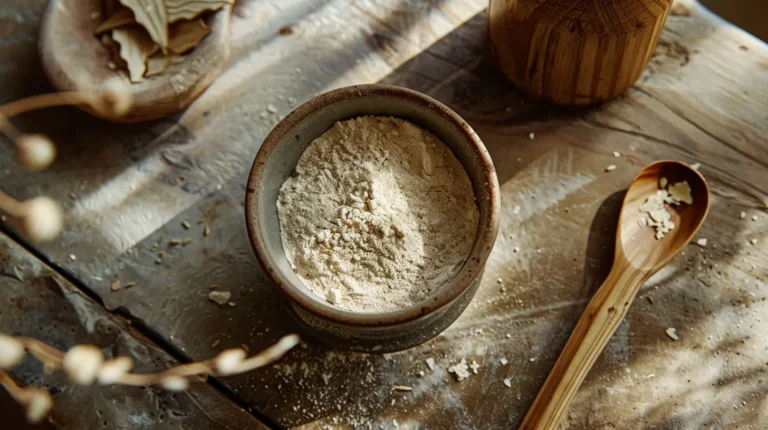
Slippery elm is a North American tree whose inner bark becomes silky, thick, and gel-like when mixed with water. That “slippery” texture is exactly why herbalists have traditionally used it for throat comfort, digestive soothing, and irritated mucous membranes. This…
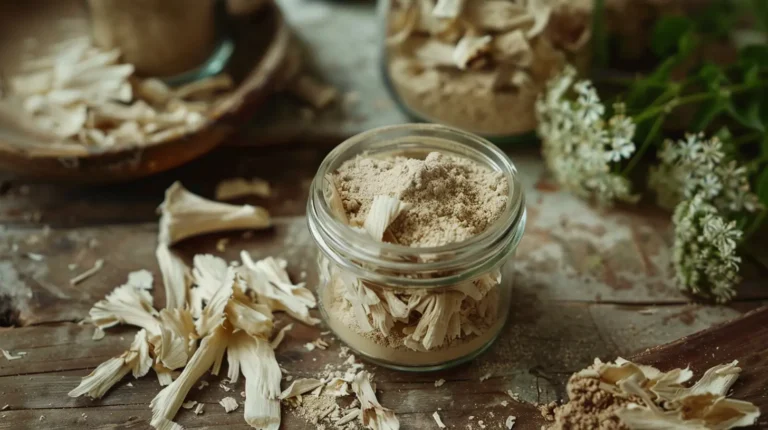
Marshmallow root is the soft, soothing root of Althaea officinalis, a perennial plant in the mallow family. It is rich in mucilage, a slippery plant compound that becomes gel-like when mixed with water. In herbalism, marshmallow root is one of…
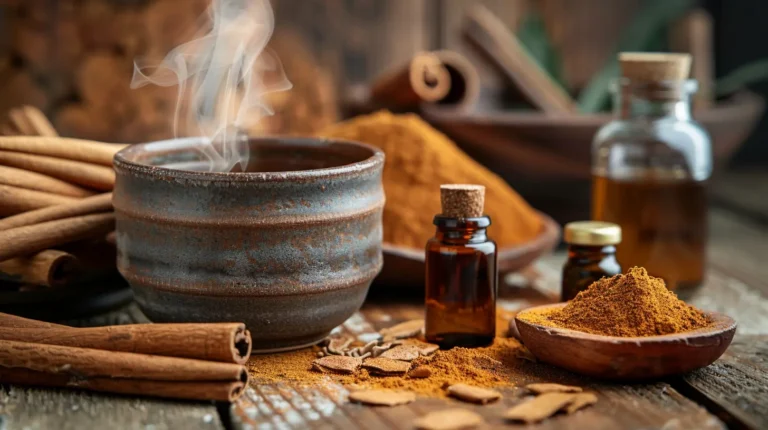
Cinnamon is the aromatic inner bark of trees in the Cinnamomum genus. It is one of the most familiar kitchen spices in the world, but in traditional herbalism it is also valued as a warming digestive herb, aromatic circulatory stimulant,…