

Calendula officinalis
Health Benefits
Calendula is used to gently support the skin, the lymphatic system, and everyday tissue comfort. Herbalists often choose calendula when someone needs soft, sunny skin support without harshness, especially when dry skin, minor irritation, and “my skin is being dramatic again” seem to be having one big group conversation.
Learn More About Calendula Health Benefits >>>
Calendula, often called pot marigold, is one of the most beloved skin herbs in traditional Western herbalism. The bright orange and yellow flower petals have been used in teas, infused oils, salves, compresses, washes, and gentle topical preparations for generations.
In herbal practice, calendula is especially associated with skin comfort, tissue support, and gentle movement through the lymphatic system. It is commonly used in topical preparations when the skin feels dry, rough, irritated, or in need of softening support.
Modern research has explored calendula for its flavonoids, triterpenoids, carotenoids, polysaccharides, and other plant compounds. The European Medicines Agency recognizes calendula flower as a traditional herbal medicinal product for minor skin inflammation and minor wounds, based on long-standing use, while also noting that evidence is largely traditional rather than based on high-certainty clinical trials.
Calendula is not a quick-fix herb. It is more like the herbal friend who brings soup, clean towels, and a calm voice. In practical home herbalism, it is often chosen because it is gentle, versatile, colorful, and easy to prepare.
Vulnerary
A vulnerary is an herb traditionally used to support the skin and surface tissues. Calendula is one of the classic vulnerary herbs, especially in infused oils, salves, compresses, and skin washes.
Anti-inflammatory
In herbal language, anti-inflammatory herbs are used to help calm hot, red, or irritated tissue patterns. Calendula is traditionally used this way in topical preparations, especially when the goal is gentle comfort rather than strong stimulation.
Lymphatic
Lymphatic herbs are traditionally used to support healthy lymph flow and natural clearing processes in the body. Calendula is often included in herbal formulas when skin and lymphatic wellness are being considered together.
Astringent
Astringent herbs have a slightly tightening or toning quality, often because of tannins or related compounds. Calendula is mildly astringent, which helps explain its traditional use in washes, rinses, and compresses for skin and oral care.
Antioxidant
Antioxidant herbs contain compounds that help protect plant tissues, and these same compounds are studied for how they interact with oxidative stress in the body. Calendula’s flavonoids and carotenoids are part of this antioxidant profile.
Demulcent and Emollient
A demulcent or emollient preparation feels soothing, softening, and protective. Calendula-infused oils and balms are especially valued for this softening quality on dry or rough-feeling skin.
Active Compounds in calendula
Flavonoids
Flavonoids are plant pigments and antioxidant compounds found in many colorful herbs. In calendula, flavonoids are studied for their role in the plant’s antioxidant and tissue-supporting properties.
Triterpenoids
Triterpenoids are naturally occurring plant compounds found in calendula flowers, including faradiol-related compounds. These constituents are often discussed in relation to calendula’s traditional use for skin comfort and topical preparations.
Carotenoids
Carotenoids are the orange and yellow pigments that help give calendula flowers their bright sunny color. These compounds, including lutein and beta-carotene-related pigments, are part of why calendula-infused oils often take on a golden hue.
Polysaccharides
Polysaccharides are complex carbohydrates found in many plants. In calendula, they are studied as part of the herb’s broader profile and may contribute to its traditional reputation as a gentle, tissue-supportive plant.
Saponins
TSaponins are plant compounds that can create a mild foaming quality in some herbs. In calendula, saponins are part of the larger phytochemical picture and are often discussed alongside triterpenoid compounds.
Phenolic Acids
Phenolic acids are antioxidant compounds found in many herbs, fruits, and vegetables. In calendula, they contribute to the plant’s overall antioxidant profile and support its use as a colorful, polyphenol-rich flower.
Volatile Oils
Calendula contains small amounts of aromatic compounds, though it is not mainly used as a strong aromatic herb. Its volatile oil content plays a supporting role, but calendula is better known for infused oils, salves, and flower-based preparations than for essential oil use.
Calendula is sunshine with petals, the kind of herb that seems to say, “Let’s calm this down gently.”
Key Preparations
Calendula is best known as a flower for infused oils, salves, balms, compresses, skin washes, herbal baths, and gentle teas. The dried petals also work beautifully in herbal honeys, vinegars, and simple culinary preparations where a mild, sunny floral note is welcome. Calendula is not usually prepared as a decoction because the delicate flowers give themselves up more gracefully in infusions, oils, and other gentle preparations.
Calendula Recipes
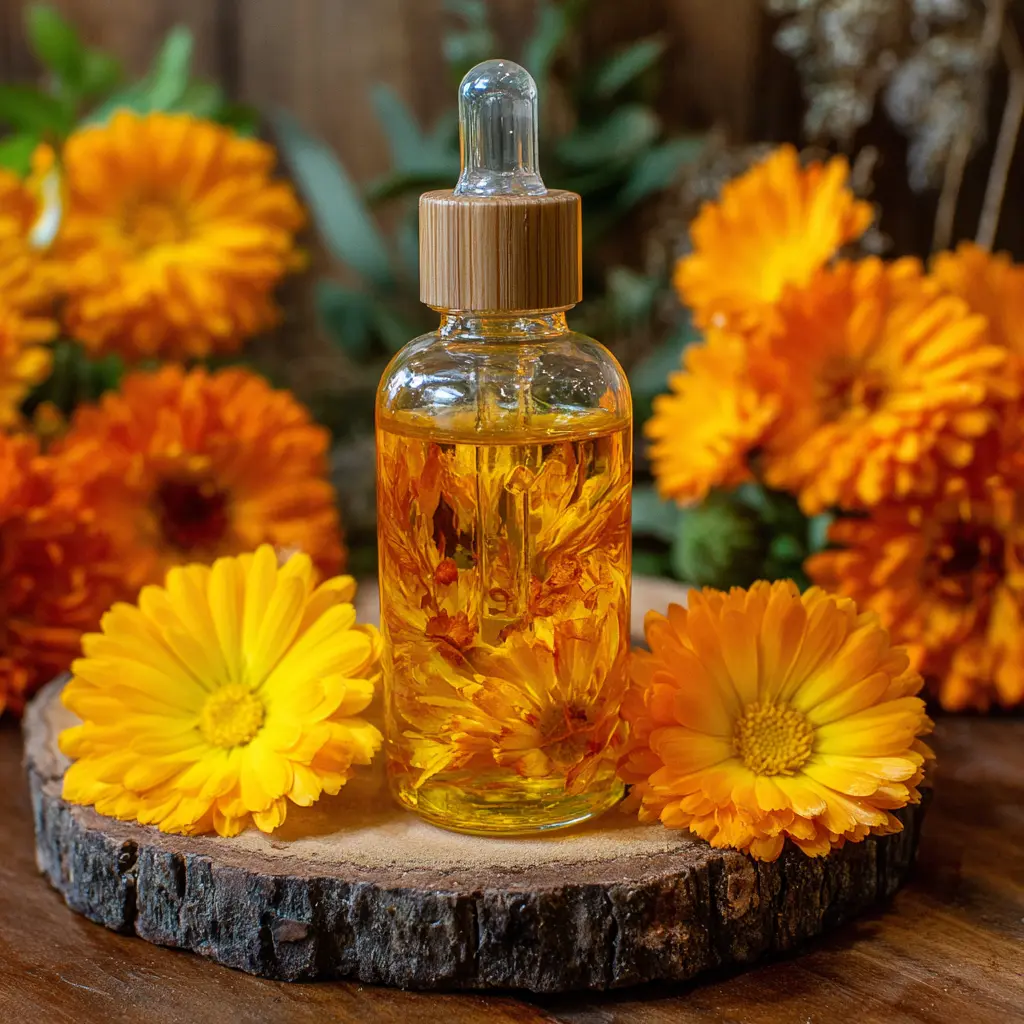
Calendula Skin-Comfort Infused Oil
Ingredients
- 1 cup Dried calendula flowers
- 1¼ cup Olive oil, sunflower oil, or jojoba oil
Instructions
- Place the dried calendula flowers in a clean, dry glass jar.Pour the oil over the flowers until they are fully covered.Stir gently with a clean spoon to release air bubbles.Cover the jar and place it in a warm, sunny windowsill for 2 to 4 weeks.Shake gently every day or two.Strain through cheesecloth or a fine mesh strainer.Store the oil in a clean, labeled bottle.
Notes
Calendula Skin-Comfort Infused Oil is most suitable when you want a simple topical preparation for dry, rough, or easily irritated skin. Herbalists traditionally use calendula-infused oil as a base for massage oils, salves, balms, and everyday skin-softening preparations.
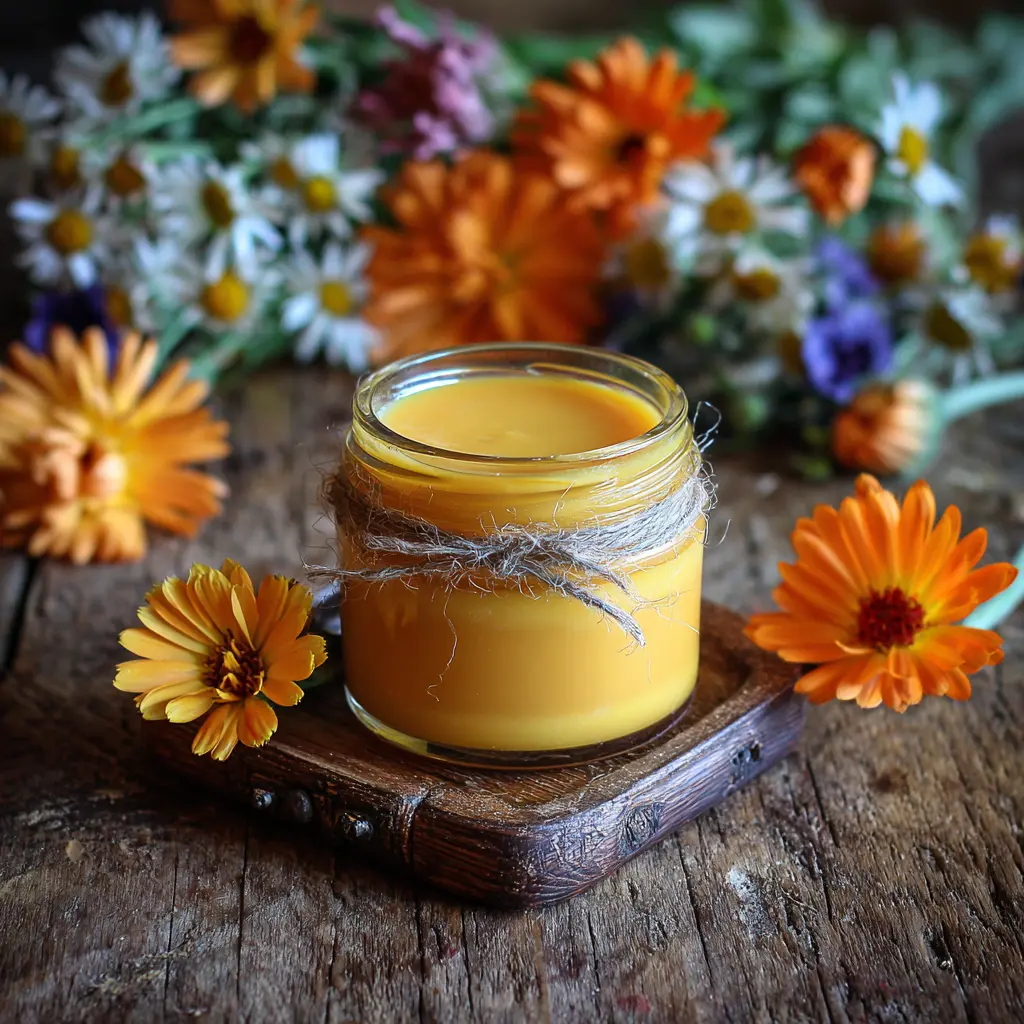
Calendula Salve
Ingredients
- ½ cup Calendula-infused oil
- 1 tbsp Beeswax pastilles
- ¼ tsp Vitamin E oil Optional
Instructions
- Add calendula-infused oil and beeswax to a heat-safe glass bowl or double boiler.Warm gently over low heat until the beeswax melts.Remove from heat.Stir in vitamin E oil if using.Pour into clean tins or jars.Let cool completely before covering.Label and store in a cool, dry place.
Notes
Calendula Salve is most suitable when you want a thicker, more protective topical preparation. Calendula salve is a traditional way to keep the herb’s skin-softening qualities in a convenient balm.
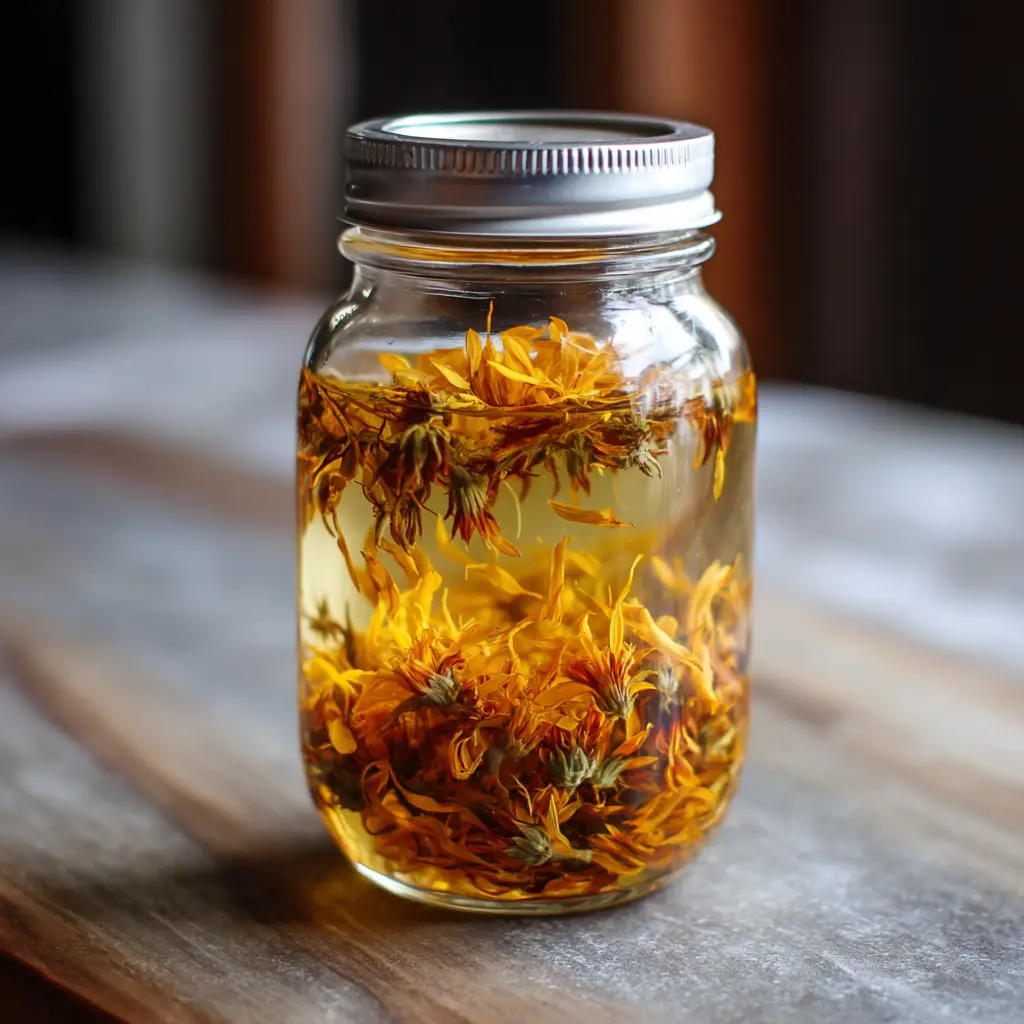
Calendula Tea Infusion
Ingredients
- 2 tsp Dried calendula flowers
- 1 cup Hot water
- 1 tsp Honey Optional
Instructions
- Place calendula flowers in a mug or teapot.Pour hot water over the flowers.Cover and steep for 10 to 15 minutes.Strain well.Add honey if desired.
Notes
Calendula Tea Infusion is most suitable when you want a gentle, traditional flower infusion. Calendula tea has a mild, earthy, slightly bitter taste and is often used in herbalism as a simple internal preparation.
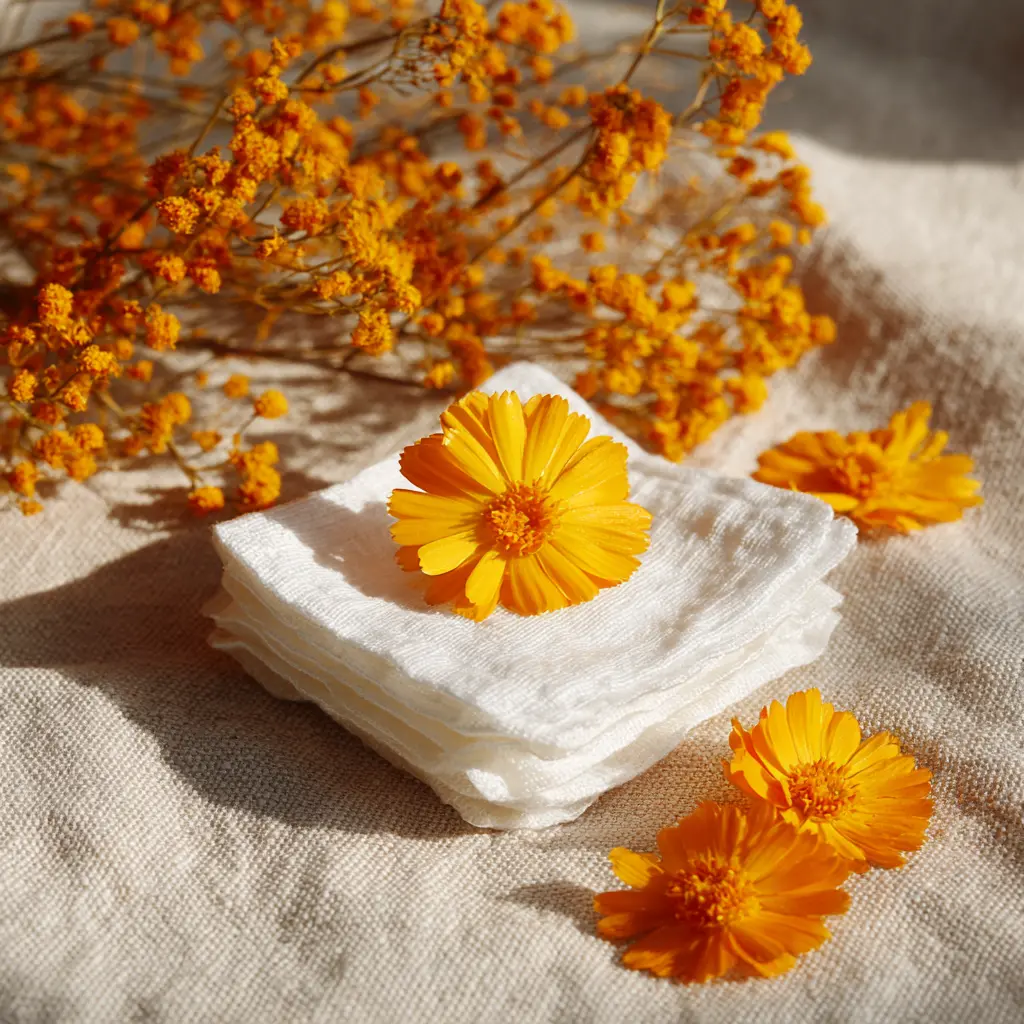
Calendula Compress
Ingredients
- 1 tbsp Dried calendula flowers
- 1 cup Hot water
Instructions
- Place calendula flowers in a heat-safe cup.Pour hot water over the flowers.Cover and steep for 15 minutes.Strain and let cool until comfortably warm.Soak a clean cloth in the infusion.Wring out excess liquid.
Notes
Calendula Compress is most suitable when you want a simple external preparation without making oil or salve. Herbal compresses are traditionally used when a gentle wash or cloth application is preferred.
Shop Herbs & Products
Shop Calendula Products
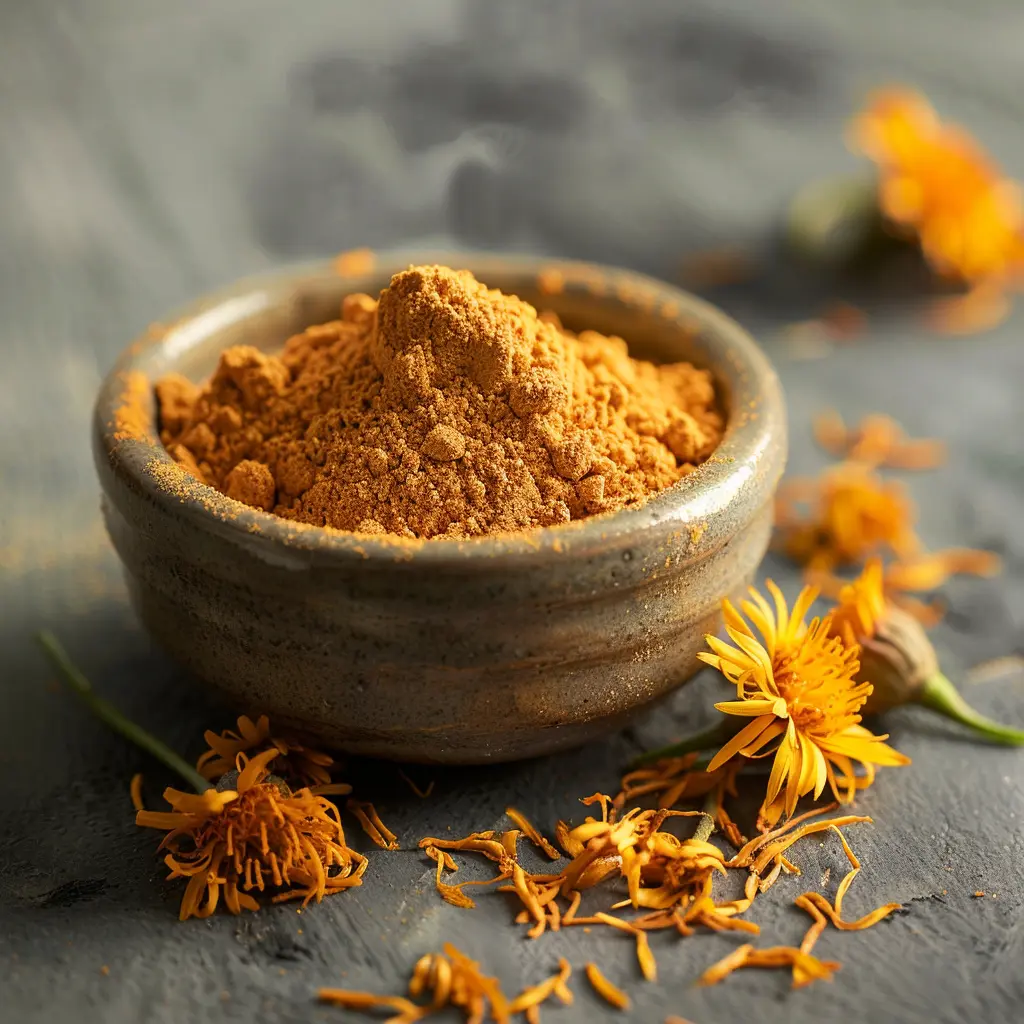
Dried calendula flowers are the most flexible form for home herbalism. Look for bright orange or yellow petals with a fresh, mild scent and avoid material that looks dull, dusty, or brown.
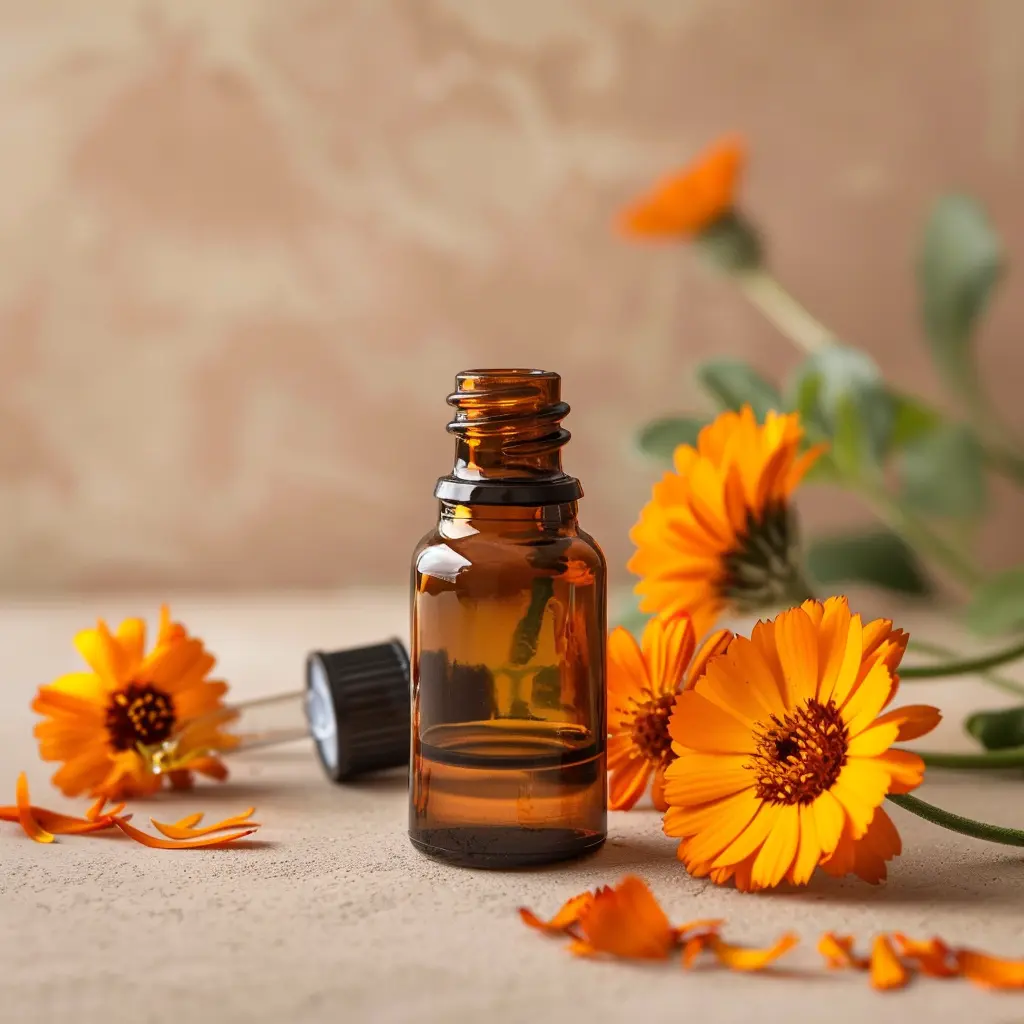
Calendula tincture is a concentrated liquid extract, usually made with alcohol. It is convenient when someone wants a shelf-stable preparation, but it should be used thoughtfully and is not the same as drinking a simple flower tea.
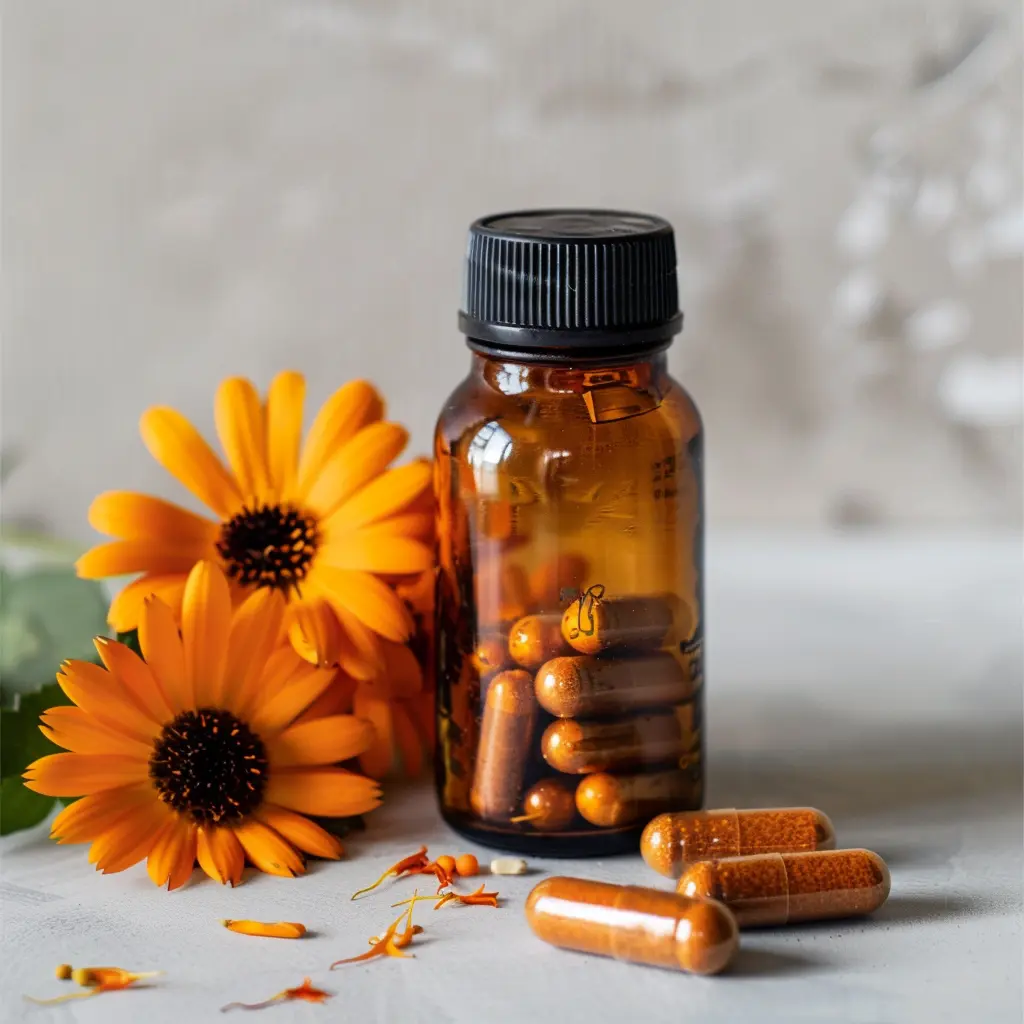
Calendula capsules are less traditional than teas, oils, and salves, but they are available. Check labels carefully for the plant part used, serving size, added ingredients, and third-party quality testing when possible.
Calendula glycerite is an alcohol-free liquid extract made with vegetable glycerin. It may be preferred by people avoiding alcohol, though it is still a concentrated herbal preparation and should be chosen with the same care as other extracts.
Calendula is not commonly used as a true essential oil in everyday herbalism. Most “calendula oil” products are infused oils, not essential oils, and that is usually the more appropriate and traditional form for skin preparations.
Calendula powder can be used in masks, poultices, bath blends, and handmade body-care recipes. It should be fresh, finely ground, and stored away from heat and light because powdered herbs lose quality faster than whole dried flowers.
Shop Calendula Extract
Calendula extracts may be found in creams, ointments, gels, tinctures, and cosmetic formulas. Extracts vary widely, so it is important to check whether the product is meant for internal use, topical use, or cosmetic use only.
Safety and Practical Considerations
Calendula is generally considered a gentle herb, especially when used topically as an infused oil, salve, compress, or bath. Still, gentle does not mean suitable for everyone.
People with allergies to plants in the Asteraceae family, such as ragweed, chamomile, daisies, chrysanthemums, or marigolds, should use caution with calendula. A patch test is wise before using calendula on the skin, especially for sensitive individuals.
Internal use of calendula should be approached more carefully during pregnancy, breastfeeding, childhood, chronic illness, or when taking prescription medications. LactMed notes that calendula is generally recognized as safe as a food flavoring, but also states that information on oral use during breastfeeding is limited.
Calendula is commonly used fresh or dried, but dried flowers are easier to store and measure. Fresh flowers contain more moisture, so they require extra care in oil infusions because water can increase spoilage risk.
Calendula has a mildly bitter, earthy, floral taste. In tea, it blends well with chamomile, lemon balm, rose, nettle, and mint.
FAQ
What does calendula taste like?
Calendula has a mild, earthy, slightly bitter, and faintly floral taste. It is not as sweet-smelling as chamomile or as bright as mint, but it blends nicely with softer herbs. Many people prefer it with honey or mixed into a larger tea blend.
When is the best time to use calendula?
Calendula can be used at different times depending on the preparation. A tea may fit well into a daytime wellness routine, while an infused oil or salve is often used after bathing or handwashing. For topical use, consistency and gentleness matter more than a perfect time of day.
Is fresh or dried calendula better?
Both fresh and dried calendula can be useful. Dried calendula is easier for beginners because it stores well and is less likely to introduce moisture into oil infusions. Fresh calendula is lovely for garden use, quick poultices, and fresh flower preparations.
Is calendula tea, tincture, or capsule better?
It depends on the purpose and the person. Tea is simple and traditional, tincture is more concentrated and shelf-stable, and capsules are convenient but less connected to calendula’s classic home-herbal uses. For beginners, dried flower tea and topical infused oil are usually the easiest places to start.
Can calendula be used daily?
Calendula is often used regularly in topical products such as creams, oils, and salves. Internal daily use is more individual and should be considered carefully, especially for people who are pregnant, breastfeeding, taking medications, or managing health conditions. When in doubt, keep it occasional and ask a qualified professional.
How should calendula be stored?
Dried calendula should be stored in an airtight container away from heat, light, and moisture. The color should remain bright, not dull or brown. Infused oils should be kept in clean bottles and discarded if they smell rancid or look cloudy.
Does calendula combine well with other herbs?
Yes, calendula combines beautifully with chamomile, plantain, comfrey leaf for external use, lavender, rose, marshmallow root, and lemon balm. In teas, it pairs well with mint, nettle, and gentle digestive herbs. The best pairing depends on whether the preparation is for tea, skin care, bath use, or salve-making.
Is calendula safe for everyone?
No herb is suitable for everyone. Calendula may cause reactions in people sensitive to Asteraceae-family plants, and internal use needs extra caution during pregnancy, breastfeeding, childhood, and with medications. Topical patch testing is a simple and sensible first step.
Can calendula be used for pets?
Calendula is sometimes used in pet-care products, but pets are not small humans wearing fur coats. Cats, dogs, and other animals process herbs differently, so pet use should be guided by a veterinarian, preferably one trained in herbal medicine.
Disclaimer
This article is for educational purposes only and is not medical advice, diagnosis, or treatment. Herbs can cause allergic reactions, interact with medications, or be inappropriate in certain situations. If you are pregnant, breastfeeding, managing a medical condition, taking prescription medications, using thyroid medication, using sedatives, or preparing herbs for a child or pet, consult a qualified healthcare professional before use.
References
European Medicines Agency: Calendulae flos
EMA Assessment Report on Calendula officinalis L., flos
PubMed Central: An Updated Review on the Multifaceted Therapeutic Potential of Calendula officinalis
PubMed: An Updated Review on the Multifaceted Therapeutic Potential of Calendula officinalis
PubMed Central: A Review on Phytochemistry and Ethnopharmacological Aspects of Genus Calendula
PubMed Central: Phytochemical and Functional Analyses of Calendula officinalis
NCBI Bookshelf LactMed: Calendula
PubMed Central: Asteraceae Species as Potential Environmental Factors of Allergy
University of Wisconsin Extension: Calendula, Calendula officinalis