

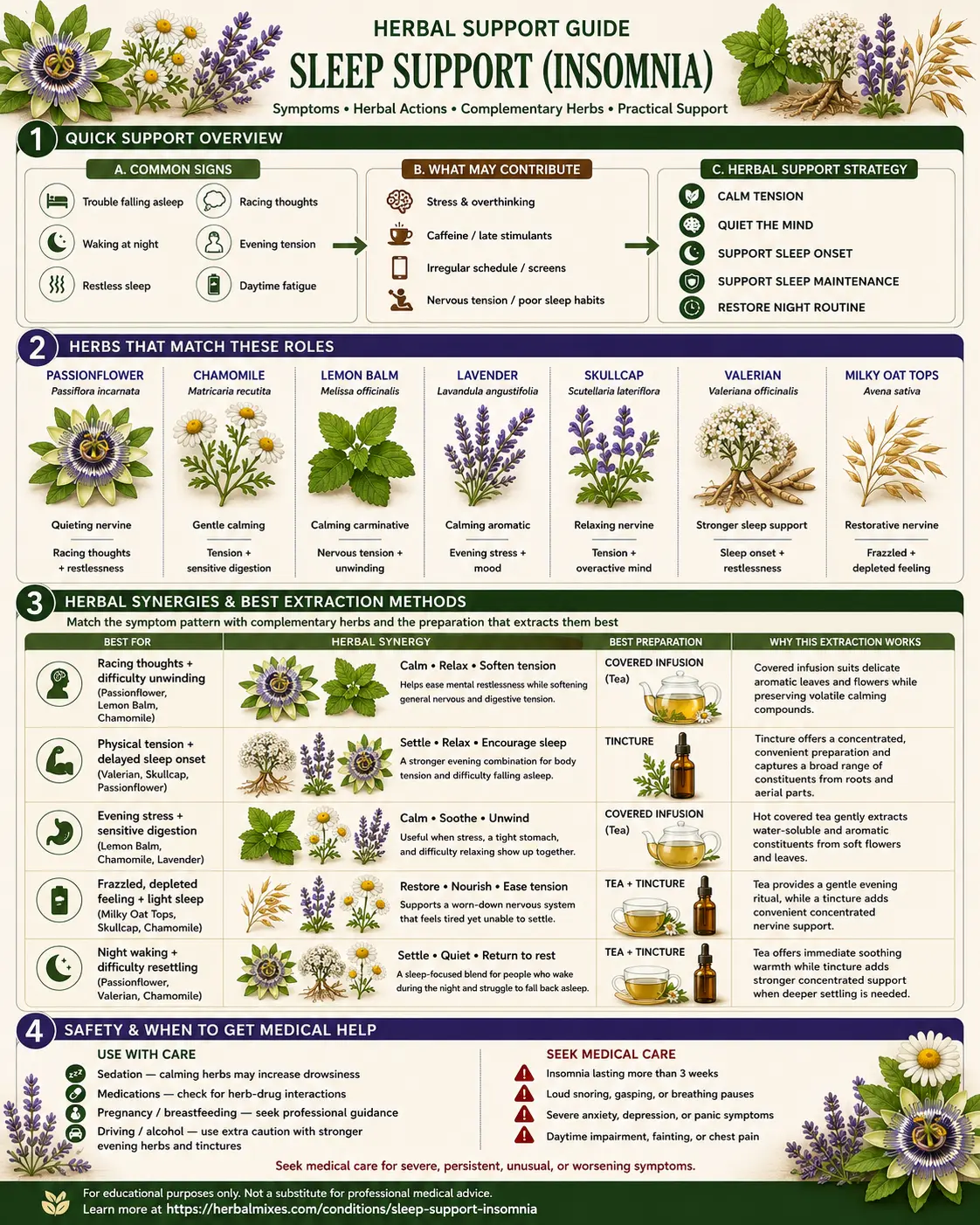
A practical herbal approach separates difficulty falling asleep from difficulty staying asleep. Passionflower, valerian, hops, and skullcap fit more immediate nighttime restlessness; chamomile and lemon balm provide gentler calming support; and ashwagandha is better suited to sleep disruption associated with ongoing stress. For chronic insomnia, herbs should remain secondary to evidence-based sleep treatment such as CBT-I. (NCCIH)
Learn more about these herb:

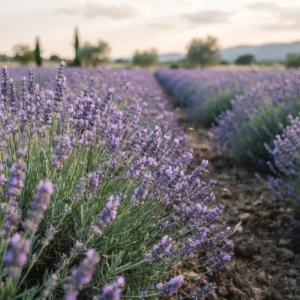
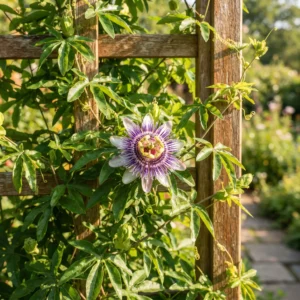
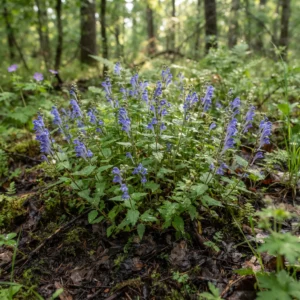

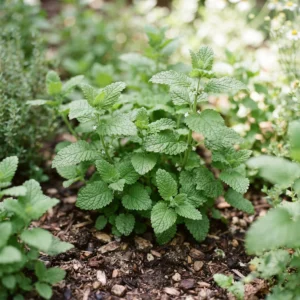
Available Ready-to-Use Products
If you prefer a ready-made option, these commercially available products contain herbs relevant to the approaches discussed above.
Stress-related sleep + nighttime waking — Better suited to ongoing sleep disruption associated with stress than a one-time sleepless night. Gaia Herbs — SleepThru® — Contains ashwagandha, magnolia, passionflower, and jujube in a nervine-and-adaptogen formula for occasional sleeplessness and stress support. (Gaia Herbs)
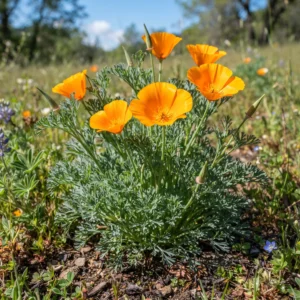
Difficulty falling asleep + strong restlessness — A broader nighttime herbal formula. Gaia Herbs — Sound Sleep® — Contains passionflower, hops, skullcap, valerian, California poppy, vervain, gotu kola, and lavender, closely matching the stronger sedative-nervine strategy above. (Gaia Herbs)
Valerian-centered liquid support — Useful when a tincture is preferred for occasional nighttime restlessness. Herb Pharm — Relaxing Sleep™ — Combines valerian, passionflower, hops, chamomile, and catnip in a concentrated liquid extract. (Herb Pharm)
A strong tea match is Traditional Medicinals Nighty Night® Tea, which contains passionflower, chamomile, linden, catnip, hops, spearmint, lemon verbena, lemon peel, and lemongrass. However, the official product page was showing Out of Stock when checked, so I have not included it as an available recommendation. (Traditional Medicinals)
Herbal Synergies & Best Extraction Methods
Passionflower + Lemon Balm + Chamomile
Best for: Racing thoughts, mental restlessness, mild bedtime anxiety, and difficulty switching off.
Passionflower provides stronger calming support while lemon balm and chamomile soften general nervous, digestive, and physical tension.
Best Preparation: Covered Infusion (Tea). These soft aromatic herbs extract well in hot water, and covering the infusion helps preserve volatile constituents.
Valerian + Passionflower + Hops
Best for: Difficulty falling asleep, physical restlessness, and feeling tired but unable to settle.
Valerian provides the strongest sedative component, passionflower emphasizes mental quieting, and hops adds complementary relaxing activity.
Best Preparation: Tincture. Alcohol extraction provides a concentrated preparation and is especially practical for bitter valerian and hops.
Skullcap + Passionflower + Milky Oat Tops
Best for: Feeling wired, overstimulated, physically tense, or unable to relax after a demanding day.
Skullcap emphasizes physical nervous tension, passionflower supports mental settling, and milky oat tops add traditional restorative nervine support.
Best Preparation: Tincture. Fresh or concentrated liquid extracts suit this nervine combination particularly well.
Chamomile + Lemon Balm + Lavender
Best for: Gentle evening restlessness, irritability, digestive tension, and difficulty transitioning into a bedtime routine.
These herbs emphasize soothing and relaxation rather than strong sedation, making them a good fit for mild occasional sleep difficulty.
Best Preparation: Covered Infusion (Tea). A warm aromatic tea also supports a consistent wind-down ritual.
Ashwagandha + Passionflower + Lemon Balm
Best for: Sleep disrupted by prolonged stress, repeated nighttime waking, and feeling poorly recovered in the morning.
Ashwagandha provides longer-term stress support while passionflower and lemon balm add more immediate nighttime calming.
Best Preparation: Tea + Extract. Lemon balm and passionflower work well as tea, while ashwagandha is convenient as a concentrated extract or capsule.
Herbal Properties Required
For occasional sleep difficulty, the most useful herbal properties are typically calming nervine, mildly sedative, antispasmodic, restorative, and adaptogenic actions. Calming nervines fit racing thoughts and tension, more sedating herbs may suit difficulty falling asleep, while restorative or adaptogenic herbs become more relevant when poor sleep occurs alongside prolonged stress rather than as an isolated problem.





Herbs With These Properties
Passionflower (Passiflora incarnata) — Racing thoughts + difficulty switching off. A calming nervine traditionally used for restlessness and nervous tension, particularly when bedtime is dominated by overthinking rather than physical discomfort.
Valerian (Valeriana officinalis) — Difficulty falling asleep + physical restlessness. Valerian root is one of the better-known sedative herbs, although clinical trials for insomnia have produced inconsistent results and its effectiveness for chronic insomnia has not been established. (NCCIH)
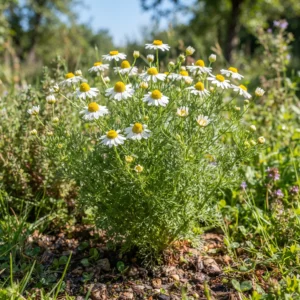
Chamomile (Matricaria recutita) — Gentle calming + bedtime tension. Chamomile combines mild nervine and antispasmodic actions and works especially well when tension overlaps with digestive discomfort. Evidence for insomnia itself remains limited. (NCCIH)
Lemon Balm (Melissa officinalis) — Mental tension + difficulty unwinding. A gentle aromatic nervine that fits mild restlessness, irritability, and nervous digestion. It combines easily with chamomile or passionflower without creating an overly heavy formula.
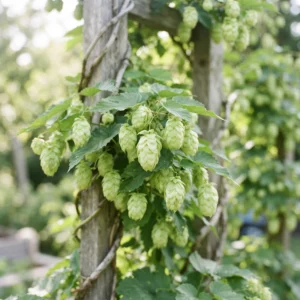
Hops (Humulus lupulus) — Restlessness + stronger evening relaxation. Traditionally used as a sedative bitter, hops is usually included in combination rather than used alone and fits patterns involving physical restlessness or difficulty settling into sleep.
Skullcap (Scutellaria lateriflora) — Wired + physically tense. A traditional nervine often selected when the body feels tired but the nervous system remains tense, restless, or overstimulated.
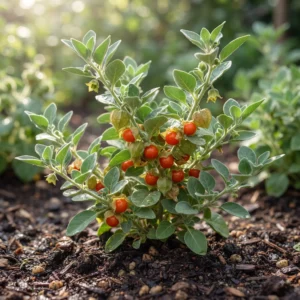
Ashwagandha (Withania somnifera) — Stress-related sleep disruption. An adaptogenic root better suited to ongoing stress and poor nighttime recovery than to immediate sedation. It is commonly combined with calming nervines when sleep problems accompany chronic stress.
Use With Care
- Valerian, passionflower, hops, and skullcap may increase drowsiness, especially when combined with alcohol, sleep medications, antihistamines, or other sedatives.
- Valerian’s long-term safety is not well established, and clinical evidence for chronic insomnia remains inconsistent. (NCCIH)
- Chamomile may trigger allergic reactions in people sensitive to ragweed-family plants and can interact with some medications. (NCCIH)
- Ashwagandha deserves extra caution with pregnancy, thyroid disease, autoimmune conditions, sedatives, or prescription medications.
- Avoid driving or operating machinery if an herbal sleep product leaves you groggy the next morning.
If you take prescription medication, are pregnant or breastfeeding, or have a medical condition, check with a qualified healthcare professional before using concentrated herbal products.
When to Get Medical Help
Seek medical evaluation if you experience:
- Sleep difficulty occurring at least several nights per week and continuing for weeks or months.
- Loud snoring, choking, gasping, or pauses in breathing during sleep.
- Severe daytime sleepiness, falling asleep while driving, or difficulty staying awake during normal activities.
- Sleep problems accompanied by persistent depression, severe anxiety, pain, or major changes in functioning.
- New confusion, unusual nighttime behavior, or symptoms that began after starting or changing medication.
For chronic insomnia, cognitive behavioral therapy for insomnia (CBT-I) is among the most strongly recommended treatments and has substantially better evidence than herbal sleep aids. (NCCIH)
Persistent, severe, unusual, or worsening symptoms should be evaluated by a healthcare professional.
Frequently Asked Questions
What is the best herb for occasional difficulty falling asleep?
Passionflower or valerian are common choices when restlessness and difficulty falling asleep dominate. Passionflower is generally better matched to racing thoughts, while valerian is more often chosen for stronger physical restlessness. Evidence for valerian in chronic insomnia remains inconsistent. (NCCIH)
What is the best herbal combination for racing thoughts at bedtime?
Passionflower + lemon balm + chamomile is a practical starting combination. Passionflower emphasizes mental quieting, lemon balm helps with general nervous tension, and chamomile adds gentle physical and digestive relaxation.
What is better for stress-related nighttime waking?
Consider ashwagandha + passionflower + lemon balm. Ashwagandha fits the longer-term stress component, while passionflower and lemon balm provide more immediate nighttime calming. This is more logical for stress-related sleep disruption than for sleep apnea or another underlying sleep disorder.
Is tea or tincture better for sleep herbs?
For chamomile, lemon balm, lavender, and passionflower, tea works very well and supports a bedtime routine. Stronger-tasting herbs such as valerian and hops are often easier to use as tinctures or capsules.
Can herbs treat chronic insomnia?
Herbs may provide comfort for occasional sleeplessness, but they should not be relied on as the primary treatment for chronic insomnia. NCCIH notes that evidence for valerian and chamomile is insufficient, while CBT-I is the most strongly recommended treatment. (NCCIH)
References
National Center for Complementary and Integrative Health — Sleep Disorders and Complementary Health Approaches: Usefulness and Safety
Read the NCCIH sleep overview (NCCIH)
National Center for Complementary and Integrative Health — Psychological and Physical Approaches for Sleep Disorders
Read the NCCIH evidence summary (NCCIH)
National Center for Complementary and Integrative Health — Chamomile: Usefulness and Safety
Read the NCCIH chamomile overview (NCCIH)
National Center for Complementary and Integrative Health — Myth-Busting Natural Products for Sleep Problems
Read the NCCIH evidence review (NCCIH)
Disclaimer
For educational purposes only. This information is not intended to diagnose, treat, cure, or prevent disease. Herbal products may cause side effects or interact with medications. Consult an appropriate healthcare professional if you have a medical condition, take medication, are pregnant or breastfeeding, or have persistent or concerning symptoms.