

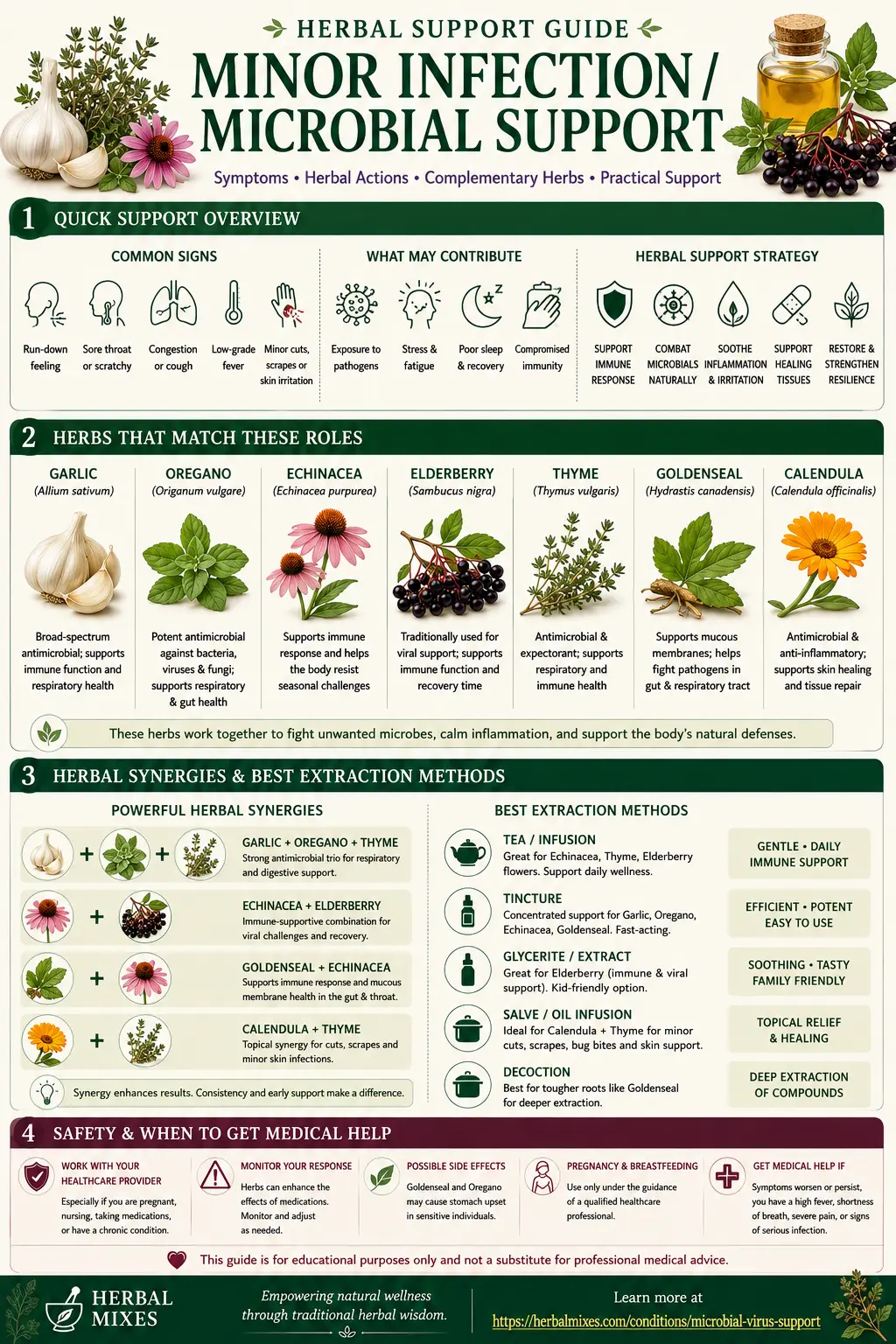
Herbal support for minor infections combines potent broad-spectrum antimicrobials for pathogen defense, immune-stimulating botanicals to activate white blood cells, and lymphatic tonics to support drainage. The specific choice of herbs depends heavily on whether seasonal immune challenges, throat irritation, or superficial skin microbial balance is the primary focus.
Learn more about these herb:
Available Ready-to-Use Products
If you prefer a ready-made option, these commercially available products contain herbs relevant to the approaches discussed above.
Targeted Seasonal Immune Support — Concentrated herbal syrup for acute immune challenges and recovery. Gaia Herbs — Black Elderberry Supreme — Combines concentrated elderberry, echinacea, and acerola cherry to support healthy immune function during seasonal shifts.
Immediate Immune Mobilization Tonic — Professional-grade herbal extract for rapid immune system activation. Thorne — Echinacea Extract — Standardized echinacea purpurea drops support healthy white blood cell activity and natural immune defenses.
Botanical Upper Respiratory & Throat Syrup — Traditional soothing formula for immune and throat health. [Traditional Medicinals — Organic Elderberry & Thyme Syrup / or similar herbal syrups] No direct single ideal match; individual-herb tinctures or custom elderberry syrups offer a closer match for specific immune goals.
Surface Skin & Microbial Salve — Multi-purpose herbal ointment for minor skin irritations and microbial balance. Burt’s Bees — Res-Q Ointment — Herbal extract blend featuring comfrey, rosemary, and botanical oils to support skin health and minor microbial recovery.
Herbal Synergies & Best Extraction Methods
Echinacea + Elderberry + Andrographis
Best for: Sudden seasonal immune challenges, feeling rundown at the onset of a bug, and acute fatigue. Echinacea mobilizes white blood cells, elderberry provides targeted immune nourishment, and andrographis delivers robust bitter support for upper respiratory defense. Best Preparation: Tincture or Standardized Extract. Alcohol-water liquid extracts efficiently capture polar constituents and active bitter diterpenoids for rapid absorption.
Goldenseal + Echinacea + Thyme
Best for: Mucosal microbial imbalances, localized throat and sinus irritation, and stubborn upper respiratory challenges. Goldenseal offers potent berberine antimicrobial action, echinacea drives immune response, and thyme provides volatile aromatic support to clear passages. Best Preparation: Tincture + Covered Infusion. Combines a potent root tincture for systemic defense with a warm thyme infusion for localized respiratory comfort.
Calendula + Thyme + Echinacea
Best for: Superficial skin microbial imbalances, minor localized scrapes, and tissue protection. Calendula and thyme offer strong topical and surface antimicrobial properties, supported by echinacea’s systemic immune activation. Best Preparation: Topical Salve or Wash (Infusion). Oil-based salves or concentrated herbal washes maintain direct physical contact with surface skin challenges.
Elderberry + Echinacea + Thyme
Best for: Family-friendly seasonal immune support, early scratchy throat, and maintaining general resilience. Elderberry and echinacea encourage a robust, balanced immune response, while thyme soothes and clears the upper airways. Best Preparation: Syrup or Tincture. Combining sweet elderberry syrup with echinacea and thyme liquid extract makes immune support palatable and effective.
Herbal Properties Required
For minor microbial support, the most useful herbal properties are typically antimicrobial, antibacterial, antiviral, antifungal, immune-supportive, and lymphatic. Antimicrobial and immune-supportive herbs help the body directly combat microbial challenges and stimulate white blood cell activity, while lymphatic actions help clear metabolic waste and cellular debris from active immune sites.







Herbs With These Properties
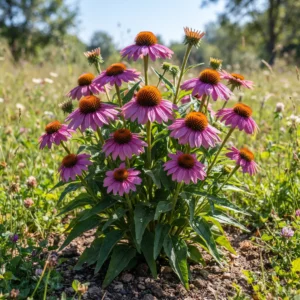
Echinacea (Echinacea purpurea / angustifolia) — Immune mobilization + white blood cell activation. A vibrant native prairie flower rich in alkamides and polysaccharides; traditionally used at the very first sign of immune challenge to stimulate phagocytosis and bolster natural defense mechanisms.
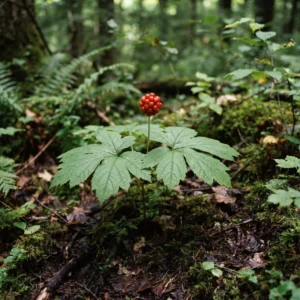
Goldenseal (Hydrastis canadensis) — Berberine-rich antimicrobial + mucous membrane tonic. A potent North American root containing berberine and hydrastine; acts as a strong broad-spectrum antimicrobial to support microbial balance in mucosal tissues.
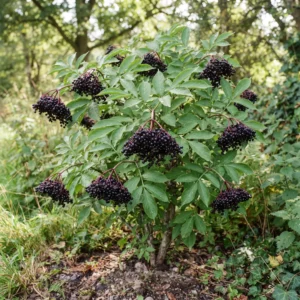
Elderberry (Sambucus nigra) — Antiviral support + immune nourishment. A dark purple flavonoid-rich berry; widely studied for its ability to support immune function, moderate seasonal viral challenges, and provide powerful antioxidant protection.
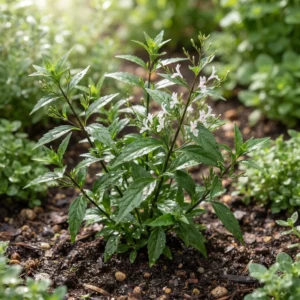
Andrographis (Andrographis paniculata) — Bitter immune tonic + upper respiratory defense. A deeply bitter Asian botanical leaf containing andrographolides; traditionally relied upon for robust upper respiratory support and maintaining microbial balance.
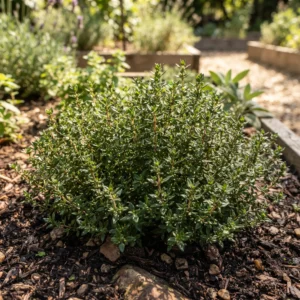
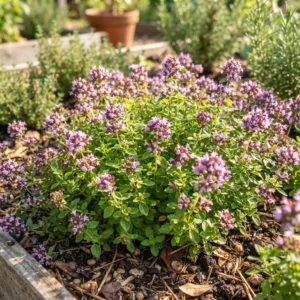
Thyme (Thymus vulgaris) — Volatile oil antimicrobial + respiratory soothing. A fragrant aromatic culinary leaf rich in thymol; exceptional for supporting microbial balance in the upper respiratory tract and soothing local tissue irritation.
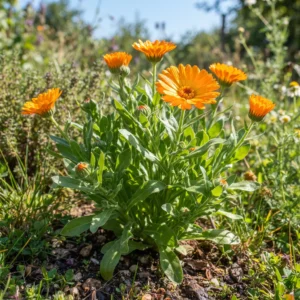
Calendula (Calendula officinalis) — Topical antimicrobial + tissue healing. A bright resinous blossom rich in triterpenoids and saponins; excellent for supporting clean microbial balance and healing in minor cuts and skin irritations.
Use With Care
- Avoid long-term continuous use of potent berberine roots like goldenseal (typically limit use to 2–3 weeks), as prolonged intake can disrupt the healthy microflora of the gut.
- Exercise caution with immunostimulating herbs like echinacea if you have an autoimmune condition, as over-stimulating immune pathways may be counterproductive.
- Ensure strong antimicrobial herbs are used temporarily to support the body rather than as a permanent replacement for foundational immune health and lifestyle care.
- Consult a healthcare professional if signs of infection worsen, fail to improve within a few days, or are accompanied by high fever.
- If you take prescription medication, are pregnant or breastfeeding, or have a medical condition, check with a qualified healthcare professional before using concentrated herbal products.
When to Get Medical Help
Seek medical evaluation if you experience:
- Signs of a severe or spreading infection (such as high fever, severe localized pain, expanding redness, red streaks, or pus).
- Difficulty breathing, chest pain, persistent wheezing, or severe coughing fits that do not subside.
- Symptoms that worsen progressively instead of improving after 3 to 5 days of rest and supportive care.
- Confusion, severe lethargy, or inability to keep fluids down. Persistent, severe, unusual, or worsening symptoms should be evaluated by a healthcare professional.
Frequently Asked Questions
How do immune-stimulating herbs like echinacea work?
Echinacea contains active alkylamides and polysaccharides that interact with the immune system to stimulate phagocytosis (the process by which white blood cells engulf and destroy foreign invaders) and increase the mobilization of key defensive cells.
Why should herbs like goldenseal be used short-term?
Goldenseal is rich in berberine, a potent natural antimicrobial compound. While excellent for short-term microbial challenges, using it continuously for months can sweep away beneficial gut bacteria along with unwanted microbes, disrupting healthy digestive flora.
Can elderberry help prevent seasonal immune challenges?
Yes. Elderberry is rich in anthocyanins and flavonoids that support overall immune cell communication and provide high-level antioxidant protection, making it a popular choice for both seasonal prevention and acute support.
Why is thyme effective for upper respiratory challenges?
Thyme owes much of its antimicrobial power to thymol, a potent volatile aromatic oil. When consumed as a tea or inhaled as steam, thymol acts directly on the upper respiratory tract to support microbial balance and ease tissue congestion.
References
National Center for Complementary and Integrative Health (NCCIH) — Echinacea Overview: NCCIH Overview PubMed — Elderberry Supplementation in Viral Upper Respiratory Symptoms: PubMed Central Study PubMed — Berberine and Antimicrobial Mechanisms: PubMed Review American Botanical Council — Goldenseal and Echinacea Monographs: HerbalGram Reference
Disclaimer
For educational purposes only. This information is not intended to diagnose, treat, cure, or prevent disease. Herbal products may cause side effects or interact with medications. Consult an appropriate healthcare professional if you have a medical condition, take medication, are pregnant or breastfeeding, or have persistent or concerning symptoms.