

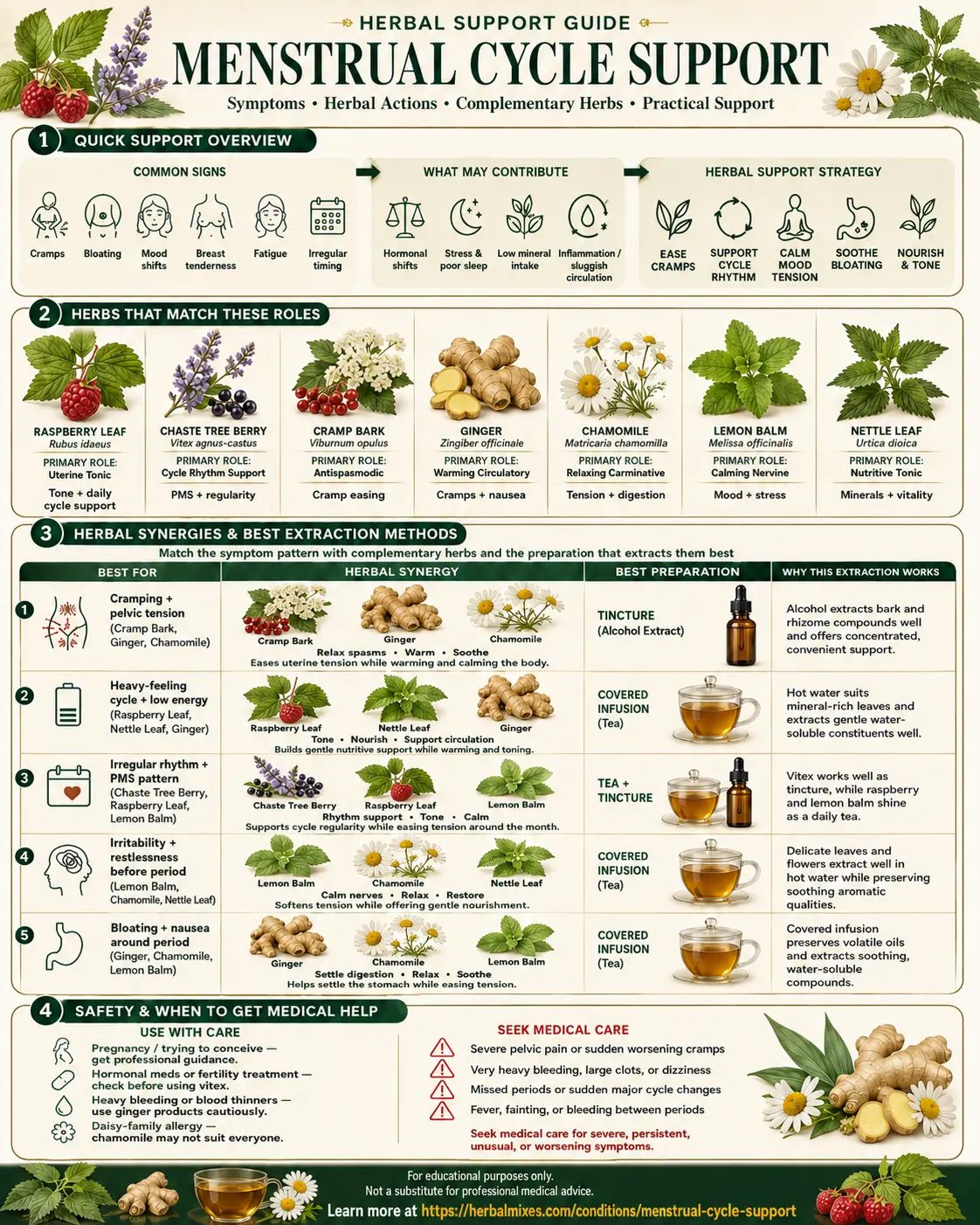
Herbal support for menstrual health combines antispasmodic herbs for smooth muscle relaxation, anti-inflammatory agents for prostaglandin regulation, and nervines for mood support. The specific choice of herbs depends heavily on whether cramping, cycle irregularity, or premenstrual tension is the primary concern
Learn more about these herb:

Available Ready-to-Use Products
If you prefer a ready-made option, these commercially available products contain herbs relevant to the approaches discussed above.
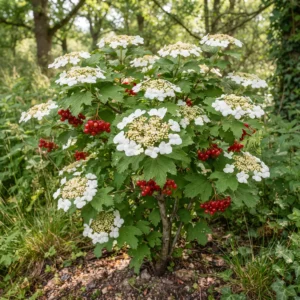
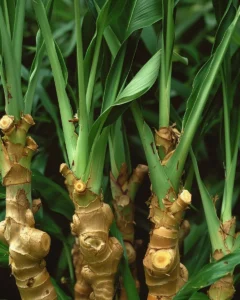
Acute Cramping & Uterine Comfort — Targeted relief for strong monthly uterine spasms and tension. Urban Moonshine — Cramp Support Tonic — Cramp bark, ginger, and lobelia combine to rapidly soothe acute smooth muscle discomfort.
Hormonal Balance & Cycle Regularity — Comprehensive support for premenstrual mood and cycle rhythm. Gaia Herbs — Vitex Berry — Concentrated chaste tree extract provides targeted support for healthy progesterone levels and cycle regularity.
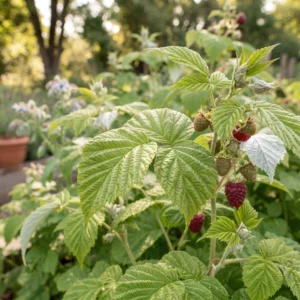
Daily Uterine Tonic — Nourishing herbal tea blend for ongoing reproductive tissue tone. Traditional Medicinals — Organic Raspberry Leaf — Pure organic red raspberry leaf acts as a classic uterine tonic for monthly vitality.
Premenstrual Mood & Calm — Gentle nervous system support for premenstrual irritability and stress. No strong ready-to-use match identified; individual-herb products or a custom combination may offer a closer match to this strategy.
Herbal Synergies & Best Extraction Methods
Cramp Bark + Ginger + Raspberry Leaf
Best for: Acute, sharp, or spasming lower abdominal cramping during the first few days of menstruation. Cramp Bark directly relaxes uterine smooth muscle, while ginger inhibits inflammatory pathways and warming circulation enhances the formula’s speed of action.Best Preparation: Decoction (Root/Bark). Simmering woody roots and barks extracts dense antispasmodic constituents far more effectively than light steeping.
Vitex + Lemon Balm + Dong Quai
Best for: Cycle irregularity, low mood, irritability, and luteal phase hormonal imbalances. Vitex supports healthy pituitary signaling for progesterone production, while lemon balm calms nervous fluctuations and Dong Quai gently nourishes pelvic vitality.Best Preparation: Tincture. Preserves active constituents from both delicate aerial parts and complex roots efficiently in an alcohol-water matrix.
Ginger + Lemon Balm + Raspberry Leaf
Best for: Mild discomfort, sluggish flow, and mild premenstrual digestive sluggishness. Ginger provides anti-inflammatory and warming comfort, raspberry leaf tones uterine tissues, and lemon balm softens stress-related digestive tension.Best Preparation: Covered Infusion (Tea). Protects volatile aromatic oils while thoroughly extracting gentle water-soluble plant tannins and flavonoids.
Cramp Bark + Vitex + Ginger
Best for: Combined complaints of stubborn cramping, cycle unpredictability, and fatigue. Cramp Bark addresses acute muscle spasms, Vitex supports overall hormonal rhythm, and ginger provides immediate comfort through anti-inflammatory pathways.Best Preparation: Tea + Tincture. Combines a soothing daily infusion of raspberry or ginger with targeted acute tincture dosing during peak days.
Herbal Properties Required
For menstrual cycle support, the most useful herbal properties are typically antispasmodic, emmenagogue, anti-inflammatory, nervine, and endocrine-supportive. Antispasmodics help ease uterine cramping, while emmenagogues support healthy flow; anti-inflammatory and nervine actions address discomfort and tension, whereas endocrine-supportive herbs help modulate hormonal communication across the monthly cycle.




Herbs With These Properties
Cramp Bark (Viburnum opulus) — Uterine relaxation + cramp relief. An antispasmodic bark containing scopoletin and tannins; traditionally used to ease smooth muscle spasms in the uterus and alleviate acute menstrual cramping.
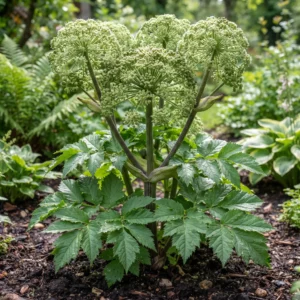
Dong Quai (Angelica sinensis) — Cycle regulation + blood tonic. A revered warming root rich in coumarins and volatile oils; often utilized in traditional Chinese herbalism to support healthy circulation, hormonal balance, and regular menstrual flow.
Vitex / Chaste Tree (Vitex agnus-castus) — Hormonal balance + luteal phase support. A supportive berry containing iridoid glycosides and flavonoids; helps promote normal progesterone-to-estrogen balance and eases premenstrual symptoms.
Ginger (Zingiber officinale) — Anti-inflammatory + circulation. A warming rhizome containing gingerols and shogaols; helps inhibit inflammatory prostaglandins responsible for dysmenorrhea while supporting pelvic circulation.
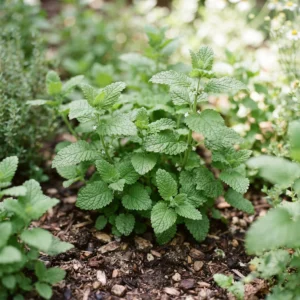
Lemon Balm (Melissa officinalis) — Nervous tension + mood soothing. A calming nervine and carminative rich in rosmarinic acid; useful for easing irritability, anxiousness, and nervous tension during the premenstrual window.
Raspberry Leaf (Rubus idaeus) — Uterine tonic + mineral nourishment. A nutrient-dense astringent leaf rich in fragrine and tannins; commonly consumed as a daily tonic to strengthen and tone uterine tissues over time.
Use With Care
- Avoid emmenagogue herbs like Dong Quai in high doses during pregnancy due to uterine-stimulating properties.
- Exercise caution with hormonal modifiers like Vitex if you are taking oral contraceptives or hormone replacement therapy.
- Monitor blood pressure and medication use if consuming warming circulatory stimulants like ginger in large therapeutic quantities.
- Consult a professional if you experience severe pelvic pain that fails to respond to standard botanical or lifestyle care.
- If you take prescription medication, are pregnant or breastfeeding, or have a medical condition, check with a qualified healthcare professional before using concentrated herbal products.
When to Get Medical Help
Seek medical evaluation if you experience:
- Severely debilitating pain that disrupts daily activities or does not respond to standard pain relief.
- Sudden onset of heavy bleeding, such as soaking through one or more pads every hour for multiple consecutive hours.
- Bleeding between periods or extremely irregular cycles after a previously predictable pattern.
- Pelvic pain accompanied by unexplained fever, unusual discharge, or systemic symptoms.Persistent, severe, unusual, or worsening symptoms should be evaluated by a healthcare professional.
Frequently Asked Questions
What is the best herb for acute menstrual cramps?
Cramp bark and ginger are widely regarded as top choices for acute cramping. Cramp bark directly relaxes uterine muscle tissue, while ginger inhibits the inflammatory prostaglandins that trigger contractions. Combining them often yields faster and more reliable comfort during the first few days of a cycle.
Can I use Vitex every day?
Yes, Vitex is typically taken daily over a sustained period (often several months) because its effects on pituitary signaling and hormonal balance build up gradually. It is most effective when used consistently rather than just during the few days of menstruation.
How should I prepare barks and roots like cramp bark?
Barks and roots require a decoction rather than a simple tea infusion. Simmering them gently in covered water for 15 to 20 minutes helps break down tough plant walls to release deep-seated active constituents like tannins and bitter principles.
Are herbal cycle supports safe to combine with birth control?
Certain herbs that influence hormonal pathways, such as Vitex, or strong emmenagogues should be used cautiously alongside hormonal contraceptives. Always consult a qualified healthcare provider or herbalist before combining botanical supplements with prescription medications.
References
National Center for Complementary and Integrative Health (NCCIH) — Chasteberry: NCCIH Chasteberry Overview PubMed — Efficacy of Ginger in Menstrual Pain: PubMed Central Study PubMed — Cramp Bark (Viburnum opulus) Monograph and Actions: PubMed Botanical Reference American Botanical Council — Herbal Preparations and Actions: HerbalGram Articles
Disclaimer
For educational purposes only. This information is not intended to diagnose, treat, cure, or prevent disease. Herbal products may cause side effects or interact with medications. Consult an appropriate healthcare professional if you have a medical condition, take medication, are pregnant or breastfeeding, or have persistent or concerning symptoms.