

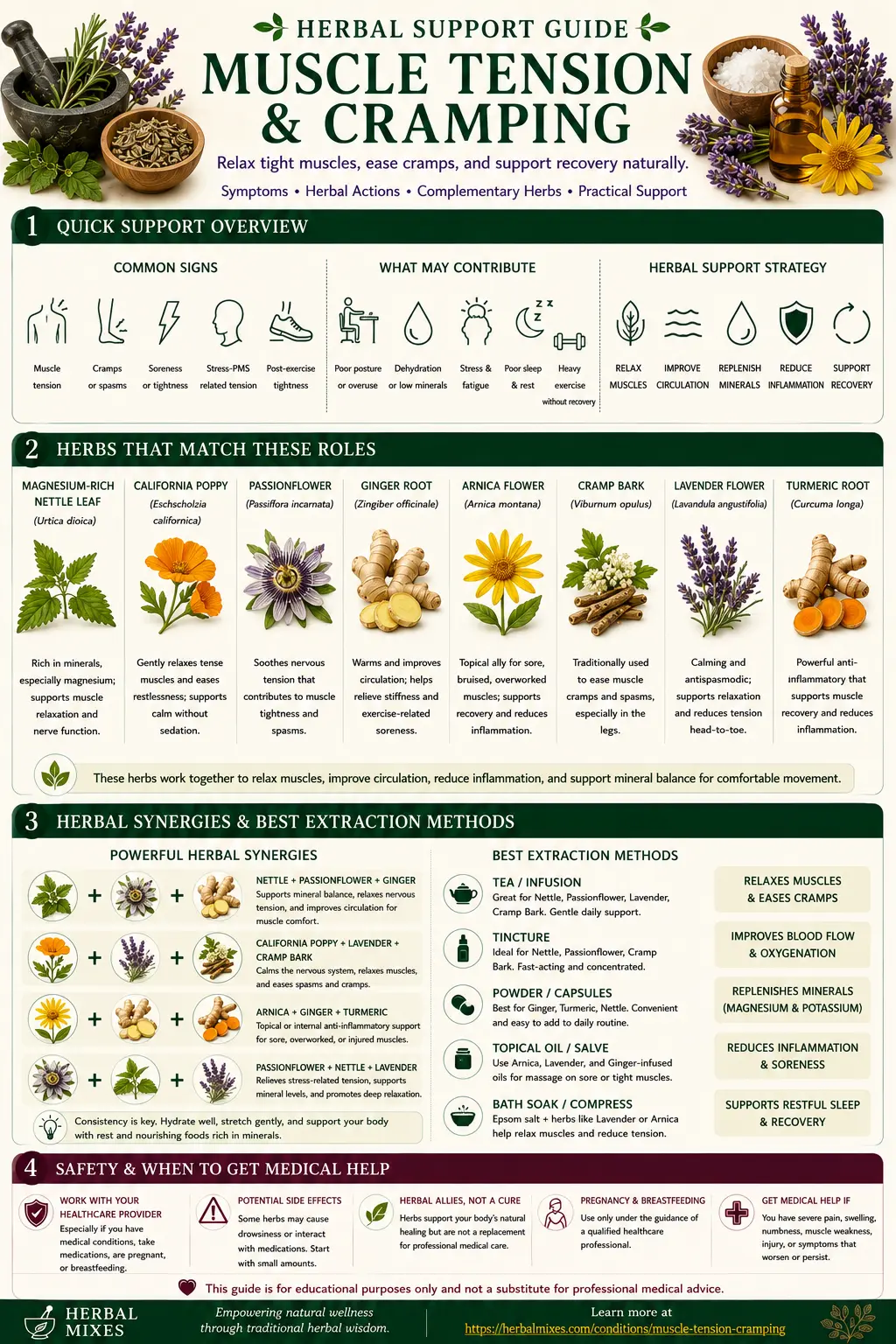
Muscle tension and cramping involve supporting smooth muscle relaxation, easing physical stiffness, and promoting neuromuscular recovery following overexertion or stress. Key contributing factors often include electrolyte imbalances, dehydration, lactic acid buildup, and nervous system fatigue, meaning different tension patterns require targeted botanical approaches
Herbal Support Strategy
Herbal support for muscular discomfort combines potent antispasmodics for immediate cramp relief, calming nervines for stress-related tension, and warming circulatory herbs to promote tissue recovery. The specific choice of herbs depends heavily on whether acute muscle spasms, chronic neck and shoulder tension, or post-workout soreness is the primary focus.
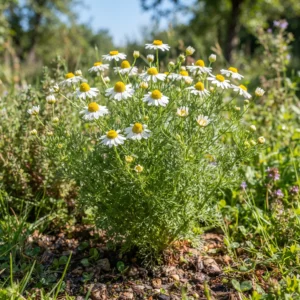
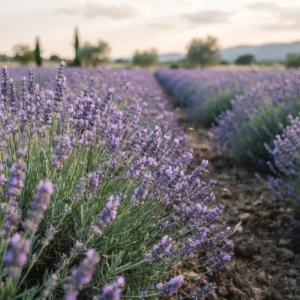
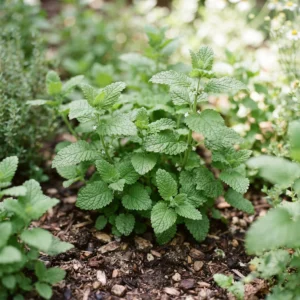
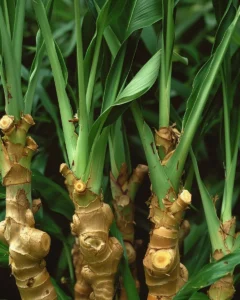
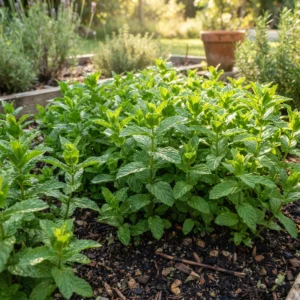
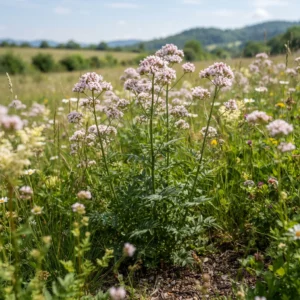
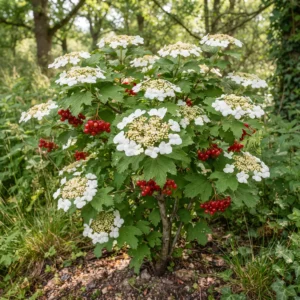
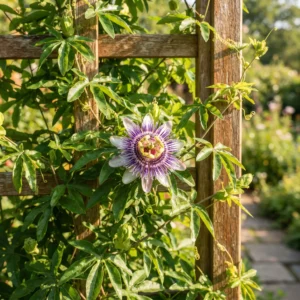
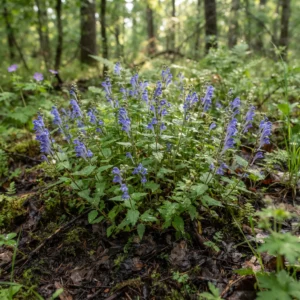
Cramp Bark (Viburnum opulus) — Smooth muscle relaxation + cramp relief. An antispasmodic bark containing scopoletin and tannins; traditionally used to ease involuntary muscle spasms, uterine cramping, and acute skeletal muscle tension.
Valerian Root (Valeriana officinalis) — Deep nervous system relaxant + antispasmodic. A pungent earth root containing valerenic acid and valepotriates; acts as a powerful nervous system sedative and muscle relaxant, especially for tension accompanied by restlessness.
Passionflower (Passiflora incarnata) — Nervine relaxant + tension soothing. A climbing vine rich in maltol and flavonoids; helps quiet an overactive nervous system, ease physical restlessness, and soften general muscle tightness.
Ginger (Zingiber officinale) — Warming circulation + post-exercise recovery. A pungent rhizome containing gingerols and shogaols; helps stimulate localized microcirculation, ease muscular stiffness, and warm overworked fibers.
Skullcap (Scutellaria lateriflora) — Gentle nerve tonic + spasm relief. A delicate mint-family green rich in baicalin; exceptional for relaxing jittery, overworked muscles and soothing tension held in the neck, shoulders, and jaw.
Arnica (Arnica montana) — Topical contusion recovery + muscle soreness relief. A mountain daisy rich in sesquiterpene lactones; widely utilized topically to speed recovery from physical overexertion, minor bruising, and muscle soreness.
Herbal Synergies & Best Extraction Methods
Cramp Bark + Skullcap + Ginger
Best for: Acute muscle cramps, spasming calves, and tight, knotted skeletal muscles following physical exertion. Cramp bark directly relaxes spasming muscle tissue, skullcap calms the underlying neuromuscular signaling, and ginger brings warming blood flow to the area. Best Preparation: Decoction + Tincture Blend. Simmering woody cramp bark extracts dense antispasmodic constituents, while fast-acting tinctures deliver skullcap and ginger.
Valerian Root + Passionflower + Skullcap
Best for: Chronic neck and shoulder tension, stress-induced muscle tightness, and difficulty unwinding at night. Valerian and passionflower provide deep nervine and muscular relaxation, supported by skullcap’s gentle affinity for jaw and upper body tension. Best Preparation: Tincture or Standardized Extract. Alcohol-water liquid extracts efficiently capture potent active compounds for rapid neuromuscular calm.
Arnica + St. John’s Wort + Ginger
Best for: Sore, overworked muscles, localized physical strain, and deep tissue tension without broken skin. Arnica disperses localized stagnation and soreness, while ginger warms the surrounding tissue to accelerate relaxation. Best Preparation: Topical Infused Oil, Gel, or Salve. Fat-soluble active constituents penetrate directly through the skin barrier when massaged into sore muscles.
Passionflower + Cramp Bark + Skullcap
Best for: Spasmodic muscle discomfort overlapping with nervous restlessness or mental overthinking. Passionflower calms the racing mind and physical tension, while cramp bark and skullcap target physical spasm relief. Best Preparation: Covered Infusion (Tea) + Tincture. Combines a calming botanical tea with concentrated antispasmodic liquid drops.
Available Ready-to-Use Products
If you prefer a ready-made option, these commercially available products contain herbs relevant to the approaches discussed above.
Targeted Muscle Soreness & Bruise Gel — Popular topical herbal formula for overworked muscles and minor physical strain. Boiron — Arnica Montana Gel — Clean, unscented topical arnica gel quickly absorbs to relieve stiffness and muscle soreness after physical exertion.
Nervous System & Muscle Relaxation Extract — Botanical liquid formula for stress-induced tension and restless muscles. Gaia Herbs — Valerian Root Extract — Concentrated valerian root extract helps calm nervous system activity and promote deep physical relaxation.
Calming Muscle & Sleep Formula — Traditional herbal blend designed for physical tension and nighttime rest. Traditional Medicinals — Organic Nighty Night / or similar tension formulas — Combines passionflower, chamomile, and relaxing herbs to ease everyday muscle and nervous system tightness.
Comprehensive Muscle Ease Tincture — Botanical extract blend targeting spasms and physical stiffness. No strong ready-to-use match identified; individual-herb tinctures or custom professional salves offer a closer fit for specific muscle needs.
Herbal Properties Required
For muscle tension and cramping, the most useful herbal properties are typically antispasmodic, nervine, analgesic, circulatory stimulant, and anti-inflammatory. Antispasmodic and nervine herbs help relax involuntary muscle contractions and calm nervous system signaling, while circulatory stimulants enhance blood flow to clear metabolic waste and warm tight tissues.




Use With Care
- Exercise caution with potent sedative herbs like valerian root and passionflower if you are operating machinery, driving, or taking pharmaceutical sedatives or sleep medications.
- Never apply arnica or strong herbal salves to broken skin, open cuts, or deep wounds, as systemic absorption can cause irritation.
- Ensure adequate hydration and electrolyte intake (magnesium, potassium) alongside herbs, as mineral deficiencies are a primary driver of muscle cramping.
- Consult a healthcare professional if muscle spasms or cramping are severe, unremitting, or accompanied by sudden weakness.
- If you take prescription medication, are pregnant or breastfeeding, or have a medical condition, check with a qualified healthcare professional before using concentrated herbal products.
When to Get Medical Help
Seek medical evaluation if you experience:
- Sudden, severe, unremitting muscle pain or debilitating spasms that do not respond to rest, hydration, and stretching.
- Signs of a deep blood clot or injury, such as severe swelling, redness, warmth, or sudden discoloration in a limb.
- Muscle weakness, numbness, or paralysis accompanying physical tension.
- Spasms resulting from a severe physical trauma, fall, or accident. Persistent, severe, unusual, or worsening symptoms should be evaluated by a healthcare professional.
Frequently Asked Questions
How do antispasmodic herbs like cramp bark help relax muscles?
Antispasmodic herbs contain active chemical compounds (such as scopoletin in cramp bark) that help calm overactive motor nerve impulses and relax smooth and skeletal muscle fibers, reducing the frequency and intensity of involuntary spasms and cramps.
Why is valerian root often used for physical tension?
Valerian root acts as a powerful central nervous system relaxant. When physical stress causes the body to hold tension tightly in the shoulders, neck, and jaw, valerian helps downshift nervous system activity, allowing the muscles to finally let go.
Can topical arnica help with workout muscle soreness?
Yes. Topical arnica is widely utilized for post-workout recovery because its active sesquiterpene lactones help reduce localized inflammation, ease discomfort, and speed up the recovery of overworked muscle fibers.
Why do magnesium and hydration matter alongside muscle herbs?
Herbs provide excellent relaxant and antispasmodic support, but muscles ultimately rely on adequate water, sodium, potassium, and magnesium to contract and release properly. Combining herbal care with proper electrolyte balance yields the best results for chronic cramping.
References
National Center for Complementary and Integrative Health (NCCIH) — Valerian Overview: NCCIH Overview PubMed — Efficacy of Topical Arnica in Muscle Soreness: PubMed Central Review PubMed — Valeriana officinalis and Nervous System Relaxation: PubMed Study American Botanical Council — Cramp Bark Monograph and Antispasmodic Actions: HerbalGram Reference
Disclaimer
For educational purposes only. This information is not intended to diagnose, treat, cure, or prevent disease. Herbal products may cause side effects or interact with medications. Consult an appropriate healthcare professional if you have a medical condition, take medication, are pregnant or breastfeeding, or have persistent or concerning symptoms.