

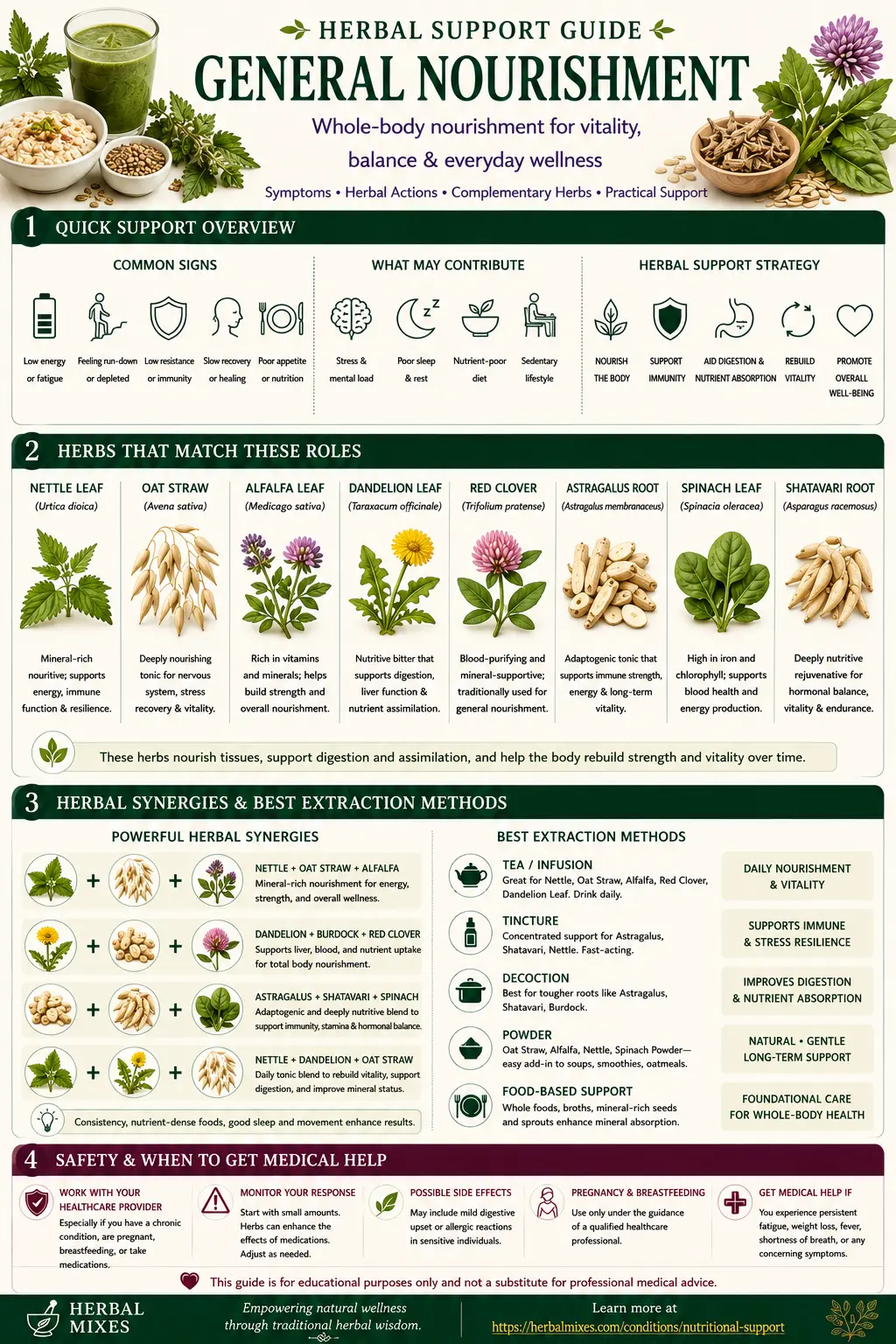
Herbal support for foundational wellness combines mineral-dense green tonics for daily nourishment, deep adaptogens for sustained stamina, and restorative roots to rebuild vitality. The specific choice of herbs depends heavily on whether daily mineral replenishment, chronic burnout recovery, or overall immune resilience is the primary focus.
Learn more about these herb:
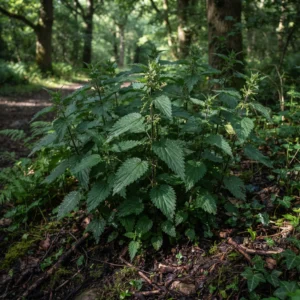

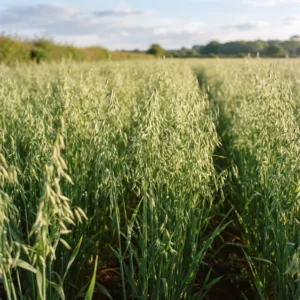
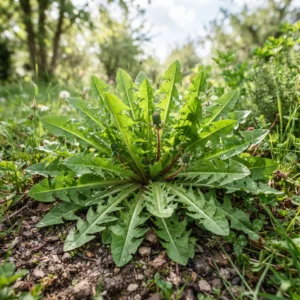
Available Ready-to-Use Products
If you prefer a ready-made option, these commercially available products contain herbs relevant to the approaches discussed above.
Daily Mineral & Green Nourishment — Nutrient-dense organic green tea blend for daily vitality and mineral support. Traditional Medicinals — Organic Nettle Leaf — Pure organic stinging nettle leaf acts as a classic green tonic to nourish the body and support healthy elimination and vitality.
Deep Adrenal & Systemic Restoration — Certified organic liquid extract for burnout recovery and deep energy. Gaia Herbs — Ashwagandha Root — Concentrated adaptogenic root extract helps the body cope with daily stress while restoring foundational strength.
Nervine & Mineral Daily Tonic — Soothing herbal elixir designed to nourish the nervous system and build stamina. Urban Moonshine — Energy Tonic / or similar adaptogenic formulas — Combines restorative adaptogens and nutritive herbs to support sustained daily energy and resilience.
Foundational Superfood & Mineral Powder — Nutrient-rich botanical powder for whole-body wellness. [Organic India — Tulsi / or similar green superfood blends] No direct single ideal match; individual-herb long infusions or custom green teas offer a closer fit for deep mineral nourishment.
Herbal Synergies & Best Extraction Methods
Nettle Leaf + Oatstraw + Alfalfa
Best for: Daily mineral depletion, feeling run-down from poor dietary absorption, and supporting foundational hair, skin, and nail health. Nettle and alfalfa deliver a rich array of bioavailable iron and trace minerals, while oatstraw calms the nervous system and supplies deep calcium nourishment. Best Preparation: Long Infusion (Tea). Steeping mineral-rich dried leaves and grasses in boiling water for 4 to 8 hours extracts heavy-duty plant minerals that quick 5-minute teas miss.
Ashwagandha + Oatstraw + Schisandra
Best for: Chronic nervous exhaustion, daily burnout, and physical fatigue requiring deep, restorative nourishment. Ashwagandha and schisandra rebuild depleted adrenal reserves, while oatstraw soothes the frazzled nervous system to restore steady daily energy. Best Preparation: Standardized Extract or Decoction (Root). Simmering dense roots or utilizing concentrated extracts ensures powerful delivery of deep adaptogenic compounds.
Red Clover + Nettle Leaf + Oatstraw
Best for: Seasonal transition fatigue, mild systemic sluggishness, and gentle daily wellness maintenance. Red clover offers gentle lymphatic and antioxidant support, combined with the dense mineral reinforcement of nettle and oatstraw. Best Preparation: Covered Infusion (Tea). A comforting daily herbal tea that hydrates while flooding the body with readily absorbable plant nutrients.
Ashwagandha + Nettle Leaf + Schisandra
Best for: High-stress lifestyles draining physical vitality, low daily stamina, and multi-system fatigue. Ashwagandha and schisandra drive deep adaptogenic endurance, supported by nettle’s rich foundational mineral nourishment. Best Preparation: Tincture + Long Infusion Blend. Combining a daily restorative root tincture with a mineral-rich nettle and oatstraw long infusion.
Herbal Properties Required
For general nourishment, the most useful herbal properties are typically nutritive, adaptogenic, tonic, immune-supportive, and restorative. Nutritive herbs supply rich, bioavailable minerals and vitamins, while adaptogenic and tonic actions support long-term energy and stamina, whereas restorative herbs help rebuild deep physiological reserves after prolonged depletion.





Herbs With These Properties
Nettle Leaf (Urtica dioica) — Deep mineral replenishment + systemic green tonic. A nutrient-dense green leaf rich in bioavailable iron, calcium, magnesium, and chlorophyll; traditionally consumed daily to nourish tissues, strengthen hair and nails, and support overall vitality.
Oatstraw (Avena sativa) — Nervous system nourishment + mineral tonic. A milky green oat top rich in calcium, silica, and B-vitamins; acts as a gentle restorative tonic to soothe frayed nerves, nourish the brain, and build deep physical stamina.
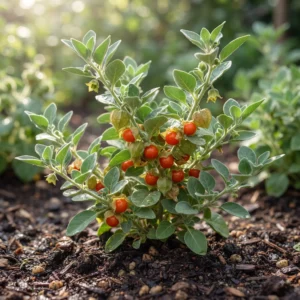
Ashwagandha (Withania somnifera) — Deep stress resilience + restorative vitality. A revered adaptogenic root containing withanolides; helps lower cortisol, rebuild depleted energy reserves, and support robust physical endurance.
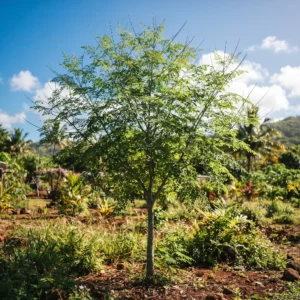
Alfalfa (Medicago sativa) — Trace mineral support + digestive nutrient boost. A deep-rooted perennial herb packed with vitamins A, C, E, and K alongside essential trace minerals; traditionally used to support overall systemic nourishment and vitality.
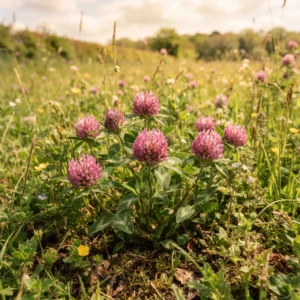
Red Clover (Trifoliant pratense) — Lymphatic tonic + gentle mineral support. A sweet flowering meadow blossom rich in isoflavones and trace nutrients; supports gentle fluid cleansing while providing foundational antioxidant nourishment.
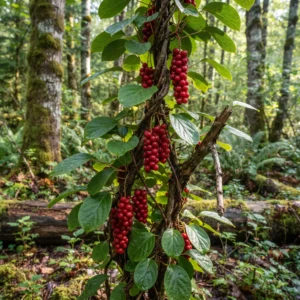
Schisandra (Schisandra chinensis) — Adaptogenic liver tonic + multi-system endurance. A tart five-flavor berry containing schisandrins; supports adrenal stamina, enhances cellular energy production, and nourishes foundational longevity.
Use With Care
- Ensure mineral-rich tonic herbs like nettle and oatstraw are sourced from clean, uncontaminated environments, as deep-rooted plants readily absorb minerals from their surrounding soil.
- Exercise caution with potent adaptogenic roots like ashwagandha if you have specific thyroid conditions or hyperactive immune states.
- Because nutritive tonic herbs work by gradually building deep physiological reserves, consistent daily use over several weeks is required to notice profound shifts in vitality.
- Consult a healthcare professional if systemic fatigue or depletion is severe, unremitting, or accompanied by unexplained weight loss.
- If you take prescription medication, are pregnant or breastfeeding, or have a medical condition, check with a qualified healthcare professional before using concentrated herbal products.
When to Get Medical Help
Seek medical evaluation if you experience:
- Severe, unremitting fatigue that fails to improve with adequate rest, sleep, and nutritional support.
- Unexplained, rapid weight loss, persistent weakness, or chronic digestive malabsorption.
- Signs of severe nutritional deficiency, such as extreme pallor, chronic shortness of breath, or neurological numbness.
- Persistent depression, severe mood changes, or systemic symptoms that disrupt daily functioning. Persistent, severe, unusual, or worsening symptoms should be evaluated by a healthcare professional.
Frequently Asked Questions
Why are long infusions recommended for nutritive herbs like nettle and oatstraw?
Unlike delicate aromatic leaves that release their flavors in minutes, mineral-rich plants like nettle and oatstraw store heavy-duty calcium, magnesium, and iron behind tough plant walls. Steeping them in covered water for 4 to 8 hours allows water to fully break down those walls, releasing a rich concentration of bioavailable minerals.
How do adaptogens differ from nutritive tonics?
Nutritive herbs (like nettle and alfalfa) function essentially as concentrated green food, supplying direct vitamins and minerals. Adaptogens (like ashwagandha and schisandra) work by regulating the body’s hormonal stress response (the HPA axis), helping to conserve cellular energy and prevent stress-driven burnout.
Can general nourishment herbs replace a healthy diet?
No. Herbal tonics are designed to supplement a wholesome diet, not replace one. While herbs like nettle and oatstraw provide exceptional trace minerals, they work best when paired with whole foods, proper hydration, and adequate rest.
Why is oatstraw traditionally called a “nervous system food”?
Milky oatstraw is exceptionally rich in bioavailable calcium, magnesium, and B-vitamins, all of which are essential for nerve conduction and neurotransmitter function. Regular use helps nourish and stabilize frayed, overstressed nerves.
References
National Center for Complementary and Integrative Health (NCCIH) — Dietary Supplements Overview: NCCIH Overview PubMed — Ashwagandha (Withania somnifera) in Systemic Resilience and Restoration: PubMed Central Review PubMed — Nutritional Value and Phytochemical Profile of Urtica dioica: PubMed Study American Botanical Council — Oatstraw and Nutritive Tonics Monograph: HerbalGram Reference
Disclaimer
For educational purposes only. This information is not intended to diagnose, treat, cure, or prevent disease. Herbal products may cause side effects or interact with medications. Consult an appropriate healthcare professional if you have a medical condition, take medication, are pregnant or breastfeeding, or have persistent or concerning symptoms.