

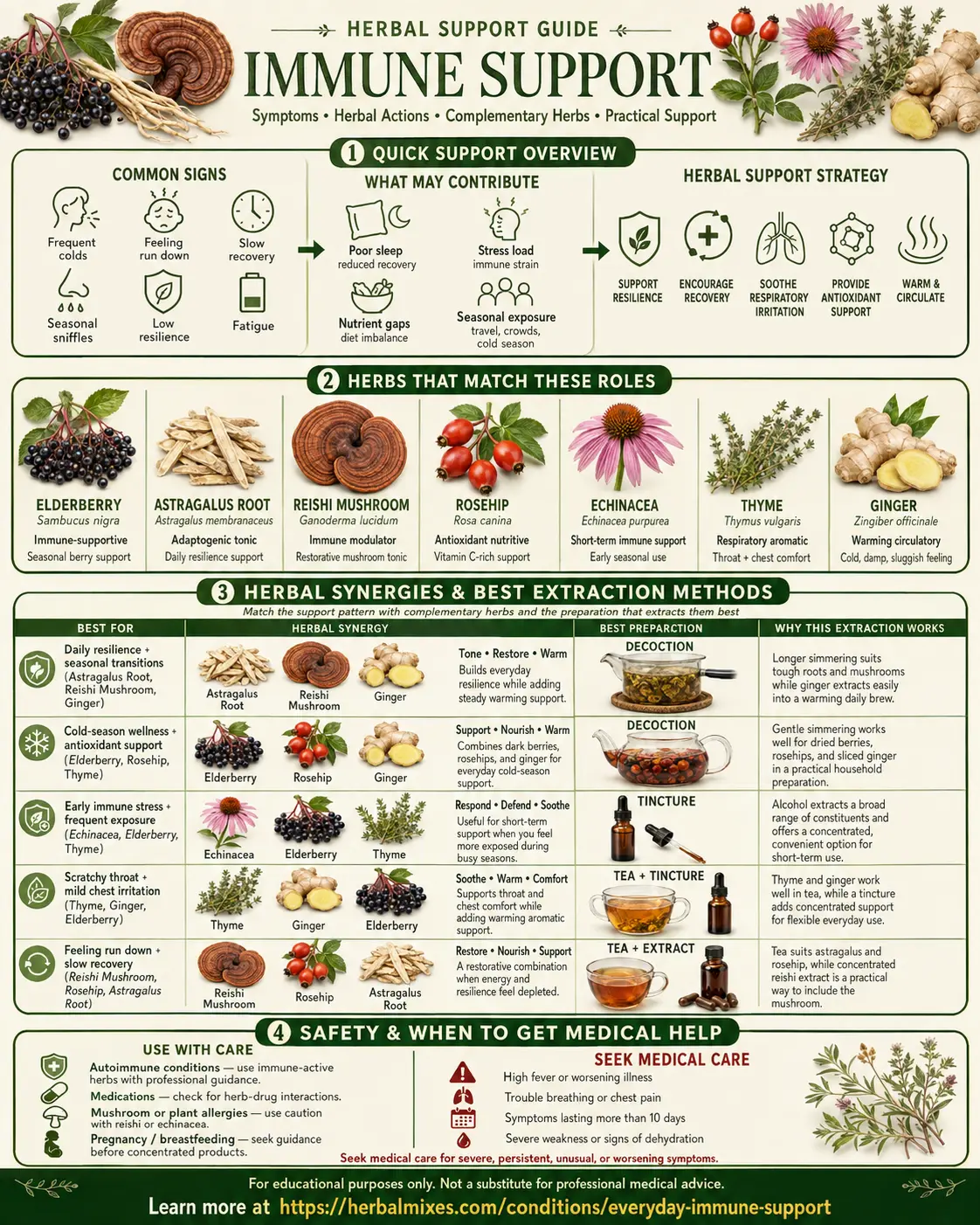
Everyday immune support is less about “boosting” immunity and more about helping the body maintain a balanced, responsive immune system during periods of stress, poor sleep, seasonal exposure, fatigue, or increased contact with respiratory illnesses. Some people may feel run down, recover slowly, experience frequent seasonal sniffles, or simply want additional support during high-demand periods; herbal choices differ depending on whether the goal is daily resilience, short-term seasonal support, respiratory comfort, or recovery.
Herbal Support Strategy
A practical approach separates daily foundational support from short-term seasonal support. Astragalus and reishi fit longer-term resilience, elderberry and rosehip provide antioxidant-rich seasonal support, echinacea is better suited to shorter periods when immune challenges are more immediate, while thyme and ginger add warming respiratory and digestive support.
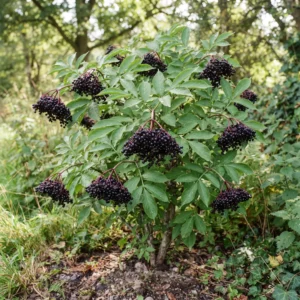
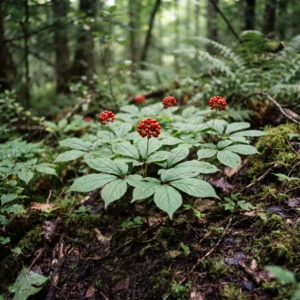
Elderberry (Sambucus nigra) — Seasonal immune + antioxidant support. Dark elderberries contain anthocyanins and other polyphenols. Preliminary research suggests possible benefit for upper-respiratory symptoms, although evidence remains limited and uncertain. (NCCIH)
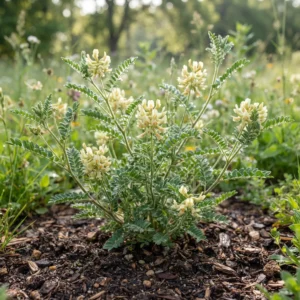
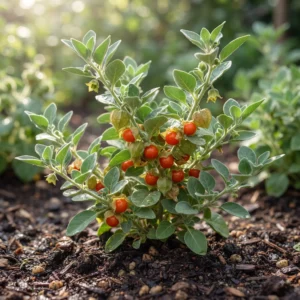
Astragalus (Astragalus membranaceus) — Daily resilience + adaptogenic support. Traditionally used as a tonic root and commonly included in longer-term immune formulas. NCCIH notes that reliable evidence for specific health conditions remains insufficient, so it is best viewed as supportive rather than preventive therapy. (NCCIH)
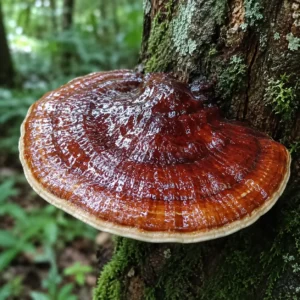
Reishi (Ganoderma lucidum) — Immune modulation + restorative support. Reishi contains polysaccharides including beta-glucans and triterpenes. Small human trials suggest effects on immune markers, although broader clinical evidence remains limited and variable. (PubMed)
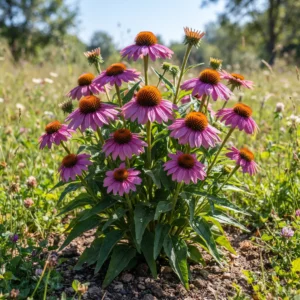
Echinacea (Echinacea purpurea / E. angustifolia) — Short-term seasonal immune support. Echinacea root and aerial parts contain alkylamides, polysaccharides, and related constituents. Research on colds is mixed, but it remains one of the most widely studied herbs for short-term seasonal immune support. (PubMed)
Rosehip (Rosa canina) — Antioxidant + nutritive support. Rosehips provide vitamin C, carotenoids, phenolic compounds, and other antioxidants, making them useful as a food-like addition to seasonal teas and restorative blends. (PubMed)
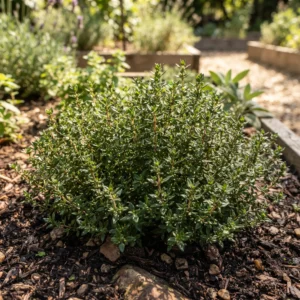
Thyme (Thymus vulgaris) — Respiratory aromatic support. Rich in aromatic compounds such as thymol and carvacrol, thyme is traditionally used when seasonal immune challenges overlap with cough, mucus, or respiratory discomfort.
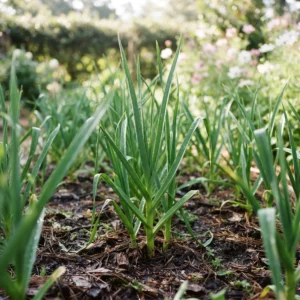
Ginger (Zingiber officinale) — Warming + circulatory support. Ginger adds warming aromatic activity and is particularly useful when seasonal discomfort includes chills, sluggish digestion, nausea, or a desire for a warming tea.
Herbal Synergies & Best Extraction Methods
Astragalus + Reishi + Ginger
Best for: Daily immune resilience, stress-heavy periods, fatigue, and seasonal transitions.
Astragalus provides traditional tonic support, reishi contributes immune-modulating polysaccharides, and ginger adds warmth and digestive compatibility.
Best Preparation: Decoction. Longer simmering suits astragalus root and reishi, while ginger readily extracts into the same warming preparation.
Elderberry + Rosehip + Ginger
Best for: Cold-season wellness, antioxidant support, and feeling mildly run down.
Elderberry and rosehip provide polyphenols and antioxidant-rich fruit constituents, while ginger adds warming aromatic support.
Best Preparation: Decoction. Dried berries and sliced ginger tolerate gentle simmering well and create a practical seasonal preparation.
Echinacea + Elderberry + Thyme
Best for: Short-term support during periods of increased seasonal exposure or the first signs of respiratory discomfort.
Echinacea emphasizes short-term immune support, elderberry adds antioxidant-rich fruit, and thyme provides complementary respiratory aromatic activity.
Best Preparation: Tea + Tincture. Thyme and elderberry work well in water-based preparations, while echinacea’s alkylamides are particularly compatible with alcohol extraction.
Thyme + Ginger + Elderberry
Best for: Scratchy throat, mild chest discomfort, cool weather, and seasonal respiratory irritation.
Thyme adds aromatic respiratory support, ginger provides warmth, and elderberry contributes a complementary fruit-based seasonal component.
Best Preparation: Tea + Tincture. A warm thyme-and-ginger tea provides immediate comfort while a concentrated elderberry or herbal extract adds convenience.
Reishi + Astragalus + Rosehip
Best for: Feeling depleted, slow recovery from stressful periods, and longer-term everyday resilience.
Reishi and astragalus emphasize restorative tonic support, while rosehip contributes nutritive antioxidants and makes the combination less purely medicinal.
Best Preparation: Tea + Extract. Astragalus and rosehip suit tea or decoction, while concentrated reishi extract is a practical way to obtain mushroom constituents.
Available Ready-to-Use Products
If you prefer a ready-made option, these commercially available products contain herbs relevant to the approaches discussed above.
Everyday elderberry support — A simple fruit-based option for seasonal use. Gaia Herbs — Organic Black Elderberry Syrup — Made with organic black elderberry fruit concentrate and acerola, providing a convenient elderberry-centered approach for everyday seasonal support. (Gaia Herbs)
Longer-term resilience — Better suited to ongoing tonic-style support than acute cold symptoms. Gaia Herbs — Astragalus Supreme — Combines astragalus root with schisandra and ligustrum for an adaptogenic, traditional immune-support strategy intended to build over time. (Gaia Herbs)
Short-term seasonal support — Useful when echinacea is the primary herb you want. Gaia Herbs — Echinacea Supreme — Contains Echinacea purpurea root, seed, and aerial parts together with E. angustifolia root in a concentrated capsule formula. (Gaia Herbs)
Mushroom-based daily support — Appropriate when a broad medicinal-mushroom approach is preferred. Host Defense — MyCommunity Capsules — A 17-species mushroom formula designed for year-round immune support and balanced immune response. (Host Defense Mushrooms)
Focused reishi support — A simpler mushroom option for resilience and immune balance. Host Defense — Reishi Capsules — Provides reishi mycelium in capsule form and is positioned for immune balance, stamina, and general wellness. (Host Defense Mushrooms)
Herbal Properties Required
For everyday immune support, the most useful herbal properties may include immune-supportive, adaptogenic, antioxidant, restorative, and respiratory-supportive actions. Adaptogenic and restorative herbs fit longer-term resilience, while echinacea and elderberry are more commonly used around seasonal immune challenges; antioxidant-rich fruits and tonic mushrooms may provide broader nutritional and immune-modulating support rather than simply stimulating immune activity.




Use With Care
- Echinacea may cause allergic reactions, particularly in people sensitive to plants in the daisy/ragweed family.
- Astragalus and immune-active mushrooms deserve extra caution in people with autoimmune conditions or those taking immunosuppressive medications.
- Reishi may interact with medications or be inappropriate in some medical situations; concentrated mushroom extracts should be discussed with a clinician when prescription drugs are involved.
- Elderberry products should use properly prepared ripe fruit. Raw or inadequately prepared elder plant parts can contain cyanogenic compounds and should not be casually consumed.
- Pregnancy and breastfeeding require extra caution with concentrated echinacea, astragalus, reishi, and multi-herb immune formulas.
If you take prescription medication, are pregnant or breastfeeding, or have a medical condition, check with a qualified healthcare professional before using concentrated herbal products.
When to Get Medical Help
Seek medical evaluation if you experience:
- Trouble breathing, shortness of breath, or chest pain.
- High or persistent fever or rapidly worsening symptoms.
- Severe weakness, confusion, fainting, or signs of dehydration.
- Symptoms that persist longer than expected or improve and then significantly worsen.
- Repeated or unusually frequent infections that may indicate an underlying medical problem.
Persistent, severe, unusual, or worsening symptoms should be evaluated by a healthcare professional.
Frequently Asked Questions
What is the best herb for everyday immune support?
For ongoing resilience, astragalus is one of the more traditional choices, while reishi is often used as an immune-modulating tonic. Echinacea is generally better suited to shorter-term seasonal use rather than being the default daily herb for everyone. NCCIH notes that clinical evidence for astragalus remains insufficient. (NCCIH)
Is elderberry good for everyday use?
Elderberry can be used as a food-like seasonal supplement, particularly in syrups and teas. Research suggests possible benefit for upper-respiratory symptoms, but systematic reviews emphasize that the evidence remains uncertain and does not establish that elderberry prevents respiratory infections. (NCCIH)
Should I use echinacea every day?
Echinacea is usually more logical as a short-term seasonal herb than as the foundation of a year-round routine. For longer-term support, herbs such as astragalus or food-like antioxidant sources may make more sense depending on the person and medical history.
Is tea or tincture better for immune herbs?
It depends on the herb. Astragalus, rosehip, ginger, thyme, and many mushroom polysaccharides suit hot-water preparations, while alcohol extraction is useful for echinacea alkylamides and other constituents. Mixed formulas may therefore work best as tea + tincture or tea + extract.
Can herbs prevent me from getting sick?
Herbs should not be relied on to prevent infection. Sleep, adequate nutrition, vaccination when appropriate, hand hygiene, exercise, and medical care remain more important. Herbal products may provide supportive care, but evidence varies considerably by herb and preparation.
References
National Center for Complementary and Integrative Health — Elderberry: Usefulness and Safety
Read the NCCIH elderberry overview (NCCIH)
National Center for Complementary and Integrative Health — Astragalus: Usefulness and Safety
Read the NCCIH astragalus overview (NCCIH)
Wieland et al. — Elderberry for Prevention and Treatment of Viral Respiratory Illnesses: A Systematic Review
View the PubMed record (PubMed)
Shah et al. — Evaluation of Echinacea for the Prevention and Treatment of the Common Cold: A Meta-analysis
View the PubMed record (PubMed)
Chen et al. — Immune Modulation by Reishi-Derived Beta-Glucan in Healthy Adults: Randomized Controlled Trial
View the PubMed record (PubMed)
Jafari et al. — Ganoderma lucidum and Human Health: Systematic Review and Meta-analysis of Clinical Trials
View the PubMed record (PubMed)
Mármol et al. — Bioactive Properties and Applications of Rosa canina and Its By-products
View the PubMed record (PubMed)
Disclaimer
For educational purposes only. This information is not intended to diagnose, treat, cure, or prevent disease. Herbal products may cause side effects or interact with medications. Consult an appropriate healthcare professional if you have a medical condition, take medication, are pregnant or breastfeeding, or have persistent or concerning symptoms.