

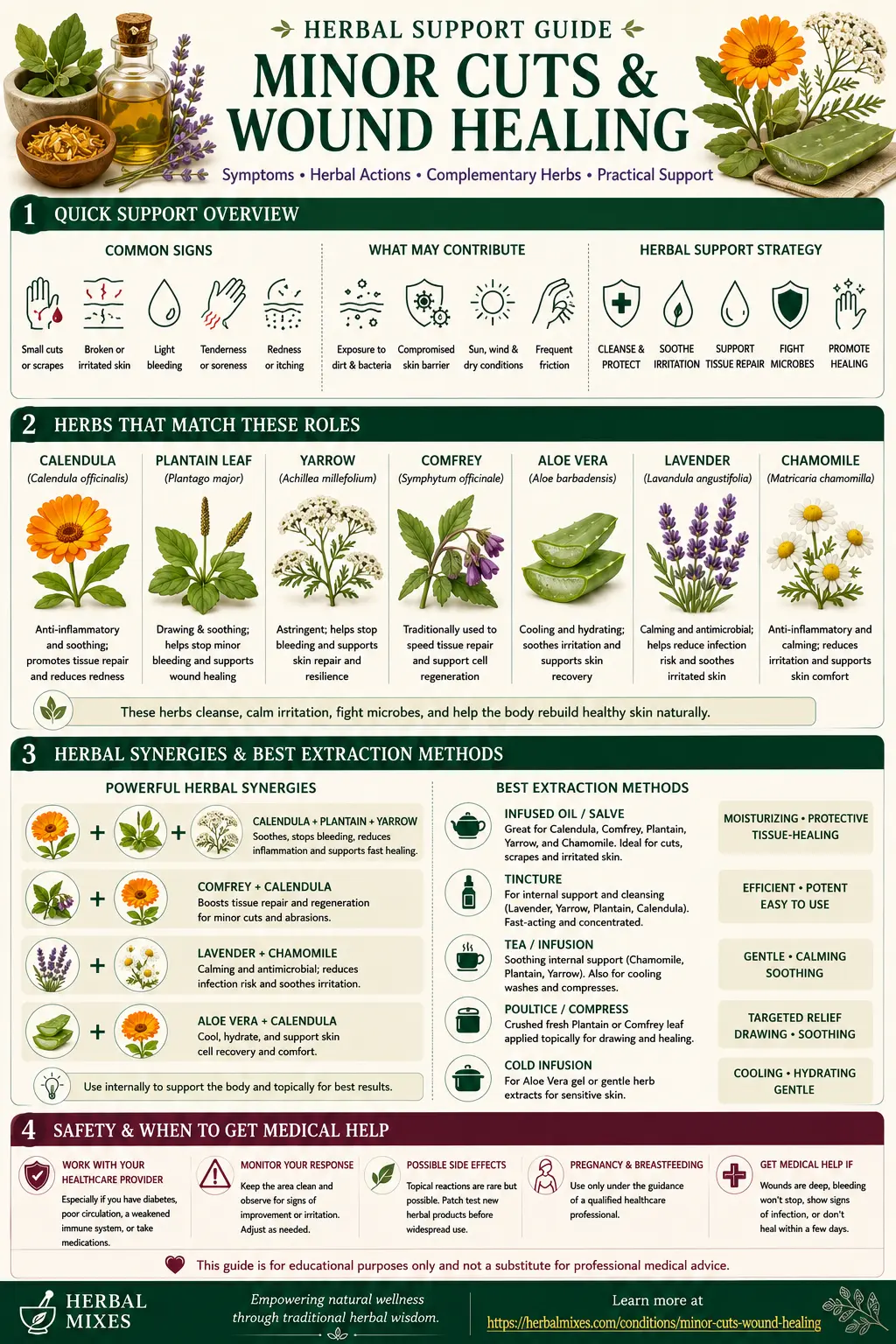
Herbal support for minor skin injuries combines styptic herbs for initial bleeding control, vulneraries for skin regeneration, and antimicrobial botanicals to maintain a clean healing environment. The specific choice of herbs depends heavily on whether fresh bleeding, open abrasion repair, or scar tissue conditioning is the primary focus.
Learn more about these herb:
Available Ready-to-Use Products
If you prefer a ready-made option, these commercially available products contain herbs relevant to the approaches discussed above.
Botanical First-Aid Skin Ointment — Soothing herbal salve designed for minor cuts, scrapes, and skin irritations. Earth Mama Organics — Organic First Aid Ointment — Certified organic herbal blend featuring calendula, chickweed, and plantain to soothe and support minor skin injuries.
Traditional Skin Repair & Wound Salve — Classic herbal ointment for tissue recovery and surface protection. Burt’s Bees — Res-Q Ointment — Concentrated comfrey leaf and botanical oil formulation supports the natural healing of minor scrapes and skin abrasions.
Gotu Kola Tissue & Scar Support — Concentrated herbal extract for skin integrity and collagen maintenance. Nature’s Answer — Gotu Kola Alcohol-Free Extract — Fluid extract supports healthy circulation, skin elasticity, and structural tissue repair.
Calendula First-Aid Skin Care — Gentle homeopathic and herbal topical cream for minor wound recovery. Boiron — Calendula Cream — Pure calendula officinalis formula soothes irritated skin, minor cuts, and superficial scrapes.
Herbal Synergies & Best Extraction Methods
Calendula + Comfrey + Plantain
Best for: Slow-healing abrasions, minor skin tears, and surface cuts requiring rapid tissue regeneration. Calendula prevents secondary irritation and repairs skin cells, comfrey accelerates cellular division via allantoin, and plantain cools and protects the wound.Best Preparation: Oil Infusion or Salve (Topical). Fat-soluble active constituents extract efficiently into carrier oils to create rich, healing salves for direct skin application.
Yarrow + Plantain + Calendula
Best for: Fresh minor cuts, superficial scrapes, and minor bleeding requiring immediate cleansing and clotting support. Yarrow acts as a natural styptic to stop surface bleeding, plantain cools the surrounding skin, and calendula sets a clean foundation for healing.Best Preparation: Topical Compress or Wash (Infusion). Applying a clean, cooled herbal infusion directly to the fresh scrape helps cleanse and soothe the area.
Gotu Kola + Calendula + St. John’s Wort
Best for: Healing cuts prone to sharp discomfort, tender skin tissue, and supporting smooth scar recovery. Gotu kola boosts collagen synthesis for strong skin repair, st. john’s wort soothes minor nerve endings, and calendula promotes overall tissue health.Best Preparation: Infused Herbal Oil or Salve. Delivers concentrated active botanicals directly into recovering skin layers through gentle massage.
Comfrey + Calendula + Gotu Kola
Best for: Deep superficial scrapes, stubborn minor wounds, and comprehensive skin barrier restoration. Comfrey drives rapid cellular proliferation, supported by calendula’s antimicrobial defense and gotu kola’s structural collagen reinforcement.Best Preparation: Salve or Ointment. A wax-and-oil base locks the healing botanicals onto the skin for prolonged protective contact.
Herbal Properties Required
For minor cuts and wound healing, the most useful herbal properties are typically vulnerary, antiseptic, antimicrobial, astringent, and demulcent. Vulnerary herbs accelerate cellular proliferation and skin repair, while antiseptic and antimicrobial actions protect the wound from secondary irritation, whereas astringents help contract weeping tissues to encourage clean scab formation.






Herbs With These Properties
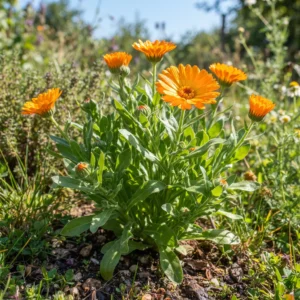
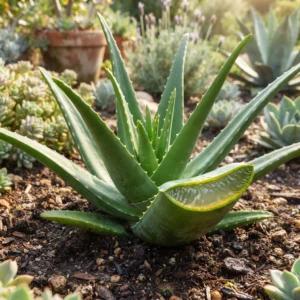
Calendula (Calendula officinalis) — Tissue regeneration + antimicrobial soothing. A bright resinous marigold blossom rich in triterpenoid saponins and flavonoids; exceptional for supporting the rapid repair of minor cuts, abrasions, and irritated skin tissue.
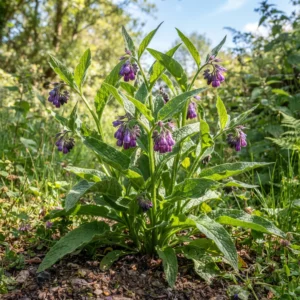
Comfrey (Symphytum officinale) — Allantoin-rich cellular proliferation + deep repair. A broad-leaved perennial containing high concentrations of allantoin; traditionally used in external salves to dramatically accelerate the healing of skin and minor surface tissue.
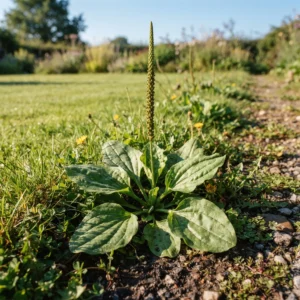
Plantain (Plantago major) — Drawing action + cooling mucosal relief. A ubiquitous resilient yard leaf rich in mucilage and aucubin; excellent for drawing out minor irritants, cooling localized inflammation, and soothing scraped skin.
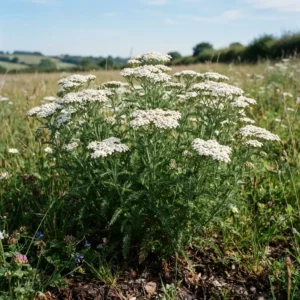
Yarrow (Achillea millefolium) — Styptic action + wound cleansing. A feathery-leaved field plant containing volatile oils and tannins; traditionally used topically to quickly staunch minor surface bleeding and promote clean tissue healing.
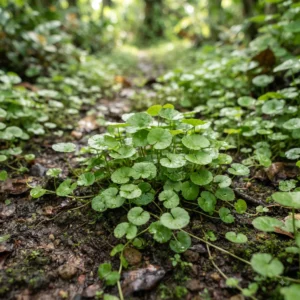
Gotu Kola (Centella asiatica) — Collagen synthesis + skin structural support. A delicate trailing tropical leaf rich in triterpenoid glycosides (asiaticoside); widely utilized to support healthy collagen production and minimize scarring during skin recovery.
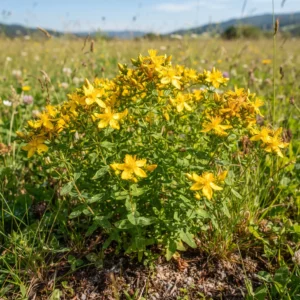
St. John’s Wort (Hypericum perforatum) — Nerve-rich soothing + vulnerable tissue repair. A golden-flowered plant containing hypericin and hyperforin; exceptional for soothing sharp nerve discomfort associated with minor cuts and deep scrapes.
Use With Care
- Never apply comfrey or strong cellular-proliferation salves to deep, uncleaned puncture wounds or actively bleeding cuts, as sealing a wound too quickly before it is clean can trap bacteria underneath.
- Limit comfrey use to unbroken skin or minor superficial scrapes once active bleeding has stopped, due to safety considerations regarding internal exposure.
- Discontinue topical use immediately if localized allergic dermatitis, redness, or skin irritation occurs.
- Consult a healthcare professional if a minor cut shows signs of infection or fails to heal properly within a few days.
- If you take prescription medication, are pregnant or breastfeeding, or have a medical condition, check with a qualified healthcare professional before using concentrated herbal products.
When to Get Medical Help
Seek medical evaluation if you experience:
- Deep, gaping, or jagged cuts that may require stitches, surgical glue, or professional wound cleaning.
- Uncontrolled bleeding that does not slow down or stop after 10–15 minutes of continuous, firm direct pressure.
- Signs of a spreading infection, such as pus, red streaks radiating from the wound, increasing warmth, swelling, or a fever.
- Wounds caused by animal bites, dirty rusty metal, or deep puncture hazards requiring tetanus evaluation.Persistent, severe, unusual, or worsening symptoms should be evaluated by a healthcare professional.
Frequently Asked Questions
What is the best herb for healing minor skin cuts?
Calendula officinalis is widely regarded as the premier herb for minor skin cuts and scrapes. Its rich triterpenoid content supports clean microbial balance, reduces local inflammation, and accelerates the rate at which new, healthy skin cells form.
Why should comfrey only be used after bleeding stops?
Comfrey contains high concentrations of allantoin, which stimulates extremely rapid skin cell division and tissue growth. If applied to a fresh, bleeding cut before it is thoroughly cleaned and clotted, it can cause the surface skin to close over dirt or bacteria, potentially trapping an infection inside.
How does Gotu Kola support skin and scar recovery?
Gotu kola contains specialized active compounds called triterpenoids that stimulate fibroblast activity and enhance collagen synthesis. This structural support helps wounds heal with greater tensile strength and minimizes the appearance of scars.
Why are oil-based salves preferred for skin healing over water lotions?
Most key healing constituents found in herbs like calendula, comfrey, and gotu kola are fat-soluble. Extracting them into natural carrier oils and beeswax creates a protective, breathable barrier that keeps the wound nourished while shielding it from environmental moisture loss.
References
National Center for Complementary and Integrative Health (NCCIH) — Herbs at a Glance: NCCIH Overview PubMed — Calendula officinalis and Wound Healing Activity: PubMed Review PubMed — Centella asiatica in Skin Healing and Collagen Synthesis: PubMed Central Review American Botanical Council — Comfrey and Vulnerary Actions Monograph: HerbalGram Reference
Disclaimer
For educational purposes only. This information is not intended to diagnose, treat, cure, or prevent disease. Herbal products may cause side effects or interact with medications. Consult an appropriate healthcare professional if you have a medical condition, take medication, are pregnant or breastfeeding, or have persistent or concerning symptoms.