

Ginger, elderflower, and peppermint create a balanced seasonal tea by combining warming spice, delicate floral character, and refreshing mint. Ginger gives the blend depth and warmth, while elderflower and peppermint keep it aromatic and lighter on the palate.
The herbs also require slightly different handling, making preparation an important part of getting the most from this combination.
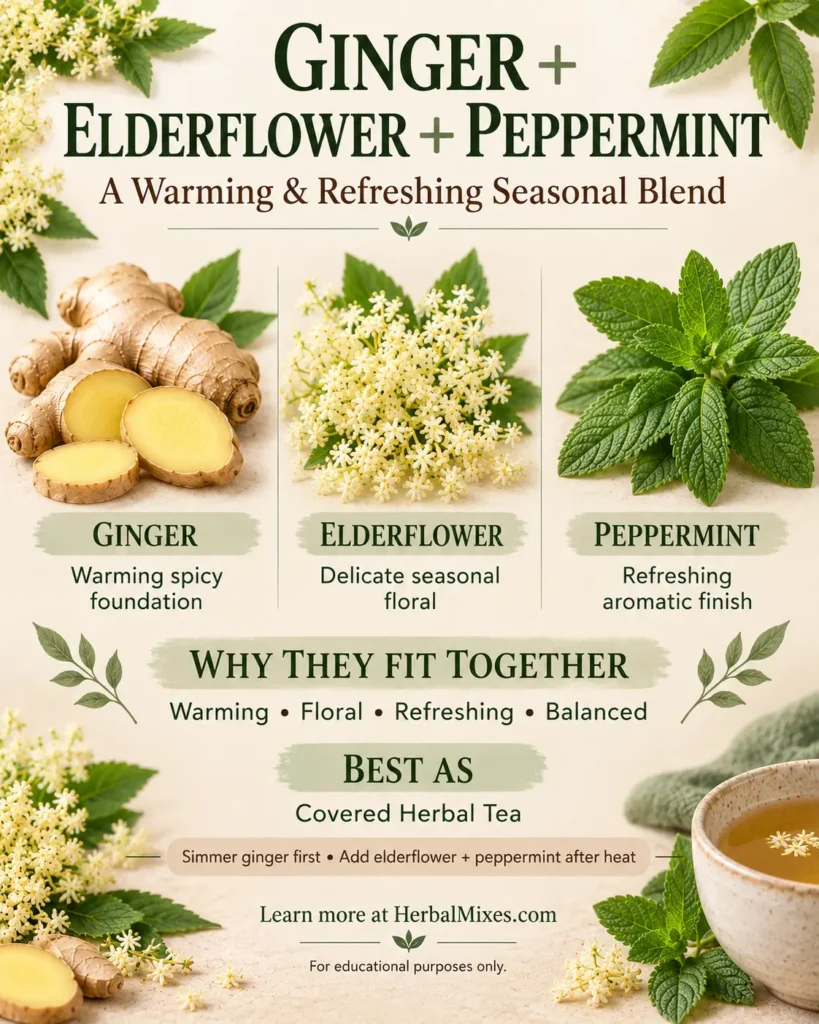
Why These Herbs Work Well Together
The strength of this blend is contrast: ginger provides warmth and pungency, while elderflower and peppermint provide lighter aromatic qualities.
| Herb | Role in the Combination |
|---|---|
| Ginger | Creates the warming, spicy foundation and contributes digestive character. |
| Elderflower | Adds a delicate floral component traditionally used in seasonal herbal preparations. |
| Peppermint | Adds a cooling, refreshing aromatic finish and traditional digestive support. |
Ginger — The Warming Foundation
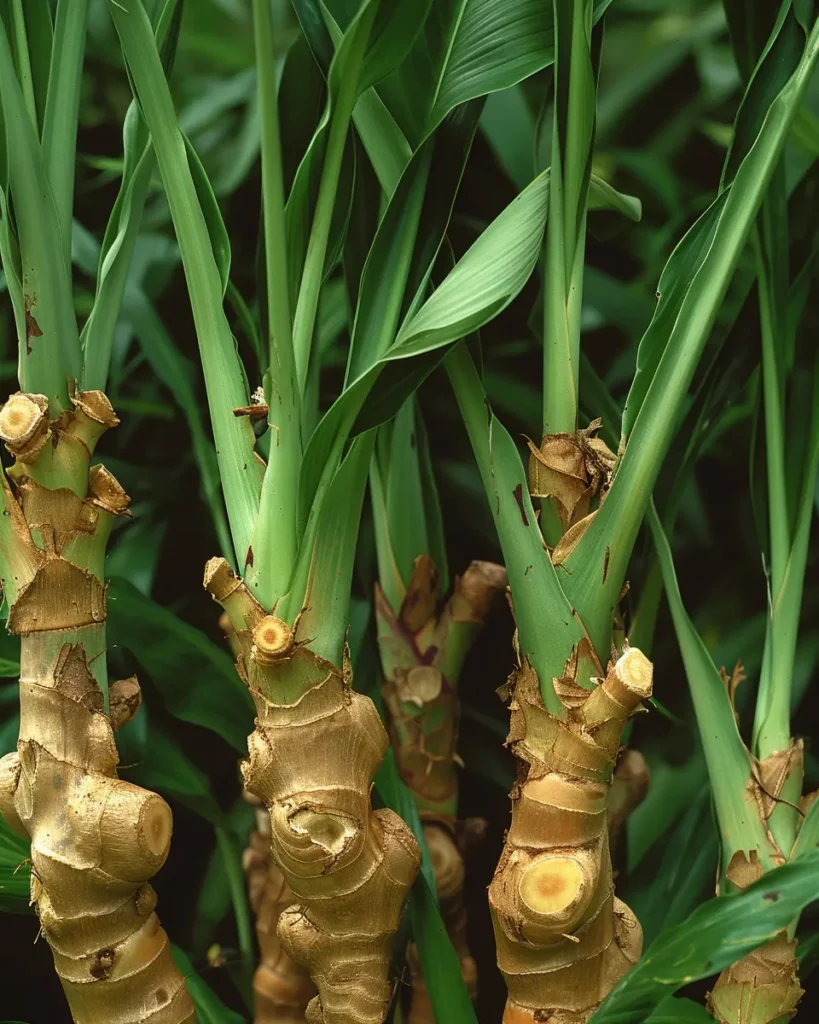
Ginger (Zingiber officinale) is the dense rhizome in the formula and gives the tea its warming, spicy character. EMA recognizes ginger preparations for several uses depending on preparation, including traditional use for mild gastrointestinal complaints such as bloating and flatulence and relief of common-cold symptoms.
In this blend, ginger’s most practical role is to create warmth and body while preventing the delicate floral and mint flavors from making the tea feel too light.
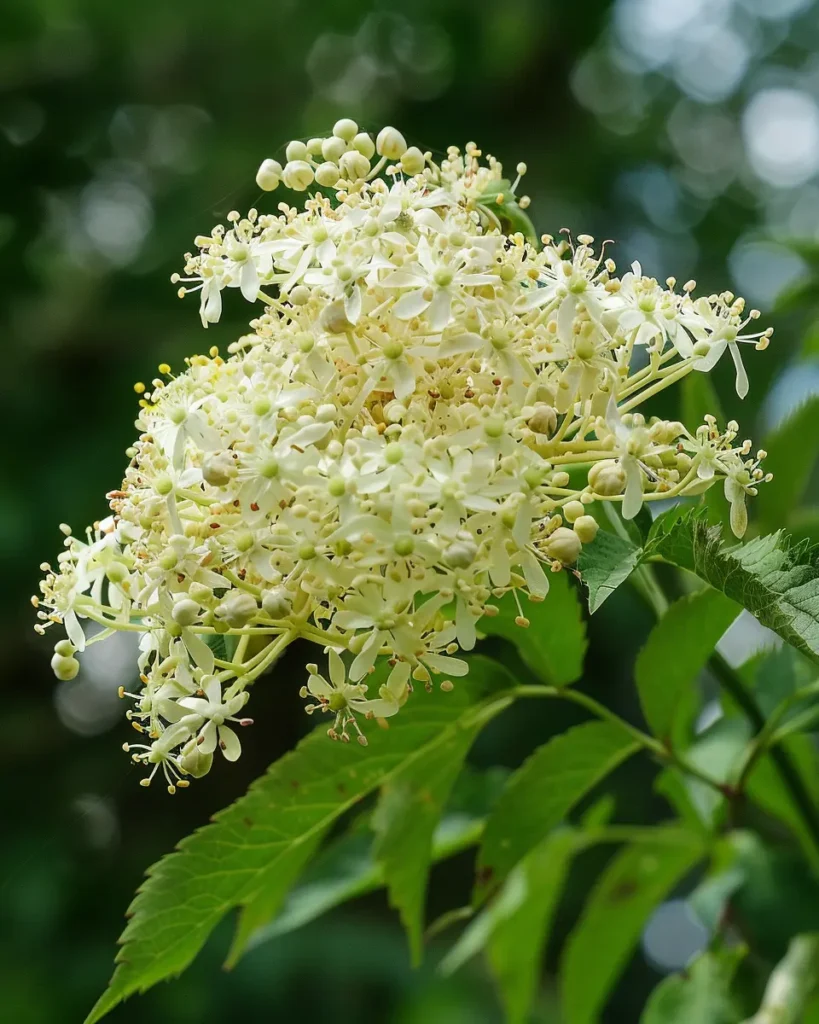
Elderflower is the flower of European black elder (Sambucus nigra). Unlike elderberry, the flower—not the fruit—is used here.
Elderflower — The Floral Seasonal Herb
EMA recognizes elderflower preparations for traditional use in relieving early symptoms of the common cold, while also noting the lack of clinical studies. In this formula, elderflower contributes the gentle floral, seasonal-herbal character rather than acting as a proven treatment for respiratory infection.
Peppermint — The Refreshing Aromatic
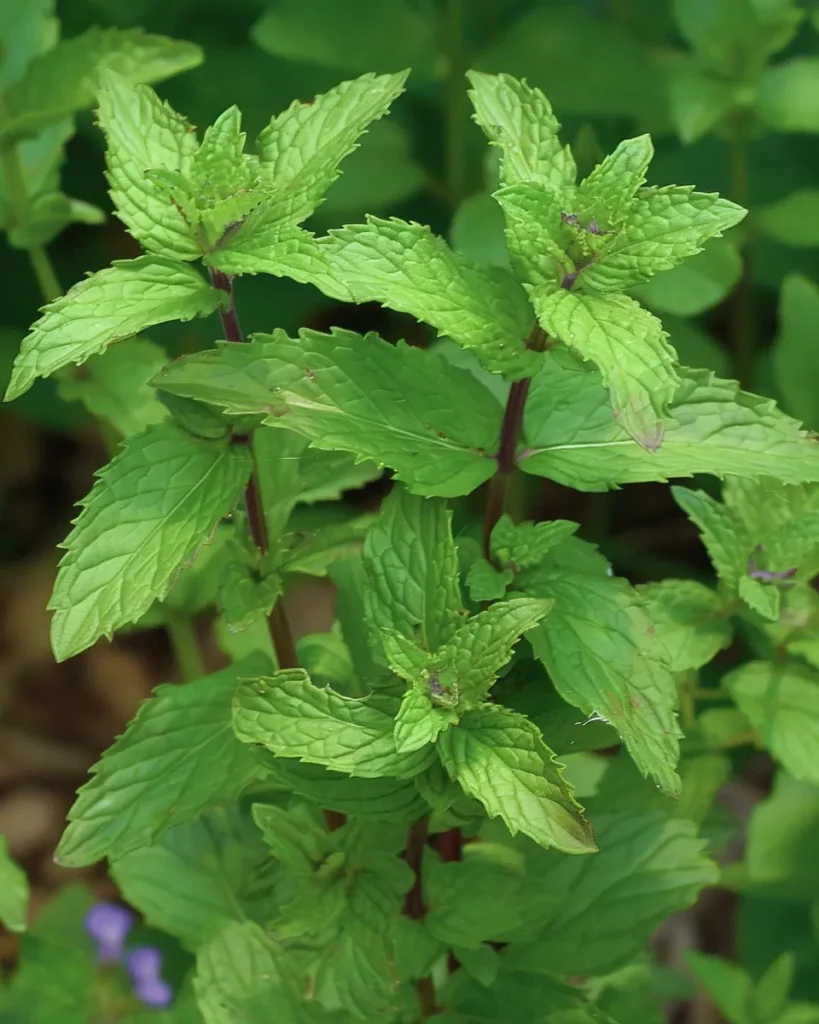
Peppermint (Mentha × piperita) contributes menthol-rich aroma and a distinctly cooling, fresh finish that contrasts with ginger’s heat.
Peppermint leaf has a long tradition of digestive use. EMA recognizes peppermint leaf preparations for traditional relief of digestive problems such as indigestion and flatulence. Research on peppermint leaf tea itself remains limited, and evidence involving concentrated peppermint oil should not automatically be applied to peppermint tea.
Why the Combination Makes Sense
The formulation works because the three herbs do different jobs.
Ginger provides warmth.
Elderflower provides a delicate floral middle note.
Peppermint provides a bright, cooling aromatic finish.
This creates a more balanced sensory profile than using ginger or peppermint alone. Ginger can feel intensely hot and pungent; peppermint can feel strongly cooling; elderflower sits between them and softens the contrast.
The combination also fits seasonal routines well. Elderflower has a long history of traditional use around early cold symptoms, ginger contributes warming character, and peppermint can make a hot herbal drink feel fresher while also fitting after-meal digestive use.
Research exists for the individual herbs, but the exact ginger + elderflower + peppermint combination has not been established as a clinically proven synergy. The rationale is primarily traditional, practical, and formulation-based.
Best Way to Prepare the Combination
Best overall preparation: Short ginger decoction + covered elderflower and peppermint infusion
This combination illustrates why not every herb belongs in the pot for the same amount of time.
Ginger is a firm rhizome and tolerates gentle simmering. Elderflower and peppermint are delicate aromatic plant materials containing volatile compounds that are better suited to a shorter infusion.
The practical solution is simple: simmer the ginger first, remove the pan from the heat, then add elderflower and peppermint and cover while they steep.
This gives ginger enough extraction time without unnecessarily boiling the aromatic herbs.
Simple Herbal Combination
A practical starting blend is:
- 1 part ginger
- 1 part elderflower
- 1 part peppermint
For a softer mint flavor:
- 1 part ginger
- 1 part elderflower
- ½ part peppermint
This is a practical formulation starting point, not a clinically established therapeutic ratio.
Fresh ginger varies considerably in pungency, so adjust the amount according to taste rather than assuming a stronger tea is necessarily better.
Make It Yourself
What You’ll Need
- 1–2 teaspoons sliced or grated fresh ginger
- 1 teaspoon dried elderflower
- ½–1 teaspoon dried peppermint leaf
- 2 cups water
- Honey or lemon, optional
Basic Method
- Add the ginger and water to a small saucepan.
- Bring to a gentle simmer and cook for about 5–10 minutes.
- Remove from the heat.
- Add elderflower and peppermint, immediately cover, and steep for another 5–10 minutes.
- Strain thoroughly and serve warm.
- Add honey or lemon if desired.
[See the Complete Ginger + Elderflower + Peppermint Tea Recipe → NEW PAGE OPPORTUNITY]
Preparation Notes
Simmer the Ginger First
Fresh or dried ginger rhizome is much denser than elderflower or peppermint leaf.
A brief simmer helps produce the warming ginger foundation without requiring prolonged boiling of the entire blend.
Add Elderflower After the Heat Is Off
Elderflowers are delicate.
Rather than simmering them aggressively with the ginger, add them after removing the pan from direct heat and allow them to steep under cover.
Add Peppermint Last
Peppermint’s distinctive aroma comes largely from volatile constituents.
A short covered infusion helps retain more of the aromatic character than prolonged uncovered boiling.
Keep the Cup or Pan Covered
Once elderflower and peppermint have been added, cover the preparation.
The goal is to reduce the loss of volatile aromatic compounds with escaping steam.
What to Avoid
- Boiling peppermint and elderflower for a long time
- Confusing elderflower with elderberry
- Using elder leaves, stems, or other unidentified elder plant parts
- Substituting peppermint essential oil for peppermint leaf tea
- Making the blend unnecessarily ginger-heavy
- Claiming the combination prevents or treats colds or influenza
Learn More About These Herbs In Action
Fever Support → — Explore elderflower, peppermint, ginger, yarrow, and other herbs traditionally used in seasonal comfort preparations.
Seasonal Immune Problems → — See how ginger, elderflower, peppermint, and other herbs fit into broader seasonal herbal routines.
Safety
For ordinary tea use, the three herbs are generally approached differently from concentrated extracts or essential oils.
Peppermint tea appears to be generally safe, but peppermint may aggravate heartburn or reflux in some people. Peppermint essential oil is far more concentrated than peppermint leaf tea and should not be treated as interchangeable with the herb.
Ginger can cause abdominal discomfort, heartburn, diarrhea, or mouth and throat irritation in some people. Concentrated ginger supplements deserve more medication-interaction attention than modest culinary or tea amounts.
EMA’s elderflower monograph covers dried flowers and preparations from Sambucus nigra. Use correctly identified elderflowers rather than experimenting with leaves, stems, unripe berries, or unidentified elder species.
For medicinal use during pregnancy or breastfeeding, or when taking prescription medication, discuss concentrated herbal preparations with an appropriate healthcare professional.
For children, do not simply scale down an adult medicinal preparation. EMA’s traditional-use elderflower monograph applies to adults and adolescents over 12; product-specific age instructions should be followed.
When to Seek Medical Care
A warm herbal tea may be comforting during seasonal illness, but it does not treat influenza or other serious respiratory infections.
Seek medical attention for difficulty breathing, chest pain, confusion, severe dehydration, bluish or gray lips, severe weakness, persistent high fever, or symptoms that are rapidly worsening.
Medical advice is also appropriate when cold-like symptoms persist longer than expected, improve and then become substantially worse, or occur in someone at elevated risk of complications.
Frequently Asked Questions
Can ginger, elderflower, and peppermint be used together?
They can be combined in an ordinary herbal tea when each ingredient is appropriate for the person using it. Their complementary use is based mainly on traditional herbal practice, flavor, and preparation compatibility rather than clinical research on the exact three-herb formula.
What is the best way to prepare them?
Simmer ginger briefly first. Then remove the pot from the heat, add elderflower and peppermint, cover, and allow the delicate herbs to infuse.
Why shouldn’t I boil all three together?
Ginger tolerates simmering well, but elderflower and peppermint are more delicate aromatic herbs. Adding them later helps preserve their aroma and makes a more balanced tea.
Is this a warming or cooling tea?
It contains both qualities. Ginger contributes noticeable warmth, while peppermint creates a cooling sensory effect. Elderflower provides a lighter floral middle note.
Is elderflower the same as elderberry?
No. Both can come from Sambucus nigra, but elderflower is the flower, while elderberry is the fruit. They have different culinary uses, preparations, and evidence bases.
Can I use peppermint essential oil instead of peppermint leaves?
No. Peppermint essential oil is highly concentrated and is not equivalent to peppermint leaf tea. Use dried or fresh peppermint leaf for this preparation.
Does this tea prevent colds or flu?
There is no good evidence showing that this exact combination prevents colds or influenza. EMA recognizes elderflower for traditional use in early common-cold symptoms, but specifically notes the lack of clinical studies supporting that traditional use.
References & Evidence
European Medicines Agency (EMA)
Sambuci flos — Elder Flower
EMA recognizes elderflower preparations for traditional use in relief of early common-cold symptoms and notes that this conclusion is based on long-standing use rather than clinical-trial evidence.
European Medicines Agency (EMA)
Zingiberis rhizoma — Ginger
EMA’s current ginger monograph distinguishes evidence-supported and traditional uses according to the ginger preparation and indication.
National Center for Complementary and Integrative Health (NCCIH)
Ginger: Usefulness and Safety
NCCIH summarizes human research on ginger, including evidence and safety considerations for different uses.
European Medicines Agency (EMA)
Menthae piperitae folium — Peppermint Leaf
EMA recognizes peppermint leaf preparations for traditional use in digestive complaints such as indigestion and flatulence.
National Center for Complementary and Integrative Health (NCCIH)
Peppermint Oil: Usefulness and Safety
NCCIH distinguishes research on concentrated peppermint oil from the much more limited research on peppermint leaf and notes that peppermint tea appears generally safe.
Disclaimer
For educational purposes only. This information is not intended to diagnose, treat, cure, or prevent disease. Herbal products may cause side effects or interact with medications. Consult an appropriate healthcare professional if you have a medical condition, take medication, are pregnant or breastfeeding, or have persistent or concerning symptoms.