


Know Your Stress. Ease It Naturally.
From everyday pressure to chronic overload — learn to recognize each type of stress, and discover the herbs and remedies traditionally used to ease it.
Herbalism doesn’t fight stress — it helps your body handle it, using adaptogens (stress-adapting herbs) and nervines (nervous-system soothers) to restore balance.
Herbs Used to Ease Stress
No Posts Found
Herbal Recipes for Stress Relief
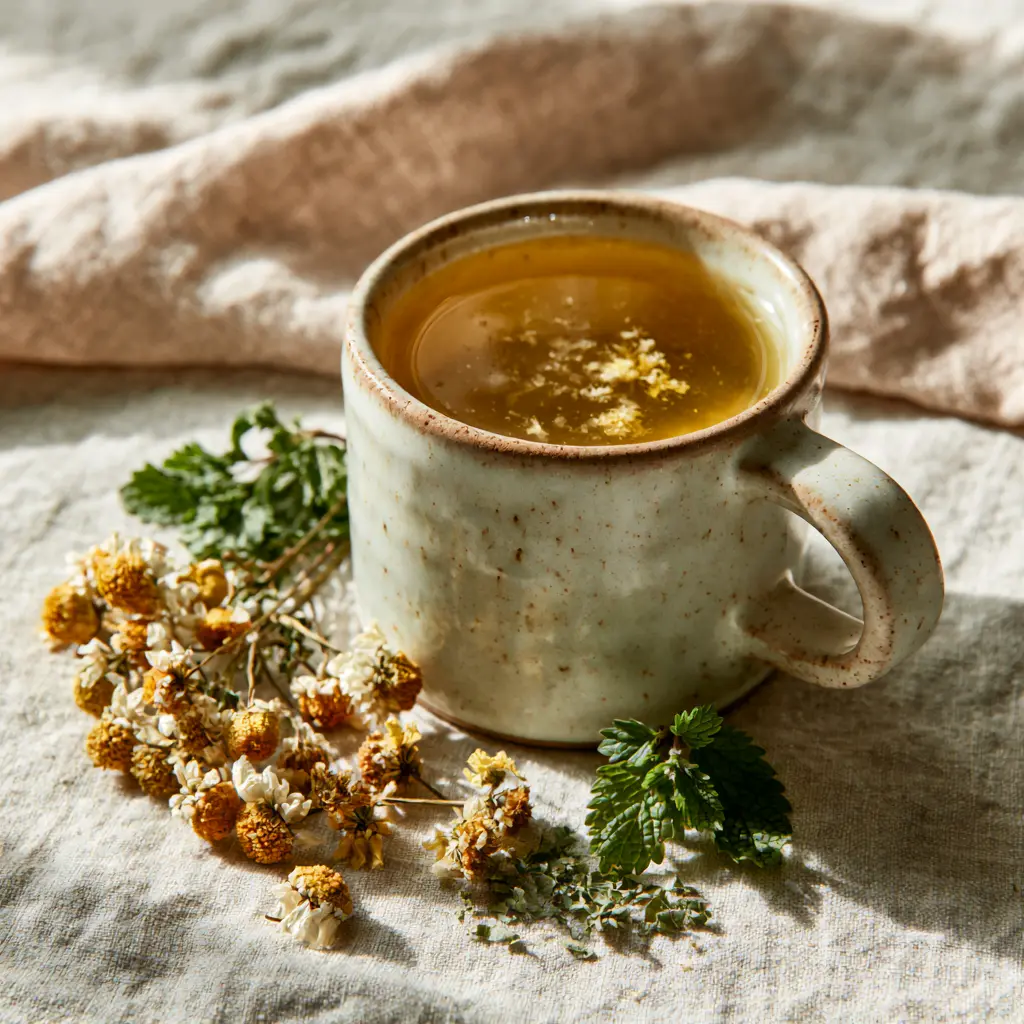
- Condition: Stress (acute, restless or digestive-related)
- Prep time: 15 minutes
- Best taken: Afternoon or evening
Indgredients
– Dried lemon balm – 1 teaspoon
– Dried chamomile – 1 teaspoon
– Hot water — 1 cup
– Honey — 1 teaspoon, optional
Preparation
1. Place lemon balm and chamomile in a mug.
2. Pour hot water over the herbs.
4. Cover and steep for 10 to 15 minutes.
5. Strain well. Add honey if desired.
Dosage & Usage: Sip warm in the afternoon or evening when you want a gentle calming ritual. This tea can be enjoyed as needed rather than on a strict schedule.
No Posts Found
See more recipes for stress relief…
Explore Every Type of Stress
No Posts Found
Stress at a Glance
| Type of stress | How it shows up |
|---|---|
| Acute stress | Racing heart, tense muscles, quick to pass |
| Anxiety | Persistent worry, body on high alert |
| Burnout | Drained energy, motivation, and focus |
| Chronic stress | Wears you down over weeks or months |
| Digestive stress | Gut tightens, digestion feels off |
| Emotional stress | Grief, conflict, or overwhelm sitting in the body |
| Scattered stress | Focus pulled in every direction at once |
| Sleep disruption | Racing thoughts at night, restless sleep |
Frequently Asked Questions
1. What are the main types of stress?
The main types include acute stress, chronic stress, anxiety, burnout, sleep disruption, digestive stress, emotional stress, and scattered stress. Each shows up differently in the body and mind, though they often overlap.
2. What’s the difference between stress and anxiety?
Stress is usually a response to a specific trigger and tends to ease once that trigger passes. Anxiety often lingers, showing up as persistent worry even without a clear, present cause.
3. How does herbalism approach stress?
Herbalism views stress as a disruption to the body’s natural balance. Rather than eliminating stress itself, herbs like adaptogens and nervines are traditionally used to support the nervous system and help the body build resilience.
4. Can herbal remedies help with chronic stress?
Certain herbs, particularly adaptogens like ashwagandha and rhodiola, are traditionally used to support the body through prolonged stress. They’re not a quick fix — they work gradually, alongside rest and lifestyle changes.
5. Are herbal remedies for stress safe for everyone?
Not necessarily. Some herbs aren’t recommended during pregnancy, breastfeeding, or alongside certain medications. Always consult a healthcare professional before starting an herbal remedy, especially if you’re managing a health condition.
6. When should I see a doctor about stress?
If stress is persistent, overwhelming, or affecting your daily life, sleep, or health, it’s worth speaking with a healthcare provider. Herbal remedies can support wellbeing but aren’t a substitute for professional care.
For educational purposes only — not medical advice. Consult a healthcare professional before using any herbal remedy, especially if pregnant, breastfeeding, or managing a health condition.