


Mullein is a tall biennial plant with large, soft, fuzzy leaves and bright yellow flowers. Herbalists have long used the leaf and flower, especially in teas, syrups, oils, and soothing respiratory blends.
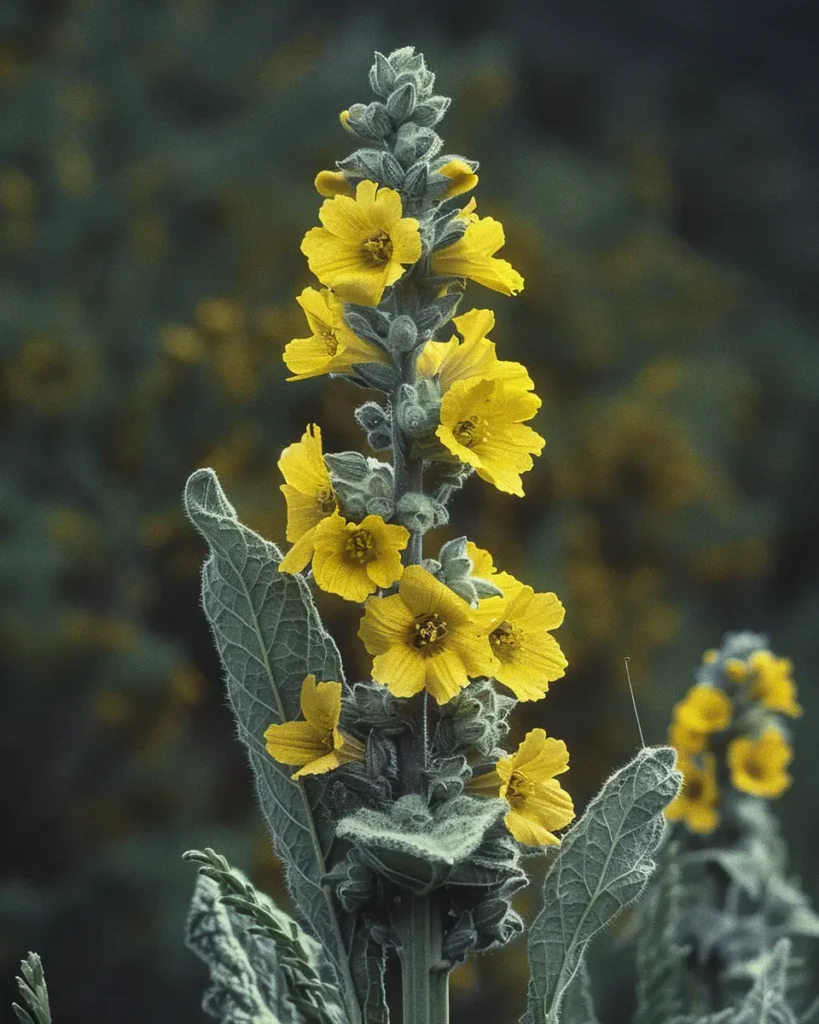
Mullein (Verbascum thapsus)
Traditional Uses of Mullein
Respiratory System: Mullein leaf is traditionally used for dry, irritated, or heavy-feeling respiratory passages. Its soft, fuzzy leaves give a good clue to its gentle, soothing personality.
Throat Comfort: Mullein flower and leaf are commonly used in warm infusions to support throat comfort, especially when the throat feels dry or scratchy.
Ear and Skin Preparations: Mullein flower-infused oil has a long folk tradition for external ear and skin use, though ear concerns should always be evaluated carefully.
Gentle Tissue Support: Mullein is valued as a demulcent and mild expectorant, meaning it both soothes and supports the body’s natural clearing process.
“Mullein is the soft wool blanket of the herb garden, especially when the breath wants gentleness.”
Available Mullein Products
Dried Mullein Leaf
Dried mullein leaf is the most common form for tea and respiratory blends. Look for green-gray leaf pieces with a fresh, mild scent, not dusty brown material.
Dried Mullein Flower
Mullein flowers are used in teas, oils, and traditional ear oil preparations. They are delicate and should be dried and stored carefully because they fade quickly.
Mullein Tea
Mullein tea is made from dried leaf, flower, or both. It should always be strained through a fine cloth or coffee filter because the tiny leaf hairs can irritate the throat.
Mullein Tincture
Mullein tincture is a liquid extract made with alcohol and water. It is convenient when someone wants a shelf-stable respiratory herb preparation without brewing tea.
Mullein Capsules
Capsules may contain powdered mullein leaf or extract. They are convenient, but they miss the warm, soothing quality of tea and should be taken with enough water.
Mullein Syrup
Mullein syrup is usually made from a strong infusion combined with honey or another sweetener. It is commonly used in traditional respiratory-support recipes.
Mullein Flower Oil
Mullein flower oil is an infused oil made by steeping fresh or dried flowers in a carrier oil. It is used externally and should never be placed into the ear if there is pain, drainage, suspected infection, or a possible ruptured eardrum.
Mullein Powder
Mullein powder may be used in capsules or formulas. Because the leaf hairs can be irritating, powder is not usually the friendliest form for direct use.
Key Herbal Actions
Mullein is known as a demulcent, expectorant, antitussive-supportive herb, vulnerary, anti-inflammatory, lymphatic, mild astringent, antioxidant, and respiratory tonic.
Demulcent
A demulcent herb soothes irritated tissues with softening, mucilage-like compounds. Mullein leaf is traditionally used when the throat or respiratory passages feel dry, scratchy, or irritated.
Expectorant
An expectorant supports the body’s natural clearing of mucus from the respiratory tract. Mullein is considered gentle, making it useful in blends where strong stimulation is not desired.
Antitussive-Supportive Herb
Antitussive-supportive herbs are traditionally used to calm an irritated cough reflex. Mullein does not “turn off” coughing, but it may support comfort when dryness and irritation are part of the picture.
Vulnerary
A vulnerary herb traditionally supports tissue comfort and repair. Mullein flower and leaf have been used in folk preparations for skin and minor tissue irritation.
Anti-inflammatory
Mullein contains flavonoids, phenylethanoid glycosides, and other compounds studied for their relationship to inflammatory pathways. This supports its traditional use, but it should not be framed as a treatment for inflammatory disease.
Lymphatic
Herbalists sometimes describe mullein as gently lymphatic, especially for the throat, neck, and chest area. This is a traditional herbal concept rather than a direct medical claim.
Mild Astringent
Mullein contains tannins, which gently tone tissues. This action is mild compared with strongly astringent herbs like oak bark or witch hazel.
Antioxidant
Mullein contains antioxidant plant compounds, including flavonoids and phenolic compounds. These compounds help explain some of the plant’s modern research interest.
Respiratory Tonic
A respiratory tonic is traditionally used to support respiratory tissue over time. Mullein leaf is one of the classic herbs in this category because of its soothing and expectorant qualities.
Active Compounds and Extraction
Mullein contains mucilage, saponins, flavonoids, phenylethanoid glycosides, iridoid glycosides, tannins, volatile compounds, polysaccharides, minerals, and carotenoids.
Mucilage
Mucilage is a soft, water-loving plant fiber that gives herbs a soothing quality. In mullein, mucilage helps explain its traditional use for dry throat and respiratory comfort.
Best extraction: hot water infusion.
To make mullein tea, use 1–2 teaspoons dried leaf per cup of hot water. Cover, steep 10–15 minutes, then strain through fine cloth or a coffee filter before drinking.
Saponins
Saponins are plant compounds that can have a gentle expectorant effect. They help explain why mullein is traditionally used when mucus feels thick or difficult to clear.
Best extraction: hot water or alcohol-water tincture.
A warm infusion extracts saponins well enough for traditional use. Avoid vigorous shaking or boiling if you do not want a foamy brew with too much personality.
Flavonoids
Flavonoids are antioxidant plant compounds. Mullein contains flavonoids such as luteolin, apigenin, and related glycosides, which are studied for antioxidant and inflammation-related activity.
Best extraction: hot water infusion or tincture.
Tea is a practical method for everyday use. A tincture may extract a wider range of flavonoids and aromatic compounds.
Phenylethanoid Glycosides
Phenylethanoid glycosides, including verbascoside, are important compounds found in many Verbascum species. Verbascoside is studied for antioxidant, anti-inflammatory, and antimicrobial activity in laboratory research.
Best extraction: water-alcohol tincture or hot water.
A tea can extract water-soluble glycosides, while a tincture may provide a broader extraction. For home use, dried leaf and flower can be tinctured in an alcohol-water blend for several weeks before straining.
Iridoid Glycosides
Iridoid glycosides are bitter plant compounds found in many medicinal plants. In mullein, they contribute to the broader phytochemical profile and may support its traditional tissue and respiratory uses.
Best extraction: hot water or tincture.
Both infusion and tincture are suitable. Because mullein is gentle, tea is usually the preferred first preparation.
Tannins
Tannins are astringent compounds that gently tone tissues. In mullein, they may contribute to throat and tissue comfort, especially when used in teas or washes.
Best extraction: hot water.
A standard infusion extracts tannins, but very long steeping may make the tea more drying and rougher tasting.
Volatile Compounds
Mullein flowers contain delicate aromatic compounds. These contribute more to the flower’s traditional use in infused oils and topical preparations than to strong internal effects.
Best extraction: infused oil or covered infusion.
To make mullein flower oil, place clean, fully dry flowers in a jar, cover with olive oil, and infuse gently for several weeks. Strain carefully and store away from heat and light.
Polysaccharides
Polysaccharides are complex carbohydrates that may contribute to mullein’s softening and soothing profile. They are best extracted in water.
Best extraction: hot water infusion.
A warm tea is the simplest method. For a stronger infusion, steep for 20 minutes, then strain very well.
Minerals
Mullein leaf contains minerals in small amounts, depending on soil and growing conditions. These contribute to its whole-plant profile but are not the main reason the herb is used.
Best extraction: tea or food-style infusion.
Water extracts some minerals, especially in longer infusions. Mullein is not usually used as a primary mineral tonic.
Harvesting and Storing Right
Mullein leaves are usually harvested from first-year rosettes or from the lower leaves of second-year plants before flowering becomes too advanced. Flowers are harvested individually as they open, usually in summer.
Harvest on a dry morning after dew has evaporated. Choose clean plants away from roadsides, sprayed fields, industrial areas, and contaminated soil.
Dry leaves in a single layer in a warm, shaded, well-ventilated place until fully crisp. Flowers must be dried quickly and thoroughly because they hold moisture and can mold easily. Store dried leaf and flower in airtight jars away from heat, light, and moisture. Dried mullein leaf is usually best within 1 year, while flowers are best within 6–12 months. Infused oils should be made only with fully dry plant material and discarded if they smell rancid or show any sign of spoilage.
Body Functions Mullein can Support
Mullein can support the respiratory system, immune system, dental oral, lymphatic system, skin, muscles and joint, nervous system, hearing, digestion system, and energy and vitality.
Respiratory System
Mullein is best known as a respiratory-support herb. Its demulcent and expectorant actions make it useful when respiratory tissues feel dry, irritated, or burdened by mucus.
Immune System
Mullein is often used in traditional seasonal wellness blends. Its flavonoids, phenylethanoid glycosides, and antioxidant compounds support its role as a gentle companion herb during seasonal stress.
Dental Oral
Mullein tea may be used traditionally as a soothing throat gargle or mouth rinse. It should be strained very carefully to remove fine hairs that could irritate the mouth or throat.
Lymphatic System
Herbalists sometimes use mullein for the lymphatic areas around the throat, neck, and chest. This is based on traditional use and its gentle moving, soothing qualities.
Skin
Mullein leaf and flower have been used externally in washes, poultices, and infused oils. Its vulnerary, demulcent, and mild astringent actions make it relevant for skin comfort on intact skin.
Muscles and Joint
Mullein has a folk tradition of use in topical oils and poultices for body comfort. This use is supportive and traditional, not a replacement for medical care.
Nervous System
Mullein is not a classic nervine like skullcap or milky oat, but soothing respiratory comfort can indirectly help the body feel more settled. Its gentle nature makes it easy to blend with calming herbs.
Hearing
Mullein flower oil has traditional external use around ear comfort, often combined with garlic or calendula. It should not be used inside the ear when there is pain, discharge, fever, suspected infection, ear tubes, or possible eardrum rupture.
Digestion System
Mullein’s mucilage and mild astringency may support irritated mucous membranes beyond the respiratory tract. It is not primarily a digestive herb, but its soothing qualities can still be relevant.
Energy and Vitality
Mullein supports vitality indirectly by helping the body feel more comfortable during respiratory stress. It is not a stimulant; it is more of a soft support herb.
Safety and Practical Considerations
Mullein is generally considered gentle when used as properly prepared tea, tincture, or external oil. The most important practical point is to strain mullein tea very well because the fine leaf hairs can irritate the throat.
Avoid using mullein collected from contaminated areas, roadsides, or sprayed land. Mullein leaves can collect dust and debris easily because of their fuzzy texture.
Mullein flower oil should be used externally only and should not be placed into the ear if there is ear pain, drainage, fever, suspected infection, ear tubes, or possible ruptured eardrum. Ear symptoms, especially in children, should be evaluated by a healthcare professional.
Safety data during pregnancy and breastfeeding is limited, so medicinal use should be avoided unless guided by a qualified professional. Children, older adults, and sensitive individuals should use mild preparations and appropriate amounts.
Allergic reactions are possible, though not common. People with known sensitivity to plants in the Scrophulariaceae family or to herbal products should start cautiously. People taking prescription medications or managing chronic illness should consult a qualified healthcare professional before using concentrated mullein products.
FAQ
What does mullein taste like?
Mullein tea tastes mild, earthy, slightly sweet, and somewhat leafy. It is usually gentle in flavor and blends well with mint, thyme, licorice, marshmallow root, or elderflower.
When is the best time to use mullein?
Mullein is often used as a warm tea during seasonal respiratory discomfort or when the throat feels dry and scratchy. It can be used during the day or evening because it is not stimulating.
Is mullein leaf or flower better?
Mullein leaf is most often used for respiratory teas and expectorant support. Mullein flower is especially valued for infused oils and gentle throat or ear-related folk preparations.
Is mullein tea, tincture, or capsule better?
Tea is the classic form because it delivers warmth, water extraction, and soothing mucilage. Tincture is convenient, while capsules are practical but less soothing to mucous membranes.
Why does mullein tea need fine straining?
Mullein leaves have tiny hairs that can irritate the throat if they remain in the tea. Use a coffee filter, fine cloth, or very fine mesh strainer before drinking.
Can mullein be used daily?
Mullein is usually used short-term or seasonally. Longer use should be guided by a qualified herbalist or healthcare professional, especially if medications or medical conditions are involved.
How should mullein be stored?
Store dried mullein leaf and flower in airtight jars away from heat, light, and moisture. Flowers are delicate and should be used while they still have good color and aroma.
Does mullein combine well with other herbs?
Yes. Mullein combines well with marshmallow root, thyme, licorice root, elderflower, peppermint, plantain leaf, violet leaf, and ginger depending on the blend.
Is mullein safe for everyone?
No herb is safe for everyone. Pregnancy, breastfeeding, children, chronic illness, allergies, ear symptoms, or prescription medication use call for extra caution.
Can mullein be used for pets?
Pet use should be guided by a veterinarian or qualified animal herbalist. Mullein appears in some animal herbal traditions, but dose and preparation matter.
Disclaimer
This content is educational only. It is not medical advice, diagnosis, or treatment. Herbs may interact with medications or health conditions. People who are pregnant, breastfeeding, managing a medical condition, taking prescription medications, or preparing for surgery should consult a qualified healthcare professional before using herbs.
References
EMA: Verbasci flos – Herbal Medicinal Product
https://www.ema.europa.eu/en/medicines/herbal/verbasci-flos
EMA: European Union Herbal Monograph on Verbascum thapsus, Verbascum densiflorum, Verbascum thapsiforme, and Verbascum phlomoides Flower
https://www.ema.europa.eu/en/documents/herbal-monograph/final-european-union-herbal-monograph-verbascum-thapsus-l-v-densiflorum-bertol-v-thapsiforme-schrad-and-v-phlomoides-l-flos_en.pdf
NIH / PubMed Central: A Review on the Case of Mullein, Verbascum thapsus
https://pmc.ncbi.nlm.nih.gov/articles/PMC8301161/
PubMed: Health-Promoting and Disease-Mitigating Potential of Verbascum thapsus
https://pubmed.ncbi.nlm.nih.gov/35088467/
PubMed: Common Mullein, Verbascum thapsus L. – Recent Advances in Research
https://pubmed.ncbi.nlm.nih.gov/16222647/
NIH / PubMed Central: The Effect of Verbascum thapsus on Episiotomy Wound Healing
https://pmc.ncbi.nlm.nih.gov/articles/PMC8186151/
American Botanical Council: Mullein Herb Profile
https://www.herbalgram.org/resources/herbalgram/issues/142/table-of-contents/hg142-herbprofile-mullein/
USDA Plants Database: Verbascum thapsus
https://plants.usda.gov/home/plantProfile?symbol=VETH
WebMD: Mullein – Uses, Side Effects, and More
https://www.webmd.com/vitamins-supplements/mullein