


Dandelion leaf is the familiar green part of the dandelion plant, often unfairly accused of being “just a weed.” Herbalists, however, have long appreciated it as a useful spring green, bitter tonic, and mineral-rich leaf for everyday wellness.
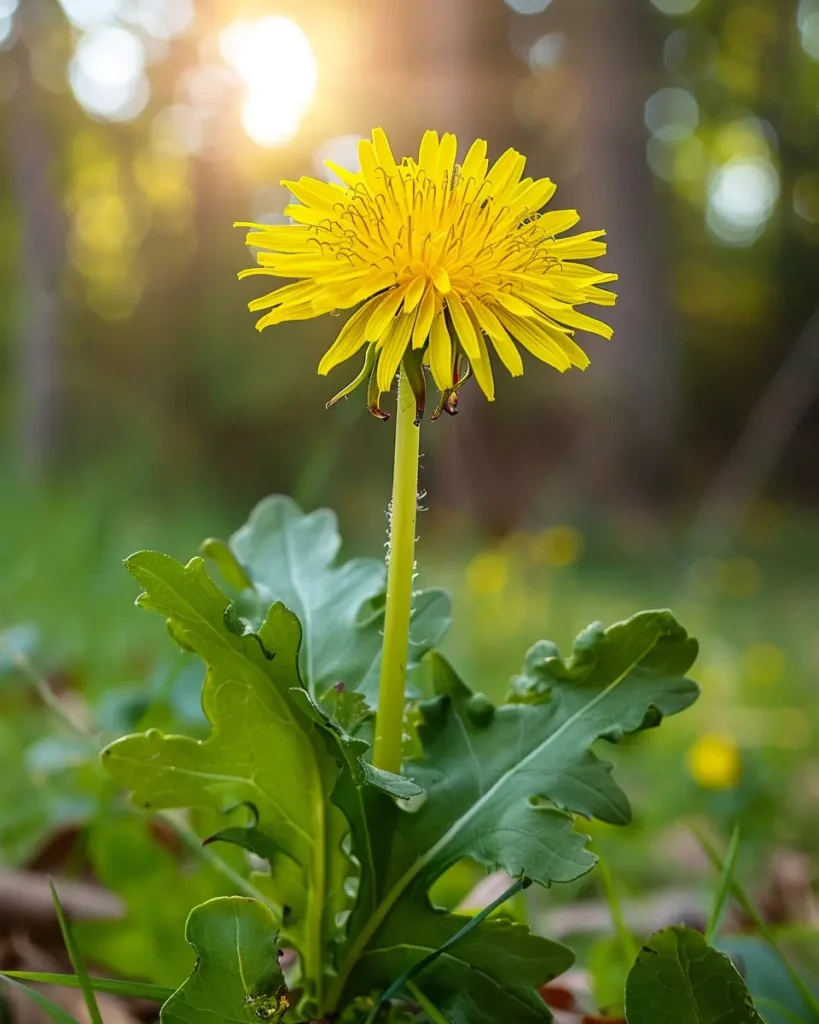
Dandelion Leaf (Taraxacum officinale)
Traditional Uses of Dandelion Leaf
Urinary System Support: Dandelion leaf has a long traditional reputation as a mild diuretic, meaning it supports the body’s natural urine flow. This is one reason it has been used in European herbal traditions for “flushing” the urinary tract.
Digestive Bitterness: The leaf has a clean, bitter taste that gently wakes up digestion, especially before meals. Bitter greens have always had a place at the table, even when the table would rather have fries.
Mineral Support: Fresh dandelion greens contain minerals such as potassium, calcium, and magnesium, making them a useful seasonal food-herb.
Antioxidant Support: Dandelion leaf contains phenolic acids and flavonoids, plant compounds studied for their antioxidant activity and general cellular protection.
“Dandelion leaf is spring’s little reminder that bitter can be beautifully useful.”
Available Dandelion Leaf Products
Dandelion Leaf Capsules — Capsules/Tablets
A freeze-dried leaf supplement traditionally used to support kidney function, gentle detox, and healthy circulation.
Buy Dandelion Leaf Capsules
Dandelion Leaf Liquid Extract — Tincture/Liquid Extract
A tincture made from fresh dandelion leaf, traditionally used to support urinary tract function and taken diluted in water or juice.
Buy Dandelion Leaf Liquid Extract
Dandelion Leaf Tea — Tea/Loose Leaf
A caffeine-free herbal tea with a sweet, arugula-like flavor, traditionally used to support digestion, reduce bloating, and act as a gentle diuretic.
Buy Dandelion Leaf Tea
Dandelion Leaf Cut & Sifted (Dried) — Raw/Dried Herb
Whole dried, cut dandelion leaf for brewing your own tea, adding to soups and salads, or encapsulating at home.
Buy Dandelion Leaf Dried Herb
⚠️ These are dietary supplements — not evaluated by the FDA for treating disease. Dandelion has a natural diuretic effect and may interact with diuretic medications, lithium, blood thinners, or diabetes medications. Those allergic to ragweed, daisies, or chrysanthemums may also react to dandelion. Not recommended in medicinal amounts during pregnancy or nursing without medical guidance, and those with gallbladder issues should consult a doctor first. Check with a healthcare provider before use.
Key Herbal Actions
Dandelion leaf is known as a diuretic, bitter tonic, nutritive, antioxidant, mild cholagogue, and alterative.
Diuretic
A diuretic supports the body’s natural production and release of urine. Dandelion leaf is especially associated with this action in traditional European herbal use.
Bitter Tonic
A bitter tonic contains bitter-tasting compounds that stimulate digestive awareness through taste receptors. Dandelion leaf’s bitterness makes it a classic before-meal herb.
Nutritive
A nutritive herb offers minerals and food-like nourishment. Dandelion greens are eaten as a leafy vegetable and contain potassium, calcium, magnesium, vitamin K, and carotenoid-related vitamin A activity.
Antioxidant
Antioxidant herbs contain compounds that help protect cells from oxidative stress. Dandelion leaf contains flavonoids and phenolic acids that are studied for this role.
Mild Cholagogue
A cholagogue traditionally supports the flow of bile from the liver and gallbladder into digestion. Dandelion leaf is milder in this role than dandelion root, but its bitter quality still connects it to digestive and liver-supportive herbal traditions.
Alterative
An alterative is an old herbal term for herbs traditionally used to support the body’s natural elimination pathways over time. Dandelion leaf fits this category mostly through its urinary and mineral-supportive actions.
Active Compounds and Extraction
Dandelion leaf contains flavonoids, phenolic acids, caffeoylquinic acids, sesquiterpene lactones, potassium, minerals, carotenoids, and polysaccharides.
Flavonoids
Flavonoids are plant pigments with antioxidant activity. In dandelion herb, researchers have identified flavone and flavonol glycosides, which are part of the leaf’s antioxidant profile.
Best extraction: hot water infusion or tincture.
To make dandelion leaf infusion, use 1–2 teaspoons dried leaf per cup of just-boiled water. Cover and steep for 10–15 minutes, then strain.
Phenolic Acids and Caffeoylquinic Acids
Phenolic acids are antioxidant plant compounds. Dandelion herb contains caffeic acid derivatives and caffeoylquinic acids, including chlorogenic acid-related compounds.
Best extraction: hot water or hydroalcoholic tincture.
For a stronger tea-style extraction, steep 1 tablespoon dried dandelion leaf in 8 ounces of hot water for 15 minutes. For tincture, dried leaf is commonly extracted in a water-alcohol blend because both water-soluble and alcohol-soluble compounds are present.
Sesquiterpene Lactones
Sesquiterpene lactones are bitter compounds that help explain dandelion’s digestive bitterness. They are part of what makes dandelion leaf taste like the plant is politely asking your digestion to wake up.
Best extraction: tincture or fresh leaf preparations.
A tincture is commonly made by covering chopped fresh or dried leaf with a suitable alcohol-water menstruum and letting it macerate for several weeks before straining.
Potassium and Minerals
Dandelion greens are naturally mineral-rich. Potassium is especially relevant because dandelion leaf is traditionally used as a urinary-supporting herb, and potassium is an important electrolyte.
Best extraction: food use, tea, vinegar infusion.
To make a mineral vinegar, pack clean fresh dandelion leaves into a jar, cover with apple cider vinegar, cap with a non-metal lid, and steep for 2–4 weeks. Strain and use as a food vinegar, not as a medical treatment.
Carotenoids
Carotenoids are plant pigments that contribute to vitamin A activity in leafy greens. They are best absorbed when eaten with a little dietary fat.
Best extraction: food preparation.
Use young fresh dandelion leaves in salads, sautés, pestos, or soups. A little olive oil helps the fat-soluble carotenoids become more available.
Polysaccharides
Polysaccharides are complex carbohydrates found in many plants. They are water-soluble and often contribute to the gentle, food-like quality of leafy herbs.
Best extraction: hot water.
A simple infusion or light simmer can extract water-soluble polysaccharides. For leaves, infusion is usually enough; long boiling is not necessary.
Harvesting and Storing Right
Dandelion leaves are usually best harvested in spring before the plant flowers, when the leaves are tender and less bitter. They can also be harvested in fall, though the flavor may be stronger.
Harvest in the morning after dew has dried and before the heat of the day wilts the leaves. Choose clean areas away from roadsides, lawns treated with herbicides, dog-walking zones, and contaminated soil.
Fresh leaves should be washed, dried gently, wrapped in a towel, and stored in the refrigerator for about 3–5 days. Dried leaf should be kept in an airtight jar away from heat, light, and moisture and is usually best used within 6–12 months. Tinctures commonly keep for several years when stored well, while powders are best used within 6 months because they fade faster.
Body Functions Dandelion Leaf can Support
Dandelion leaf can support the urinary system, digestion system, liver support, metabolism, skin, circulation, and energy and vitality.
Urinary System
Dandelion leaf is traditionally used to support urine flow and urinary tract flushing. Its mineral content, especially potassium, makes it different from many strong diuretic-style herbs.
Digestion System
The bitter taste of dandelion leaf helps explain its traditional use before meals. Bitters are commonly used by herbalists to support appetite, digestive secretions, and the body’s natural digestive rhythm.
Liver Support
Dandelion leaf is not as liver-focused as dandelion root, but its bitter action connects it to bile flow and digestive-liver support. It is best understood as a gentle supporting herb rather than a strong liver remedy.
Metabolism
Dandelion leaf contains bitter compounds, minerals, and polyphenols that are studied in relation to digestion and metabolic wellness. Most evidence is preliminary, so it is better to think of dandelion leaf as a supportive bitter green rather than a metabolism “solution.”
Skin
Herbalists traditionally connect skin wellness with digestion, hydration, and elimination pathways. Dandelion leaf may support this indirectly through its bitter, nutritive, and urinary actions.
Circulation
Dandelion greens provide potassium and antioxidant compounds that are part of a heart-supportive diet pattern. As an herb, it should not be viewed as a substitute for medical care for blood pressure, circulation problems, or heart conditions.
Energy and Vitality
As a mineral-rich bitter green, dandelion leaf can support general vitality in a food-like way. It is not a stimulant; its energy support is more “green spring nourishment” than “extra coffee.”
Safety and Practical Considerations
Dandelion leaf is commonly eaten as a food, but concentrated herbal products deserve more care. People allergic to plants in the Asteraceae family, such as ragweed, chamomile, daisies, or chrysanthemums, may be more likely to react.
Because dandelion leaf may support urine flow, use caution if taking diuretic medications or medications affected by fluid and electrolyte balance. People taking lithium, blood pressure medications, diabetes medications, blood thinners, or multiple prescriptions should ask a qualified healthcare professional before using dandelion supplements.
Dandelion leaf is naturally high in vitamin K as a leafy green, so people taking warfarin or other anticoagulant medications should be consistent with intake and get professional guidance. Avoid wild-harvested leaves from sprayed lawns, roadsides, or unknown soil.
Use during pregnancy and breastfeeding is not recommended in medicinal amounts due to limited safety data. Children, older adults, and sensitive individuals should use smaller amounts and avoid strong preparations unless guided by a qualified professional.
FAQ
What does dandelion leaf taste like?
Dandelion leaf tastes green, earthy, and bitter. Young spring leaves are milder, while older leaves can be sharply bitter.
When is the best time to use dandelion leaf?
Traditionally, dandelion leaf is often used before meals as a bitter digestive herb. Tea may also be used earlier in the day because of its urinary-supporting action.
Is fresh or dried dandelion leaf better?
Fresh leaf is excellent as a seasonal food and provides a lively green flavor. Dried leaf is more convenient for tea and year-round use.
Is dandelion leaf tea, tincture, or capsule better?
Tea is best for a gentle, water-based preparation. Tincture is convenient and concentrated, while capsules are useful for people who dislike bitter taste.
Can dandelion leaf be used daily?
Many people eat dandelion greens as food, but daily use of concentrated supplements should be approached thoughtfully. People with medical conditions or medications should get professional guidance.
How should dandelion leaf be stored?
Fresh leaves should be refrigerated and used within a few days. Dried leaf should be stored in an airtight container away from light, heat, and moisture.
Does dandelion leaf combine well with other herbs?
Yes, it often combines well with nettle, cleavers, peppermint, lemon balm, burdock root, or calendula depending on the goal. Pairing it with aromatic herbs can soften the bitter flavor.
Is dandelion leaf safe for everyone?
No herb is perfect for everyone. People with allergies to Asteraceae plants, gallbladder concerns, kidney disease, prescription medications, pregnancy, or breastfeeding should use caution.
Can dandelion leaf be used for pets?
Dandelion leaf appears in some pet wellness traditions, but pet use should be guided by a veterinarian or qualified animal herbalist. Animals process herbs differently than humans, and dose matters.
Is dandelion leaf the same as dandelion root?
No. Dandelion leaf is more associated with urinary support and mineral-rich green nourishment, while the root is more strongly connected with digestive and liver-supportive bitter traditions.
Disclaimer
This content is educational only. It is not medical advice, diagnosis, or treatment. Herbs may interact with medications or health conditions. People who are pregnant, breastfeeding, managing a medical condition, taking prescription medications, or preparing for surgery should consult a qualified healthcare professional before using herbs.
References
EMA: Taraxacum officinale Folium Herbal Monograph
EMA: Taraxacum officinale Radix cum Herba Herbal Monograph
PubMed: The Diuretic Effect in Human Subjects of an Extract of Taraxacum officinale Folium
PubMed: Characterization of Phenolic Acids and Flavonoids in Dandelion Root and Herb Juice
NIH / PubMed Central: Dandelion as a Source of Biologically Active Compounds
NIH / PubMed Central: Dandelion Genus Chemical and Bioactive Review