


Turmeric is the deep golden-orange rhizome of a tropical plant in the ginger family. It has been used for centuries in food, traditional herbal preparations, and cultural wellness practices across South Asia and beyond.
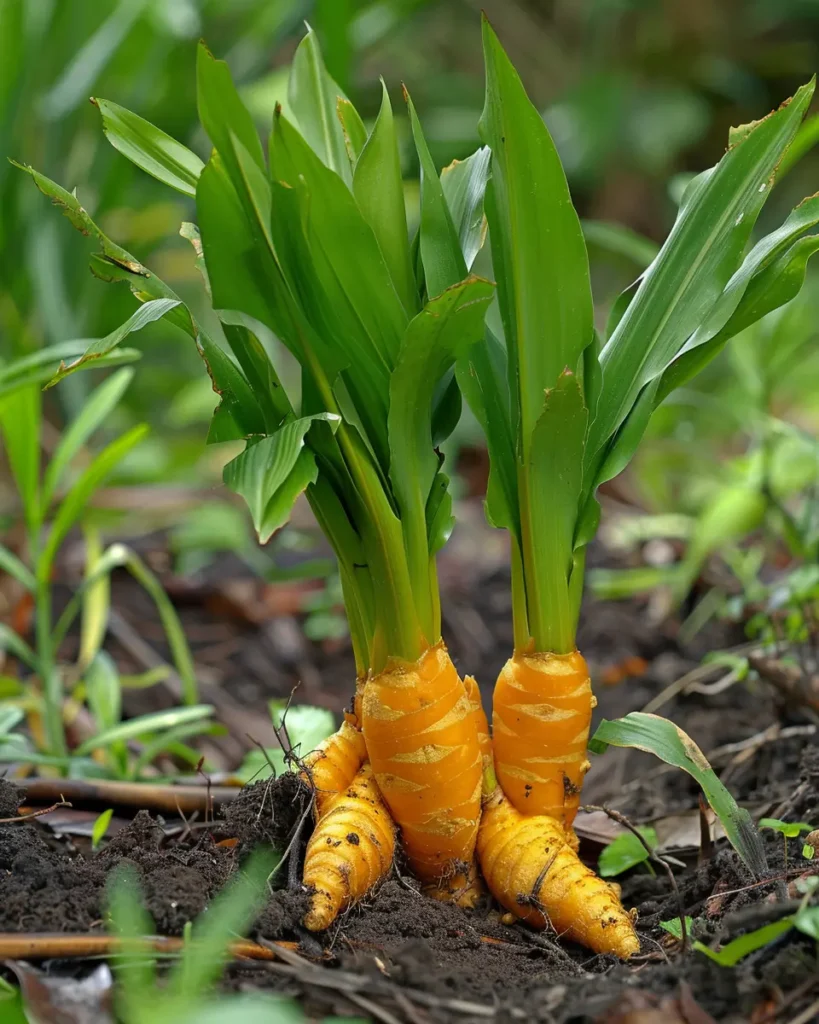
Turmeric (Curcuma longa)
Traditional uses of turmeric:
Digestive Support: Turmeric has traditionally been used to support digestion, especially when meals are heavy, rich, or slow-moving.
Liver and Bile Flow Support: Herbal traditions often place turmeric among warming digestive herbs that support bile flow and digestive processing. This is useful herbal logic, but people with gallbladder or bile duct issues need extra caution.
Joint and Mobility Support: Turmeric is widely studied for curcuminoids, especially curcumin, and their role in inflammatory pathways and oxidative stress.
Skin and Cellular Protection: Turmeric’s antioxidant compounds are part of why it appears in both internal and topical wellness traditions.
Turmeric is warm, earthy, bitter, and colorful enough to stain nearly anything that gets too close. It is a wonderful herb, but it is also the reason many cutting boards have a permanent golden memory.
“Turmeric brings sunshine to the spice jar, and occasionally to your shirt.”
Available Turmeric Products
Dried Turmeric
Dried turmeric is commonly sold as whole dried rhizome pieces, sliced rhizome, or powder. It is used in teas, decoctions, golden milk, spice blends, capsules, and herbal formulas. Good turmeric should smell earthy, warm, slightly peppery, and fresh rather than dusty or flat.
Turmeric Tincture
Turmeric tincture is a liquid extract usually made with alcohol and water. It is more concentrated than tea and is often used when someone wants a convenient preparation. Because turmeric’s key compounds include both water-soluble and alcohol-soluble constituents, tinctures can capture a broader range than water alone.
Turmeric Capsules
Turmeric capsules may contain powdered turmeric rhizome, turmeric extract, curcumin extract, or enhanced-bioavailability formulas. This category needs careful label reading because “turmeric powder,” “turmeric extract,” “curcumin,” and “curcumin with piperine” are not the same strength or absorption profile.
Turmeric Glycerite
Turmeric glycerite is an alcohol-free liquid preparation made with vegetable glycerin and water. It may be useful for people avoiding alcohol, though glycerin does not extract resins and curcuminoids as efficiently as alcohol. Glycerites tend to be mild, sweet, and less intense than tinctures.
Turmeric Essential Oil
Turmeric essential oil is steam-distilled from the rhizome. It is highly concentrated and should be used carefully and diluted for topical use. It should not be taken internally unless guided by a qualified professional.
Turmeric Powder
Turmeric powder is one of the most common market forms. It is used in cooking, golden milk, teas, capsules, pastes, and topical preparations. Because powder has a large surface area, it should be stored tightly sealed away from light, heat, and moisture.
Turmeric Extracts and Curcumin Products
Many products contain standardized curcuminoids rather than whole turmeric powder. Some also include black pepper extract, phospholipids, or other technologies designed to increase absorption. Enhanced-absorption products may be stronger and may also carry a higher risk of side effects or interactions.
Turmeric Paste and Golden Milk Mixes
Turmeric paste is often made with turmeric powder, water, oil, and spices. Golden milk mixes usually combine turmeric with ginger, cinnamon, black pepper, and sometimes sweeteners. These are food-style preparations and are usually gentler than concentrated extracts.
Key Herbal Actions
Turmeric is known as an anti-inflammatory-supportive herb, antioxidant, cholagogue, choleretic, carminative, digestive stimulant, hepatic-supportive herb, vulnerary, antimicrobial-supportive herb in traditional use, and warming circulatory stimulant.
Anti-Inflammatory-Supportive Herb
Turmeric is widely studied for its curcuminoids, especially curcumin, and their effects on inflammatory signaling pathways. In herbal language, this supports turmeric’s traditional use in joint, tissue, and general inflammatory patterns. This does not mean turmeric treats or cures inflammatory diseases.
Antioxidant
Antioxidant compounds help protect cells from oxidative stress. Turmeric contains curcuminoids and other phenolic compounds that are studied for antioxidant activity. This is one reason turmeric appears in research on cellular health and aging-related wellness.
Cholagogue
A cholagogue is an herb traditionally understood to support bile flow from the gallbladder. Turmeric is commonly used this way in digestive herbalism. People with gallstones, bile duct obstruction, or gallbladder disease should seek professional guidance before using turmeric medicinally.
Choleretic
A choleretic supports bile production by the liver. Turmeric’s bitter, warming nature and traditional digestive use fit this category. This action is one reason turmeric is often used with food rather than as a casual large-dose supplement.
Carminative
Carminative herbs support digestion by easing gas and digestive stagnation. Turmeric is not as aromatic as peppermint or fennel, but it has warming digestive qualities. It often combines well with ginger, fennel, coriander, and black pepper.
Digestive Stimulant
Turmeric’s bitter and pungent qualities make it a digestive stimulant in traditional herbalism. It is commonly used to support digestive secretions and comfort after heavier meals. A small amount in food is often better tolerated than a large amount on an empty stomach.
Hepatic-Supportive Herb
Hepatic herbs are traditionally used to support liver-related digestive functions. Turmeric is often included in this category because of its relationship to bile and digestive metabolism. However, rare liver injury reports have been associated with turmeric and curcumin supplements, especially concentrated or enhanced-absorption products, so caution is important.
Vulnerary
Vulnerary herbs are traditionally used to support healthy tissue repair. Turmeric has a long history of topical use in traditional practices. Because it stains strongly and can irritate some skin, topical turmeric should be patch tested first.
Warming Circulatory Stimulant
Turmeric is warming and mildly stimulating in traditional energetic terms. It is often used in formulas for cold, sluggish, or stagnant patterns. People who run hot, have reflux, or are sensitive to warming spices may need smaller amounts.
Active Compounds and Extraction
Turmeric contains curcuminoids, curcumin, demethoxycurcumin, bisdemethoxycurcumin, volatile oils, turmerones, zingiberene, sesquiterpenes, polysaccharides, phenolic compounds, starches, proteins, and minerals.
Curcuminoids
Curcuminoids are the bright yellow-orange pigment compounds in turmeric. The main curcuminoids are curcumin, demethoxycurcumin, and bisdemethoxycurcumin. They are studied for antioxidant activity, inflammatory signaling, and cellular protection.
Best extraction methods: alcohol tincture, oil-based preparation, powdered turmeric in food with fat, commercial standardized extracts.
How to make a turmeric tincture: Use dried turmeric powder or chopped dried rhizome and cover with a 50–70% alcohol-water mixture. Let it extract for 3–4 weeks, shaking occasionally, then strain. Alcohol helps extract curcuminoids better than water alone.
How to make golden milk: Simmer 1/2 teaspoon turmeric powder with 1 cup milk or plant milk, a small pinch of black pepper, and a little fat such as coconut milk or ghee if appropriate. Simmer gently for 5–10 minutes. Fat supports extraction of lipophilic compounds, while black pepper may increase curcumin absorption.
Curcumin
Curcumin is the best-known turmeric compound. It is studied for effects on oxidative stress and inflammatory pathways, but it has naturally poor oral bioavailability because it is poorly absorbed, rapidly metabolized, and quickly eliminated. This is why many supplements use black pepper extract, phospholipids, nanoparticles, or other delivery systems.
Best extraction methods: alcohol, oil, enhanced commercial extracts.
Simple preparation: For food use, combine turmeric with fat and black pepper in small culinary amounts. This is not the same as taking a concentrated supplement, but it follows traditional kitchen logic and improves extraction into the meal.
Demethoxycurcumin and Bisdemethoxycurcumin
These are related curcuminoids found alongside curcumin. They contribute to turmeric’s color and biological activity. Like curcumin, they are not very water-soluble and extract better in alcohol or fat.
Best extraction methods: tincture, oil infusion, food preparation with fat.
Simple preparation: A turmeric paste made from turmeric powder, water, and a small amount of oil can be used in cooking. Keep it refrigerated and use within several days.
Volatile Oils
Turmeric contains volatile oils that contribute aroma, flavor, and traditional warming digestive effects. These include turmerones, zingiberene, and other sesquiterpenes. Volatile oils are different from curcuminoids and are best captured through steam distillation or alcohol extraction.
Best extraction methods: tincture, essential oil distillation, gentle decoction for mild use.
How to make turmeric decoction: Simmer 1/2 to 1 teaspoon dried turmeric pieces or powder in 1 cup water for 10–15 minutes, then strain if using pieces. Powder may settle at the bottom rather than fully dissolve. A decoction extracts some water-soluble compounds and flavor, but not curcuminoids as efficiently as alcohol or fat.
Turmerones
Turmerones are aromatic compounds found in turmeric essential oil. They are studied for biological activity and contribute to turmeric’s warm, earthy scent. They are more concentrated in the essential oil than in tea.
Best extraction methods: steam distillation, alcohol tincture.
Simple preparation: For topical use, turmeric essential oil should be diluted in a carrier oil. It is not a substitute for turmeric tea, powder, or capsules.
Polysaccharides
Polysaccharides are larger carbohydrate compounds found in many plants. In turmeric, they may contribute to the plant’s broader immune and soothing profile. These compounds are more water-friendly than curcuminoids.
Best extraction methods: water decoction, long simmer, water-alcohol extract.
Simple preparation: Simmering turmeric rhizome in water as a decoction is better for polysaccharides than a quick steep. The preparation will be earthy and warming.
Phenolic Compounds
Turmeric contains several phenolic compounds beyond curcuminoids. These compounds contribute antioxidant activity and overall plant chemistry. They extract with water, alcohol, and mixed preparations depending on their structure.
Best extraction methods: decoction, tincture, food preparation.
Simple preparation: Cooking turmeric into soups, stews, rice, lentils, or sauces is a traditional and practical extraction method. Food is often the friendliest turmeric delivery system.
Harvesting and Storing Right
Turmeric rhizomes are usually harvested about 7–10 months after planting, when the leaves begin to yellow and dry back. This indicates that the rhizome has matured underground. In tropical and subtropical growing regions, harvest timing depends on climate and planting season.
The best time of day to harvest is usually morning or late afternoon, avoiding extreme heat. After harvest, rhizomes are washed, cured or boiled in some traditional processing methods, sliced or dried, and then stored.
Fresh turmeric should be firm, aromatic, and bright orange inside. Dried turmeric should be deeply colored and fragrant.
Typical shelf life:
Fresh turmeric rhizome: About 1–2 weeks refrigerated, longer if frozen.
Dried turmeric pieces: About 1–2 years when stored properly.
Turmeric powder: About 6–12 months for best aroma, color, and quality.
Turmeric tincture: Often 3–5 years when stored cool, dark, and tightly capped.
Turmeric glycerite: Usually around 1–2 years depending on formulation and storage.
Turmeric essential oil: Commonly around 3–5 years if stored tightly closed, cool, and away from light.
Body Functions Turmeric Can Support
Turmeric can support digestion system, liver support, muscles and joint, skin, immune system, circulation, brain, metabolism, dental oral, and energy and vitality.
Digestion System
Turmeric is traditionally used as a warming digestive herb. Its bitter and pungent qualities support digestive secretions and bile-related digestive processes. It is often better tolerated with food than taken alone.
Liver Support
Turmeric is traditionally associated with liver and bile flow support. Its choleretic and cholagogue actions are part of this herbal logic. However, because rare liver injury reports have been linked to turmeric or curcumin supplements, especially concentrated products, liver support should not be interpreted as “risk-free.”
Muscles and Joint
Turmeric is widely used in formulas aimed at movement comfort and joint wellness. Curcuminoids are studied for inflammatory signaling and oxidative stress pathways. Effects vary depending on dose, preparation, absorption, and individual health status.
Skin
Turmeric has a long history of topical use in traditional practices. Its antioxidant compounds and warming nature make it common in pastes and cosmetic-style preparations. It can stain skin, clothing, counters, and probably your sense of trust, so patch testing and careful use are wise.
Immune System
Turmeric’s curcuminoids, volatile oils, and polysaccharides are studied for immune-related pathways. In traditional use, turmeric appears in warming food and herbal preparations during seasonal changes. This does not mean it prevents or treats infections.
Circulation
Turmeric is considered warming and mildly moving in traditional herbalism. It is often used in formulas for cold or stagnant patterns. People taking blood-thinning medications or preparing for surgery should be cautious.
Brain
Curcumin has been studied for oxidative stress, inflammatory pathways, and neurological wellness, but absorption remains a major challenge. Enhanced-bioavailability formulas are designed to increase curcumin levels, but they may also increase the chance of side effects. Turmeric is best described as a supportive herb rather than a guaranteed cognitive enhancer.
Metabolism
Turmeric is often discussed in relation to metabolic wellness because of its effects on oxidative stress and inflammatory signaling. It also has traditional digestive uses that overlap with metabolism and food processing. People taking diabetes medications should consult a healthcare professional before using concentrated turmeric products.
Dental Oral
Turmeric has been used traditionally in oral care practices, and modern products sometimes include turmeric extracts. Its antimicrobial-supportive and antioxidant compounds are part of the rationale. Because it stains easily, it should be used cautiously in homemade oral preparations.
Energy and Vitality
Turmeric is warming, earthy, and traditionally used when digestion and circulation feel sluggish. In food amounts, it can be part of a nourishing routine. It is not a stimulant and should not be used to push through exhaustion.
Safety and Practical Considerations
Turmeric as a culinary spice is widely used and generally well tolerated by many people. Concentrated turmeric extracts, curcumin supplements, and enhanced-absorption products deserve more caution.
Common side effects may include nausea, reflux, stomach upset, diarrhea, constipation, or skin irritation with topical use. People with reflux may find turmeric too warming or irritating, especially in larger amounts.
People with gallstones, bile duct obstruction, gallbladder disease, liver disease, bleeding disorders, or upcoming surgery should consult a qualified healthcare professional before using turmeric medicinally. Turmeric and curcumin supplements may interact with blood-thinning medications, diabetes medications, and other prescriptions.
Pregnancy and breastfeeding require caution with medicinal doses. Culinary use in normal food amounts is different from concentrated extracts, but high-dose supplements should be avoided unless guided by a qualified professional.
People taking prescription medications, older adults, children, sensitive individuals, and those with complex health conditions should be especially careful with concentrated turmeric products. Enhanced-bioavailability formulas, including products with piperine or specialized delivery systems, may be stronger than standard turmeric powder.
Turmeric is commonly used fresh, dried, powdered, cooked into food, taken as capsules, or made into tinctures. For many people, food-style use is the most practical and traditional starting point.
FAQ
What does turmeric taste like?
Turmeric tastes earthy, bitter, warm, slightly peppery, and mildly pungent. Fresh turmeric is brighter and more aromatic than dried powder. Too much can make food taste dusty or medicinal, so a little restraint helps.
When is the best time to use turmeric?
Turmeric is often best used with meals because it supports digestive processes and is easier on the stomach that way. Many people use it in lunch or dinner foods, soups, stews, teas, or golden milk. Taking concentrated products on an empty stomach may bother sensitive digestion.
Is fresh or dried turmeric better?
Fresh turmeric has a lively, aromatic, juicy quality and is excellent in food, teas, and pastes. Dried turmeric powder is convenient, concentrated by weight, and easy to store. Both are useful, but powder is usually more common in everyday herbal and culinary use.
Is turmeric tea, tincture, or capsule better?
Turmeric tea is gentle but does not extract curcuminoids as strongly as alcohol or fat-based preparations. Tinctures extract a broader range of compounds. Capsules and extracts can be much stronger, especially if standardized or enhanced for absorption.
Can turmeric be used daily?
Turmeric is commonly used daily in food amounts in many cuisines. Daily supplement use is different and should be approached more carefully. People with medical conditions, medication use, liver concerns, gallbladder issues, or surgery plans should ask a qualified professional first.
How should turmeric be stored?
Turmeric powder should be stored in an airtight container away from heat, light, and moisture. Fresh turmeric should be refrigerated or frozen. Tinctures and oils should be kept tightly closed in a cool, dark place.
Does turmeric combine well with other herbs?
Yes, turmeric combines well with ginger, black pepper, cinnamon, cardamom, fennel, coriander, boswellia, ashwagandha, and licorice depending on the goal. Black pepper is often used to improve curcumin absorption, but it can also increase interaction potential. More absorption is not always automatically better.
Is turmeric safe for everyone?
No. Turmeric may not be appropriate for people with gallbladder disease, bile duct obstruction, liver concerns, bleeding disorders, reflux, medication interactions, or upcoming surgery. Concentrated products need more caution than culinary use.
Can turmeric be used for pets?
Turmeric is sometimes used in pet supplements, especially for dogs, but it should not be casually added in large amounts. Cats and dogs metabolize substances differently than humans, and product quality varies. Pet use should be guided by a veterinarian or qualified animal herbalist.
Why do many turmeric supplements include black pepper?
Black pepper contains piperine, which can increase curcumin absorption. This may make a product more active, but it can also increase the chance of side effects or interactions. People taking medications should be careful with turmeric-piperine supplements.
Disclaimer
This content is educational only. It is not medical advice, diagnosis, or treatment. Herbs may interact with medications or health conditions. People who are pregnant, breastfeeding, managing a medical condition, taking prescription medications, or preparing for surgery should consult a qualified healthcare professional before using herbs.
References
EMA: European Union Herbal Monograph on Curcuma longa L., rhizoma
EMA: Curcumae longae rhizoma Herbal Medicinal Product
PubMed Central: Curcumin, A Review of Its Effects on Human Health
PubMed Central: Improving Curcumin Bioavailability
PubMed Central: Turmeric and Its Major Compound Curcumin on Health
Health Canada: Turmeric Oral Monograph
Health Canada: Summary Safety Review – Turmeric and Curcuminoids for Oral Use
Welsh Medicines Information Centre: Turmeric Potential Interactions