


Peppermint is a bright, aromatic herb in the mint family, traditionally valued for digestion, cooling comfort, clear breathing, and mental freshness. It is a natural hybrid of watermint and spearmint, and its strong scent comes mostly from volatile oils such as menthol and menthone.
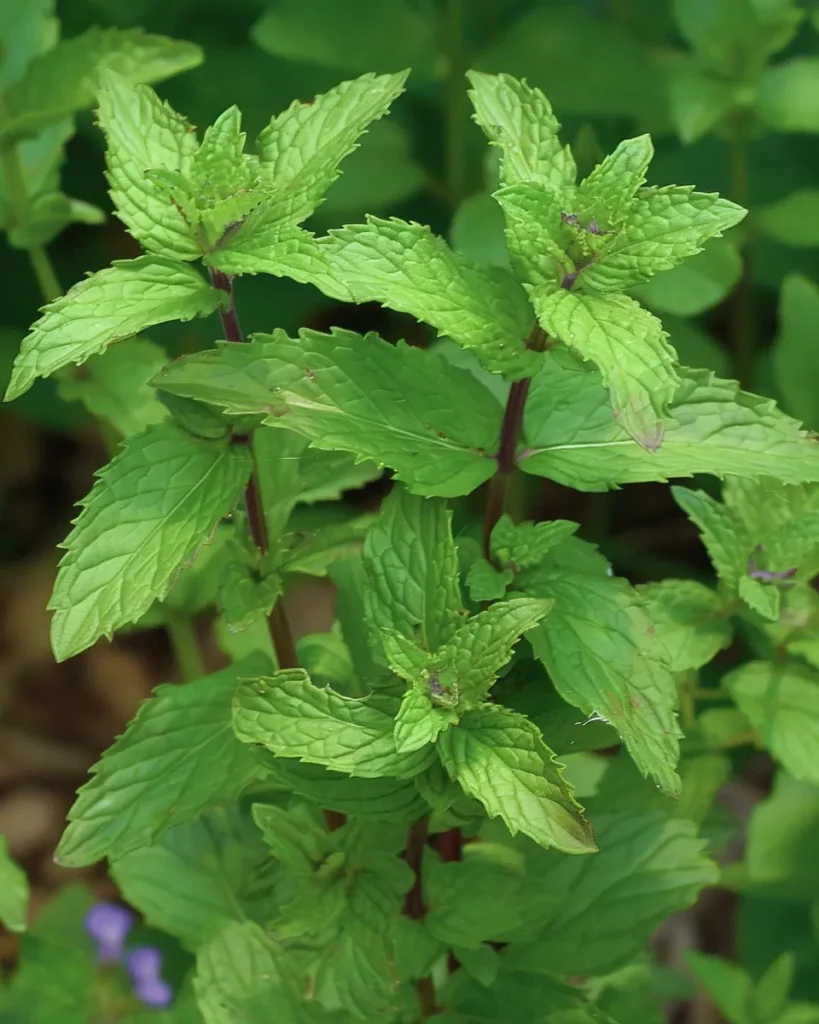
Peppermint (Mentha × piperita)
Traditional uses of peppermint:
Digestive Comfort: Peppermint is one of the classic carminative herbs, traditionally used after meals to support gas, bloating, digestive tension, and that “my stomach is writing a complaint letter” feeling.
Cooling Sensation: Menthol gives peppermint its familiar cooling effect, which is why it appears in topical rubs, chest balms, oral care products, and soothing skin preparations.
Respiratory Freshness: Peppermint’s aromatic oils are often used in steam blends and teas to support a feeling of easier breathing and freshness.
Focus and Mental Clarity: Peppermint’s sharp, clean aroma has long been associated with alertness, refreshment, and a more awake-feeling mind.
“Peppermint is the herbal equivalent of opening a window in a stuffy room.”
Available Peppermint Products
Dried Peppermint
Dried peppermint leaf is commonly used for tea, digestive blends, mouth rinses, bath blends, and steam preparations. Good-quality dried peppermint should smell fresh, minty, and cooling when crushed. If it smells flat or dusty, it is probably past its prime.
Peppermint Tincture
Peppermint tincture is a liquid extract usually made with alcohol and water. It is practical when someone wants a concentrated, easy-to-measure preparation. Peppermint tincture is commonly used in digestive formulas, but people with reflux or sensitive stomachs should be cautious.
Peppermint Capsules
Peppermint capsules may contain powdered leaf or peppermint oil. Enteric-coated peppermint oil capsules are a specific product form designed to pass through the stomach and release lower in the digestive tract. Labels matter here: peppermint leaf capsules and peppermint oil capsules are not the same thing.
Peppermint Glycerite
Peppermint glycerite is an alcohol-free liquid extract made with vegetable glycerin and water. It has a sweet taste and may be useful for people avoiding alcohol. Because peppermint is strong and cooling, glycerites should still be used thoughtfully, especially for children or sensitive individuals.
Peppermint Essential Oil
Peppermint essential oil is one of the most common peppermint products on the market. It is highly concentrated and should be diluted properly before topical use. It should not be used internally unless guided by a qualified professional, and it should be kept away from the face of infants and young children.
Peppermint Powder
Peppermint powder is dried peppermint leaf ground into a fine texture. It may be used in capsules, herbal tooth powders, culinary blends, or certain body care formulas. Because powder loses aroma faster than cut leaf, it should be stored tightly sealed and used while still fragrant.
Peppermint Lozenges and Oral Care Products
Peppermint is widely used in lozenges, toothpastes, mouthwashes, and breath fresheners. These products rely mostly on peppermint’s flavor, cooling sensation, and aromatic freshness rather than the full herbal profile of the leaf.
Peppermint Steam and Bath Products
Peppermint appears in steam blends, bath salts, shower tablets, and topical rubs. These products are used for their cooling and aromatic effect. Because peppermint can irritate sensitive skin and eyes, careful dilution and common sense are important.
Key Herbal Actions
Peppermint is known as a carminative, antispasmodic, aromatic, digestive bitter, mild cholagogue, cooling diaphoretic, analgesic-supportive topical herb, antimicrobial-supportive herb in traditional use, and antioxidant.
Carminative
A carminative herb supports digestive comfort, especially when gas or bloating is involved. Peppermint’s volatile oils help explain why it has such a long history in after-meal teas. It is especially useful when digestion feels tense, heavy, or stagnant.
Antispasmodic
Antispasmodic herbs are traditionally used to relax mild smooth muscle tension. Peppermint oil has been studied for effects on intestinal smooth muscle, which is one reason enteric-coated peppermint oil capsules are widely discussed in digestive research. In everyday herbal use, peppermint tea is the gentler form.
Aromatic
Aromatic herbs contain noticeable volatile oils that give them their scent and much of their activity. Peppermint is strongly aromatic, which makes it useful in teas, steams, oral care, and topical preparations. Its aroma is not shy; peppermint walks into the room before the leaf does.
Digestive Bitter
Peppermint is not as bitter as herbs like gentian or artichoke leaf, but it has a mild bitter-aromatic quality. Bitter and aromatic herbs are traditionally used to support digestive secretions and appetite. Peppermint’s flavor makes it easier to use than many stronger bitters.
Mild Cholagogue
A cholagogue is an herb traditionally understood to support the flow of bile. Peppermint has been used in digestive formulas where bile flow and fat digestion are part of the herbal logic. People with gallstones or biliary disorders should use caution and seek professional guidance.
Cooling Diaphoretic
A diaphoretic supports the body’s natural sweating response. Peppermint is considered cooling because of menthol’s sensory effect. Warm peppermint tea may feel both warming from the water and cooling from the herb, which is a very peppermint thing to do.
Topical Analgesic-Supportive Herb
Peppermint oil is used topically in diluted form for its cooling sensation. Menthol activates cold-sensitive receptors in the skin, creating a cooling feeling that may help distract from minor discomfort. This does not make it a cure-all; it simply explains why peppermint is common in rubs and balms.
Antioxidant
Peppermint contains phenolic compounds and flavonoids that contribute antioxidant activity. These compounds help protect plant tissues and are also studied for their role in human cellular protection.
Active Compounds and Extraction
Peppermint contains volatile oils, menthol, menthone, menthyl acetate, menthofuran, 1,8-cineole, limonene, flavonoids, rosmarinic acid, caffeic acid, eriocitrin, luteolin derivatives, tannins, and triterpenes.
Volatile Oils
Volatile oils are aromatic compounds that evaporate easily and give peppermint its strong scent. In peppermint essential oil, menthol and menthone are usually major constituents, though percentages vary by plant genetics, harvest time, growing conditions, and distillation method. Some analyses report menthol ranging roughly from the high 30% range to over 60% in peppermint oil.
Best extraction methods: covered infusion, tincture, steam distillation.
How to make peppermint infusion: Use 1–2 teaspoons dried peppermint leaf per cup of just-boiled water. Cover and steep for 5–10 minutes, then strain. Covering the cup matters because peppermint’s aromatic oils are eager little escape artists.
How to make peppermint tincture: Place dried peppermint leaf in a clean jar and cover with a 40–60% alcohol-water mixture. Let it extract for about 2–4 weeks, shaking occasionally, then strain. Fresh peppermint can also be tinctured, but the water content of fresh leaf should be considered when choosing alcohol strength.
Menthol
Menthol is the compound most responsible for peppermint’s cooling sensation. It interacts with cold-sensitive receptors, especially TRPM8 receptors, which helps explain the familiar cooling feeling in the mouth, skin, and airways. Menthol is also one reason peppermint is used in oral care, chest rubs, and topical products.
Best extraction methods: steam distillation for essential oil, alcohol extraction for tinctures, covered infusion for mild household use.
Simple preparation: For everyday use, tea is the safest and mildest way to experience peppermint’s menthol-rich aroma. Essential oil is much stronger and must be diluted.
Menthone
Menthone is another major peppermint oil constituent. It contributes to peppermint’s sharp, minty aroma and is part of the herb’s essential oil profile. Like menthol, it is best captured in essential oil and hydroalcoholic extracts.
Best extraction methods: steam distillation, tincture.
Simple preparation: A tincture extracts some aromatic compounds while remaining less concentrated than essential oil. It is still stronger than tea and should be used with appropriate caution.
Menthyl Acetate
Menthyl acetate contributes a smoother, sweet-minty aroma. It is one of the compounds that gives high-quality peppermint oil a rounded scent rather than a harsh one. It is mainly associated with the essential oil fraction.
Best extraction methods: steam distillation, fresh tincture.
Simple preparation: Fresh peppermint tincture can capture some of the lively aromatic character of the plant, though essential oil is the most concentrated form.
Rosmarinic Acid and Caffeic Acid
Rosmarinic acid and caffeic acid are phenolic acids found in peppermint and other mint-family herbs. They are studied for antioxidant activity and may contribute to peppermint’s broader herbal profile beyond its volatile oils. These compounds extract well into water and alcohol-water mixtures.
Best extraction methods: infusion, tincture, glycerite.
How to make a stronger peppermint infusion: Use 1 tablespoon dried peppermint per cup of hot water, cover, and steep for 10–15 minutes. This gives water more time to pull out phenolic compounds, though the flavor will be stronger.
Flavonoids
Peppermint contains flavonoids such as eriocitrin, luteolin derivatives, and other polyphenols. Flavonoids are plant compounds widely studied for antioxidant activity. In peppermint, they support the herb’s overall profile but are less obvious to the senses than menthol.
Best extraction methods: infusion, tincture, glycerite.
Simple preparation: Tea is a practical way to extract flavonoids from peppermint leaf. Alcohol-water tinctures may extract a broader range of flavonoid and aromatic compounds.
Tannins
Tannins are astringent compounds that create a slightly drying or tightening feeling. Peppermint is not a major astringent herb compared with plants like oak bark or witch hazel, but tannins still contribute to its traditional use in mouth rinses and digestive blends.
Best extraction methods: infusion, tincture.
Simple preparation: A cooled peppermint infusion can be used as a simple mouth rinse for freshness. It should not replace dental care.
Triterpenes
Triterpenes are plant compounds found in many herbs. In peppermint, they contribute to the plant’s complex chemistry but are not the main flavor drivers. They extract better in alcohol-water preparations than in a quick tea.
Best extraction methods: tincture.
Simple preparation: A hydroalcoholic tincture gives a wider extraction than water alone, especially for less water-soluble compounds.
Harvesting and Storing Right
Peppermint is usually harvested in late spring through summer, often just before flowering or at early flowering. This is when the leaf is typically aromatic and rich in volatile oils. Harvest in the morning after the dew has dried but before the hottest part of the day, because heat can reduce aromatic quality.
Cut stems above a leaf node to encourage regrowth. Dry peppermint quickly in a shaded, well-ventilated area. Avoid direct sun, which can fade color and drive off volatile oils.
Typical shelf life:
Fresh peppermint: Best used within several days when refrigerated.
Dried peppermint leaf: About 6–12 months for best aroma and quality.
Peppermint powder: About 3–6 months for best flavor because powder loses aroma quickly.
Peppermint tincture: Often 3–5 years when stored cool, dark, and tightly capped.
Peppermint glycerite: Often around 1–2 years depending on formulation and storage.
Peppermint essential oil: Commonly around 3–5 years if stored tightly closed, cool, and away from light, though aroma and quality should still be checked.
Body Functions Peppermint Can Support
Peppermint can support digestion system, respiratory system, dental oral, brain, muscles and joint, skin, circulation, nervous system, liver support with caution, and energy and vitality.
Digestion System
Peppermint is most strongly associated with digestive comfort. Its carminative and antispasmodic actions are traditionally used for gas, bloating, and digestive tension. Peppermint leaf tea is the gentler form, while enteric-coated peppermint oil capsules are a more specialized product form studied for digestive complaints.
Respiratory System
Peppermint’s menthol-rich aroma creates a cooling, open-air sensation. Herbalists often use peppermint in steam blends, teas, and chest rubs to support a feeling of respiratory freshness. This is a sensory and comfort-supporting use, not a replacement for medical care when breathing problems are present.
Dental Oral
Peppermint is one of the most common herbs in oral care. Its flavor freshens the mouth, while its aromatic compounds and mild astringency make it useful in rinses and tooth powders. A cooled peppermint infusion can be used as a simple herbal mouth rinse.
Brain
Peppermint’s scent is often associated with alertness and mental refreshment. Some studies have explored peppermint aroma and cognitive performance, though results vary depending on design and preparation. Traditionally, peppermint is used when the mind feels dull, heavy, or foggy.
Muscles and Joint
Diluted peppermint essential oil is used topically for its cooling sensation. Menthol activates cold receptors in the skin, which may help create a temporary feeling of relief from minor tension or overuse. It must be diluted properly and kept away from eyes, broken skin, and sensitive areas.
Skin
Peppermint may be used in topical products for cooling and freshness. Because the essential oil is strong, it can irritate sensitive skin if overused or poorly diluted. For delicate skin, peppermint leaf infusion is much milder than essential oil.
Circulation
Peppermint’s cooling-warming sensory effect can make the skin feel stimulated when used topically in diluted form. Traditional topical formulas sometimes use peppermint to create a fresh, enlivening feeling. This should not be confused with treating circulation disorders.
Nervous System
Peppermint is not a relaxing nervine like lemon balm or skullcap, but its aroma can feel clearing and refreshing. It may support mental alertness and sensory wakefulness. For people who feel overstimulated, however, peppermint may feel too sharp or activating.
Liver Support With Caution
Peppermint is sometimes described as a mild cholagogue in traditional herbalism, meaning it may support bile flow. This is why it appears in some digestive formulas. People with gallstones, bile duct obstruction, or biliary disorders should use caution and consult a qualified professional.
Energy and Vitality
Peppermint’s bright aroma and cooling flavor can feel refreshing when energy feels low or heavy. It is commonly used in morning teas, study blends, and after-meal formulas. Its “wake up” quality is sensory and aromatic rather than stimulant-like in the caffeine sense.
Safety and Practical Considerations
Peppermint is widely used as a food and tea herb, but concentrated forms require more care. Peppermint tea is very different from peppermint essential oil, and peppermint essential oil is very different from enteric-coated peppermint oil capsules.
People with gastroesophageal reflux or frequent heartburn should use caution, because peppermint may relax the lower esophageal sphincter and worsen reflux in some people. People with gallstones, bile duct obstruction, liver disease, or other biliary disorders should consult a qualified healthcare professional before using peppermint medicinally.
Peppermint oil should not be applied to the face, chest, or nasal area of infants or young children. Essential oil should not be used on broken or irritated skin, and hands should be washed after application to avoid eye irritation. Internal use of essential oil should be avoided unless supervised by a qualified professional.
People who are pregnant, breastfeeding, taking prescription medications, preparing for surgery, or managing a medical condition should seek professional guidance before using peppermint in concentrated forms. Children, older adults, and sensitive individuals may need smaller amounts or milder preparations.
Peppermint is commonly used fresh and dried. Fresh peppermint is lively and bright, while dried peppermint is convenient for tea and storage. If peppermint tastes harsh, overly cooling, or causes discomfort, reduce the amount or choose a gentler herb.
FAQ
What does peppermint taste like?
Peppermint tastes cooling, minty, slightly sweet, and mildly bitter. The cooling sensation comes mostly from menthol. High-quality peppermint should smell fresh and clean, not stale or dusty.
When is the best time to use peppermint?
Peppermint is often used after meals for digestive comfort. It may also be used in the morning or afternoon when a refreshing, clear-headed feeling is desired. Some people avoid it at night because the bright aroma feels too stimulating.
Is fresh or dried peppermint better?
Fresh peppermint has a brighter flavor and is excellent in teas, infused water, and culinary use. Dried peppermint is more practical for daily tea blends and long-term storage. The best option depends on whether you want fresh aroma or pantry convenience.
Is peppermint tea, tincture, or capsule better?
Peppermint tea is gentle and traditional. Tincture is more concentrated and convenient. Capsules vary widely: powdered leaf capsules are different from enteric-coated peppermint oil capsules, so the label should be read carefully.
Can peppermint be used daily?
Peppermint tea is commonly used daily by many people in normal amounts. Concentrated peppermint oil products should be used more cautiously and according to professional or label guidance. People with reflux, gallbladder concerns, or medication use should be especially careful.
How should peppermint be stored?
Dried peppermint should be stored in an airtight container away from heat, light, and moisture. Peppermint powder should be used sooner than cut leaf because it loses aroma quickly. Essential oil should be stored tightly closed in a cool, dark place.
Does peppermint combine well with other herbs?
Yes, peppermint combines well with fennel, ginger, chamomile, lemon balm, licorice, nettle, elderflower, and yarrow. For digestion, it pairs nicely with fennel and ginger. For seasonal tea blends, it often works well with elderflower and yarrow.
Is peppermint safe for everyone?
No. Peppermint may not be a good fit for people with reflux, certain gallbladder or bile duct concerns, or sensitivity to mint-family plants. Essential oil requires special caution, especially around children, pets, eyes, and sensitive skin.
Can peppermint be used for pets?
Peppermint should be used cautiously with pets, and peppermint essential oil is especially concerning for cats and sensitive animals. Pets metabolize herbs and essential oils differently than humans. Pet use should be guided by a veterinarian or qualified animal herbalist.
Can peppermint essential oil be used like peppermint tea?
No. Peppermint tea is a mild water infusion of the leaf, while peppermint essential oil is a highly concentrated distilled product. Essential oil should be diluted for topical use and should not be taken internally without qualified guidance.
Disclaimer
This content is educational only. It is not medical advice, diagnosis, or treatment. Herbs may interact with medications or health conditions. People who are pregnant, breastfeeding, managing a medical condition, taking prescription medications, or preparing for surgery should consult a qualified healthcare professional before using herbs.
References
EMA: European Union Herbal Monograph on Mentha × piperita L., folium
EMA: European Union Herbal Monograph on Mentha × piperita L., aetheroleum
EMA: Menthae piperitae folium Herbal Medicinal Product
NCCIH: Irritable Bowel Syndrome and Complementary Health Approaches
PubMed: The Physiological Effects and Safety of Peppermint Oil
PubMed Central: Mentha piperita Essential Oil and Extracts
PubMed: A Review of the Bioactivity and Potential Health Benefits of Peppermint Tea