Chickweed

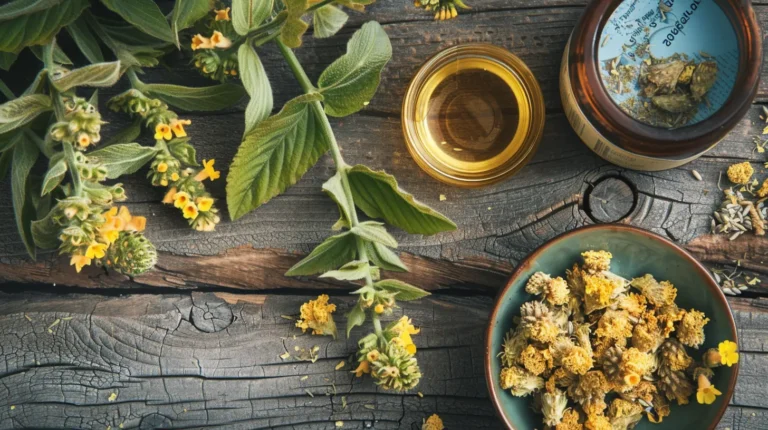
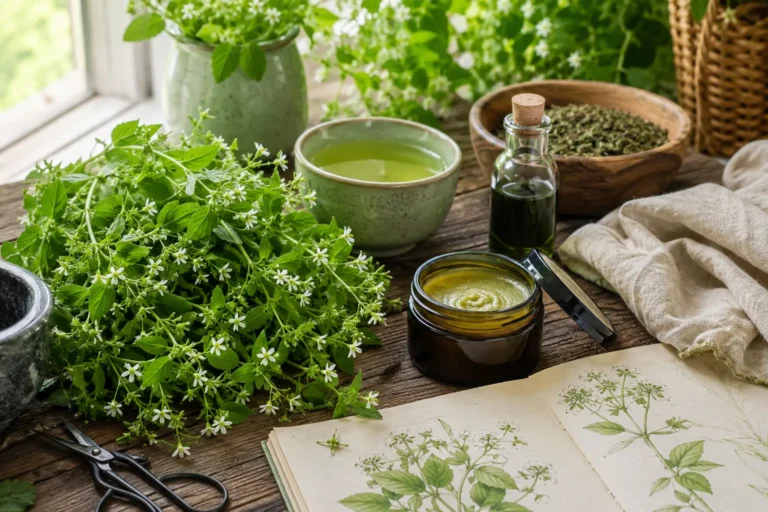
A Cooling Green Herb for Skin, and Digestion Traditionally, chickweed has been used primarily for cooling and soothing purposes, especially when skin or tissues feel dry, hot, itchy, or irritated. It is commonly prepared as a fresh poultice, infused oil,…
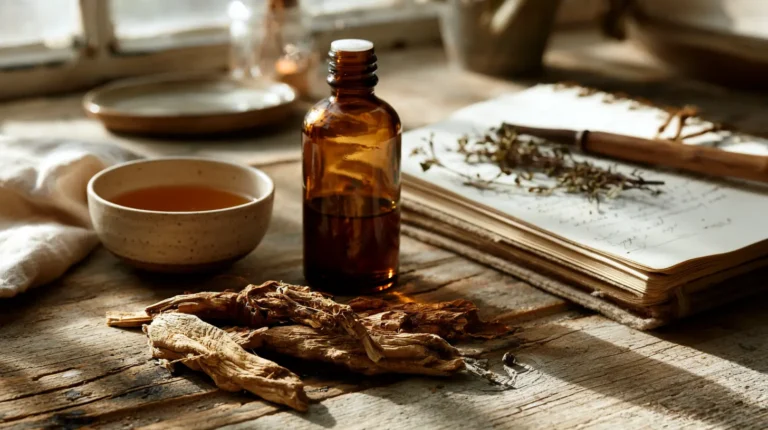
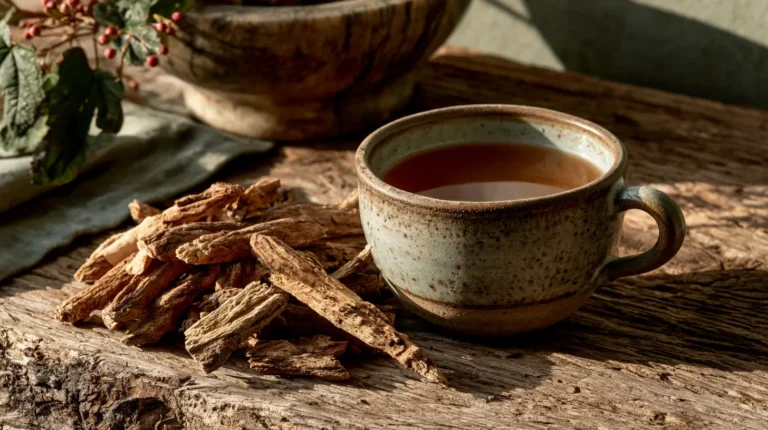
Gentian Root: Digestive Fire and Appetite Support

Gentian root is one of the most famous bitter herbs. Traditionally, gentian root has been used to support digestion, appetite, bile flow, and the body’s natural response to heavy meals. It is most often taken in small amounts before meals,…

Eleuthero: Stress Support, Stamina, and Everyday Resilience

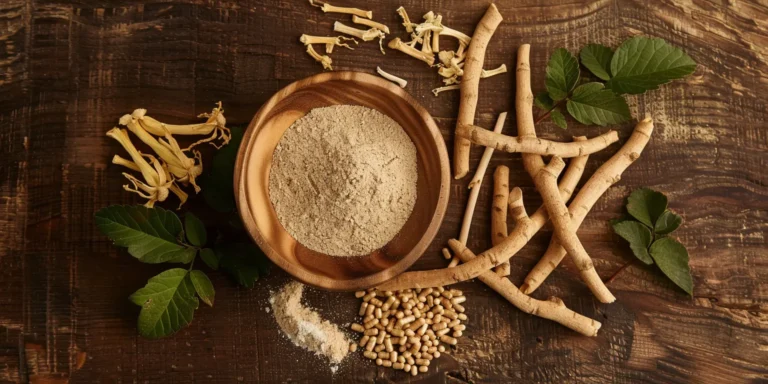
Eleuthero is a thorny shrub native to parts of northeastern Asia, including regions of Russia, China, Korea, and Japan. It is often called Siberian ginseng, but that name can be confusing because eleuthero is not a true ginseng. True ginsengs…

Slippery Elm: The Soothing Inner Bark for Throat, and Digestion

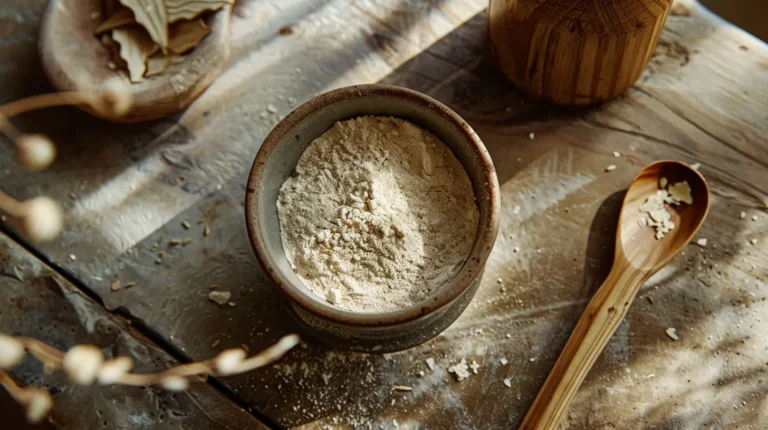
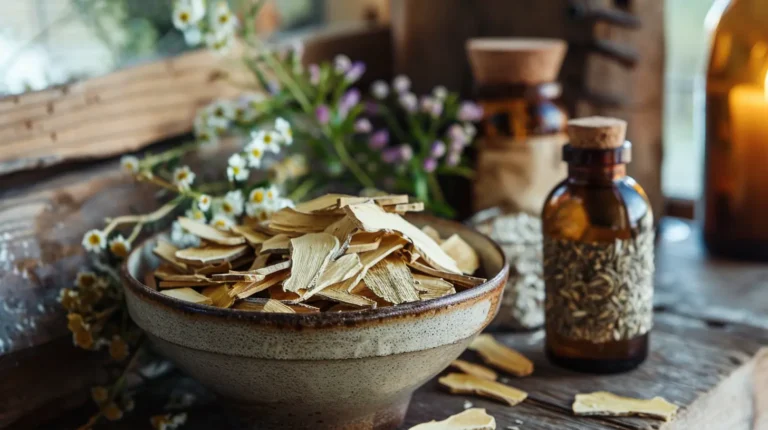
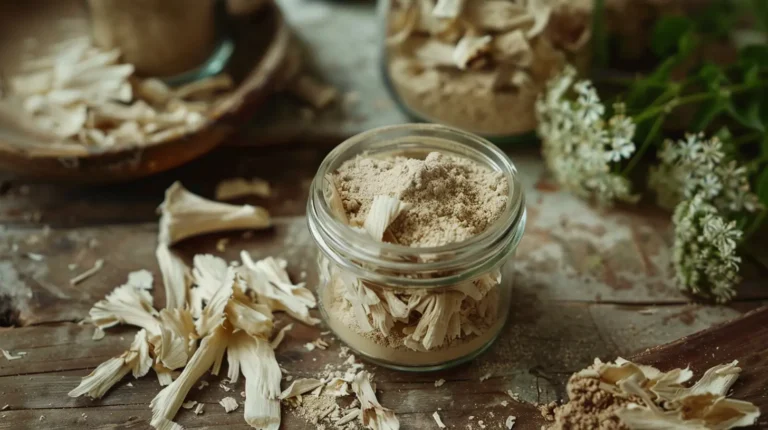
Slippery elm is a North American tree whose inner bark becomes silky, thick, and gel-like when mixed with water. That “slippery” texture is exactly why herbalists have traditionally used it for throat comfort, digestive soothing, and irritated mucous membranes. This…

Aloe Vera: The Cooling Succulent for Skin and Hydration

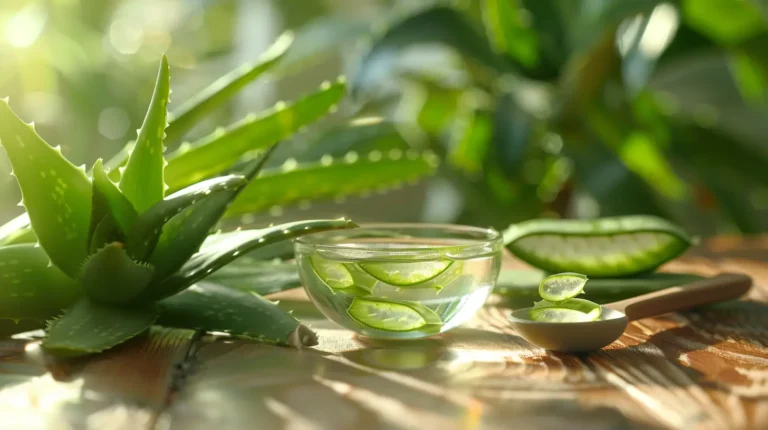
Aloe vera is a thick-leaved succulent best known for the clear gel inside its leaves. That gel has been traditionally used to cool, soothe, and moisturize the skin, especially after sun, heat, dryness, or minor everyday irritation. Aloe is simple-looking,…

Calendula: The Golden Flower for Skin, Comfort, and Herbal Care

Calendula is a bright orange or yellow flower in the Asteraceae family, traditionally used as a gentle skin, lymphatic, digestive, and mucous membrane herb. In herbalism, the flower heads are the main part used, especially the sticky green resinous base…

Nettle: The Mineral-Rich Herb for Energy and Urinary Health

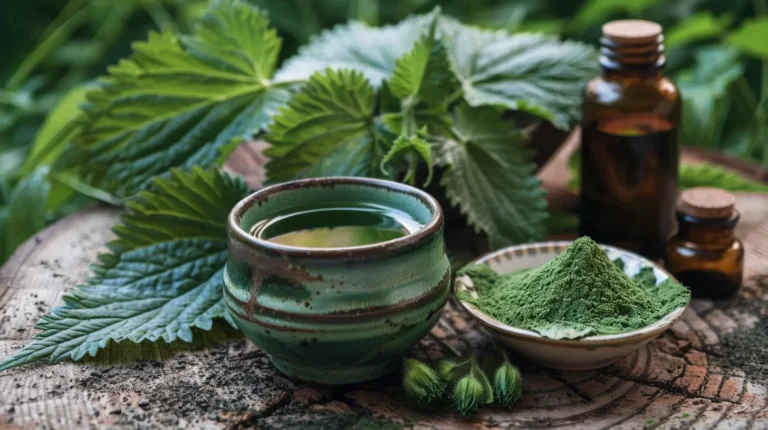
Nettle is a deeply nourishing green herb with a personality that is both generous and slightly prickly. Fresh nettle leaves are covered in tiny stinging hairs, but once dried, cooked, or properly prepared, the sting disappears and the plant becomes…