

Recipe Details
Preparation Type: Decoction
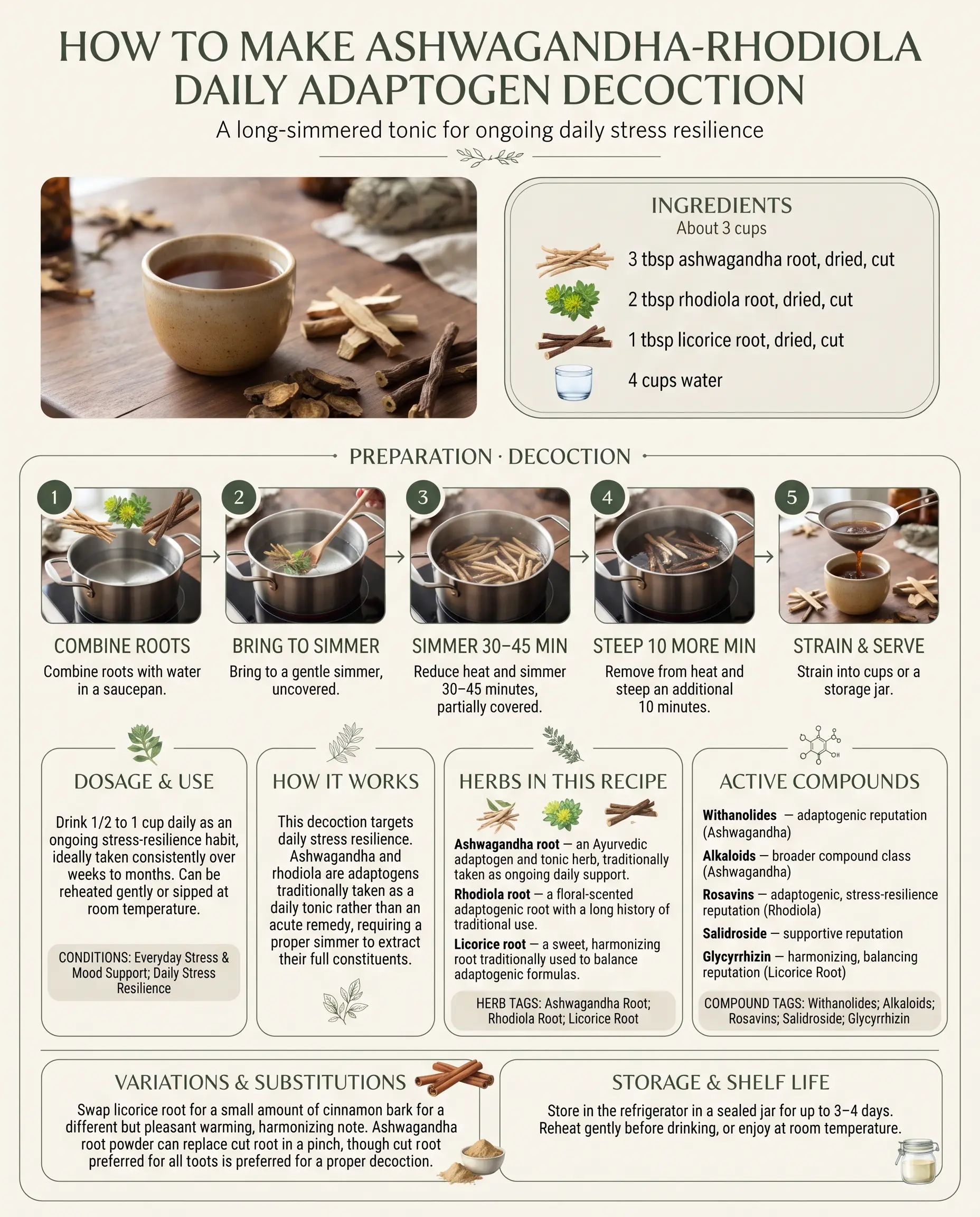
Ingredients
3 tbsp ashwagandha root, dried, cut
2 tbsp rhodiola root, dried, cut
1 tbsp licorice root, dried, cut
4 cups water
Preparation
- Combine ashwagandha, rhodiola, and licorice root in a saucepan with the water.
- Bring to a gentle simmer, uncovered.
- Reduce heat and simmer 30–45 minutes, partially covered.
- Remove from heat and let steep an additional 10 minutes.
- Strain into cups or a storage jar.
Yield: About 3 cups
Dosage & Usage
Drink 1/2 to 1 cup daily as an ongoing stress-resilience habit, ideally taken consistently over weeks to months rather than as a one-time remedy. Can be reheated gently or sipped at room temperature.
Precautions & Contraindications
Ashwagandha is a member of the nightshade family and is not recommended during pregnancy. Licorice root should not be used long-term or in large amounts by anyone with high blood pressure, liver disorders, edema, or heart disease. Rhodiola may be overly stimulating for some people in the evening — consider taking this decoction earlier in the day. Consult a healthcare practitioner before use if you have a thyroid condition, as ashwagandha’s traditional use may warrant extra caution in that context.
Health Conditions & How It Works
This decoction targets daily stress resilience, the kind of long-term, ongoing support people build into a routine rather than reaching for only during an acute stressful moment. Ashwagandha root and rhodiola root are both traditionally classified as adaptogens — tough, fibrous plant material taken as a daily tonic rather than an acute remedy, requiring a proper simmer to draw out their full constituents. Licorice root rounds out the blend with a sweet, harmonizing quality traditionally used to balance other herbs in a formula.


Herbs Used in This Recipe
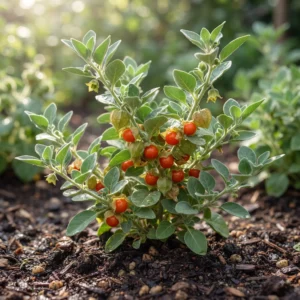
Ashwagandha root — an Ayurvedic adaptogen and tonic herb, traditionally taken as an ongoing daily support for coping with stress.
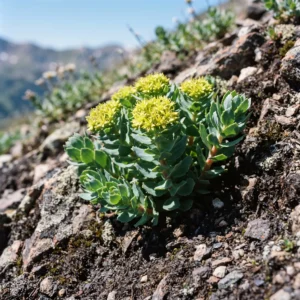
Rhodiola root — a floral-scented adaptogenic root with a long history of traditional use in Europe and Asia for supporting resilience.
Licorice root — a sweet, harmonizing root traditionally used to balance and round out adaptogenic formulas
Active Compounds
- Withanolides — signature steroidal lactone compounds traditionally tied to ashwagandha’s adaptogenic reputation (Ashwagandha)
- Alkaloids — a broader compound class present in ashwagandha alongside withanolides (Ashwagandha)
- Rosavins — signature compounds unique to rhodiola, traditionally associated with its adaptogenic, stress-resilience reputation (Rhodiola)
- Salidroside — another key rhodiola compound traditionally tied to its supportive reputation (Rhodiola)
- Glycyrrhizin — the primary sweet compound in licorice root, traditionally tied to its harmonizing, balancing reputation (Licorice Root)
Ready-to-Use Product
Mountain Rose Herbs Adapt Care Extract — a liquid extract built on ashwagandha, rhodiola, holy basil, eleuthero, and milky oats, formulated to support normal adrenal function and daily stress resilience, closely matching this formula’s daily-tonic intent (this ready-made version includes holy basil and eleuthero rather than licorice root, so it’s a related but not exact match).
Variations & Substitutions
Swap licorice root for a small amount of cinnamon bark if you’d rather avoid licorice’s blood-pressure caution — cinnamon offers a different but pleasant warming, harmonizing note. Ashwagandha root powder can replace cut root in a pinch, though cut root is generally preferred for a proper long-simmer decoction.
Storage & Shelf Life
Store the finished decoction in the refrigerator in a sealed jar for up to 3–4 days. Reheat gently before drinking, or enjoy at room temperature.
FAQ
Why does this recipe require such a long simmer? Ashwagandha and rhodiola roots are both dense, fibrous plant materials — a quick steep wouldn’t break down their cell walls enough to extract their full range of traditional constituents, which is why a 30–45 minute simmer is needed.
When during the day should I drink this? Many people find rhodiola’s traditional energizing quality better suited to earlier in the day, so drinking this decoction in the morning or early afternoon is a common approach, reserving gentler nervines for evening unwinding instead.
How is this different from the Lemon Balm-Chamomile Infusion in this series? The lemon balm-chamomile tea is a quick, in-the-moment formula for winding down at the end of a stressful day, while this decoction is a slow-building daily tonic meant for ongoing stress resilience over weeks and months — the two serve different roles rather than replacing one another.
How long before I’d notice anything from drinking this daily? Adaptogenic tonics like ashwagandha and rhodiola are traditionally understood as slow-building, cumulative support — consistent use over weeks to months is the traditional approach, not a single dose.
References
- NCCIH: Ashwagandha
- Mountain Rose Herbs: Rhodiola Root Organic
- Mountain Rose Herbs: Ashwagandha Root Organic
- American Herbalists Guild
Disclaimer
This content is for educational purposes only and has not been evaluated by the FDA. It is not intended to diagnose, treat, cure, or prevent any disease. Consult a qualified healthcare practitioner before using herbal preparations, particularly if pregnant, nursing, or taking medication.