

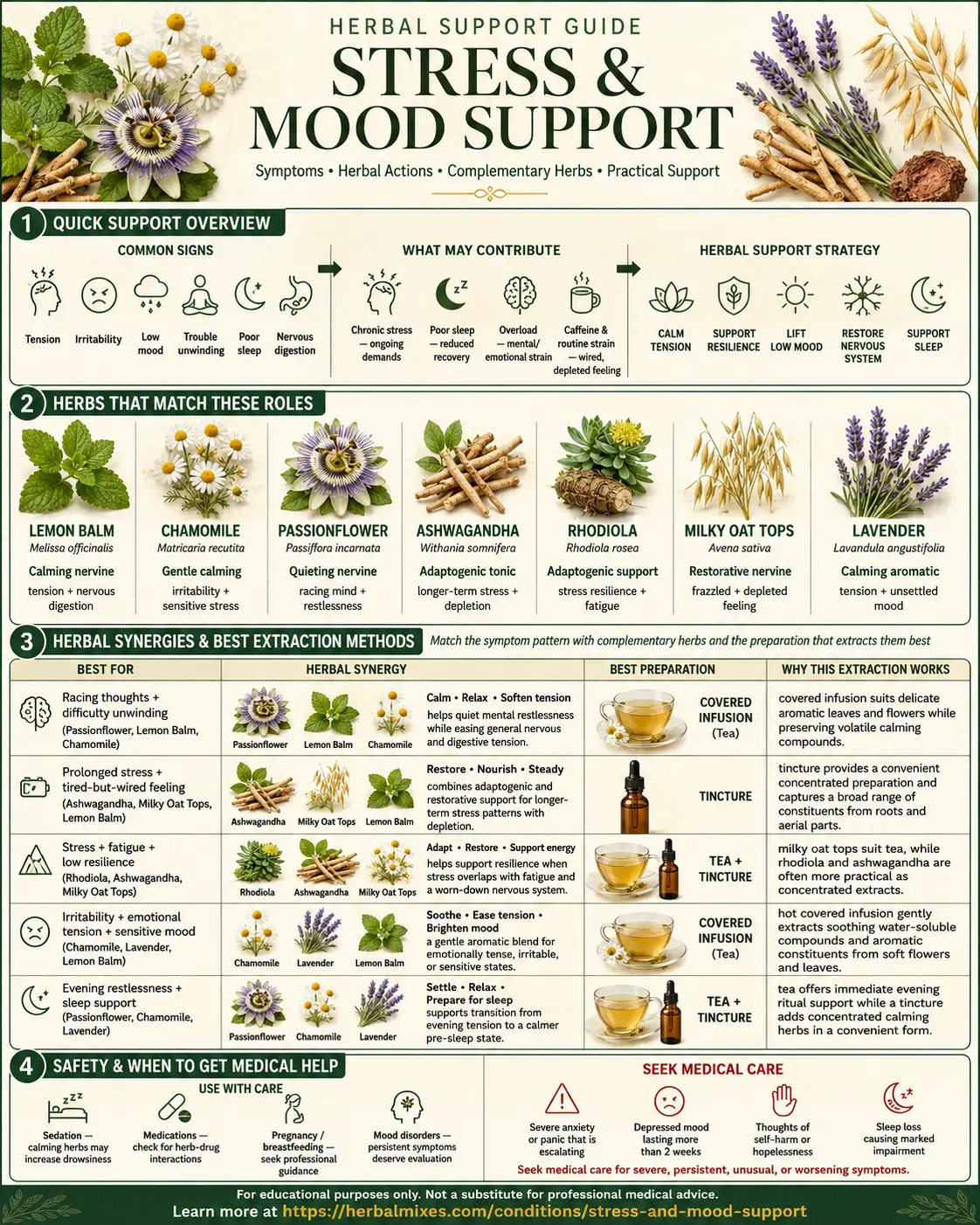
A practical strategy separates fast-acting calming herbs from slower, restorative stress-support herbs. Lemon balm, chamomile, passionflower, and lavender fit tension and difficulty unwinding; ashwagandha and rhodiola better match prolonged stress or low resilience; and milky oat tops are especially useful when ongoing stress leaves the nervous system feeling worn down.
Learn more about these herb:
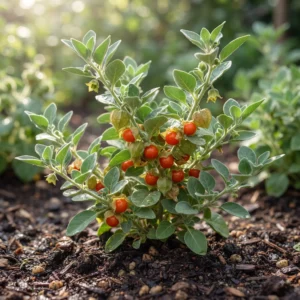
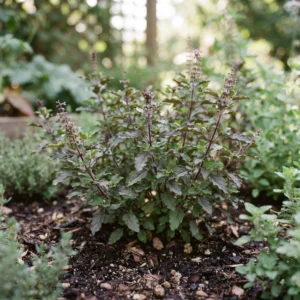
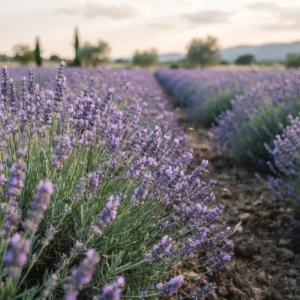

Available Ready-to-Use Products
If you prefer a ready-made option, these commercially available products contain herbs relevant to the approaches discussed above.
Prolonged stress + fatigue — Useful when adaptogenic support is the main goal. Gaia Herbs — Stress Response® — Contains rhodiola, holy basil, milky oats, schisandra, and ashwagandha, closely matching the longer-term stress-resilience strategy discussed above. (Gaia Herbs)
Daily stress resilience — A focused single-herb approach when ashwagandha is preferred. Gaia Herbs — Ashwagandha Root — Provides concentrated ashwagandha root for daily stress-response support rather than immediate sedative calming. (Gaia Herbs)
Stress + sustained energy — A broader adaptogenic formula for demanding periods. Gaia Herbs — Adrenal Health® Daily Support — Combines rhodiola, holy basil, ashwagandha, schisandra, and milky oats for everyday stress and energy support. (Gaia Herbs)
Longer-term physical + mental stress — A liquid extract option when concentrated adaptogens are preferred. Herb Pharm — Stress Manager™ — Uses eleuthero and other herbs in a formula designed for ongoing physical and mental stress rather than immediate sedation. (Herb Pharm)
Occasional anxious tension — Better suited to short periods of mild anxiousness than chronic stress. Herb Pharm — Mind Soother™: Lavender — A liquid formula containing kava and lavender designed for occasional mild anxiousness and relaxation. Because kava has important safety considerations, use only as directed and review medication or liver concerns first. (Herb Pharm)
Herbal Synergies & Best Extraction Methods
Passionflower + Lemon Balm + Chamomile
Best for: Racing thoughts, overthinking, mental restlessness, and difficulty unwinding at the end of the day.
Passionflower provides stronger calming support while lemon balm and chamomile soften mental and physical tension.
Best Preparation: Covered Infusion (Tea). The soft leaves and flowers extract well in hot water, while covering the tea helps retain aromatic constituents.
Ashwagandha + Milky Oat Tops + Lemon Balm
Best for: Prolonged stress, feeling worn down, nervous exhaustion, and difficulty recovering between demanding days.
Ashwagandha emphasizes stress resilience, milky oats provide traditional restorative nervine support, and lemon balm adds a gentler calming component.
Best Preparation: Tincture. A liquid extract conveniently combines the root with fresh or delicate aerial herbs in a concentrated preparation.
Rhodiola + Ashwagandha + Milky Oat Tops
Best for: Stress accompanied by fatigue, low stamina, reduced motivation, and feeling mentally depleted.
Rhodiola adds a more energizing adaptogenic quality, ashwagandha supports stress resilience, and milky oats soften the formula with restorative nervous-system support.
Best Preparation: Tea + Tincture. Milky oats suit tea, while rhodiola and ashwagandha are often more practical as concentrated extracts.
Chamomile + Lavender + Lemon Balm
Best for: Irritability, emotional tension, sensitive mood, and difficulty relaxing without marked exhaustion.
These three herbs provide a gentler aromatic and nervine combination that emphasizes soothing rather than stimulation.
Best Preparation: Covered Infusion (Tea). All three are aromatic aerial herbs whose volatile constituents are better preserved in a covered infusion.
Passionflower + Chamomile + Lavender
Best for: Evening restlessness, stress that interferes with sleep, and difficulty transitioning from activity to rest.
Passionflower provides the strongest quieting action, while chamomile and lavender add gentle physical and emotional relaxation.
Best Preparation: Tea + Tincture. Tea provides a calming evening ritual while passionflower tincture offers a convenient concentrated option.
Herbal Properties Required
For everyday stress and mood support, the most useful herbal properties are typically adaptogenic, nervine, calming, restorative, and mood-supportive actions. Nervines help ease immediate tension and difficulty settling, while adaptogens are better suited to longer-lasting stress and fatigue; restorative herbs become especially relevant when a person feels depleted, and selected aromatics may provide additional calming or mood-balancing support.



Herbs With These Properties
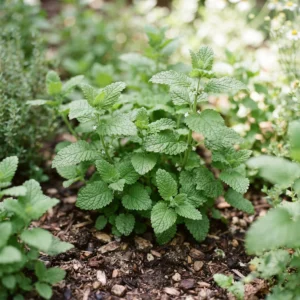
Lemon Balm (Melissa officinalis) — Calm tension + nervous digestion. A gentle nervine and aromatic herb traditionally used for restlessness and digestive tension. A systematic review found possible benefits for anxiety and depressive symptoms, although studies were small and heterogeneous. (PubMed)
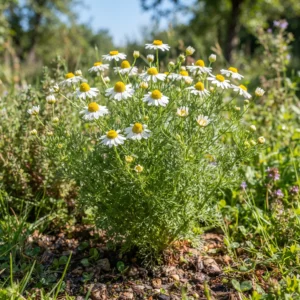
Chamomile (Matricaria recutita) — Gentle calming + sensitive stress. Chamomile is useful when tension overlaps with irritability, digestive discomfort, or difficulty settling. Preliminary clinical studies suggest possible benefit for anxiety, although evidence is not yet conclusive. (NCCIH)
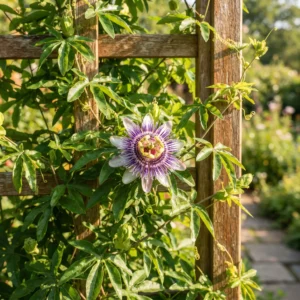
Passionflower (Passiflora incarnata) — Racing thoughts + mental restlessness. A stronger calming nervine than lemon balm or chamomile, passionflower is traditionally used when stress presents as overthinking, agitation, or trouble switching off. Human research is limited but suggests possible anxiety-reducing effects. (NCCIH)
Ashwagandha (Withania somnifera) — Prolonged stress + resilience. This adaptogenic root is better suited to ongoing stress involving fatigue, poor recovery, or disrupted sleep. Meta-analyses suggest improvements in perceived stress and anxiety, though study quality and formulations vary. (PubMed)
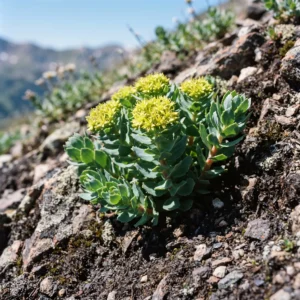
Rhodiola (Rhodiola rosea) — Stress + mental fatigue. A more stimulating adaptogen that fits stress patterns involving exhaustion, reduced stamina, and mental fatigue. Research suggests possible benefit, but older reviews note inconsistent findings and methodological limitations. (PubMed)
Milky Oat Tops (Avena sativa) — Nervous-system depletion + restoration. Traditionally used as a restorative nervine when chronic stress leaves someone feeling frazzled, emotionally thin, or exhausted rather than simply anxious.
Lavender (Lavandula angustifolia) — Calming aromatic + unsettled mood. Lavender may help ease nervous tension and mild anxiousness. Meta-analyses suggest benefit for anxiety with some lavender preparations, although route, formulation, and study quality differ considerably. (PubMed)
Use With Care
- Ashwagandha may affect thyroid function and is generally avoided during pregnancy; concentrated products deserve extra caution with thyroid, autoimmune, or sedating medications.
- Rhodiola can feel stimulating for some people and may not suit individuals with bipolar disorder; Gaia specifically advises against its use in bipolar disorder. (Gaia Herbs)
- Passionflower may cause drowsiness, dizziness, or confusion and can interact with anesthesia or other sedating drugs. (NCCIH)
- Chamomile may trigger allergic reactions in people sensitive to ragweed-family plants and has reported or theoretical interactions with warfarin and some other medications. (NCCIH)
- Avoid combining multiple strongly calming herbs with alcohol, sleep medications, or other sedatives without professional guidance.
If you take prescription medication, are pregnant or breastfeeding, or have a medical condition, check with a qualified healthcare professional before using concentrated herbal products.
When to Get Medical Help
Seek medical evaluation if you experience:
- Stress, anxiety, or low mood that persists for several weeks or significantly interferes with work, sleep, relationships, or daily functioning.
- Frequent panic attacks, escalating anxiety, or inability to calm down.
- Persistent depressed mood, loss of interest, or major changes in sleep, appetite, or functioning.
- Severe insomnia, exhaustion, or physical symptoms such as chest pain, fainting, or unexplained palpitations.
- Thoughts of self-harm, suicide, or feeling unable to stay safe—seek urgent professional or emergency help.
Persistent, severe, unusual, or worsening symptoms should be evaluated by a healthcare professional.
Frequently Asked Questions
What is the best herb for everyday stress?
For mild day-to-day tension, lemon balm is one of the most practical starting herbs. When stress has been prolonged and is accompanied by fatigue or poor recovery, ashwagandha is usually a better fit. Clinical reviews suggest ashwagandha may reduce stress scores, but evidence quality varies. (PubMed)
What is the best combination when I can’t switch my mind off?
Passionflower + lemon balm + chamomile is a useful pattern-based combination. Passionflower emphasizes racing thoughts, lemon balm eases general nervous tension, and chamomile adds gentle relaxation and digestive comfort.
Which herbs are better when stress makes me tired?
Consider rhodiola + ashwagandha + milky oat tops. Rhodiola is more stimulating and better matched to mental fatigue, while ashwagandha provides broader stress-resilience support and milky oats offer traditional restoration. Evidence for rhodiola remains less consistent than for some better-studied adaptogens. (PubMed)
Is tea or tincture better for stress?
For lemon balm, chamomile, lavender, and passionflower, tea can be practical and calming. Roots such as ashwagandha and rhodiola are often more convenient as tinctures, capsules, or standardized extracts. Mixed formulas frequently work well as tea + tincture.
Can herbs replace treatment for anxiety or depression?
No. Herbal support may be reasonable for mild, occasional stress, but persistent anxiety or low mood deserves proper assessment. NCCIH notes that evidence for many herbal approaches remains preliminary, and established psychological or medical treatments may be more appropriate for anxiety disorders. (NCCIH)
References
National Center for Complementary and Integrative Health — Passionflower: Usefulness and Safety
Read the NCCIH passionflower overview (NCCIH)
National Center for Complementary and Integrative Health — Chamomile: Usefulness and Safety
Read the NCCIH chamomile overview (NCCIH)
National Center for Complementary and Integrative Health — Anxiety and Complementary Health Approaches
Read the NCCIH evidence overview (NCCIH)
Kenda et al. — Effects of Ashwagandha on Stress and Anxiety: Systematic Review and Meta-analysis
View the PubMed record (PubMed)
Ghazizadeh et al. — Lemon Balm and Anxiety and Depression: Systematic Review and Meta-analysis
View the PubMed record (PubMed)
Donelli et al. — Effects of Lavender on Anxiety: Systematic Review and Meta-analysis
View the PubMed record (PubMed)
Hung et al. — Rhodiola rosea for Physical and Mental Fatigue: Systematic Review
View the PubMed record (PubMed)
Disclaimer
For educational purposes only. This information is not intended to diagnose, treat, cure, or prevent disease. Herbal products may cause side effects or interact with medications. Consult an appropriate healthcare professional if you have a medical condition, take medication, are pregnant or breastfeeding, or have persistent or concerning symptoms.