

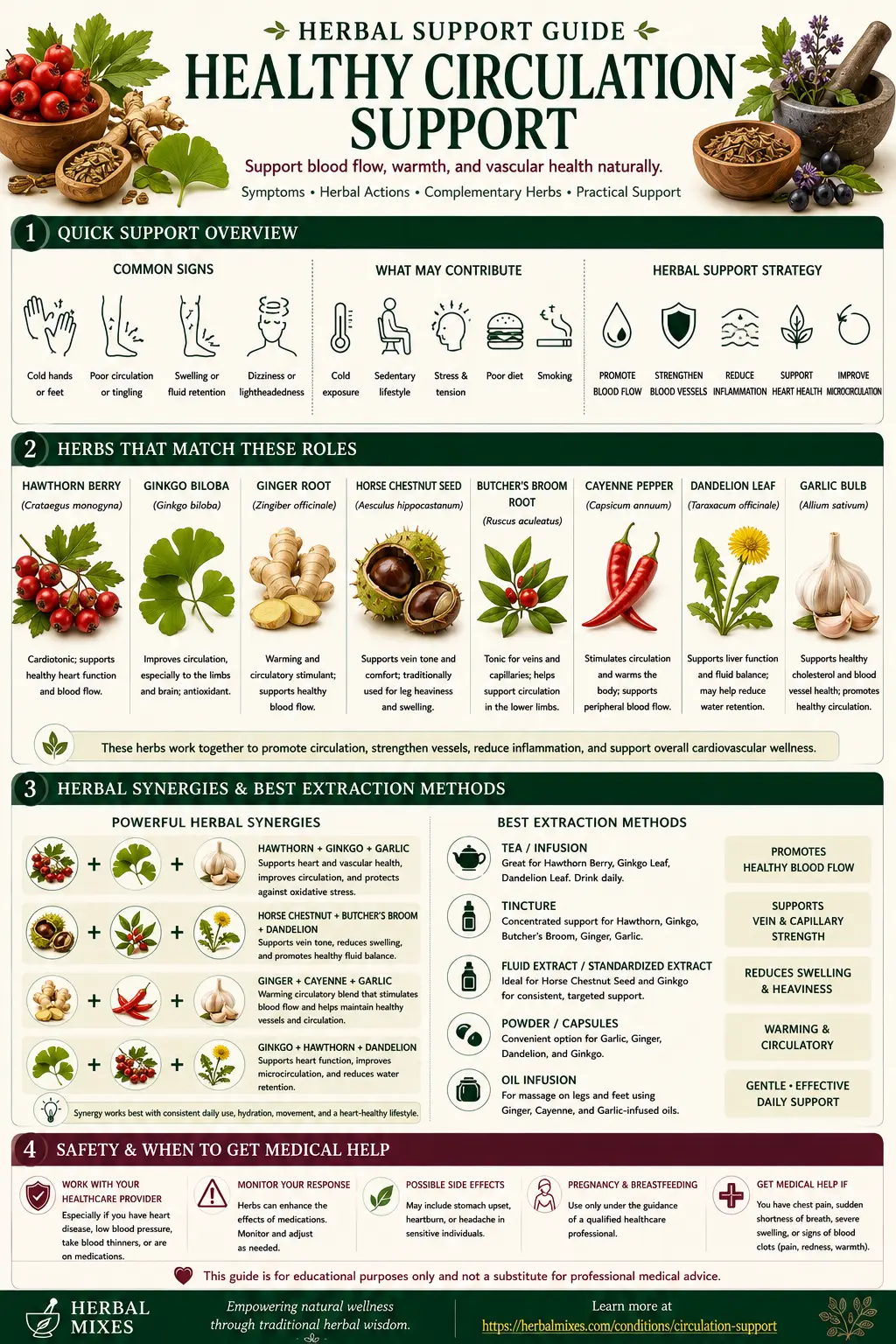
Herbal support for circulation combines warming stimulants for peripheral blood flow, vasotonics to strengthen vein and capillary walls, and vasodilators to relax arterial pathways. The specific choice of herbs depends heavily on whether cold hands and feet, heavy lower legs, or overall cardiovascular blood flow is the primary focus.
Learn more about these herb:
Available Ready-to-Use Products
If you prefer a ready-made option, these commercially available products contain herbs relevant to the approaches discussed above.
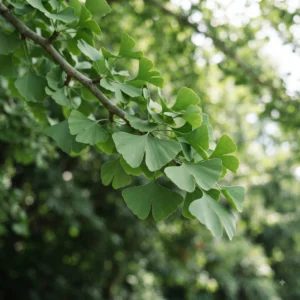
Targeted Microcirculation & Cognitive Blood Flow — Standardized botanical extract for healthy peripheral and cerebral circulation. Thorne — Ginkgo Biloba 50mg — High-purity ginkgo extract supports healthy microvascular blood flow, memory, and extremity circulation.
Venous Tone & Leg Health Support — Herbal supplement formulated for lower leg comfort and vein support. Nature’s Way — Horse Chestnut Standardized Extract — Standardized aescin extract helps tone vein walls and relieve occasional heavy-leg discomfort.
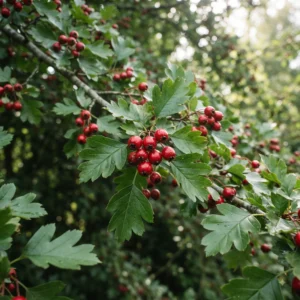
Comprehensive Cardiovascular & Vascular Tonic — Daily heart and vessel support blend. Gaia Herbs — Hawthorn / Heart Support — Concentrated hawthorn berry and leaf extract promotes overall cardiovascular strength and healthy peripheral blood flow.
Warming Circulatory & Extremity Support — Fast-acting botanical formula for warming cold hands and feet. [Solaray — Cayenne / Garlic / Hawthorn / or similar circulation blends] No direct single ideal match; individual-herb tinctures or custom warming teas offer a closer fit for specific circulatory needs.
Herbal Synergies & Best Extraction Methods
Ginkgo + Hawthorn + Gotu Kola
Best for: Cold hands and feet, sluggish peripheral blood flow, and maintaining overall vascular elasticity. Ginkgo opens microcapillary beds in the extremities, hawthorn tones major arterial pathways, and gotu kola strengthens blood vessel walls. Best Preparation: Standardized Extract or Tincture. Standardized extracts ensure consistent concentrations of delicate active flavonoids and ginkgolides.
Horse Chestnut + Gotu Kola + Hawthorn
Best for: Heavy, tired lower legs, sluggish venous return, and occasional mild swelling in the calves or ankles. Horse chestnut tightens and tones venous walls, gotu kola reinforces connective tissue structures, and hawthorn supports overall vascular tone. Best Preparation: Standardized Extract or Topical Salve. Standardized aescin capsules or topical preparations target lower leg venous integrity directly.
Cayenne + Ginger + Hawthorn
Best for: Sudden cold extremities, sluggish circulation, and building internal metabolic warmth. Cayenne and ginger act as rapid warming catalysts to drive blood into peripheral capillaries, while hawthorn sustains long-term cardiovascular health. Best Preparation: Tincture. Alcohol-water liquid extracts efficiently capture pungent capsaicin and warming gingerols for immediate action.
Ginkgo + Ginger + Gotu Kola
Best for: Mental sluggishness linked to poor head circulation, cold-weather sensitivity, and minor extremity numbness. Ginkgo enhances cerebral and microvascular blood flow, ginger warms circulation, and gotu kola supports endothelial wall strength. Best Preparation: Tincture + Covered Infusion (Tea). Combines a potent ginkgo leaf extract with a warming ginger infusion for comprehensive circulatory care.
Herbal Properties Required
For healthy circulation support, the most useful herbal properties are typically vasodilating, vasotonic, circulatory stimulant, antioxidant, and anti-inflammatory. Vasodilators and stimulants help widen blood vessels and propel blood flow, while vasotonics strengthen and tone vein walls, whereas antioxidants protect endothelial linings from oxidative wear.


Herbs With These Properties
Hawthorn (Crataegus monogyna / laevigata) — Cardiovascular tonic + arterial elasticity. A revered berry, leaf, and flower rich in oligomeric procyanidins; traditionally used to tone heart muscle, support healthy peripheral circulation, and improve arterial elasticity.
Ginkgo (Ginkgo biloba) — Microvascular circulation + cognitive blood flow. An ancient fan-leaved botanical rich in ginkgolides and flavonoids; highly effective for improving blood flow through tiny capillary beds in the extremities, hands, feet, and brain.
Horse Chestnut (Aesculus hippocastanum) — Venous tone + capillary wall strengthening. A therapeutic tree nut rich in aescin; traditionally utilized to support venous valve integrity, reduce lower leg heaviness, and encourage healthy downward blood return.
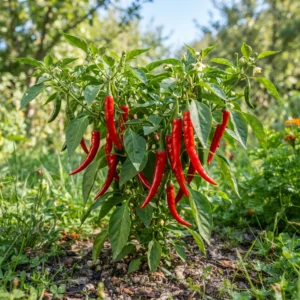
Cayenne / Chili Pepper (Capsicum annuum) — Rapid circulatory stimulant + warmth. A pungent red fruit containing capsaicin; acts as a powerful warming catalyst that instantly drives blood flow to peripheral tissues and extremities.
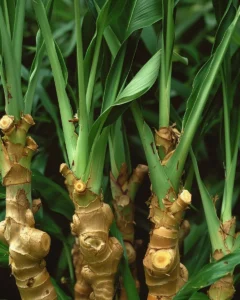
Ginger (Zingiber officinale) — Warming peripheral circulation + digestive warmth. A pungent rhizome containing gingerols and shogaols; helps stimulate microcirculation, warm cold hands and feet, and support cardiovascular flow.
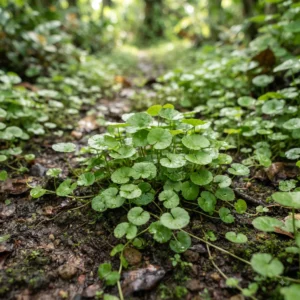
Gotu Kola (Centella asiatica) — Connective tissue vein support + microcirculation. A delicate trailing leaf rich in triterpenoid saponins; excellent for strengthening the structural integrity of blood vessel walls and supporting healthy venous circulation.
Use With Care
- Exercise caution with blood-thinning herbs like ginkgo and high-dose cayenne or ginger if you are taking anticoagulant or antiplatelet medications (such as warfarin or aspirin), as combined use can increase bleeding risks.
- Avoid high therapeutic doses of horse chestnut seed extracts if you have active kidney or liver impairment, and ensure commercial extracts are properly processed to remove toxic saponins.
- Monitor for mild gastrointestinal warmth when consuming potent spicy stimulants like cayenne or ginger.
- Consult a healthcare professional before combining circulatory herbs with prescription blood pressure or cardiovascular medications.
- If you take prescription medication, are pregnant or breastfeeding, or have a medical condition, check with a qualified healthcare professional before using concentrated herbal products.
When to Get Medical Help
Seek medical evaluation if you experience:
- Sudden, severe swelling, pain, or redness in one leg only, which can indicate a deep vein thrombosis (DVT) requiring immediate medical attention.
- Chest pain, pressure, or shortness of breath associated with physical exertion or resting.
- Sudden numbness, weakness, or coldness in a single limb or extremity, accompanied by skin color changes.
- Non-healing sores or ulcers on the lower legs or feet. Persistent, severe, unusual, or worsening symptoms should be evaluated by a healthcare professional.
Frequently Asked Questions
How does ginkgo biloba improve circulation in the hands and feet?
Ginkgo biloba contains unique terpene lactones and flavonoids that help relax the smooth muscle walls of microcapillaries. This action reduces blood viscosity and widens tiny blood vessels, allowing blood to flow more freely into the smallest extremities like fingers and toes.
Why are horse chestnut and gotu Kola helpful for lower leg heaviness?
Both herbs act as vasotonics and connective tissue strengtheners. Horse chestnut contains aescin, which helps seal leaky capillary walls and tone lax venous valves, while gotu kola reinforces the collagen matrix surrounding blood vessels to assist downward blood return.
Can circulatory herbs be combined with prescription blood thinners?
Because herbs like ginkgo, garlic, and high-dose ginger have natural antiplatelet or vasodilating properties, combining them with pharmaceutical blood thinners can increase the risk of bruising or bleeding. Always consult your cardiologist or physician before mixing them.
Why do cayenne and ginger provide a warming sensation in circulation?
Pungent compounds like capsaicin (in cayenne) and gingerols (in ginger) activate sensory thermoreceptors on blood vessels and skin cells. This triggers an immediate, localized vasodilation and surge of warm blood to the surface layers and extremities.
References
National Center for Complementary and Integrative Health (NCCIH) — Ginkgo Biloba Overview: NCCIH Overview PubMed — Ginkgo biloba in Peripheral and Cerebral Circulation: PubMed Central Review PubMed — Horse Chestnut Seed Extract in Chronic Venous Insufficiency: PubMed Study American Botanical Council — Hawthorn Monograph and Circulatory Actions: HerbalGram Reference
Disclaimer
For educational purposes only. This information is not intended to diagnose, treat, cure, or prevent disease. Herbal products may cause side effects or interact with medications. Consult an appropriate healthcare professional if you have a medical condition, take medication, are pregnant or breastfeeding, or have persistent or concerning symptoms.