Herbal Preparations and Recipes
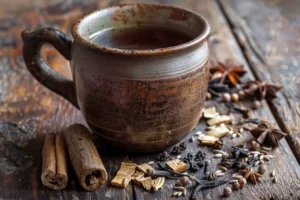
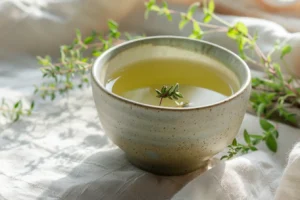
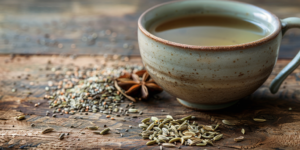
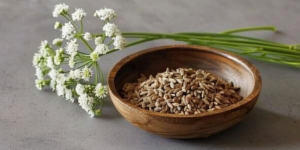
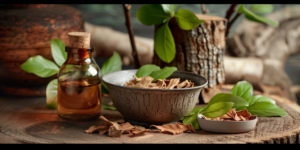
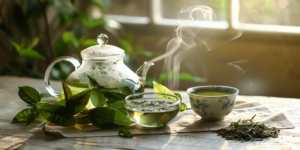
In herbal practice, the form in which an herb is prepared plays an important role in how it is experienced. Teas and infusions are often favored for nervous tension because they combine hydration, warmth, aroma, and ritual, all of which signal safety to the nervous system. Tinctures and glycerites are traditionally used when convenience or consistency is important, or when taste is a barrier.
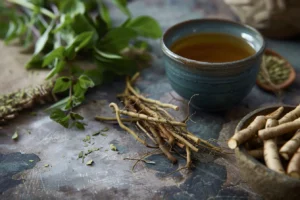
Many people learn about these options through individual herb profiles, herbal preparation guides, or simple blend recipes designed for regular, supportive use. Regulatory reviews by the European Medicines Agency consider both traditional use and preparation methods when evaluating herbal preparations intended for nervous system support European Medicines Agency (EMA).
What Is Nervous Tension and Anxiety?
Nervous tension and anxiety describe states of heightened nervous system activity. They often involve persistent alertness, worry, or internal restlessness that doesn’t easily resolve with rest. The World Health Organization notes that anxiety-related experiences are among the most common mental and emotional health concerns globally, existing along a broad spectrum of intensity and duration World Health Organization (WHO).
From a non-clinical perspective, these states can be understood as the nervous system having difficulty shifting out of “on” mode, even when there is no immediate threat.
Why It Happens
The nervous system is designed to respond quickly to challenge. When stressors are frequent, unpredictable, or emotionally charged, that response can become habitual. Factors such as ongoing stress, poor sleep, emotional overload, stimulants, blood sugar swings, and lack of restorative downtime can all contribute.
The National Center for Complementary and Integrative Health explains that prolonged activation of stress pathways can influence mood, sleep, digestion, and overall sense of well-being National Center for Complementary and Integrative Health (NCCIH). Nervous tension and anxiety often reflect a system doing its best to cope with cumulative demands.
How It Commonly Shows Up
In daily life, nervous tension and anxiety can look different from person to person. Some people notice racing thoughts, difficulty relaxing, or constant mental planning. Others experience physical signs such as muscle tightness, shallow breathing, digestive discomfort, or trouble sleeping. Emotionally, there may be irritability, worry, or a sense of being easily overwhelmed.
These experiences are best understood as communication from the nervous system rather than as personal shortcomings.
Foundations of Support
Traditional herbalism emphasizes that herbs work best when combined with supportive foundations. Regular meals, steady blood sugar, time outdoors, meaningful rest, and predictable routines all help signal safety to the nervous system. Herbs are seen as companions to these foundations, not replacements for them.
This holistic view helps explain why gentle, consistent support often feels more effective than dramatic interventions when it comes to nervous tension.
Learning More
Those interested in a deeper exploration of nervine herbs may find the monographs published by the American Herbal Pharmacopoeia especially valuable. These resources bridge traditional herbal knowledge with modern phytochemical and clinical research American Herbal Pharmacopoeia (AHP). Public health perspectives on stress and anxiety are also discussed by organizations such as the World Health Organization and NCCIH.
FAQ
Is nervous tension the same as anxiety?
They overlap, but nervous tension often describes a physical or energetic state, while anxiety may include emotional and cognitive components.
Can herbs make you feel numb or sedated?
Traditionally used nervines are generally described as calming and supportive rather than numbing or heavily sedating.
Why does anxiety affect sleep so strongly?
An activated nervous system can interfere with the natural transition into rest and repair, making it harder to fall or stay asleep.
Do digestive symptoms really relate to nervous tension?
Yes. The gut and nervous system are closely connected, and stress often shows up in digestion.
Is nervous tension always caused by stress?
Stress is a common factor, but nutritional status, life transitions, and emotional load can also play roles.
References