

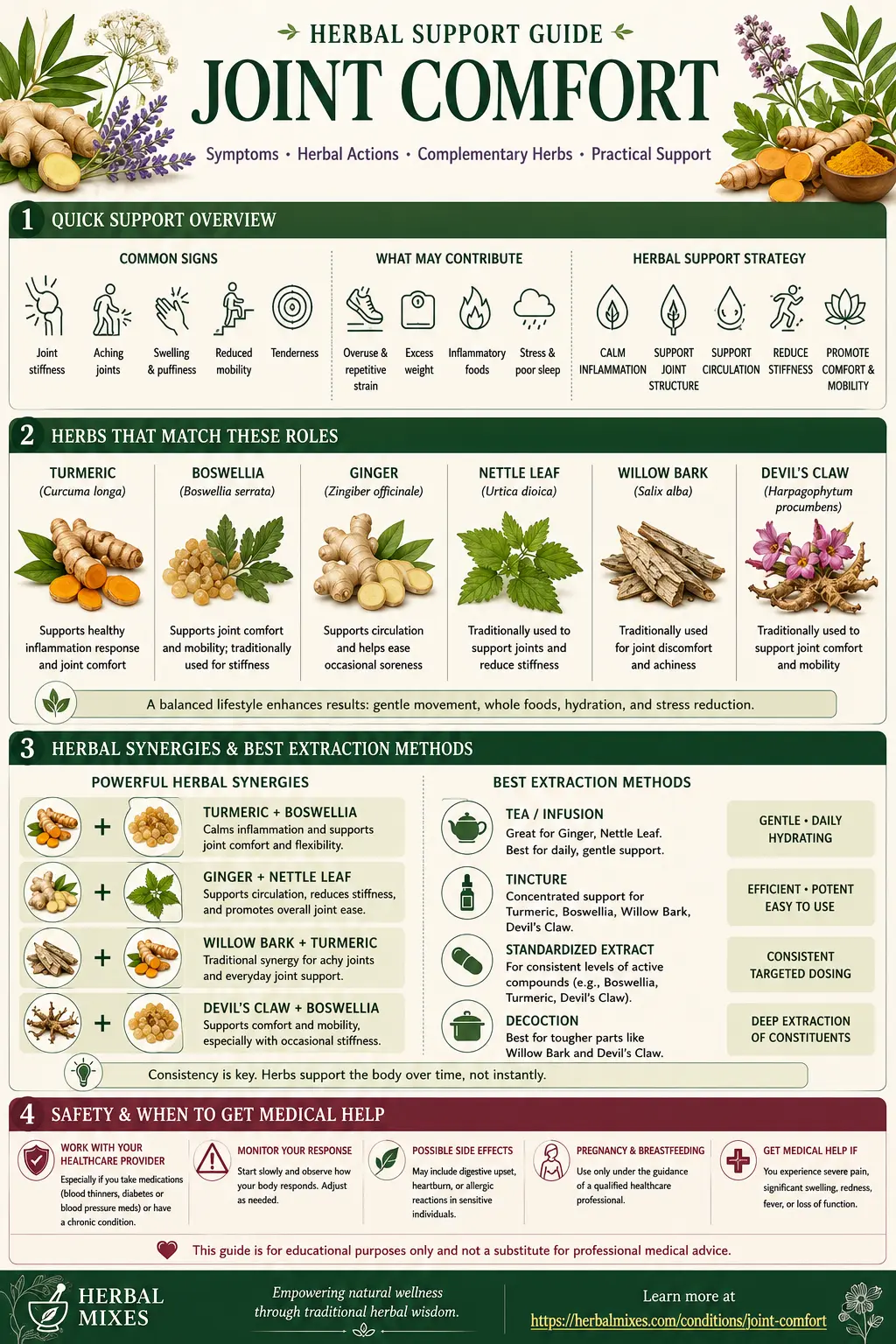
Herbal support for joint health combines potent anti-inflammatory botanicals for pain pathway modulation, tissue-supportive herbs for cartilage health, and warming circulatory stimulants to enhance joint nourishment. The specific choice of herbs depends heavily on whether acute flare-ups, morning stiffness, or chronic wear-and-tear is the primary focus.
Learn more about these herb:
Available Ready-to-Use Products
If you prefer a ready-made option, these commercially available products contain herbs relevant to the approaches discussed above.
Advanced Joint Comfort & Mobility — Comprehensive botanical formula targeting deep joint stiffness and inflammatory pathways. Gaia Herbs — Turmeric Supreme Joint Pain Relief — Combines concentrated turmeric, boswellia, and black pepper extract for enhanced bioavailability and joint support.
Resin-Based Cartilage Support — Targeted herbal blend focusing on connective tissue protection and flexibility. Thorne — Boswellia-SR — Sustained-release boswellia phytosome provides long-lasting support for joint comfort and a normal inflammatory response.
Traditional Ache & Stiffness Relief — Herbal remedy utilizing classic European roots for mobility support. Nature’s Way — Devil’s Claw Root — Standardized harpagosides help ease stiffness and support normal physical function in overworked joints.
Warming Circulatory & Joint Tonic — Soothing herbal preparation for daily joint flexibility and recovery. Banyan Botanicals — Joint Support Formula — Ayurvedic herbal blend featuring ashwagandha, turmeric, and guggulu to nourish and lubricate joint tissues.
Herbal Synergies & Best Extraction Methods
Turmeric + Boswellia + Ginger
Best for: Deep-seated, chronic joint stiffness, systemic inflammation, and daily mobility maintenance. Turmeric and boswellia target primary inflammatory pathways (COX and LOX), while ginger provides warming circulation to deliver active compounds directly to joint tissues. Best Preparation: Standardized Extract or Dual Extraction. Maximizes bioavailability and concentration of fat-soluble curcuminoids and boswellic acids for deep tissue impact.
Devil’s Claw + Meadowsweet + Ginger
Best for: Acute flare-ups, sharp discomfort upon movement, and stubborn stiffness in large joints. Devil’s claw provides robust relief for deep aches, meadowsweet offers gentle salicylate-based soothing, and ginger enhances overall blood flow to the affected area. Best Preparation: Tincture or Decoction. Alcohol-water tinctures or simmered decoctions efficiently extract complex glycosides and soothing plant acids from tough roots and barks.
Turmeric + Willow Bark + Meadowsweet
Best for: Morning stiffness, widespread musculoskeletal tension, and heat or swelling in active joints. Turmeric moderates long-term inflammatory signals, while willow bark and meadowsweet deliver natural soothing compounds for immediate relief. Best Preparation: Standardized Extract + Covered Infusion (Tea). Combines potent capsule extracts for foundational support with a soothing daily tea for immediate botanical comfort.
Boswellia + Turmeric + Meadowsweet
Best for: Connective tissue wear-and-tear, post-exercise joint recovery, and maintaining joint cushioning. Boswellia protects structural cartilage integrity from enzymatic breakdown, supported by the powerful systemic anti-inflammatory actions of turmeric and meadowsweet. Best Preparation: Standardized Extract (Capsule). Ensures precise, reliable dosing of resin acids and curcuminoids essential for structural joint support.
Herbal Properties Required
For joint comfort, the most useful herbal properties are typically anti-inflammatory, analgesic, vulnerary, antioxidant, and adaptogenic. Anti-inflammatory and analgesic herbs help modulate discomfort pathways and ease physical tension, while vulnerary and antioxidant actions support tissue repair and protect joint structures from oxidative damage, whereas adaptogens help buffer stress-mediated inflammation.





Herbs With These Properties
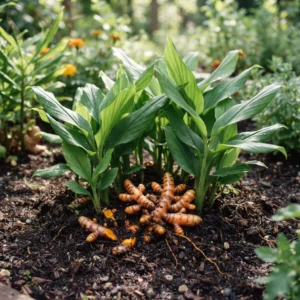
Turmeric (Curcurma longa) — Inflammatory pathway modulation + antioxidant protection. A vibrant golden rhizome containing curcuminoids; traditionally used to inhibit inflammatory enzymes (like COX-2 and 5-LOX) and support long-term joint mobility.
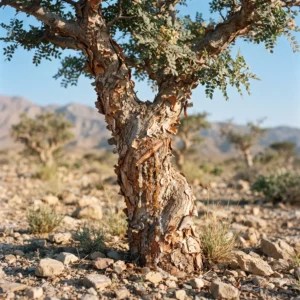
Boswellia / Indian Frankincense (Boswellia serrata) — Cartilage protection + 5-LOX inhibition. A therapeutic tree resin containing boswellic acids; highly effective at supporting joint comfort, reducing connective tissue breakdown, and maintaining smooth movement.
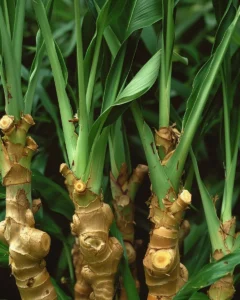
Ginger (Zingiber officinale) — Warming circulation + pain modulation. A pungent underground rhizome containing gingerols and shogaols; helps ease acute joint stiffness by promoting local microcirculation and soothing inflammatory pathways.
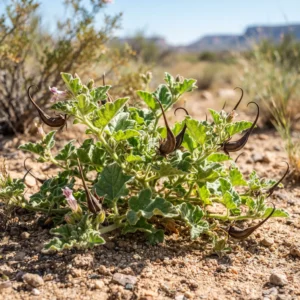
Devil’s Claw (Harpagophytum procumbens) — Ache relief + mobility support. A sprawling African root tuber containing harpagosides; traditionally utilized to ease stiffness and support comfort in overworked joints and lower back tissues.
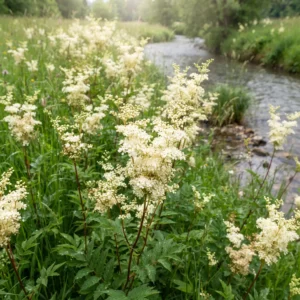
Meadowsweet (Filipendula ulmaria) — Gentle analgesic + tissue soothing. A delicate flowering meadow herb containing natural salicylates and flavonoids; useful for easing mild inflammatory discomfort and soothing irritated connective tissues.
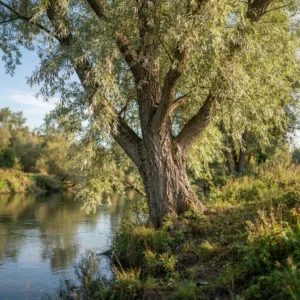
Willow Bark (Salix alba) — Salicylate-rich comfort + tension relief. A traditional inner bark containing salicin; acts as a botanical precursor to salicylic acid to help manage acute joint soreness and stiffness.
Use With Care
- Exercise caution with salicylate-rich herbs like willow bark and meadowsweet if you have an allergy to aspirin or are taking anticoagulant (blood-thinning) medications.
- Avoid high therapeutic doses of devil’s claw if you have active gastric or duodenal ulcers due to its bitter, stimulating effects on digestive secretions.
- Monitor for mild gastrointestinal upset when consuming concentrated turmeric or ginger supplements on an empty stomach.
- Consult a qualified healthcare professional before combining joint herbs with pharmaceutical NSAIDs or blood thinners.
- If you take prescription medication, are pregnant or breastfeeding, or have a medical condition, check with a qualified healthcare professional before using concentrated herbal products.
When to Get Medical Help
Seek medical evaluation if you experience:
- Sudden, severe joint swelling, redness, or heat accompanied by a fever, which may indicate an infection or acute inflammatory arthropathy.
- Severe joint locking, instability, or inability to bear weight on the affected limb.
- Rapidly worsening joint deformity or unmanaged pain that severely disrupts daily functioning and sleep.
- Persistent joint symptoms following a physical trauma or injury. Persistent, severe, unusual, or worsening symptoms should be evaluated by a healthcare professional.
Frequently Asked Questions
What is the best herb for supporting long-term joint mobility?
Turmeric and boswellia are widely recognized as the premier botanical pairing for long-term joint health. Turmeric modulates systemic inflammatory cascades, while boswellia specifically protects cartilage integrity and connective tissue structure from breakdown.
Can I take herbal joint formulas alongside prescription anti-inflammatories?
Combining herbal anti-inflammatories (such as willow bark, turmeric, or high-dose ginger) with pharmaceutical NSAIDs (like ibuprofen or prescription blood thinners) can increase the risk of gastrointestinal irritation or bleeding. Always discuss supplement combinations with your physician.
Why is black pepper extract frequently added to turmeric supplements?
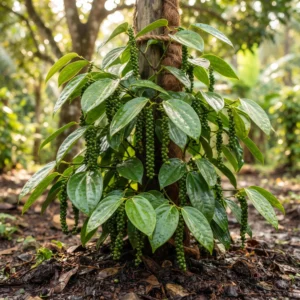
Active compounds in turmeric (curcuminoids) have notoriously low natural absorption in the digestive tract. Piperine, the active alkaloid found in black pepper, significantly enhances bioavailability by inhibiting the liver’s breakdown of curcumin.
How do boswellia and turmeric differ in their actions?
While both support a healthy inflammatory response, turmeric broadly targets multiple systemic inflammatory enzymes (including COX-2), whereas boswellia specifically inhibits 5-LOX, making it uniquely effective for protecting cartilage and connective tissues.
References
National Center for Complementary and Integrative Health (NCCIH) — Turmeric: NCCIH Overview PubMed — Efficacy and Safety of Curcumin in Joint Disorders: PubMed Central Review PubMed — Boswellia serrata in Managing Joint Health: PubMed Study American Botanical Council — Devil’s Claw Monograph and Clinical Actions: HerbalGram Reference
Disclaimer
For educational purposes only. This information is not intended to diagnose, treat, cure, or prevent disease. Herbal products may cause side effects or interact with medications. Consult an appropriate healthcare professional if you have a medical condition, take medication, are pregnant or breastfeeding, or have persistent or concerning symptoms.