

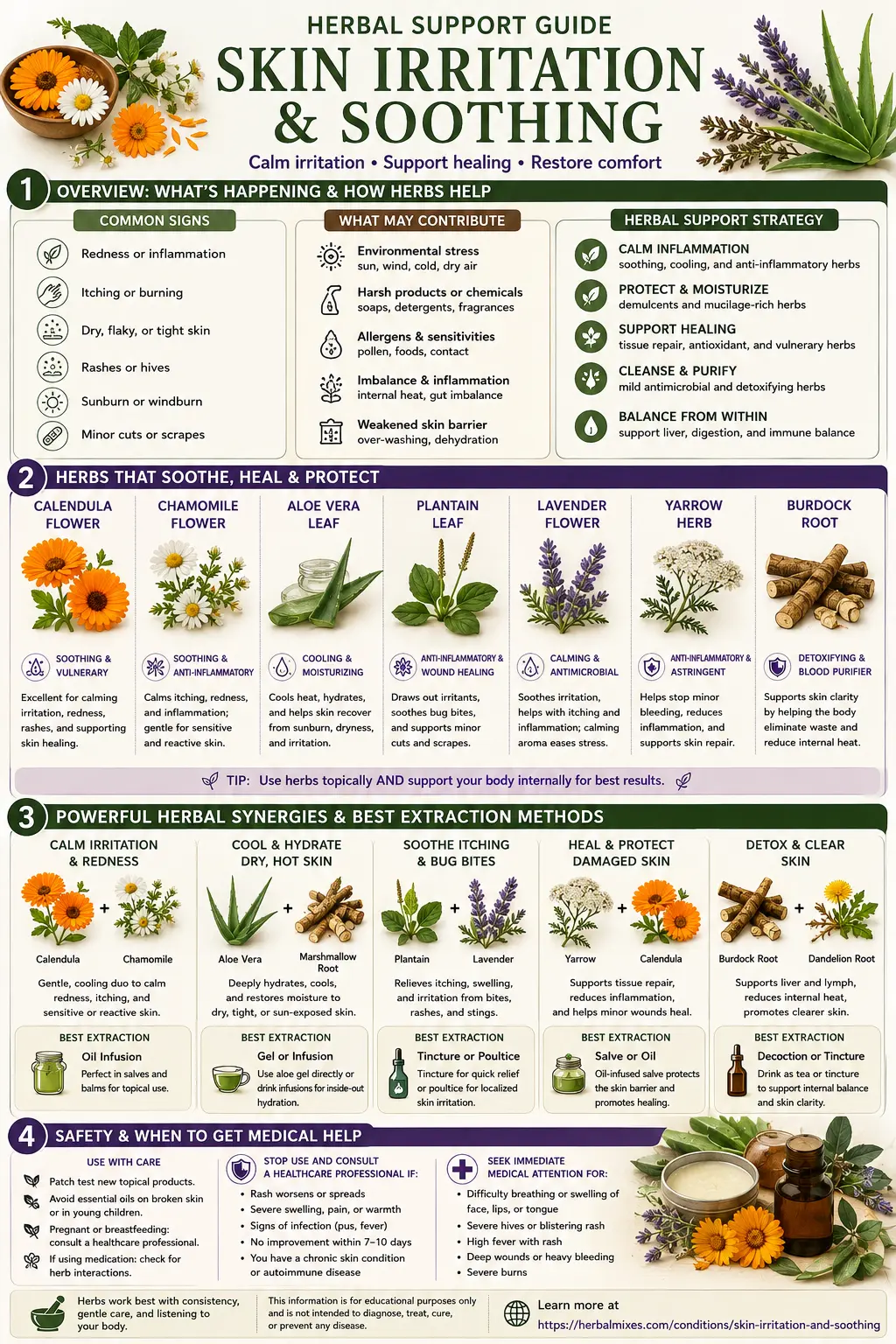
A practical topical strategy starts with calming and protecting the skin barrier, then adds more specific support as needed. Calendula, chamomile, and aloe emphasize soothing; marshmallow supports dry or sensitive tissue; plantain and yarrow fit minor scrapes or bites; lavender provides aromatic calming support but should be used carefully on reactive skin.
Learn more about these herb:

Available Ready-to-Use Products
If you prefer a ready-made option, these commercially available products contain herbs relevant to the approaches discussed above.
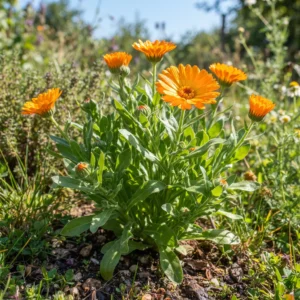
Minor irritation + dry or chafed skin — A calendula-centered cream is one of the closest matches to the strategy above. Boiron — Calendula Cream uses Calendula officinalis as its featured active botanical and is currently listed in stock through iHerb. Boiron — Calendula Cream (iHerb)
Dry or irritated skin needing an oil-based preparation — Herb Pharm — Calendula Oil Topical contains calendula extractives in certified organic olive oil and is intended for external use. Herb Pharm — Calendula Oil Topical (Natural Healthy Concepts)
Concentrated calendula ointment — Weleda — Calendula Intensive Skin Recovery contains calendula extract in a richer ointment-style base for areas prone to redness or dryness. Availability varies by retailer, so check current stock before purchasing. Weleda — Calendula Intensive Skin Recovery (GoSupps.com)
Herbal Synergies & Best Extraction Methods
Calendula + Chamomile + Marshmallow
Best for: Dry, red, itchy, or sensitive skin that needs gentle soothing rather than strong antimicrobial action.
Calendula and chamomile emphasize inflammatory comfort, while marshmallow adds mucilage to support dry or tight skin.
Best Preparation: Cold Infusion + Compress. A cooler water-based preparation is gentle on irritated skin and works especially well with soothing mucilage.
Aloe Vera + Calendula
Best for: Sun-exposed, hot, mildly inflamed, or dehydrated skin.
Aloe provides immediate cooling and hydration, while calendula adds traditional support for minor inflammation and superficial skin recovery.
Best Preparation: Gel + Oil Infusion. Aloe works naturally as a gel, while calendula’s lipophilic constituents are well suited to an infused oil or cream.
Plantain + Calendula + Chamomile
Best for: Minor bites, superficial irritation, small scrapes, and itchy reactive areas.
Plantain adds mild astringent and soothing support, calendula emphasizes tissue comfort, and chamomile helps calm redness and irritation.
Best Preparation: Topical Compress. A cooled herbal infusion allows direct contact with the affected area without adding heavy oils.
Yarrow + Calendula
Best for: Minor superficial scrapes, chafing, or areas where mild astringent support is useful.
Yarrow contributes astringency while calendula provides complementary traditional vulnerary support.
Best Preparation: Oil Infusion or Salve. This is practical for localized dry or chafed areas after the skin has been cleaned.
Lavender + Chamomile + Aloe Vera
Best for: Mild irritation associated with dryness, heat, or general skin sensitivity.
Chamomile and aloe provide the main soothing effect, while lavender contributes aromatic comfort when tolerated.
Best Preparation: Gel or Lotion. A light water-rich base is more appropriate than concentrated essential oils for irritated skin.
Herbal Properties Required
For irritated skin, the most useful herbal properties are typically anti-inflammatory, demulcent, vulnerary, cooling, astringent, and antimicrobial-supportive actions. Demulcent and cooling herbs help calm dry, hot, or reactive skin, vulnerary herbs support minor tissue repair, while gentle astringent or antimicrobial herbs may be more appropriate when irritation is moist, weepy, or associated with superficial skin disruption.






Herbs With These Properties
Calendula (Calendula officinalis) — Irritation + minor skin repair. Calendula flowers contain triterpenes and flavonoids and have a long history of topical use for minor inflammatory skin complaints and superficial wounds. The EMA recognizes these uses on the basis of traditional use. (European Medicines Agency (EMA))
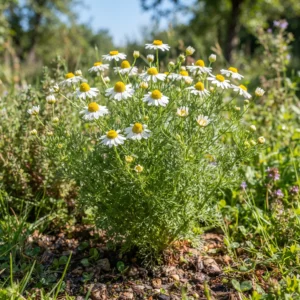
Chamomile (Matricaria recutita) — Redness + sensitive skin. Chamomile contains apigenin, bisabolol, and related constituents and is traditionally applied to mild inflammatory skin conditions. It fits especially well when irritation is hot, itchy, or sensitive. (European Medicines Agency (EMA))
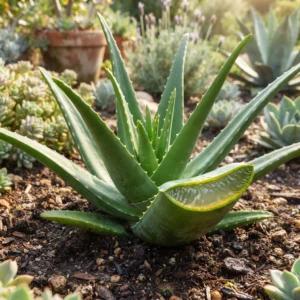
Aloe Vera (Aloe vera) — Cooling + moisture support. Aloe gel provides a light, cooling, water-rich topical preparation that may be useful for dry, sun-exposed, or mildly irritated skin. Choose simple preparations with minimal fragrance or unnecessary additives.
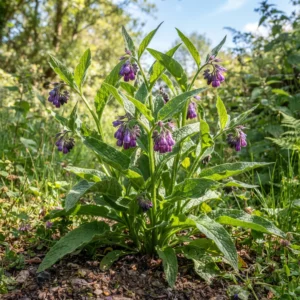
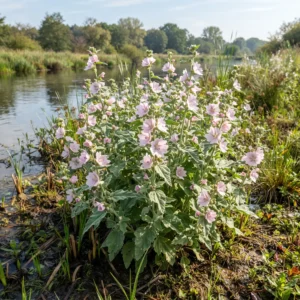
Marshmallow Root (Althaea officinalis) — Dryness + soothing mucilage. Marshmallow is rich in mucilage and works best when skin feels dry, tight, rough, or irritated. Its role is primarily soothing and moisture-supportive rather than strongly antimicrobial.
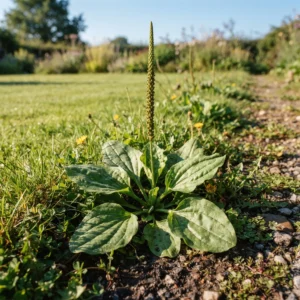
Plantain Leaf (Plantago major / P. lanceolata) — Minor irritation + superficial skin support. Plantain is traditionally used externally for bites, minor scrapes, and irritated skin. Its tannins and mucilage give it a useful combination of mild astringent and soothing qualities.
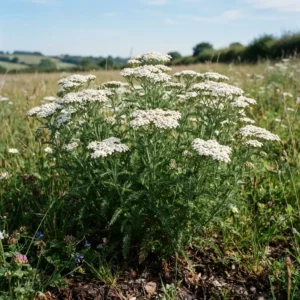
Yarrow (Achillea millefolium) — Minor wounds + astringent support. Yarrow combines astringent and traditional vulnerary actions and is most appropriate for small superficial skin disruptions rather than large or deep wounds.
Lavender (Lavandula angustifolia) — Aromatic calming + irritated skin support. Lavender is traditionally included in topical preparations for minor skin discomfort, but essential oil can itself irritate sensitive skin, so diluted or prepared products are preferable to undiluted oil.
Use With Care
- Patch-test new topical herbal products first, especially if your skin is highly reactive.
- Calendula and chamomile can trigger allergy in people sensitive to ragweed, daisies, chrysanthemums, or other Asteraceae-family plants. (European Medicines Agency (EMA))
- Avoid applying herbal oils, salves, or homemade preparations to deep wounds, serious burns, infected wounds, or large areas of broken skin without professional advice.
- Lavender essential oil should not be applied undiluted to irritated skin; essential oils can cause contact dermatitis or sensitization.
- Stop using any topical product that causes increasing redness, burning, swelling, blistering, or itching.
If you take prescription medication, are pregnant or breastfeeding, or have a medical condition, check with a qualified healthcare professional before using concentrated herbal products.
When to Get Medical Help
Seek medical evaluation if you experience:
- Rapidly spreading redness, swelling, warmth, or increasing pain.
- Pus, fever, red streaks, or other signs of infection.
- Severe blistering, peeling, or widespread rash.
- Swelling of the face, lips, tongue, or difficulty breathing.
- Irritation that persists despite avoiding the suspected trigger or repeatedly returns.
Persistent, severe, unusual, or worsening symptoms should be evaluated by a healthcare professional.
Frequently Asked Questions
What is the best herb for irritated skin?
Calendula is one of the strongest all-around choices for mild irritation because it combines traditional anti-inflammatory and vulnerary uses and is well suited to creams, oils, salves, and compresses. Its use for minor skin inflammation and superficial wounds is recognized in the EMA herbal monograph. (European Medicines Agency (EMA))
What is better for very dry or tight irritated skin?
Marshmallow + calendula is a good combination when dryness dominates. Marshmallow contributes soothing mucilage while calendula provides broader skin-supportive activity. Aloe can also be useful when the skin feels hot or dehydrated.
Is aloe vera good for irritated skin?
Aloe gel can be useful for mild heat, sun exposure, dryness, and general irritation, particularly when the product is simple and fragrance-free. However, aloe is not appropriate for every rash, and worsening symptoms should be evaluated rather than repeatedly covered with topical products.
Should irritated skin be treated with oil or water-based preparations?
It depends on the pattern. Cool compresses and gels work well for hot, itchy, or weepy irritation, while oils and salves are usually better for dry, cracked, chafed, or flaky skin.
Can essential oils be used directly on irritated skin?
Usually not. Concentrated essential oils—including lavender—can themselves cause irritation or allergic contact dermatitis. For sensitive skin, prepared creams, hydrosols, or appropriately diluted formulations are generally safer than applying essential oils neat.
References
European Medicines Agency — Calendula Flower Herbal Medicinal Product
Read the EMA calendula monograph summary (European Medicines Agency (EMA))
European Medicines Agency — Matricaria Flower Herbal Medicinal Product
Read the EMA chamomile monograph summary (European Medicines Agency (EMA))
EUR-Lex — Community List Entry for Calendula officinalis
Read the official calendula entry (Eur-Lex)
Medicinal Plants Used to Treat Skin Diseases and for Cosmetic Purposes in Norway
Read the peer-reviewed review (PubMed Central (PMC))
Current Knowledge on Interactions of Plant Materials Traditionally Used in Skin Diseases with Human Skin Microbiota
Read the scientific review (PubMed Central (PMC))
Disclaimer
For educational purposes only. This information is not intended to diagnose, treat, cure, or prevent disease. Herbal products may cause side effects or allergic reactions. Consult an appropriate healthcare professional if you have a medical condition, take medication, are pregnant or breastfeeding, or have persistent or concerning skin symptoms.