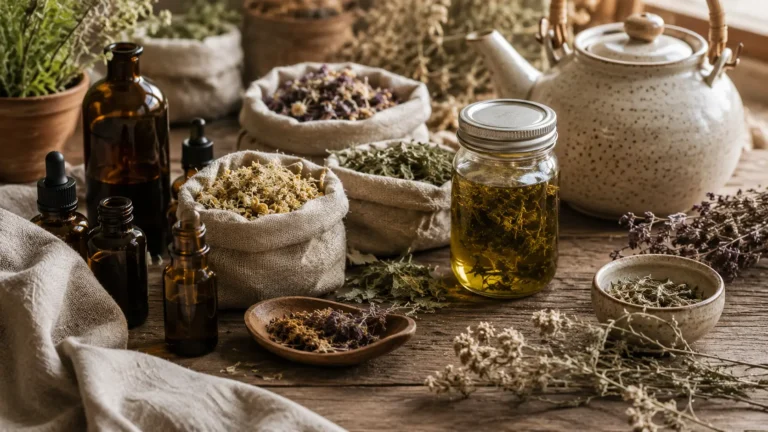
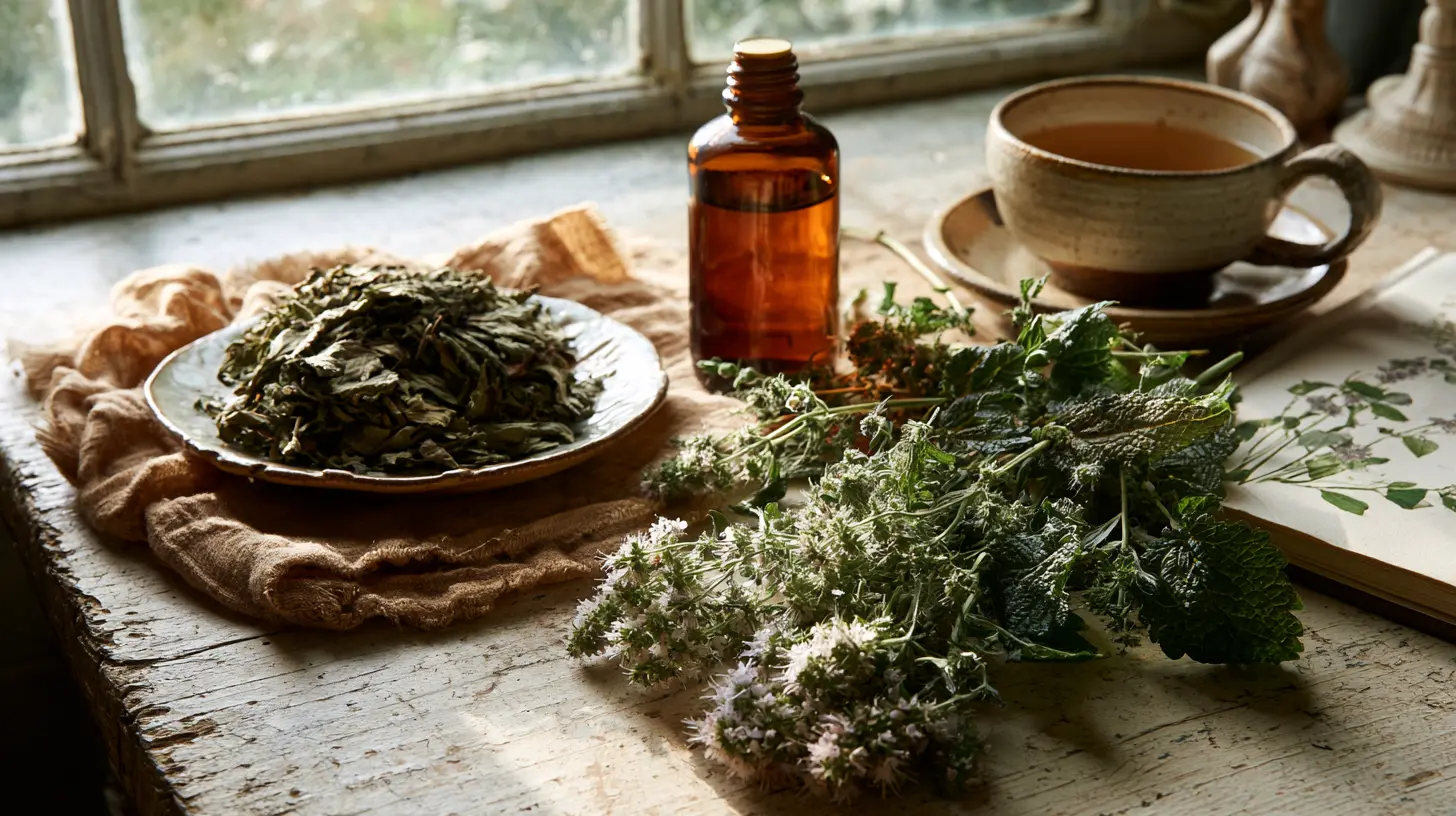
Motherwort name gives a strong clue to its traditional use: “mother” for women’s wellness traditions, and “wort,” an old word for medicinal plant.
Herbalists have long used motherwort to support the nervous system, emotional steadiness, menstrual comfort, and heart-centered tension. It is bitter, slightly aromatic, and not exactly a dessert herb. Motherwort tastes like it has something serious to say, but kindly.
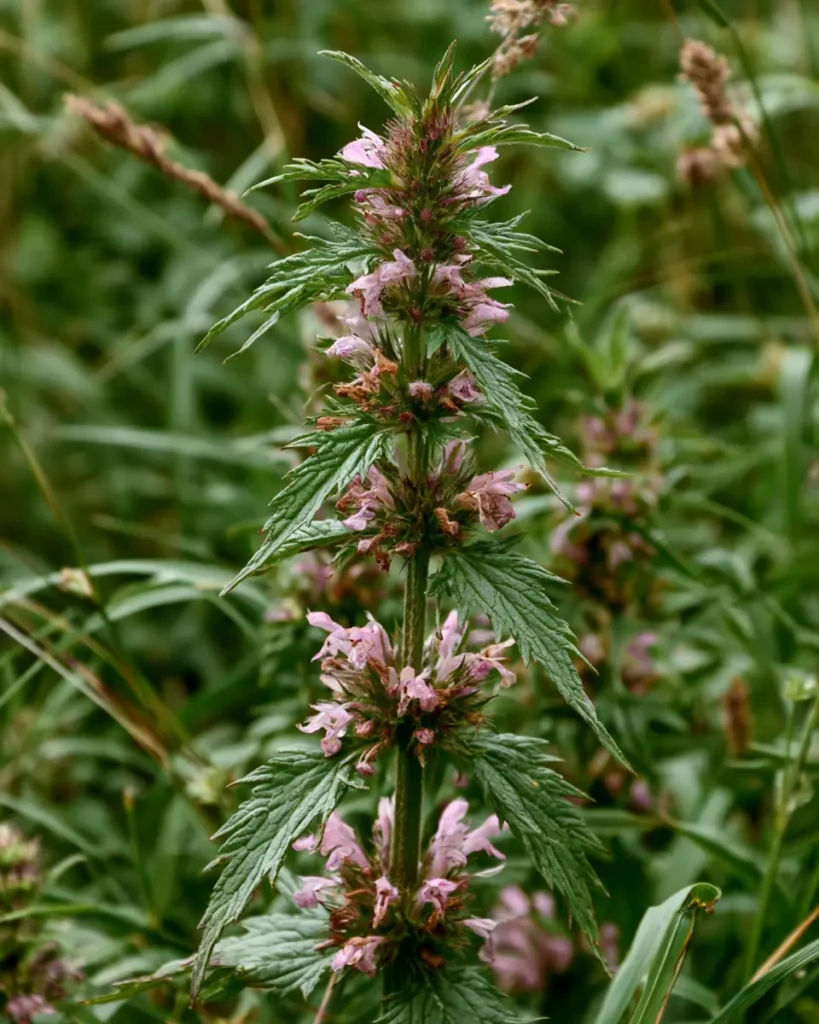
Motherwort (Leonurus cardiaca)
Motherwort is traditionally connected with these wellness areas:
Nervous System Support: Motherwort is traditionally used as a calming nervine, especially when stress feels tight, restless, or centered around the chest.
Heart and Circulation Support: Its species name, cardiaca, reflects its long association with the heart. Herbalists traditionally use it for emotional heart tension and stress-related palpitations, not as a substitute for heart care.
Women’s Wellness: Motherwort has a long history in menstrual, postpartum, and menopausal traditions. Because it may influence the uterus, it requires special caution during pregnancy.
Digestive Bitterness: Its bitter flavor may support digestive secretions and appetite, especially when stress has tightened the stomach.
“Motherwort is the herbal hand on the shoulder when the heart and nerves are talking too loudly.”
Available Motherwort Products
Dried Motherwort
Dried motherwort aerial parts are commonly used for tea, infusions, tinctures, and herbal blends. Good dried motherwort should look green to olive-green, smell mildly herbaceous, and not appear dusty, brown, or moldy.
Motherwort Tea
Motherwort tea is a traditional preparation, though it is quite bitter. It is often blended with more pleasant herbs such as lemon balm, oat straw, rose, hawthorn, or spearmint. Tea is gentle but still deserves caution because motherwort is not appropriate for everyone.
Motherwort Tincture
Motherwort tincture is one of the most common market forms. It is practical because small serving amounts are usually used, and the bitter taste is easier to manage in drops than in a full cup of tea. Labels should list the plant part, herb ratio, alcohol percentage, and serving size.
Motherwort Capsules
Capsules are convenient for people who dislike the bitter taste. However, the taste of bitter herbs can be part of their traditional digestive effect, so capsules may feel different from tea or tincture. Capsules should be used only according to label directions.
Motherwort Glycerite
Motherwort glycerite may be chosen by people avoiding alcohol. Glycerin softens the bitter taste, though it will not make motherwort taste like candy. Glycerites may be less extractive for some constituents than alcohol-water tinctures.
Motherwort Powder
Powdered motherwort may be used in capsules or herbal formulas. Because leafy powders lose freshness quickly, they should be stored tightly sealed and used within a shorter time than cut dried herb.
Motherwort Fresh Herb
Fresh motherwort can be used by experienced herbalists for tincture making. It should be harvested from clean areas and correctly identified, because several mint-family plants can look similar to beginners.
Key Herbal Actions
Motherwort is known as a nervine, cardiac tonic, bitter tonic, antispasmodic, emmenagogue, uterine tonic, diaphoretic, mild hypotensive herb, and antioxidant-rich mint-family herb.
Nervine
A nervine is an herb traditionally used to support the nervous system. Motherwort is often chosen when nervous tension feels restless, emotional, or connected with the heart area. It is not a heavy sedative, but it can feel grounding for some people.
Cardiac Tonic
A cardiac tonic is traditionally associated with heart support. In motherwort’s case, this mainly refers to historical use for stress-related heart tension and palpitations. Chest pain, irregular heartbeat, fainting, or shortness of breath always require medical evaluation.
Bitter Tonic
Motherwort has a distinct bitter taste. Bitter tonics traditionally support appetite and digestive secretions. This is useful when stress affects digestion and the stomach feels tight or uninterested in food.
Antispasmodic
Antispasmodic herbs are traditionally used to ease tension and cramping patterns. Motherwort has been used in menstrual and nervous-system formulas where tension, restlessness, and spasmodic discomfort are part of the picture.
Emmenagogue
An emmenagogue is an herb traditionally used to encourage menstrual flow. This is one reason motherwort must be avoided during pregnancy unless specifically directed by a qualified clinician.
Uterine Tonic
Motherwort has a long tradition in women’s herbalism, especially around menstrual and postpartum contexts. This action should be approached carefully, because uterine-active herbs are not appropriate for everyone.
Diaphoretic
A diaphoretic supports the body’s natural sweating response. Motherwort has traditionally been used in warm infusions when tension, heat, and restlessness appear together.
Mild Hypotensive Herb
Motherwort has been traditionally associated with calming tension and supporting healthy blood pressure already within normal care contexts. People taking blood pressure medication should use caution and consult a healthcare professional.
Antioxidant-Rich Mint-Family Herb
Motherwort contains flavonoids, phenolic compounds, and other plant constituents that contribute antioxidant activity. This supports its broader tonic profile without turning it into a miracle herb.
Active Compounds and Extraction
Motherwort contains alkaloids and pseudoalkaloids such as leonurine and stachydrine, iridoid glycosides, diterpenes, flavonoids including rutin and quercetin derivatives, tannins, phenolic acids, volatile oil traces, and bitter compounds.
Leonurine
Leonurine is one of the best-known compounds associated with motherwort and other Leonurus species. It is studied mostly in laboratory and animal research for cardiovascular, uterine, nervous-system, antioxidant, and inflammatory pathways. Human evidence is limited, so it should be discussed carefully.
Best extraction methods:
Hot infusion: Use 1–2 teaspoons dried motherwort per cup of hot water. Steep covered for 10–15 minutes, then strain. This extracts water-soluble compounds and bitter constituents.
Tincture: Combine dried motherwort with 40–60% alcohol and steep for 4–6 weeks, shaking occasionally. Strain and store in dark glass. Alcohol-water extraction captures a broader range of constituents than water alone.
Fresh tincture: Experienced herbalists may tincture fresh aerial parts shortly after harvest. Fresh tinctures should be made with adequate alcohol strength to prevent spoilage.
Stachydrine
Stachydrine is another nitrogen-containing compound found in motherwort. It is studied in relation to cardiovascular, uterine, inflammatory, and metabolic pathways, mostly in preclinical research. It contributes to why motherwort is treated as a specialized herb rather than a casual tea for everyone.
Best extraction methods:
Hot water infusion: Stachydrine is water-soluble enough for tea-style preparations.
Hydroalcoholic tincture: A water-and-alcohol tincture is also suitable and provides a more concentrated form.
Iridoid Glycosides
Motherwort contains bitter iridoid glycosides that contribute to its taste and bitter tonic action. Bitter compounds help explain its traditional digestive use. They also give motherwort its “serious herbal tea” personality.
Best extraction methods:
Infusion: Steep dried aerial parts in hot water for 10–15 minutes. Cover the cup to preserve light aromatic compounds.
Tincture: Alcohol-water extraction works well for bitter glycosides and makes the herb easier to take in small amounts.
Flavonoids
Motherwort contains flavonoids such as rutin and quercetin-related compounds. Flavonoids are widely studied for antioxidant and vascular-supportive activity. They help support motherwort’s traditional connection with circulation and tissue protection.
Best extraction methods:
Hot infusion: Flavonoids extract reasonably well into hot water.
Hydroalcoholic extraction: Tinctures may capture a broader flavonoid range than tea alone.
Tannins
Tannins are astringent compounds that tone tissues and add a drying quality. In motherwort, tannins contribute to its earthy-bitter profile and traditional tissue-toning character.
Best extraction methods:
Hot infusion: Tannins extract readily in water. Avoid steeping for too long if the taste becomes overly harsh.
Short decoction: A brief simmer can extract tannins, but motherwort is usually prepared as an infusion rather than a decoction because the aerial parts are not hard roots or bark.
Diterpenes
Motherwort contains diterpenes, a group of plant compounds that may contribute to its bitter and bioactive profile. These compounds are part of ongoing phytochemical research.
Best extraction methods:
Hydroalcoholic tincture: Alcohol-water extraction is better suited for a broader range of diterpenes than plain water.
Commercial extract: Standardized or professionally prepared extracts may provide more consistent constituent profiles.
Volatile Oil Traces
Motherwort contains small amounts of volatile aromatic compounds. It is not mainly an essential-oil herb, and motherwort essential oil is not a common or appropriate household product form.
Best extraction methods:
Covered infusion: Covering the cup while steeping helps preserve delicate aromatic compounds.
Fresh tincture: Fresh herb tincture can capture some aromatic qualities when made properly.
Harvesting and Storing Right
Motherwort aerial parts are usually harvested when the plant is flowering, often in mid to late summer. The upper flowering tops and leaves are the main parts used. Harvest after morning dew has dried but before the hottest part of the day.
Wear gloves if needed, because the stems and flower whorls can feel rough or prickly. Choose plants from clean areas away from roadsides, sprayed lawns, industrial sites, and polluted soil.
Storage tips:
Fresh herb: Use quickly for tincture or dry soon after harvest.
Dried herb: Store in an airtight jar away from light, heat, and moisture. Best used within 1 year.
Powder: Store tightly sealed and use within 3–6 months.
Tincture: Store in dark glass in a cool place. Alcohol tinctures may keep for several years.
Glycerite: Follow the product label. Many glycerites are best used within 1–2 years.
Body Functions Motherwort Can Support
Motherwort can support nervous system, brain, circulation, reproductive system female, digestion system, hormonal balance, stress support, energy and vitality, and dental oral function.
Nervous System
Motherwort is traditionally used as a calming nervine. It is often chosen when stress feels restless, emotional, or “wired but tired.” Its bitter and mildly relaxing qualities make it useful in formulas for calm steadiness.
Brain
Motherwort is not a strong cognitive herb like bacopa or rosemary, but calming nervines can indirectly support mental clarity when stress is high. Traditional use focuses more on emotional steadiness than sharp focus.
Circulation
Motherwort has a long association with the heart and circulation. Herbalists often connect it with stress-related palpitations and chest-centered tension. Any persistent or severe heart symptoms should be evaluated by a medical professional.
Reproductive System Female
Motherwort has a strong tradition in women’s herbalism. It has been used in menstrual, postpartum, and menopausal contexts. Because it may influence uterine activity, it should not be used during pregnancy without medical supervision.
Digestion System
Motherwort’s bitter flavor may support appetite and digestive secretions. This can be helpful when stress suppresses appetite or makes digestion feel stuck. People with very sensitive stomachs should start cautiously.
Hormonal Balance
Motherwort is often discussed in menopausal and menstrual wellness traditions. Its relevance is mostly through nervous-system support, uterine tradition, and stress-related patterns rather than direct hormone replacement.
Stress Support
Motherwort is one of the classic herbs for emotional stress that feels held in the chest or heart area. It may pair well with lemon balm, hawthorn, oat straw, or skullcap in traditional formulas. It should not replace mental health care when anxiety is severe or persistent.
Energy and Vitality
Motherwort does not stimulate energy like caffeine. Instead, it may support vitality by calming nervous tension that drains energy. It is more of a “steady the system” herb than a push-through-the-day herb.
Dental Oral
Motherwort’s bitter taste begins its action in the mouth by stimulating taste receptors and saliva. This supports the first stage of digestion. It is not commonly used as a dental herb, but its oral bitterness is part of its digestive action.
Safety and Practical Considerations
Motherwort is a strong traditional herb and should be used with care. It is not appropriate for everyone, especially in concentrated forms.
Pregnant people should avoid motherwort because it is traditionally considered uterine-active and may stimulate uterine activity. Breastfeeding people should consult a qualified healthcare professional before using it because safety information is limited.
People with heavy menstrual bleeding, bleeding disorders, or those taking blood-thinning medications should use caution. Motherwort may increase bleeding risk in some situations.
Motherwort may interact with sedatives, sleep medications, anxiety medications, alcohol, blood pressure medications, heart medications, and anticoagulant or antiplatelet drugs. Anyone taking prescription medication should ask a healthcare professional before using it.
People with heart rhythm concerns, low blood pressure, dizziness, fainting, or diagnosed cardiovascular disease should not self-treat with motherwort. Heart symptoms deserve proper medical evaluation.
Motherwort can taste very bitter and may cause digestive upset, loose stools, or nausea in sensitive individuals. Start with small amounts if using it under appropriate guidance.
Children, older adults, and sensitive individuals need extra caution. Avoid high-dose or long-term use unless guided by a qualified herbalist or healthcare professional.
People allergic to mint-family plants should use caution, although true allergy is uncommon. Stop use if rash, itching, swelling, breathing trouble, or unusual symptoms occur.
FAQ
What does motherwort taste like?
Motherwort tastes bitter, earthy, slightly aromatic, and a little sharp. It is not usually considered a pleasant sipping tea. Many people blend it with lemon balm, rose, spearmint, or licorice root to soften the flavor.
When is the best time to use motherwort?
Motherwort is traditionally used during times of nervous tension, menstrual discomfort, or chest-centered stress. Some people prefer it in the evening, while others use small amounts during the day. If it makes you sleepy or lightheaded, avoid driving or combining it with sedating substances.
Is fresh or dried motherwort better?
Both can be used, but dried motherwort is easier to find and store. Fresh motherwort is often used by herbalists to make tinctures. Correct identification is important if harvesting fresh herb.
Is motherwort tea, tincture, or capsule better?
Tea is traditional but very bitter. Tincture is practical because small amounts are easier to take. Capsules avoid the taste but may not provide the same bitter sensory effect. The best form depends on the person and the reason for use.
Can motherwort be used daily?
Motherwort is not a casual daily tonic for everyone. Short-term or occasional use is more common in home herbal practice. Daily use should be guided by a qualified professional, especially for people with medication use, heart concerns, menstrual issues, pregnancy risk, or low blood pressure.
How should motherwort be stored?
Store dried motherwort in an airtight jar away from heat, light, and moisture. Use dried herb within about 1 year for best quality. Tinctures should be kept tightly closed in dark glass.
Does motherwort combine well with other herbs?
Yes. Motherwort is often combined with hawthorn, lemon balm, oat straw, skullcap, passionflower, rose, yarrow, or cramp bark depending on the formula. It should be combined carefully if the person takes medications or has cardiovascular concerns.
Is motherwort safe during pregnancy?
No. Motherwort should generally be avoided during pregnancy because it is traditionally considered uterine-active. Pregnant people should not use motherwort unless specifically supervised by a qualified healthcare professional.
Is motherwort safe for everyone?
No. People who are pregnant, breastfeeding, taking blood thinners, using sedatives, managing heart conditions, taking blood pressure medication, or experiencing heavy bleeding should avoid or seek professional guidance before using motherwort.
Can motherwort be used for pets?
Motherwort should not be given to pets without guidance from a veterinarian trained in herbal medicine. Pets process herbs differently than humans, and heart- or nervous-system-active herbs require professional dosing and safety review.
Disclaimer
This content is educational only. It is not medical advice, diagnosis, or treatment. Herbs may interact with medications or health conditions. People who are pregnant, breastfeeding, managing a medical condition, taking prescription medications, or preparing for surgery should consult a qualified healthcare professional before using herbs.
References
Kew Science: Plants of the World Online – Leonurus cardiaca
PubMed: Stachydrine in Leonurus cardiaca and Related Species
PubMed: Leonurine, a Potential Agent for Cardiovascular and Nervous System Research