


Coriander is a bright, aromatic herb used both as fresh leaves and dried seeds. In the United States, the fresh leaves are usually called cilantro, while the dried seeds are called coriander. Same plant, different personality.
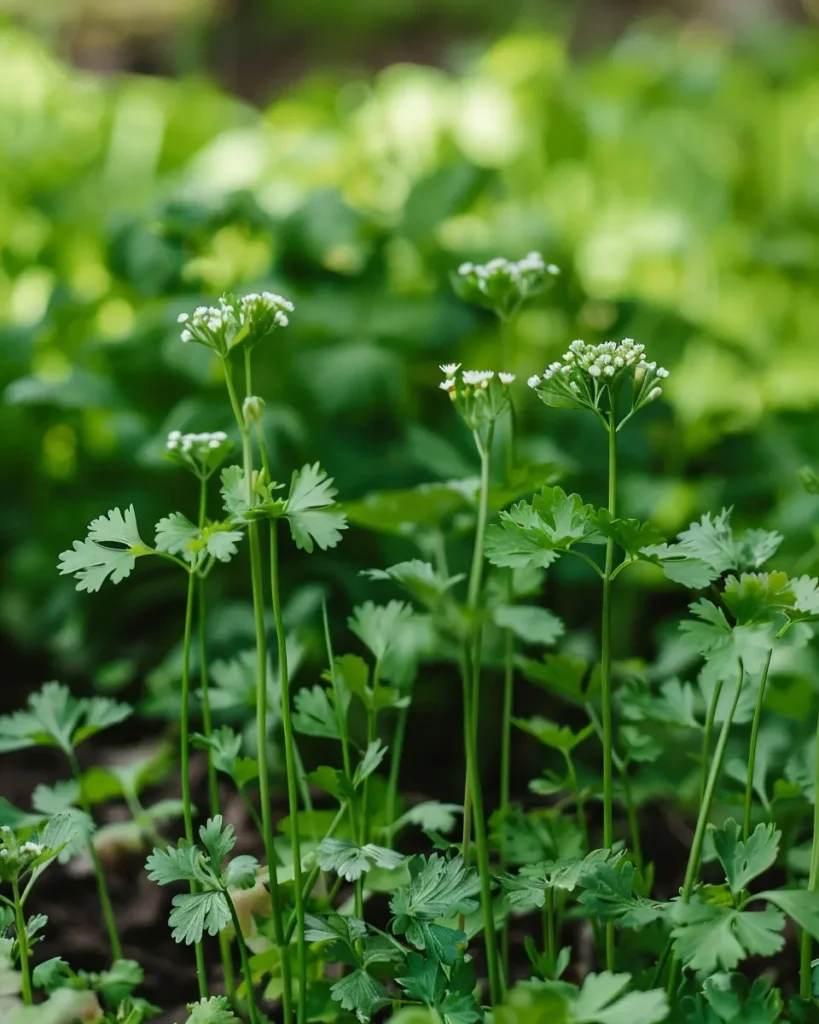
Coriander (Coriandrum sativum), Cilantro
Traditional Uses of Coriander
Digestion: Coriander seed has long been used as a carminative herb, meaning it supports comfort after meals by helping with gas, bloating, and digestive heaviness.
Flavor and Appetite: The seed has a warm, citrus-spice flavor, while the fresh leaf tastes green, bright, and sometimes famously “soapy” to certain people because of genetic differences in smell receptors.
Metabolic Wellness: Coriander has been studied for effects related to blood sugar, cholesterol, and antioxidant activity, mostly in preclinical and early human research.
Skin and External Use: Coriander seed and leaf have traditional use in washes and poultices, especially where gentle cooling or aromatic support is desired.
“Coriander is the kitchen herb that knows how to be both fresh and quietly spicy.”
Available Coriander Products
Coriander Seed Capsules — Capsules/Tablets
A dried-seed supplement traditionally used in Ayurveda to support digestion, heart health, and healthy cholesterol levels.
Buy Coriander Seed Capsules
Coriander Seed Essential Oil — Essential Oil
A fragrant, peppery oil distilled from coriander seeds, used in aromatherapy for stimulating appetite, easing digestive upset, and calming the mind.
Buy Coriander Seed Essential Oil
Coriander Seed Powder — Powder
Ground coriander seed with a mild, citrusy flavor, widely used in curries, spice blends, and marinades across global cuisines.
Buy Coriander Seed Powder
Whole Coriander Seeds — Raw/Whole Seed
Whole dried seeds used in pickling brines, spice blends, or brewed into tea, and can be ground fresh at home.
Buy Whole Coriander Seeds
⚠️ These are dietary supplements/culinary products — not evaluated by the FDA for treating disease. Coriander essential oil is potent and should always be diluted before topical use, and undiluted internal use isn’t generally recommended. In typical culinary amounts, coriander is considered safe, but concentrated medicinal doses may lower blood sugar, so those on diabetes medication should use caution. Check with a healthcare provider before use, especially if pregnant, nursing, or taking blood sugar–related medications.
Key Herbal Actions
Coriander is known as a carminative, aromatic digestive, antispasmodic, antioxidant, mild hypoglycemic-supportive herb, antimicrobial, anti-inflammatory, and culinary nutritive herb.
Carminative
A carminative herb helps ease gas and digestive discomfort in traditional herbal language. Coriander seed is one of the classic carminative spices, often paired with cumin, fennel, cardamom, or ginger.
Aromatic Digestive
Aromatic digestives contain fragrant volatile oils that support appetite and digestion through smell, taste, and gentle stimulation. Coriander seed’s warm citrus aroma makes it especially useful after heavier meals.
Antispasmodic
Antispasmodic herbs are traditionally used to relax digestive tension or cramping. Coriander seed’s volatile oil compounds are part of why it is used in digestive blends.
Antioxidant
Coriander contains flavonoids, phenolic acids, and other compounds studied for antioxidant activity. These compounds help protect cells from oxidative stress as part of normal body processes.
Mild Hypoglycemic-Supportive Herb
Coriander has been studied in relation to blood sugar regulation, mostly in animal and laboratory studies. This does not mean it treats diabetes, but it explains why researchers are interested in its metabolic effects.
Antimicrobial
Coriander essential oil has shown antimicrobial activity in laboratory studies. This does not mean coriander spice acts like an antibiotic in the body, but it does support its traditional use as an aromatic spice.
Anti-inflammatory
Coriander’s polyphenols and volatile compounds have been studied for their relationship to inflammatory pathways. Human evidence is still limited.
Culinary Nutritive Herb
Fresh coriander leaves provide vitamin K, vitamin C, carotenoids, and small amounts of minerals. The seeds provide fiber, minerals, and aromatic oils.
Active Compounds and Extraction
Coriander contains volatile oils, linalool, aldehydes, flavonoids, phenolic acids, coumarins, fatty acids, sterols, fiber, minerals, and carotenoids.
Volatile Oils
Volatile oils are aromatic compounds that give coriander seed its warm, citrus-like scent. Coriander seed usually contains about 0.1–1.8% volatile oil depending on variety, growing conditions, and seed type.
Best extraction: tea, tincture, essential oil, or culinary use.
To make coriander seed tea, lightly crush 1 teaspoon of whole seeds, pour over 1 cup of hot water, cover, steep for 10–15 minutes, and strain. Covering the cup helps keep the aromatic oils from wandering off into the kitchen air.
Linalool
Linalool is the major aromatic compound in coriander seed essential oil, often making up a large portion of the volatile oil. It contributes to coriander’s floral-citrus aroma and is studied for calming, antimicrobial, and digestive-related effects.
Best extraction: essential oil, tincture, or covered infusion.
For home use, a covered hot infusion is the safest and simplest method. Essential oil is much more concentrated and should be diluted before topical use.
Aldehydes in Fresh Leaves
Fresh coriander leaves contain aldehydes such as decenal and dodecenal compounds. These are part of cilantro’s strong fresh aroma and may explain why some people taste it as soapy or sharp.
Best extraction: fresh food use.
Fresh leaves are best chopped and added near the end of cooking or used raw. Heat quickly reduces the delicate aroma.
Flavonoids
Flavonoids are antioxidant plant compounds. Coriander contains flavonoids such as quercetin-related and rutin-related compounds, which contribute to its antioxidant profile.
Best extraction: hot water, tincture, or food use.
Both seed tea and fresh leaf use can provide flavonoid compounds. For a food approach, use fresh cilantro in sauces, chutneys, salads, and soups.
Phenolic Acids
Phenolic acids are antioxidant compounds found in many herbs and spices. In coriander, they contribute to antioxidant and general cellular support.
Best extraction: water, alcohol-water tincture, or culinary use.
Crushed seed steeped in hot water is a practical method. A tincture may extract a wider range of aromatic and phenolic compounds.
Fatty Acids and Seed Oil
Coriander seed contains fixed oils, including petroselinic acid, a fatty acid found in some Apiaceae family plants. These compounds are more relevant in seed oil and industrial research than in a simple cup of coriander tea.
Best extraction: pressed seed oil or food use.
Most home herbal use focuses on whole seed, powder, or tea rather than pressed coriander seed oil.
Fiber
Coriander seed contains dietary fiber. This supports its role as a food spice that gently contributes to digestive wellness.
Best extraction: whole or ground seed as food.
Use ground coriander in soups, stews, bean dishes, curries, roasted vegetables, and spice blends.
Minerals
Coriander seed contains minerals such as calcium, magnesium, iron, and manganese. Fresh coriander leaf contains smaller but useful amounts of minerals and vitamins, especially vitamin K.
Best extraction: food use.
Minerals are best obtained by eating coriander as part of meals. Tea extracts some minerals, but culinary use is more practical.
Carotenoids
Fresh coriander leaves contain carotenoid-related nutrients that contribute to their green plant value. These compounds support normal antioxidant and nutritional functions.
Best extraction: fresh leaf with food.
Use cilantro with a little healthy fat, such as olive oil, avocado, or yogurt sauce, to help absorb fat-soluble plant compounds.
Harvesting and Storing Right
Fresh coriander leaves are best harvested when the plant is leafy and before it bolts heavily into flower. Cut the outer leaves in the morning after dew has dried, when the plant is fresh and aromatic.
Coriander seeds are harvested after the plant flowers and the seed heads turn dry and light brown. Cut the seed heads on a dry day, place them upside down in a paper bag, and let them finish drying before shaking out the seeds.
Fresh cilantro should be stored like a tender herb: stems in a jar with a little water in the refrigerator, loosely covered, and used within about 5–7 days. Whole coriander seed should be kept in an airtight jar away from heat, light, and moisture and is usually best within 1–2 years. Ground coriander is best within 6–12 months. Coriander essential oil should be stored tightly closed, away from light and heat, and used according to the supplier’s shelf-life guidance.
Body Functions Coriander can Support
Coriander can support the digestion system, metabolism, circulation, liver support, immune system, skin, nervous system, energy and vitality, and brain.
Digestion System
Coriander seed is traditionally used to support digestion, especially after meals. Its volatile oils give it a carminative action, making it useful in blends for gas, bloating, and digestive heaviness.
Metabolism
Coriander has been studied for effects related to blood sugar, lipids, and antioxidant markers. Most evidence is early or mixed, so it is best viewed as a supportive culinary herb rather than a treatment for metabolic conditions.
Circulation
Coriander contains antioxidant compounds and is studied for cardiovascular markers in preliminary research. As a food spice, it may fit well into a heart-supportive diet pattern.
Liver Support
Traditional systems have used coriander as part of digestive and liver-supportive formulas. Its bitterness is mild, but its aromatic digestive action may indirectly support normal digestive-liver function.
Immune System
Coriander contains antioxidant compounds, and its essential oil has shown antimicrobial activity in laboratory settings. This supports its traditional use as a protective kitchen spice, but it should not be described as an infection treatment.
Skin
Coriander has traditional topical use in washes and poultices. Its antioxidant and aromatic compounds may support skin comfort, but essential oil must be diluted carefully to avoid irritation.
Nervous System
Linalool, a major compound in coriander seed essential oil, has been studied for calming and nervous-system-related effects. In everyday use, coriander is better described as a gently aromatic spice rather than a strong nervine.
Energy and Vitality
Coriander supports vitality mostly as a digestive and nutritive culinary herb. Better digestion and flavorful food can do a surprising amount for daily comfort.
Brain
Coriander compounds have been studied in relation to oxidative stress and nervous system activity, mostly in preclinical research. Current evidence does not support strong claims, but the herb remains an interesting aromatic food for overall wellness.
Safety and Practical Considerations
Coriander used in normal food amounts is generally well tolerated by many people. Concentrated extracts, essential oils, and high-dose supplements need more caution.
People allergic to plants in the Apiaceae family, such as fennel, celery, carrot, parsley, dill, or anise, may be more likely to react to coriander. Allergy symptoms can range from mild irritation to serious reactions in sensitive individuals.
Coriander may affect blood sugar or blood pressure in some people, especially in concentrated supplement form. People taking diabetes medications, blood pressure medications, sedatives, blood thinners, or multiple prescriptions should ask a qualified healthcare professional before using coriander medicinally.
Coriander essential oil should not be used undiluted on the skin and should not be taken internally without professional guidance. During pregnancy and breastfeeding, culinary amounts are generally different from medicinal doses; concentrated preparations should be avoided unless supervised by a qualified professional.
Children, older adults, and sensitive individuals should start with mild food amounts. Fresh cilantro can spoil quickly, so discard it if it becomes slimy, discolored, or unpleasant-smelling.
FAQ
What does coriander taste like?
Coriander seed tastes warm, citrusy, slightly sweet, and gently spicy. Fresh coriander leaf, or cilantro, tastes bright, green, and lemony to many people, though some experience it as soapy.
Why does cilantro taste like soap to some people?
Some people have genetic variations that make them more sensitive to certain aldehyde compounds in cilantro leaves. Those compounds can smell or taste soapy, metallic, or unpleasant to them.
When is the best time to use coriander?
Coriander seed is often used with or after meals to support digestion. Fresh cilantro is best added at the end of cooking or used raw so its delicate aroma stays fresh.
Is coriander seed the same as cilantro?
Yes and no. They come from the same plant, Coriandrum sativum. In the U.S., “cilantro” usually means the fresh leaf, while “coriander” usually means the dried seed.
Is whole or ground coriander better?
Whole coriander seed keeps its flavor longer. Ground coriander is convenient, but it loses aroma faster, so it is best bought in small amounts or ground fresh.
Can coriander be used daily?
Coriander is commonly used daily as a food spice in many cuisines. Concentrated extracts or essential oil preparations should be used more cautiously.
Does coriander combine well with other herbs?
Yes. Coriander combines beautifully with cumin, fennel, cardamom, ginger, turmeric, mint, parsley, lime, garlic, and chili. It is a natural team player in digestive and culinary blends.
Is coriander safe for everyone?
No. People with Apiaceae plant allergies, medication use, pregnancy, breastfeeding, blood sugar concerns, or blood pressure concerns should be cautious with medicinal amounts.
Can coriander be used for pets?
Small food-level exposure may occur in some pet-safe recipes, but medicinal use should be guided by a veterinarian. Essential oil should not be used casually around pets.
Is coriander essential oil safe?
Coriander essential oil is concentrated and should be diluted before topical use. It should not be used internally unless directed by a qualified professional.
Disclaimer
This content is educational only. It is not medical advice, diagnosis, or treatment. Herbs may interact with medications or health conditions. People who are pregnant, breastfeeding, managing a medical condition, taking prescription medications, or preparing for surgery should consult a qualified healthcare professional before using herbs.
References
NIH / PubMed Central: Coriandrum sativum L. – A Review on Ethnopharmacology, Phytochemistry, and Cardiovascular Benefits
https://pmc.ncbi.nlm.nih.gov/articles/PMC8747064/
PubMed: Coriander Seed and Coriander Essential Oil: Chemical Composition and Biological Activities
https://pubmed.ncbi.nlm.nih.gov/31249690/
PubMed: Coriandrum sativum L. – A Review of Its Traditional Uses, Phytochemistry, and Pharmacology
https://pubmed.ncbi.nlm.nih.gov/25776008/
NIH / PubMed Central: Medicinal and Aromatic Plants as Sources of Bioactive Compounds – Coriander Data Included
https://pmc.ncbi.nlm.nih.gov/articles/PMC8773762/
ScienceDirect / Journal of Food Composition and Analysis: Coriander Essential Oil Composition and Linalool Content
https://www.sciencedirect.com/science/article/pii/S0889157513000844
USDA FoodData Central
https://fdc.nal.usda.gov/
European Pharmacopoeia / ANSM: Coriander – Coriandrum sativum Herbal Drug Documentation
https://ansm.sante.fr/uploads/2020/10/23/coriander-coriandrum-sativum-pph.pdf