


Flaxseed is the small, glossy seed of the flax plant, a crop that has been used for thousands of years for both food and fiber. In herbal and nutritional traditions, flaxseed is best known for its rich mucilage, plant-based omega-3 fats, fiber, and lignans.
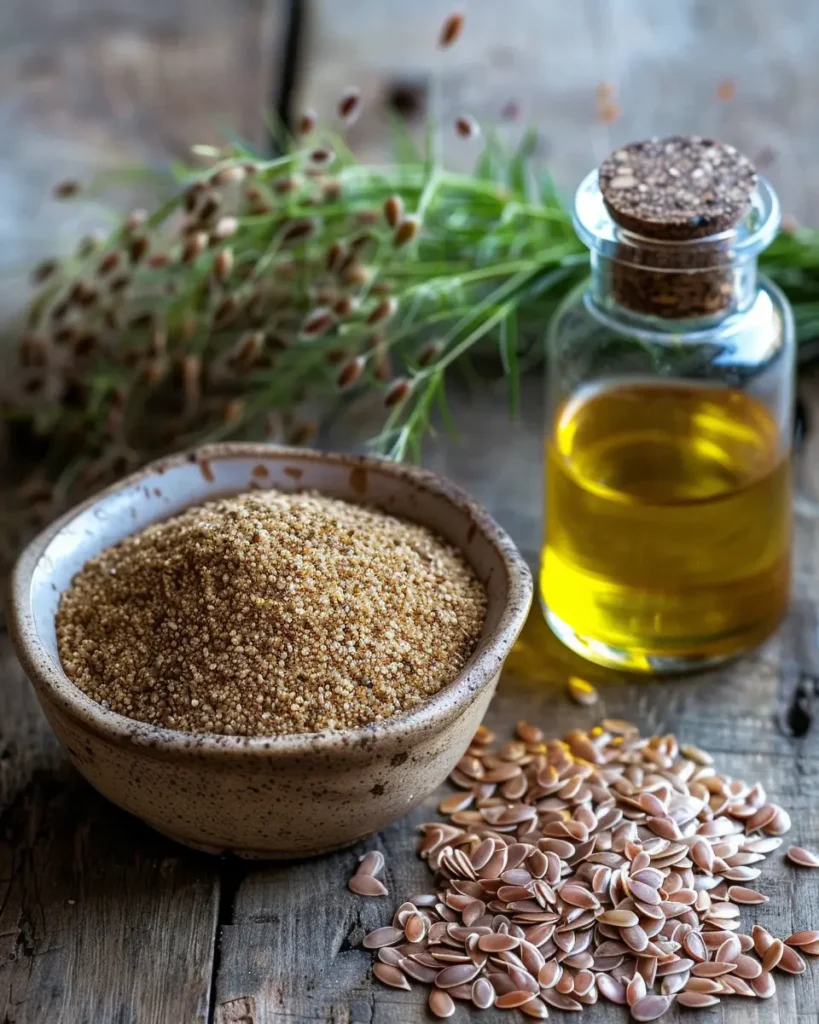
Flaxseed (Linum usitatissimum)
Traditional Uses of Flaxseed
Digestion: Flaxseed is traditionally used to support comfortable bowel movements because it contains both soluble and insoluble fiber. When mixed with water, ground flaxseed develops a soft gel-like texture that helps explain its classic digestive use.
Heart and Metabolic Wellness: Flaxseed is rich in alpha-linolenic acid, a plant-based omega-3 fatty acid, and fiber, both of which are studied for cardiovascular and metabolic support.
Hormonal Balance: Flaxseed contains lignans, plant compounds that are converted by gut bacteria into enterolignans. These compounds are often discussed in relation to hormone metabolism and women’s wellness.
Skin and Moisture Support: Because flaxseed contains fatty acids and soothing mucilage, herbalists and natural body-care traditions have used it both internally and externally for skin comfort.
Flaxseed may be small, but it clearly did not get the memo about staying quiet.
“Flaxseed is proof that tiny things can bring a lot of quiet support to the table.”
Available Flaxseed Products
Whole Flaxseed
Whole flaxseed has a longer shelf life than ground flaxseed because the inner oils are protected by the seed coat. However, whole seeds may pass through the digestive tract with less nutrient release unless they are chewed very well or ground before use.
Ground Flaxseed
Ground flaxseed is the most practical form for food use because it makes the fiber, lignans, and oils more available. It can be added to oatmeal, smoothies, yogurt, baked goods, soups, or warm cereals.
Flaxseed Oil
Flaxseed oil is pressed from the seeds and is rich in alpha-linolenic acid. It does not contain the fiber or lignans found in whole or ground flaxseed unless lignans are specifically added back.
Flaxseed Capsules
Capsules are usually made from flaxseed oil or ground flaxseed powder. They may be convenient, but labels should be checked carefully to see whether the product contains oil only, ground seed, or lignan-enriched oil.
Flaxseed Powder
Flaxseed powder is another name often used for finely ground flaxseed. It is useful in foods, but it becomes rancid more quickly than whole seeds, so freshness matters.
Flaxseed Meal
Flaxseed meal is coarsely or finely ground flaxseed. It is commonly used in baking, especially as an egg-like binder when mixed with water.
Flaxseed Mucilage Gel
Flaxseed gel is made by soaking or simmering flaxseeds in water until a slippery gel forms. It is commonly used externally for hair and skin or internally as a soothing, fiber-rich preparation.
Key Herbal Actions
Flaxseed is known as a demulcent, bulk laxative, nutritive, anti-inflammatory, antioxidant, emollient, cardioprotective food-herb, and phytoestrogenic food.
Demulcent
A demulcent is a soothing herb that forms a moist, softening layer over irritated tissues. Flaxseed’s mucilage becomes slippery when mixed with water, which explains its traditional use for digestive comfort.
Bulk Laxative
A bulk laxative supports bowel movement by adding fiber and moisture to the stool. Ground flaxseed contains soluble and insoluble fiber, making it useful for regularity when taken with enough fluid.
Nutritive
A nutritive herb or food provides meaningful nourishment. Flaxseed offers fiber, plant-based omega-3 fats, protein, magnesium, thiamin, and lignans.
Anti-inflammatory
Flaxseed contains alpha-linolenic acid and polyphenols that are studied for their relationship to inflammatory pathways. This does not make flaxseed a cure-all, but it does help explain why it is often discussed in heart and metabolic wellness research.
Antioxidant
Antioxidants help protect cells from oxidative stress. Flaxseed lignans and phenolic compounds contribute to its antioxidant profile.
Emollient
An emollient softens and soothes. Flaxseed gel has been used externally in hair and skin care because of its slippery, moisturizing texture.
Cardioprotective Food-Herb
Flaxseed is often studied for cardiovascular markers such as cholesterol and blood pressure. Its fiber, lignans, and alpha-linolenic acid all appear to contribute to this area of interest.
Phytoestrogenic Food
Flaxseed lignans are considered phytoestrogens, meaning they can interact gently with estrogen-related pathways in the body. Their effects depend on gut bacteria, diet, health status, and the individual.
Active Compounds and Extraction
Flaxseed contains mucilage, soluble fiber, insoluble fiber, alpha-linolenic acid, lignans, protein, phenolic acids, minerals, and cyanogenic glycosides.
Mucilage
Mucilage is a slippery, water-loving fiber that swells when soaked. In flaxseed, mucilage helps create the gel-like texture that supports digestive comfort and external skin or hair use.
Best extraction: cold water soak or gentle simmer.
To make flaxseed mucilage, combine 1 tablespoon whole flaxseed with 1 cup water. Let it soak for several hours, or simmer gently for 5–10 minutes until the liquid becomes slippery, then strain while warm.
Soluble and Insoluble Fiber
Flaxseed contains both soluble and insoluble fiber. Soluble fiber forms a gel and helps slow digestion, while insoluble fiber adds bulk and supports bowel movement.
Best extraction: food use, especially ground flaxseed.
Use 1 tablespoon ground flaxseed mixed into oatmeal, yogurt, smoothies, or warm cereal. Drink enough water because flaxseed fiber needs fluid to work comfortably.
Alpha-Linolenic Acid
Alpha-linolenic acid, often shortened to ALA, is a plant-based omega-3 fatty acid. Flaxseed is one of the richest common food sources of ALA, and flaxseed oil is especially concentrated in it.
Best extraction: freshly ground seed or cold-pressed oil.
Grinding flaxseed helps release the oils inside the seed. Flaxseed oil should be used cold, such as in salad dressings or added to food after cooking, because heat can damage delicate fats.
Lignans
Lignans are plant polyphenols that gut bacteria can convert into enterolignans. Flaxseed is one of the richest dietary sources of lignans, especially secoisolariciresinol diglucoside, often shortened to SDG.
Best extraction: ground seed, not plain oil.
Most lignans are found in the seed solids, not the purified oil. For lignan intake, choose ground flaxseed or a product that specifically says “lignan-enriched.”
Protein
Flaxseed contains plant protein, including amino acids that contribute to its nutritional value. While flaxseed is not usually eaten as a primary protein food, it adds meaningful nutrition in small amounts.
Best extraction: food use.
Ground flaxseed meal is the simplest way to use the protein fraction. Add it to baked goods, porridge, energy bites, or smoothies.
Phenolic Acids
Phenolic acids are antioxidant plant compounds. They contribute to flaxseed’s overall polyphenol profile along with lignans.
Best extraction: ground seed or hydroalcoholic extraction.
For everyday use, ground flaxseed is the most practical method. Herbal tincture is less common for flaxseed because it is primarily used as a food and mucilage-rich seed rather than a typical tincture herb.
Minerals
Flaxseed contains minerals such as magnesium, phosphorus, and manganese. These minerals contribute to its role as a nutrient-dense seed.
Best extraction: food use.
Minerals are best obtained by eating ground flaxseed as part of the diet. Soaking or adding it to moist foods may improve texture and digestibility.
Cyanogenic Glycosides
Flaxseed naturally contains small amounts of cyanogenic glycosides, which are plant compounds that can release cyanide under certain conditions. Normal food amounts of mature flaxseed are generally considered safe, but raw or unripe flaxseeds should be avoided.
Best approach: use mature seeds from trusted food sources.
Use common culinary amounts and avoid eating raw or unripe flaxseed. Ground flaxseed can also be used in baked foods, where heat helps reduce concern about these compounds.
Harvesting and Storing Right
Flaxseed is harvested when the seed capsules are dry and brown and the seeds rattle inside. For home growers, this usually means waiting until the plant has fully matured and the stalks are dry.
Harvest on a dry day after moisture has evaporated. Seeds should be completely dry before storage to prevent mold.
Whole flaxseed should be stored in an airtight container in a cool, dark place and may keep for 6–12 months, sometimes longer if refrigerated. Ground flaxseed is more delicate and is best stored in the refrigerator or freezer and used within a few weeks to 3 months. Flaxseed oil should be refrigerated, protected from light, and used by the date on the bottle; discard it if it smells sharp, paint-like, or bitter-rancid.
Body Functions Flaxseed can Support
Flaxseed can support the digestion system, circulation, metabolism, hormonal balance, reproductive system female, skin, brain, nervous system, muscles and joints, energy and vitality, and liver support.
Digestion System
Flaxseed’s fiber and mucilage support bowel regularity and digestive comfort. Ground flaxseed works best when taken with adequate water because dry fiber without enough fluid can be uncomfortable.
Circulation
Flaxseed contains ALA, soluble fiber, and lignans, all of which have been studied in relation to cardiovascular markers. Research has explored flaxseed’s effects on cholesterol, blood pressure, and overall cardiometabolic risk.
Metabolism
Flaxseed fiber may help slow the absorption of carbohydrates when eaten with meals. Clinical reviews have studied flaxseed in relation to fasting glucose, insulin resistance, body weight, and lipid markers, though effects vary by dose, form, and individual health status.
Hormonal Balance
Flaxseed lignans are converted by gut bacteria into enterolignans, which can interact with estrogen-related pathways. This is why flaxseed is often discussed in women’s wellness and menopausal health research.
Reproductive System Female
Flaxseed is commonly studied for hormone-related wellness because of its lignan content. It should be viewed as a supportive food, not as a treatment for reproductive or hormonal conditions.
Skin
Flaxseed provides essential fatty acids and mucilage, which support moisture and barrier comfort. Ground flaxseed is used internally as food, while flaxseed gel is commonly used externally in natural skin and hair care.
Brain
ALA is an omega-3 fatty acid, and omega-3 fats are important to nervous system structure and function. Some research has explored flaxseed oil and cognitive markers, but more study is needed before making strong conclusions.
Nervous System
Flaxseed contains magnesium, ALA, and other nutrients that contribute to general nervous system nourishment. It is not a sedative or nervine in the classic herbal sense, but it can support the body through nutrition.
Muscles and Joint
Flaxseed’s ALA and antioxidant compounds are studied in relation to inflammatory pathways. This makes it a reasonable supportive food in a balanced diet, though it should not replace professional care for joint or muscle conditions.
Energy and Vitality
Flaxseed provides fats, fiber, protein, and minerals in a small serving. Its support is steady and food-like rather than stimulating.
Liver Support
The liver is involved in fat metabolism, hormone processing, and detoxification pathways. Flaxseed’s fiber and lignans may support normal elimination and hormone metabolism indirectly, but it should not be described as a liver cleanse or liver treatment.
Safety and Practical Considerations
Flaxseed is commonly used as food, but it works best when used wisely. Ground flaxseed should be taken with plenty of water because fiber can worsen constipation or rarely contribute to blockage if taken dry or in large amounts.
Do not eat raw or unripe flaxseeds. Mature flaxseed in normal food amounts is generally considered safe for many people, but high amounts may cause bloating, gas, fullness, loose stool, or diarrhea.
Flaxseed may affect the absorption of some medications because of its fiber and mucilage. A practical approach is to take medications at least 1–2 hours away from flaxseed unless a healthcare professional gives different guidance.
People taking blood thinners, diabetes medications, blood pressure medications, hormone-related medications, or multiple prescriptions should ask a qualified healthcare professional before using flaxseed supplements or high daily amounts. Flaxseed and flaxseed oil are often advised against during pregnancy because of possible mild hormonal effects, and reliable breastfeeding safety data is limited.
People with bowel obstruction, swallowing difficulty, severe narrowing of the digestive tract, or active digestive flare-ups should use caution. Older adults, children, and sensitive individuals should start with small amounts.
FAQ
What does flaxseed taste like?
Flaxseed has a mild, nutty, slightly earthy flavor. Golden flaxseed is often a little lighter in taste, while brown flaxseed may taste slightly stronger.
When is the best time to use flaxseed?
Flaxseed can be used with meals, especially breakfast foods like oatmeal, yogurt, or smoothies. If using it for fiber support, consistency and enough water matter more than the exact time of day.
Is whole or ground flaxseed better?
Ground flaxseed is usually better for nutrient availability because the body can access the oils, lignans, and fiber more easily. Whole flaxseed stores longer but may pass through the digestive tract mostly intact.
Is flaxseed oil the same as ground flaxseed?
No. Flaxseed oil contains ALA-rich oil but does not naturally contain the fiber and lignans found in the whole seed. For fiber and lignans, ground flaxseed is usually the better choice.
Can flaxseed be used daily?
Many people use small food amounts daily, such as 1 tablespoon of ground flaxseed. Larger or supplement-level amounts should be discussed with a healthcare professional, especially if medications or health conditions are involved.
How should flaxseed be stored?
Whole flaxseed should be stored in a cool, dark, dry place. Ground flaxseed and flaxseed oil should be refrigerated or frozen to protect the delicate oils from rancidity.
Does flaxseed combine well with other herbs or foods?
Yes. Flaxseed combines well with oats, chia, cinnamon, berries, yogurt, smoothies, and baked goods. In herbal-style blends, it pairs nicely with slippery elm, marshmallow root, or fennel depending on the goal.
Is flaxseed safe for everyone?
No. People with bowel obstruction risks, swallowing problems, pregnancy, breastfeeding, medication use, or hormone-sensitive conditions should get professional guidance before using flaxseed medicinally or in large amounts.
Can flaxseed be used for pets?
Flaxseed is sometimes included in pet foods and skin-coat supplements, but pet use should be guided by a veterinarian. Dose, oil freshness, and the animal’s health status matter.
Can flaxseed replace fish oil?
Flaxseed provides ALA, a plant omega-3, while fish oil provides EPA and DHA directly. The body converts only a limited amount of ALA into EPA and DHA, so they are not exactly interchangeable.
Disclaimer
This content is educational only. It is not medical advice, diagnosis, or treatment. Herbs may interact with medications or health conditions. People who are pregnant, breastfeeding, managing a medical condition, taking prescription medications, or preparing for surgery should consult a qualified healthcare professional before using herbs.
References
NCCIH: Flaxseed and Flaxseed Oil: Usefulness and Safety
https://www.nccih.nih.gov/health/flaxseed-and-flaxseed-oil
NCCIH: Menopausal Symptoms and Complementary Health Approaches
https://www.nccih.nih.gov/health/providers/digest/menopausal-symptoms-and-complementary-health-approaches-science
NCCIH: High Cholesterol and Natural Products
https://www.nccih.nih.gov/health/providers/digest/high-cholesterol-and-natural-products-science
PubMed: Flaxseed: A Potential Source of Food, Feed and Fiber
https://pubmed.ncbi.nlm.nih.gov/21390942/
PubMed: Flaxseed for Health and Disease: Review of Clinical Trials
https://pubmed.ncbi.nlm.nih.gov/32436825/
NIH / PubMed Central: Flax and Flaxseed Oil: An Ancient Medicine and Modern Functional Food
https://pmc.ncbi.nlm.nih.gov/articles/PMC4152533/
PubMed: Nutritional Value and Functional Properties of Flaxseed
https://pubmed.ncbi.nlm.nih.gov/22888664/
PubMed: The Role of Flaxseed in Improving Human Health
https://pubmed.ncbi.nlm.nih.gov/36766971/
USDA Agricultural Research Service: The Benefits of Flaxseed
https://www.ars.usda.gov/plains-area/gfnd/gfhnrc/docs/news-articles/2012/the-benefits-of-flaxseed/
USDA FoodData Central
https://fdc.nal.usda.gov/