


Burdock root is a long, earthy taproot from a sturdy biennial plant in the Asteraceae family. In Japan, it is known as gobo and is eaten as a vegetable. In Western herbalism and traditional systems, burdock root is valued as a slow, nourishing, bitter root traditionally used for digestion, skin, liver-bile support, and gentle elimination.
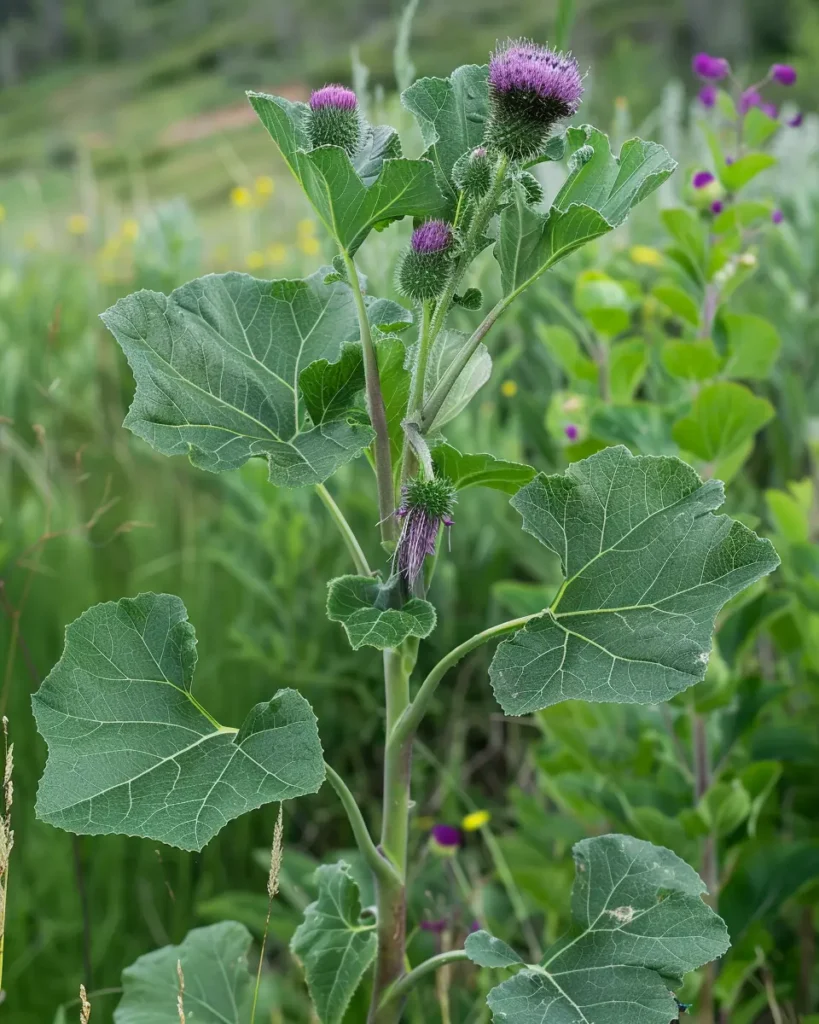
Burdock Root (Arctium lappa) – Common names include burdock, greater burdock, gobo, beggar’s buttons, and bardana. Other related species, such as Arctium minus, are sometimes used, but Arctium lappa is the most common medicinal and culinary species.
Traditional uses of burdock root:
Skin Support: Burdock root is traditionally used as an alterative herb, especially in long-term skin wellness formulas.
Digestive Support: Its mild bitterness, prebiotic fibers, and earthy root chemistry make it useful for sluggish digestion and gut support.
Liver & Bile Support: Herbalists often include burdock root in formulas that support normal liver, bile, and digestive function.
Prebiotic Nourishment: Burdock root contains inulin and fructooligosaccharides, fibers that can nourish beneficial gut bacteria.
Burdock root is not dramatic. It is the quiet, earthy herb that works slowly, like a gardener improving the soil before expecting flowers.
“Burdock root reminds us that deep nourishment often starts underground.”
Available Burdock Root Products
Burdock Root Capsules — Capsules/Tablets
A traditional herb supplement extracted from the root, valued for its naturally occurring antioxidants and used to support overall wellness.
Buy Burdock Root Capsules
Burdock Root Tincture — Tincture/Liquid Extract
A fast-absorbing liquid extract taken in drops, traditionally used to support digestive comfort and skin health.
Buy Burdock Root Tincture
Burdock Root Tea — Tea Bags
A caffeine-free herbal tea with an earthy, slightly sweet flavor, traditionally used to support digestion and the body’s natural detox pathways.
Buy Burdock Root Tea
Burdock Root Oil — Topical/Carrier Oil
An infused oil applied to scalp and skin, traditionally used to nourish hair, reduce dandruff, and moisturize dry or damaged skin.
Buy Burdock Root Oil
Burdock Root Dried/Loose Herb — Raw/Dried Herb
Whole dried, cut root for brewing your own tea, making broths, or using in homemade tinctures and herbal blends.
Buy Burdock Root Dried Herb
⚠️ These are dietary supplements/cosmetic products — not evaluated by the FDA for treating disease. Burdock may interact with blood thinners or diabetes medications, and those allergic to ragweed, daisies, or chrysanthemums may also react to it. Not recommended during pregnancy or nursing without medical guidance. Check with a healthcare provider before internal use.
Key Herbal Actions
Burdock root is known as an alterative, bitter tonic, hepatic-supportive herb, cholagogue-supportive herb, prebiotic, diuretic-supportive herb, lymphatic-supportive herb, antioxidant, anti-inflammatory-supportive herb, mild antimicrobial-supportive herb, and nutritive root.
Alterative
An alterative is traditionally used to support the body’s natural cleansing, nourishment, and tissue-maintenance processes over time. Burdock root is one of the classic alterative herbs in Western herbalism. This action is especially connected with skin, digestion, lymphatic wellness, and elimination.
Bitter Tonic
A bitter tonic supports digestion through bitter taste receptors. Burdock root has a mild bitter quality that can support appetite and digestive secretions. It is gentler than very strong bitters but still useful in digestive formulas.
Hepatic-Supportive Herb
A hepatic herb supports liver function in traditional herbal language. Burdock root is often included in formulas for liver-digestive support because of its bitter, antioxidant, and alterative profile. It should not be treated as a liver disease treatment.
Cholagogue-Supportive Herb
A cholagogue-supportive herb is traditionally used to support the flow of bile. Burdock root has a traditional reputation in this category, though it is generally milder than stronger bile-moving herbs. People with gallstones or bile duct obstruction should use caution.
Prebiotic
Burdock root contains inulin and fructooligosaccharides, which can feed beneficial gut bacteria. This supports digestive and microbiome wellness. People sensitive to fermentable fibers may experience gas or bloating.
Diuretic-Supportive Herb
Burdock root has traditional use as a mild urinary-supportive herb. This does not mean it acts like a strong diuretic medication. It is better understood as gentle elimination support within a broader herbal picture.
Lymphatic-Supportive Herb
Burdock root is traditionally used in formulas for sluggish tissues, skin eruptions, and slow-moving elimination. In herbal language, this connects to lymphatic support. It does not mean burdock treats lymphatic disease.
Antioxidant
Burdock root contains phenolic acids, lignans, flavonoids, and other compounds studied for antioxidant activity. Antioxidants help protect cells from oxidative stress. This supports burdock’s reputation as a long-term wellness root.
Anti-inflammatory-Supportive Herb
Burdock root compounds have been studied for inflammation-related pathways. This supports its traditional use in skin, joint, and metabolic wellness formulas. It does not mean burdock root treats inflammatory disease.
Mild Antimicrobial-Supportive Herb
Burdock root extracts have shown antimicrobial activity in laboratory studies. This may help explain some traditional skin and digestive uses. Laboratory activity does not mean it replaces medical care for infections.
Nutritive Root
Burdock root is food-like and mineral-containing, especially when used as a vegetable. It provides fiber, prebiotic compounds, and earthy nourishment. Its best use is often slow and steady rather than intense.
Active Compounds and Extraction
Burdock root contains inulin, fructooligosaccharides, arctiin, arctigenin, lignans, chlorogenic acid, caffeic acid, phenolic acids, flavonoids, polyacetylenes, tannins, mucilage-like polysaccharides, minerals, and small amounts of essential oil.
Inulin
Inulin is a soluble prebiotic fiber found in burdock root. It feeds beneficial gut bacteria and contributes to the root’s mild sweetness. Inulin levels vary depending on harvest time, with many roots richer before flowering.
Best extraction: Decoction, food use, powder, vinegar.
To make a burdock root decoction, simmer 1 teaspoon dried root in 1 cup water for 10–15 minutes. For food use, slice fresh burdock root and simmer, sauté, or add it to soups.
Fructooligosaccharides
Fructooligosaccharides are prebiotic fibers related to inulin. They support gut microbiome nourishment but may cause gas in sensitive people. This is one reason burdock root should be introduced gradually.
Best extraction: Decoction, food use, powder.
A gentle decoction extracts water-soluble prebiotic compounds. Eating cooked burdock root as food provides more whole-fiber content.
Arctiin
Arctiin is a lignan glycoside found in burdock. It is studied for antioxidant, inflammation-related, metabolic, and immune-related activity. It is one of the important marker compounds in burdock research.
Best extraction: Decoction, tincture, alcohol-water extract.
A decoction extracts some arctiin, while a tincture may capture a broader lignan profile. Extracts are more concentrated and should be used thoughtfully.
Arctigenin
Arctigenin is formed from arctiin and has been widely studied in laboratory and preclinical research. It is associated with antioxidant, inflammation-related, metabolic, and cellular effects. Human evidence is still limited, so it should not be overstated.
Best extraction: Alcohol-water extract, tincture, standardized extract.
Arctigenin is more relevant in extracts than simple food use. For home herbalism, whole-root tea or food preparation is more traditional.
Lignans
Lignans are plant compounds studied for antioxidant and hormone-related activity. Burdock root lignans include arctiin and arctigenin-related compounds. They are part of the root’s broad medicinal chemistry.
Best extraction: Tincture, decoction, extract.
A water-alcohol tincture is useful for a broad range of lignans. Decoction remains the most traditional root preparation.
Chlorogenic Acid
Chlorogenic acid is a phenolic acid found in burdock root and other plants such as coffee, dandelion, and artichoke. It is studied for antioxidant and metabolic-related activity. It contributes to burdock’s earthy bitter profile.
Best extraction: Decoction, tincture, roasted root beverage.
A decoction extracts chlorogenic acid reasonably well. Roasting may alter some phenolic compounds while creating a deeper flavor.
Caffeic Acid
Caffeic acid is another phenolic compound found in burdock root. It contributes antioxidant activity and works alongside chlorogenic acid and other phenolics. It is part of burdock’s tissue-supportive profile.
Best extraction: Decoction, tincture, vinegar.
A burdock root vinegar can be made by covering chopped root with apple cider vinegar and steeping for 2–4 weeks. Strain well before use.
Flavonoids
Burdock root contains flavonoids that contribute antioxidant and tissue-supportive activity. They are not the only important compound group, but they add to the root’s broad activity. Flavonoid content varies by plant part and processing method.
Best extraction: Decoction, tincture, glycerite.
A simmered tea extracts some flavonoids. A tincture may capture a wider range.
Polyacetylenes
Polyacetylenes are plant defense compounds found in burdock and some related plants. They are studied for antimicrobial and inflammation-related activity. They may contribute to burdock’s traditional skin and tissue uses.
Best extraction: Tincture, extract, fresh root preparations.
Alcohol-water preparations are more suitable for these compounds than light teas. Fresh food use may also provide some whole-root chemistry.
Tannins
Tannins are astringent compounds that gently tone tissues. Burdock root contains modest tannins, contributing a mild drying or toning quality. This action is balanced by inulin and other root fibers.
Best extraction: Decoction, tincture.
A stronger decoction extracts more tannins and may taste more earthy and bitter.
Mucilage-Like Polysaccharides
Burdock root contains water-soluble polysaccharides that contribute to its nourishing root quality. These compounds may support gut and immune wellness in early research. They also add body to decoctions.
Best extraction: Decoction, long simmer, food use.
Simmering the root extracts polysaccharides better than a short steep. Cooked burdock root also provides fiber directly.
Minerals
Burdock root contains minerals such as potassium, magnesium, calcium, and trace minerals, though levels vary by soil and growing conditions. It should be viewed as a nutritive food-herb rather than a mineral supplement. Vinegar and decoctions may extract some minerals.
Best extraction: Food use, decoction, vinegar.
Fresh burdock root as a cooked vegetable is the most food-like way to use its mineral and fiber content.
Harvesting and Storing Right
Burdock root is usually harvested in the first year of growth, before the plant sends up its tall second-year flower stalk. First-year roots are more tender, less woody, and better for food and medicine. Once the plant flowers, the root becomes tougher and less desirable.
The best harvest season is autumn of the first year or early spring before second-year growth begins. Harvest on a dry day when the soil is workable. Burdock has a long taproot, so patience and a digging fork help. Pulling too hard usually results in a dramatic root break and a quiet herbal disappointment.
Only harvest from clean, unsprayed areas away from roads, treated lawns, industrial sites, and pet-heavy zones. Wash roots thoroughly, slice while fresh, and dry with good airflow.
Store dried burdock root in an airtight container away from light, heat, and moisture. Cut dried root usually keeps good quality for 2–3 years. Powder is best used within 6–12 months. Fresh burdock root can be refrigerated for several weeks if kept dry and unwashed until use. Prepared decoctions should be refrigerated and used within 24–48 hours.
Body Functions Burdock Root Can Support
Burdock root can support the digestion system, skin, liver support, lymphatic system, immune system, urinary system, metabolism, circulation, muscles and joint, and energy and vitality.
Digestion System
Burdock root supports digestion through mild bitterness, prebiotic inulin, and earthy root nourishment. It is traditionally used when digestion feels sluggish or heavy. Sensitive people should start small because inulin can cause gas or bloating.
Skin
Burdock root is a classic alterative herb for skin wellness. Herbalists often use it when skin support is approached through digestion, liver-bile function, lymphatic movement, and elimination. It is not a quick topical fix; it is more of a long-game root.
Liver Support
Burdock root is traditionally used in liver-support formulas because of its bitter, antioxidant, and alterative qualities. It may support normal bile-related digestion. People with liver disease, gallbladder disease, or bile duct obstruction should seek professional guidance before using it medicinally.
Lymphatic System
Burdock root has a traditional reputation as a lymphatic-supportive alterative. It is often included in formulas for sluggish tissue states and skin wellness. This is supportive herbal language, not a claim that burdock treats lymphatic disease.
Immune System
Burdock root polysaccharides, lignans, and phenolic compounds are studied for immune-related activity. Practically, burdock supports immune wellness through gut, skin, and antioxidant pathways. It is not a strong immune stimulant.
Urinary System
The EMA lists burdock root traditional use to increase urine amount for flushing of the urinary tract in minor urinary complaints. This use should remain mild and short-term, and persistent urinary symptoms require medical attention. Hydration matters.
Metabolism
Burdock root contains inulin and phenolic compounds studied for glucose, lipid, and metabolic markers in early research. This does not make it a diabetes treatment. People taking blood sugar medication should use caution with extracts or regular medicinal use.
Circulation
Burdock root’s circulation support is mostly traditional and indirect, tied to antioxidant activity, skin surface circulation, and alterative use. It is not a primary cardiovascular herb. It fits better in general wellness formulas than heart-specific protocols.
Muscles and Joint
Burdock root tea has been studied in small human research related to knee osteoarthritis markers, suggesting possible antioxidant and inflammation-related support. Evidence is limited and should be framed carefully. Burdock may be supportive, not curative.
Energy and Vitality
Burdock root supports vitality in a slow, nutritive way. It offers fiber, minerals, bitterness, and digestive support rather than stimulation. It is the opposite of a quick energy drink, and honestly, that is part of its charm.
Safety and Practical Considerations
Burdock root is eaten as food in several cultures and is generally well tolerated by many people, but medicinal use still requires caution.
People allergic to Asteraceae family plants should use caution. This family includes ragweed, daisies, chamomile, calendula, echinacea, and chrysanthemums. Allergic reactions can include rash, itching, swelling, or breathing symptoms.
Do not wild-harvest burdock unless you can identify it confidently. Burdock has sometimes been confused with toxic plants, and contaminated or misidentified material can be dangerous.
People with gallstones, bile duct obstruction, gallbladder inflammation, severe liver disease, or active biliary pain should avoid medicinal use unless guided by a qualified healthcare professional.
Burdock root contains inulin and other fermentable fibers, which may cause gas, bloating, or digestive discomfort in sensitive people, especially those with IBS or FODMAP sensitivity. Start with small amounts.
Burdock may affect blood sugar in some contexts. People taking diabetes medications or managing blood sugar concerns should consult a healthcare professional before using burdock extracts or regular medicinal amounts.
Because burdock has mild diuretic traditional use, people taking diuretics, lithium, blood pressure medications, or kidney-related medications should ask a qualified healthcare professional before using it medicinally.
Pregnant and breastfeeding people should avoid medicinal burdock unless guided by a qualified healthcare professional because safety data is limited. Children should not use burdock medicinally without professional guidance; the EMA monograph does not recommend use in children and adolescents under 18.
Topical burdock products may irritate sensitive skin. Patch test first. For pets, burdock use should be guided by a veterinarian or qualified animal herbalist.
FAQ
What does burdock root taste like?
Burdock root tastes earthy, mildly sweet, slightly bitter, and root-like. Fresh burdock has a crisp texture and a flavor somewhat like artichoke, carrot, and earth had a thoughtful conversation. Roasted burdock tastes deeper and nuttier.
When is the best time to use burdock root?
Burdock root is often used before meals as a mild bitter or during the day as a decoction. As food, it can be eaten with meals in soups, stir-fries, and simmered dishes. If it causes gas, use smaller amounts.
Is fresh or dried burdock root better?
Fresh burdock root is excellent as food and provides fiber, minerals, and whole-root nourishment. Dried burdock root is more convenient for teas, decoctions, tinctures, and storage. Both are useful when properly sourced.
Is burdock root tea, tincture, capsule, or food better?
Food and decoction are the most traditional and gentle forms. Tincture is more concentrated and convenient. Capsules are practical but bypass the bitter taste and may vary widely in quality.
Can burdock root be used daily?
Some people use burdock root regularly as food or tea, but daily medicinal use is not ideal for everyone. People with Asteraceae allergies, blood sugar medication, kidney concerns, gallbladder issues, pregnancy, breastfeeding, or prescription medications should seek guidance. Start small because of inulin.
How should burdock root be stored?
Store dried burdock root in an airtight container away from heat, light, and moisture. Cut root lasts longer than powder. Fresh burdock root should be refrigerated and kept dry until use.
Does burdock root combine well with other herbs?
Yes. Burdock root combines well with dandelion root, yellow dock, nettle, red clover, calendula, licorice root, ginger, cinnamon, chicory, and milk thistle. For skin-support formulas, it often pairs with dandelion and red clover. For digestion, it pairs well with ginger and dandelion root.
Is burdock root safe for everyone?
No. Burdock may not be appropriate for people with Asteraceae allergies, gallbladder disease, bile duct obstruction, diabetes medication use, kidney concerns, pregnancy, breastfeeding, or certain medications. Quality and correct identification are important.
Can burdock root be used for pets?
Burdock root appears in some animal herbalism traditions, especially for skin and digestive support. Pet use should be guided by a veterinarian or qualified animal herbalist. Dose, species, medications, and health history matter.
Is burdock root the same as burdock leaf?
No. Burdock root is the main medicinal and culinary part used for digestion, alterative support, and prebiotic fiber. Burdock leaf is used differently and is more common in external applications. They should not be treated as identical.
Disclaimer
This content is educational only. It is not medical advice, diagnosis, or treatment. Herbs may interact with medications or health conditions. People who are pregnant, breastfeeding, managing a medical condition, taking prescription medications, or preparing for surgery should consult a qualified healthcare professional before using herbs.
References
EMA: Community Herbal Monograph on Arctium lappa L., radix
PMC: Harnessing the Power of Arctium lappa Root
PubMed: A Review of the Pharmacological Effects of Arctium lappa
PMC: Mechanistic Insights on Burdock Arctium lappa Extract
PMC: Aqueous Extract of Arctium lappa Root Enhances Skin Barrier and Wound Healing
PMC: Safety of 8-Weeks Oral Administration of Arctium lappa L. Extract