


Holy basil, also known as tulsi, is a fragrant member of the mint family with a long history of use in Ayurveda and household herbal traditions. It is not the same as sweet basil used in Italian cooking, though the two are botanical cousins. Holy basil has a warmer, spicier, clove-like personality.
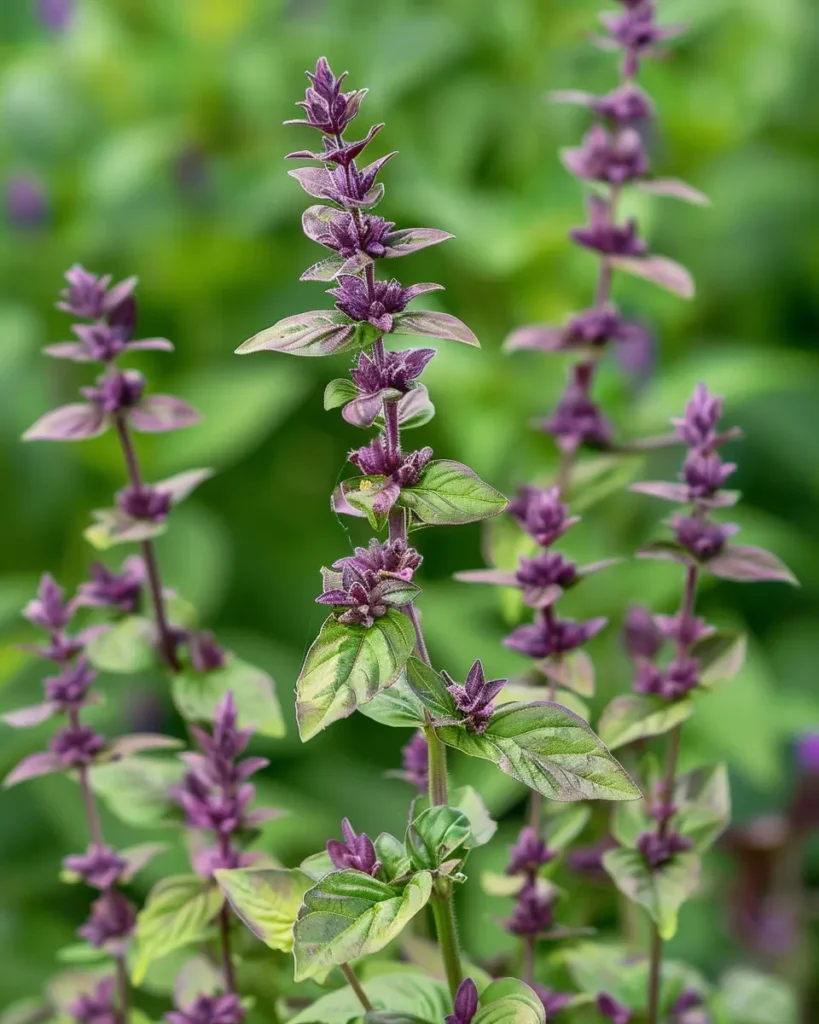
Holy Basil (Ocimum tenuiflorum) – Common names include tulsi, tulasi, sacred basil, and holy basil. Older references may use the synonym Ocimum sanctum.
Traditional uses of holy basil:
Stress Support: Holy basil is traditionally used as an adaptogen, meaning it helps support the body’s natural resilience during stress.
Nervous System Support: Herbalists often use tulsi when stress feels heavy, tense, foggy, or emotionally draining.
Respiratory Support: Holy basil leaf tea has traditional use for seasonal respiratory comfort, especially when paired with ginger, honey, or other warming herbs.
Digestive Comfort: Its aromatic, slightly pungent taste makes it useful after meals or when digestion feels sluggish.
Holy basil is the herbal equivalent of a wise friend who brings tea, clears the air, and gently reminds you to breathe.
“Holy basil does not shout calm; it quietly teaches the body how to remember it.”
Available Holy Basil Products
Dried Holy Basil
Dried holy basil leaf is one of the most common forms. It is used for teas, infusions, powders, capsules, tinctures, and herbal blends. Good dried tulsi should smell fresh, spicy, clove-like, slightly sweet, and aromatic.
Look for products labeled Ocimum tenuiflorum or Ocimum sanctum. Some products may specify varieties such as Rama tulsi, Krishna tulsi, or Vana tulsi.
Holy Basil Tea
Holy basil tea is a classic preparation. It has a warming, aromatic, slightly peppery flavor. Depending on the variety, it may taste sweet, clove-like, minty, or earthy.
A simple holy basil tea can be made with 1–2 teaspoons dried leaf per cup of hot water. Cover, steep for 10–15 minutes, then strain. Covering matters because the aromatic compounds are volatile and like to escape when nobody is watching.
Holy Basil Tincture
Holy basil tincture is a concentrated liquid extract. It is convenient, shelf-stable, and commonly used for stress-support formulas. Alcohol-water tinctures extract aromatic compounds, phenolics, flavonoids, and other constituents.
Holy Basil Capsules
Holy basil capsules usually contain powdered leaf, dried extract, or standardized extract. Capsules may be convenient for people who do not enjoy herbal tea. Labels should clearly identify the species, plant part, serving size, extract ratio, and whether the product is standardized.
Holy Basil Glycerite
Holy basil glycerite is an alcohol-free liquid preparation. It can be useful for people avoiding alcohol and is often sweet, pleasant, and easy to take. Because tulsi is aromatic, glycerites can capture some flavor and water-soluble compounds, though they may be milder than tinctures.
Holy Basil Essential Oil
Holy basil essential oil is highly concentrated and should be used carefully. It is mainly used in aromatherapy and topical preparations when properly diluted. It should not be used internally unless guided by a qualified professional trained in essential oil safety.
Holy basil essential oil can vary chemically depending on variety, growing conditions, and distillation. Some types contain eugenol, methyl eugenol, or other potent aromatic compounds, so casual use is not wise.
Holy Basil Powder
Holy basil powder is used in capsules, drink mixes, herbal honeys, and powdered blends. It is convenient but loses aroma faster than whole dried leaf. Buy small amounts and store it tightly sealed.
Fresh Holy Basil
Fresh tulsi leaf can be used in teas, culinary preparations, herbal honeys, and infused vinegars. Fresh leaf has a lively aroma and is especially nice when grown at home. Use only plants that are correctly identified and grown without pesticides.
Holy Basil Extract
Holy basil extract may appear in stress, mood, metabolic, immune, and wellness supplements. Extracts are more concentrated than tea and should be used more cautiously, especially by people taking medications.
Key Herbal Actions
Holy basil is known as an adaptogen, nervine, aromatic, carminative, antioxidant, anti-inflammatory-supportive herb, immunomodulating-supportive herb, antimicrobial-supportive herb, expectorant, cardiotonic-supportive herb, and metabolic-supportive herb.
Adaptogen
An adaptogen is an herb traditionally used to support resilience during physical, emotional, or environmental stress. Holy basil is widely described as an adaptogenic herb in modern herbal literature. Its role is steady support rather than instant stimulation.
Nervine
A nervine supports the nervous system. Holy basil is used when stress affects mood, clarity, energy, or sleep rhythm. It is not usually heavy or sedating; it tends to feel more uplifting and clarifying.
Aromatic
Aromatic herbs contain fragrant volatile compounds. Holy basil’s spicy, clove-like aroma comes from essential oil constituents such as eugenol and related compounds. Aromatic herbs often support digestion, respiration, and mood through both chemistry and sensory experience.
Carminative
Carminative herbs help ease gas, bloating, and digestive tension. Holy basil’s warm aromatic taste makes it useful after meals. It is gentler than very hot spices but still has a warming digestive quality.
Antioxidant
Holy basil contains phenolic compounds, flavonoids, and essential oil constituents studied for antioxidant activity. Antioxidants help protect cells from oxidative stress. This supports holy basil’s reputation as a daily wellness herb.
Anti-inflammatory-Supportive Herb
Holy basil has been studied for activity related to inflammatory pathways. Traditional use often places it in formulas for general tissue comfort and stress-related imbalance. This is supportive language, not a claim that tulsi treats inflammatory disease.
Immunomodulating-Supportive Herb
Holy basil is traditionally used to support immune resilience, especially during seasonal stress. Some research explores immune-related activity, but evidence varies by preparation and study type. It is best described as supportive rather than strongly immune-stimulating.
Antimicrobial-Supportive Herb
Holy basil essential oil and extracts have shown antimicrobial activity in laboratory studies. This helps explain its traditional use in respiratory, oral, and household wellness preparations. Laboratory findings do not mean it should replace medical care for infections.
Expectorant
Holy basil is traditionally used in respiratory formulas to support comfortable breathing and mucus movement. Its aromatic, warming nature makes it useful in teas with ginger, honey, thyme, or licorice. It is mild rather than forceful.
Cardiotonic-Supportive Herb
Health Canada lists holy basil leaf as traditionally used in Ayurveda as a cardiotonic. In practical terms, this means it has traditional use for heart and circulation wellness. It should not be used as a replacement for cardiovascular care.
Metabolic-Supportive Herb
Human studies and reviews have explored tulsi for blood sugar, lipids, and metabolic markers. Results are promising but not strong enough to treat it as a stand-alone therapy. It is best viewed as a supportive lifestyle herb.
Active Compounds and Extraction
Holy basil contains eugenol, rosmarinic acid, ursolic acid, oleanolic acid, flavonoids, phenolic acids, essential oil constituents, linalool, caryophyllene, methyl eugenol, tannins, saponins, and polysaccharides.
Eugenol
Eugenol is a spicy aromatic compound also found in clove. It contributes to holy basil’s warm, clove-like aroma and is studied for antioxidant, antimicrobial, and inflammation-related activity. It is most concentrated in the essential oil, not a mild cup of tea.
Best extraction: Covered hot infusion, tincture, steam-distilled essential oil.
To make holy basil tea, use 1–2 teaspoons dried leaf per cup of hot water. Cover and steep 10–15 minutes, then strain. Covering the cup helps preserve aromatic compounds like eugenol.
Rosmarinic Acid
Rosmarinic acid is a phenolic compound found in several mint-family herbs. It is studied for antioxidant and inflammation-modulating activity. In holy basil, it contributes to the herb’s stress, respiratory, and immune-supportive profile.
Best extraction: Hot infusion, tincture, glycerite.
A simple infusion extracts rosmarinic acid well. For a stronger preparation, use a tincture made with alcohol and water.
Ursolic Acid
Ursolic acid is a triterpenoid compound found in holy basil and many other medicinal plants. It is studied for effects on inflammation-related pathways, metabolic markers, and cellular protection in early research. It is less water-soluble than some other compounds.
Best extraction: Alcohol-water tincture, extract, powder.
Tea may not extract ursolic acid strongly. Tinctures and extracts are better suited for triterpenoids, while powder provides more whole-leaf material.
Oleanolic Acid
Oleanolic acid is another triterpenoid compound present in holy basil. It is studied for antioxidant and tissue-supportive activity. Like ursolic acid, it is better represented in whole-herb powders or alcohol-based extracts than in light infusions.
Best extraction: Tincture, extract, powder.
A tincture is useful when a broader range of compounds is desired. Capsules made from whole leaf powder may also provide triterpenes, depending on quality.
Flavonoids
Flavonoids are antioxidant plant compounds. Holy basil contains flavonoids such as orientin and vicenin, which have been studied for cellular protective activity. These compounds contribute to the broader antioxidant profile of tulsi.
Best extraction: Hot infusion, tincture, glycerite.
For a daily tea, steep covered for 10–15 minutes. For a glycerite, combine dried tulsi with vegetable glycerin and water, then steep for several weeks before straining.
Phenolic Acids
Phenolic acids are plant compounds that support antioxidant activity. Along with rosmarinic acid, they help explain holy basil’s reputation as a protective daily herb. They work as part of the whole plant rather than as isolated magic bullets.
Best extraction: Hot infusion, tincture, glycerite, vinegar.
A tulsi vinegar can be made by covering fresh or dried holy basil with apple cider vinegar for 2–4 weeks. Strain well and use in food or diluted preparations.
Essential Oil Constituents
Holy basil essential oil may contain eugenol, methyl eugenol, caryophyllene, linalool, cineole, and other constituents depending on chemotype and growing conditions. These compounds contribute to aroma and biological activity. Essential oil is much more concentrated than tea.
Best extraction: Steam distillation.
Essential oil should be diluted before topical use and should not be used internally without expert guidance. For everyday home use, tea or tincture is usually more appropriate.
Linalool
Linalool is an aromatic compound also found in lavender and many other plants. It contributes to holy basil’s fragrance and may support relaxation through aroma. Its amount varies depending on the plant variety.
Best extraction: Covered infusion, tincture, essential oil.
A covered tea is the easiest gentle method. Avoid boiling the herb hard, because delicate aromatics can be lost.
Caryophyllene
Caryophyllene is a sesquiterpene found in many aromatic herbs and spices. It is studied for interactions with inflammatory and endocannabinoid-related pathways. In holy basil, it contributes to the essential oil profile.
Best extraction: Tincture, essential oil, infused oil.
For topical aromatic use, an infused oil can be made with dried holy basil leaf and a carrier oil, though it will be much milder than essential oil.
Tannins
Tannins are mildly astringent compounds that tone tissues. Holy basil contains small amounts that may contribute to its use in oral and digestive preparations. The overall feel of tulsi is aromatic and warming rather than strongly drying.
Best extraction: Hot infusion, tincture.
A strong tea can extract tannins. If the tea tastes too dry or bitter, steep for less time or use less herb.
Saponins and Polysaccharides
Saponins and polysaccharides contribute to the whole-herb profile of holy basil. They are sometimes discussed in relation to immune and tissue-supportive activity. These compounds are best understood as part of the plant’s complex chemistry.
Best extraction: Hot infusion, decoction, tincture.
A longer infusion can extract water-soluble compounds. For delicate leaf material, a standard infusion is usually preferred over prolonged boiling.
Harvesting and Storing Right
Holy basil leaves and flowering tops are harvested during active growth, usually before or during early flowering. The aroma is often strongest on warm, dry days. Harvesting in the late morning, after dew has dried but before the hottest part of the day, helps preserve quality.
Cut the upper stems and leaves, leaving enough plant behind to regrow. Frequent light harvesting encourages bushier growth. Avoid harvesting wet leaves because they are more likely to mold during drying.
Dry holy basil quickly in a shaded, warm, well-ventilated area. High heat can reduce aroma and degrade delicate compounds. Once fully dry, strip leaves from stems and store in an airtight container away from light, heat, and moisture.
Dried holy basil is usually best used within 1 year. Powder is best used within 6 months because it loses aroma quickly. Tinctures may remain stable for several years when properly made and stored. Prepared tea should be used fresh.
Body Functions Holy Basil Can Support
Holy basil can support stress support, nervous system, adrenal, respiratory system, digestion system, immune system, circulation, metabolism, brain, dental oral wellness, skin, liver support, and energy and vitality.
Stress Support
Holy basil is widely used as an adaptogenic herb for stress resilience. Human research suggests tulsi may support stress-related symptoms and general well-being, though studies vary in design and quality. Its action is best understood as gradual support rather than instant calm.
Nervous System
Holy basil is traditionally used to support mood, mental clarity, and nervous system balance. It may feel gently uplifting rather than sedating. Its aromatic compounds, flavonoids, and phenolics all contribute to this traditional use.
Adrenal
In herbal language, holy basil is often used for “adrenal support” because it helps the body adapt to stress. This does not mean it treats adrenal disease. It means herbalists use it as part of broader stress resilience support.
Respiratory System
Holy basil leaf tea is traditionally used for seasonal respiratory comfort. Its aromatic, warming compounds make it useful in blends with ginger, honey, lemon, thyme, or licorice. It may support comfortable breathing and mucus movement.
Digestion System
Holy basil’s warm, aromatic taste supports its traditional use as a digestive herb. It may help when digestion feels slow, tense, or stress-affected. Tea after meals is one of the simplest preparations.
Immune System
Holy basil is traditionally used for immune resilience, especially when stress and seasonal challenges overlap. Laboratory and clinical research explores immune-related effects, but it should not be treated as a substitute for medical care. Tea is a gentle, food-like way to use it.
Circulation
Holy basil has traditional use in Ayurveda as a cardiotonic, and research has explored effects on blood lipids and blood pressure markers. These findings are not enough to replace prescribed care. People taking cardiovascular medications should use caution with concentrated products.
Metabolism
Human studies have explored holy basil for blood glucose and lipid markers. Some findings are promising, but the evidence is not strong enough for treatment claims. It may be useful as a supportive herb alongside diet, movement, sleep, and medical care when needed.
Brain
Holy basil is traditionally used for clarity, focus, and mental steadiness. Some clinical research suggests benefits for stress and cognitive-related well-being. It is best viewed as a gentle supportive herb rather than a stimulant.
Dental Oral
Holy basil has traditional use in oral care, and extracts have been studied for antimicrobial activity. It may be used in mouth rinses or herbal oral preparations. It does not replace brushing, flossing, or dental treatment.
Skin
Holy basil’s antioxidant, antimicrobial-supportive, and inflammation-related activity makes it relevant in topical and internal skin wellness traditions. It may appear in washes, infused oils, and masks. Sensitive skin should patch test first.
Liver Support
Holy basil has been studied in early research for antioxidant and liver-protective effects, mostly in preclinical models. In practical herbalism, it is better described as supporting antioxidant defenses rather than treating liver disease. People with liver conditions should seek professional guidance.
Energy and Vitality
Holy basil is often used when stress drains energy and focus. It does not act like caffeine; it is more balancing and steady. For many people, tulsi tea feels gently refreshing without the jittery edge.
Safety and Practical Considerations
Holy basil is commonly consumed as tea and food-like herb, but concentrated products require more caution.
People taking blood sugar-lowering medications should use caution because holy basil may affect blood glucose. People taking blood pressure medications, blood thinners, anticoagulants, antiplatelet drugs, sedatives, or medications for chronic conditions should consult a qualified healthcare professional before using concentrated tulsi products.
Holy basil may slow blood clotting in some contexts, so people preparing for surgery should discuss use with their healthcare team. Do not stop prescribed medication or herbs before surgery without guidance.
Pregnant people should avoid medicinal amounts of holy basil unless guided by a qualified healthcare professional. Some animal research raises reproductive safety questions, and reliable human safety data in pregnancy is limited. Breastfeeding safety data is also limited, so professional guidance is recommended.
People trying to conceive should also use caution with concentrated holy basil products because some animal research has raised fertility-related questions. Food-level culinary use is different from medicinal extracts.
Holy basil essential oil should be used carefully and diluted properly. Internal use is not recommended without expert supervision. Essential oil products may contain potent compounds such as eugenol or methyl eugenol.
Children, older adults, and sensitive individuals should start with mild tea rather than extracts. People with known allergy to mint-family plants should use caution.
FAQ
What does holy basil taste like?
Holy basil tastes aromatic, spicy, slightly peppery, clove-like, and sometimes sweet or minty. The flavor varies by variety. Rama tulsi may taste softer and greener, while Krishna tulsi is often spicier and more intense.
When is the best time to use holy basil?
Holy basil can be used during the day for stress support and clarity. Some people enjoy it in the morning or afternoon instead of another caffeinated drink. If it feels relaxing to you, evening tea may also be pleasant.
Is fresh or dried holy basil better?
Fresh holy basil has a bright aroma and is wonderful for tea, vinegar, honey, and culinary use. Dried holy basil is more convenient and available year-round. Both are useful if the plant material is fresh and good quality.
Is holy basil tea, tincture, or capsule better?
Tea is gentle, traditional, and easy for beginners. Tincture is more concentrated and convenient. Capsules are practical but depend heavily on product quality, extract strength, and correct botanical identity.
Can holy basil be used daily?
Many people drink tulsi tea regularly, but daily medicinal use is not appropriate for everyone. People taking medications, pregnant or breastfeeding people, those trying to conceive, and people with medical conditions should seek professional guidance. Moderate tea use is different from high-dose extracts.
How should holy basil be stored?
Store dried holy basil in an airtight container away from light, heat, and moisture. Whole dried leaf keeps its aroma longer than powder. Powder should be used quickly because aromatic compounds fade faster.
Does holy basil combine well with other herbs?
Yes. Holy basil combines beautifully with ginger, lemon balm, rose, cinnamon, cardamom, ashwagandha, licorice, nettle, peppermint, and chamomile. For stress support, it pairs well with lemon balm and oat straw. For respiratory comfort, it pairs well with ginger and thyme.
Is holy basil safe for everyone?
No. Holy basil may not be appropriate for people taking blood sugar medication, blood thinners, blood pressure medication, sedatives, or other prescriptions. It should also be used cautiously during pregnancy, breastfeeding, and when trying to conceive.
Can holy basil be used for pets?
Holy basil may appear in some animal wellness products, but pet use should be guided by a veterinarian or qualified animal herbalist. Animals metabolize herbs differently than humans. Do not give holy basil essential oil or concentrated extracts to pets without professional guidance.
Is holy basil the same as sweet basil?
No. Holy basil is usually Ocimum tenuiflorum, while culinary sweet basil is Ocimum basilicum. They are related, but they have different flavors, chemistry, and traditional uses.
Disclaimer
This content is educational only. It is not medical advice, diagnosis, or treatment. Herbs may interact with medications or health conditions. People who are pregnant, breastfeeding, managing a medical condition, taking prescription medications, or preparing for surgery should consult a qualified healthcare professional before using herbs.
References
PMC: The Clinical Efficacy and Safety of Tulsi in Humans
PMC: Tulsi – Ocimum sanctum: A Herb for All Reasons
PubMed: Ocimum sanctum L. Holy Basil or Tulsi and Its Phytochemicals
Health Canada: Holy Basil Leaf Monograph
Merck Manual Professional: Holy Basil