


Hibiscus is a bright, tart, ruby-red herb best known as a refreshing tea. In herbalism, the part most often used is not the showy flower petal, but the fleshy red calyx that surrounds the seed pod of Hibiscus sabdariffa. That calyx gives hibiscus tea its deep color, cranberry-like flavor, and impressive sour personality.
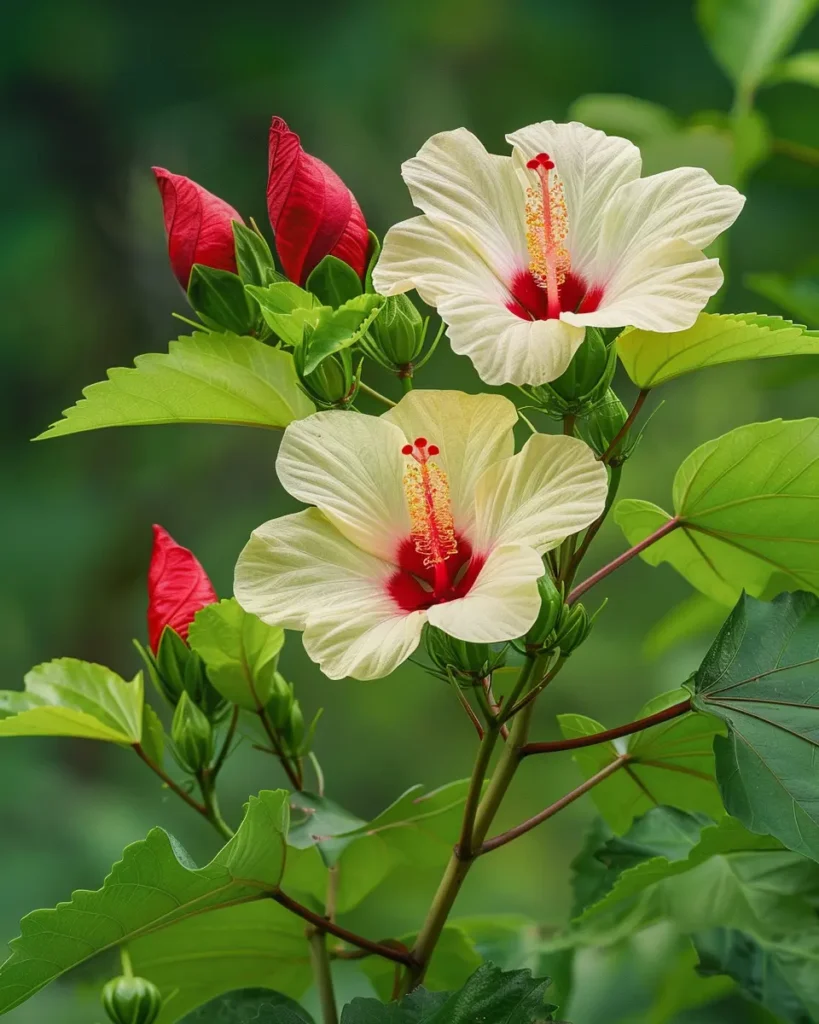
Hibiscus (Hibiscus sabdariffa)
Traditional uses of hibiscus:
Cardiovascular Wellness: Hibiscus is traditionally used to support healthy circulation and heart wellness, especially as a daily sour tea.
Antioxidant Support: Its rich red color comes from anthocyanins and other polyphenols, which are studied for antioxidant activity.
Fluid Balance: Hibiscus has a traditional reputation as a mild diuretic, meaning it may support normal fluid movement through the body.
Digestive Refreshment: Its tart flavor and organic acids make it a classic after-meal or warm-weather beverage.
Hibiscus is the herbal version of “bright, bold, and slightly dramatic” — but in a useful way.
“Hibiscus is sunshine in a teacup, with just enough tartness to keep life interesting.”
Available Hibiscus Products
Dried Hibiscus
Dried hibiscus calyces are the most common herbal form. They are used for tea, iced beverages, syrups, jams, powders, herbal blends, and culinary recipes. Good dried hibiscus should be deep red to burgundy, pleasantly tart, and free from musty odor.
Look for food-grade Hibiscus sabdariffa, not ornamental hibiscus. Many ornamental hibiscus plants are beautiful in the garden, but they are not the same as the roselle used in herbal tea.
Hibiscus Tea
Hibiscus tea is the classic preparation. It can be enjoyed hot or iced and has a naturally tart, cranberry-like flavor. It is often blended with rose hips, cinnamon, ginger, orange peel, mint, lemongrass, or berries.
A simple hibiscus tea can be made with 1–2 teaspoons dried hibiscus per cup of hot water. Steep for 5–10 minutes, then strain. Longer steeping makes the tea stronger and more sour.
Hibiscus Tincture
Hibiscus tincture is a concentrated liquid extract. It may be used when someone wants a convenient form without making tea. Tinctures can extract anthocyanins, flavonoids, and organic acids, though hibiscus is still most loved as a water-based tea.
Hibiscus Capsules
Hibiscus capsules usually contain powdered hibiscus or standardized extract. They may be convenient for people who do not enjoy sour tea. Labels should clearly list the botanical name, plant part, extract strength, and serving size.
Hibiscus Glycerite
Hibiscus glycerite is an alcohol-free liquid extract with a sweet-tart flavor. It can be useful for people avoiding alcohol or for formulas where taste matters. Glycerin extracts some water-soluble compounds, especially when the preparation includes water.
Hibiscus Powder
Hibiscus powder is used in capsules, smoothies, drink mixes, culinary recipes, natural coloring, and skincare preparations. It has a strong color and sour taste. Because powder oxidizes faster than whole dried calyces, it should be stored carefully and used within a shorter freshness window.
Hibiscus Syrup
Hibiscus syrup is made from a strong hibiscus infusion combined with honey, sugar, or another syrup base. It is commonly used in drinks, mocktails, desserts, and herbal preparations. Its flavor is bright, tart, and easy to blend.
Hibiscus Extract
Hibiscus extract may appear in cardiovascular wellness supplements, antioxidant formulas, and metabolic support blends. Extracts are more concentrated than tea and should be used with more caution, especially for people taking medications.
Hibiscus Vinegar
Hibiscus vinegar is made by steeping dried hibiscus in vinegar for several weeks. It extracts color, organic acids, and some polyphenols. It can be used in salad dressings, shrubs, marinades, or diluted as a tart herbal beverage.
Hibiscus Essential Oil
Hibiscus essential oil is not a standard or common herbal product. Hibiscus is mainly used as tea, powder, tincture, extract, syrup, or food ingredient. If a product is labeled “hibiscus oil,” it is often an infused oil, fragrance oil, or cosmetic ingredient rather than a true essential oil.
Key Herbal Actions
Hibiscus is known as an antioxidant, astringent, refrigerant, mild diuretic, cardiotonic-supportive herb, sour digestive, and nutritive fruit-like herb.
Antioxidant
Antioxidant herbs contain compounds that help protect cells from oxidative stress. Hibiscus is rich in anthocyanins and other polyphenols, which are studied for antioxidant activity. This is one of the main reasons hibiscus is valued beyond its flavor.
Astringent
Astringent herbs contain compounds that gently tone tissues. Hibiscus has a mild astringency from polyphenols and tannin-like compounds. This action supports its traditional use in refreshing teas and skin preparations.
Refrigerant
A refrigerant herb is traditionally used to cool and refresh the body. Hibiscus is a classic cooling beverage in hot climates. Its sour flavor, bright color, and thirst-quenching quality make it especially popular as iced tea.
Mild Diuretic
Hibiscus is traditionally described as mildly diuretic. This means it may support normal fluid movement through the body. This action is one reason hibiscus is often discussed in relation to cardiovascular and fluid-balance wellness.
Cardiotonic-Supportive Herb
In traditional herbal language, a cardiotonic-supportive herb is used to support overall heart and circulation wellness. Hibiscus has been studied for modest effects on blood pressure in some clinical trials. It should not replace prescribed care, but it may be a useful lifestyle-support herb for some people.
Sour Digestive
Sour herbs stimulate the taste buds and can support digestive secretions through flavor. Hibiscus contains natural organic acids that give it a sharp, tangy taste. This makes it a refreshing after-meal tea or food-like digestive beverage.
Nutritive Fruit-Like Herb
Although hibiscus is not a fruit in the usual grocery-store sense, the calyx is used like a tart fruit in many cultures. It contains minerals, organic acids, polyphenols, and colorful pigments. It works beautifully in teas, syrups, jams, and food preparations.
Active Compounds and Extraction
Hibiscus contains anthocyanins, flavonoids, organic acids, phenolic acids, polysaccharides, pectin, minerals, and small amounts of vitamin C.
Anthocyanins
Anthocyanins are red, purple, and blue plant pigments. In hibiscus, they give the tea its deep ruby color. They are studied for antioxidant activity and are one of the key compound groups behind hibiscus’s cardiovascular and cellular wellness research.
Best extraction: Hot infusion, cold infusion, glycerite, vinegar, or water-alcohol extract.
To make hibiscus tea, use 1–2 teaspoons dried hibiscus per cup of hot water. Steep covered for 5–10 minutes, then strain. For iced tea, make a stronger infusion and pour over ice, or steep in cool water for several hours.
Flavonoids
Flavonoids are plant compounds with antioxidant and tissue-supportive activity. Hibiscus contains flavonoids such as quercetin and related compounds. These contribute to the herb’s traditional role in circulation and general wellness support.
Best extraction: Hot infusion, tincture, glycerite, or vinegar.
A hot infusion is the easiest home method. A tincture may extract a broader range of flavonoids, but tea remains the most classic and food-like preparation.
Organic Acids
Organic acids give hibiscus its signature tart flavor. These include compounds such as hibiscus acid, citric acid, malic acid, and related acids. They support the sour digestive and refreshing qualities of the herb.
Best extraction: Water, vinegar, syrup, and food preparations.
To make a hibiscus syrup, prepare a strong tea using 2 tablespoons dried hibiscus per cup of water. Steep 10–15 minutes, strain, then combine the liquid with honey or sugar while warm.
Phenolic Acids
Phenolic acids are antioxidant compounds found in many herbs and fruits. In hibiscus, they contribute to antioxidant activity and may help explain some of the herb’s research interest. They work alongside anthocyanins rather than acting alone.
Best extraction: Hot infusion, tincture, glycerite, or vinegar.
A simple tea extracts many phenolic compounds well. For a more concentrated product, herbalists may use alcohol-water extraction.
Polysaccharides
Polysaccharides are larger carbohydrate compounds found in plants. In hibiscus, they may contribute to the body and texture of strong infusions and extracts. They are not as slippery as marshmallow root mucilage, but they add to the herb’s overall plant chemistry.
Best extraction: Water infusion or decoction.
A longer steep or gentle simmer can extract more of these larger water-soluble compounds. For everyday use, a strong tea is usually enough.
Pectin
Pectin is a plant fiber that helps thicken fruit preparations. Hibiscus calyces contain pectin-like substances, which is one reason hibiscus works well in jams, sauces, and syrups. This also supports its traditional use as a food-herb.
Best extraction: Decoction, syrup, jam, or culinary preparation.
To make a thicker hibiscus preparation, simmer dried hibiscus gently in water for 10–15 minutes before straining. This method works well for syrups and sauces.
Minerals
Hibiscus contains minerals, with levels varying by soil, growing conditions, and processing. Mineral content is one reason hibiscus is often viewed as a nourishing beverage, though it should not be treated as a mineral supplement. Regular tea use is more food-like than medicinally concentrated.
Best extraction: Hot infusion, decoction, vinegar.
Vinegar extracts can pull some minerals from herbs. For hibiscus, vinegar also pairs well with the tart flavor and deep red color.
Vitamin C
Hibiscus is often associated with vitamin C, but the actual amount varies widely depending on the plant material, drying, storage, and preparation. Heat and long storage can reduce vitamin C content. For this reason, hibiscus is better described as a tart, polyphenol-rich herb rather than a guaranteed high-vitamin-C supplement.
Best extraction: Short infusion, cold infusion, or food preparation.
A cold infusion may help preserve more delicate constituents. Use fresh or recently dried hibiscus when nutrient preservation is the goal.
Harvesting and Storing Right
Hibiscus calyces are harvested after the flowers fade and the calyces become plump, red, and fleshy. This usually happens in warm-season growing regions from late summer into autumn. Harvesting is best done in the morning after dew has dried, while the plant material is fresh but not wet.
The calyx should be separated from the seed pod, then dried quickly with good airflow. Drying should be thorough because hibiscus holds moisture and can mold if stored too soon. Properly dried hibiscus should feel dry and slightly leathery or crisp, not damp.
Store dried hibiscus in an airtight container away from light, heat, and moisture. Its beautiful red color fades with age and light exposure. Whole dried calyces usually keep good quality for about 1 year. Powder is best used within 6 months. Prepared hibiscus tea should be refrigerated and used within 24–48 hours.
Body Functions Hibiscus Can Support
Hibiscus can support circulation, immune system, digestion system, urinary system, liver support, skin, metabolism, energy and vitality, and dental oral wellness.
Circulation
Hibiscus is most widely studied for cardiovascular wellness, especially blood pressure support. Research suggests hibiscus tea may have modest blood pressure effects in some people, though results vary and it should not replace medical treatment. Anthocyanins, organic acids, and mild diuretic activity may all contribute to this traditional use.
Immune System
Hibiscus supports immune wellness mainly through its antioxidant-rich polyphenols and refreshing food-like use. It is often blended with rose hips, elderberry, ginger, or citrus peel in seasonal teas. It is not a strong immune stimulant; it is more of a nourishing, antioxidant beverage.
Digestion System
Hibiscus has a sour flavor that can gently wake up the taste buds and support digestive secretions. Its organic acids make it useful as an after-meal tea or refreshing digestive beverage. People with very sensitive stomachs or reflux may find it too tart.
Urinary System
Hibiscus is traditionally used as a mild diuretic and cooling beverage. This may support normal fluid movement through the urinary system. It should not be used as a replacement for care when urinary symptoms are persistent, painful, or severe.
Liver Support
Hibiscus has been studied for antioxidant activity and liver-related markers, mostly in early research and animal or laboratory models. In herbal practice, it is best viewed as a supportive antioxidant herb rather than a direct liver treatment. Its tart, polyphenol-rich nature makes it a useful addition to general wellness teas.
Skin
Hibiscus is used in skincare for its color, mild astringency, organic acids, and antioxidant compounds. It appears in masks, toners, rinses, and exfoliating formulas. Because it is acidic, sensitive skin should use it cautiously and patch test first.
Metabolism
Hibiscus has been studied for possible effects on blood lipids, blood sugar, and metabolic markers, but evidence is not strong enough to treat it as a stand-alone metabolic herb. Its best role is as a tart, unsweetened beverage that can replace sugary drinks. That simple swap may be more practical than any dramatic supplement claim.
Energy and Vitality
Hibiscus tea is caffeine-free, bright, and refreshing. It can support energy and vitality by offering hydration, flavor, and antioxidant compounds without stimulation. Iced hibiscus tea is especially useful when you want something lively that is not coffee pretending to be a personality.
Dental Oral
Hibiscus tea has a tart, astringent flavor and may feel refreshing in the mouth. However, because it is acidic and deeply pigmented, frequent sipping may affect tooth enamel or stain teeth in some people. Drinking it with meals, using a straw for iced tea, and rinsing with water afterward can be practical habits.
Safety and Practical Considerations
Hibiscus tea is commonly consumed as a beverage in many parts of the world, but concentrated use deserves caution.
People taking blood pressure medications should be cautious because hibiscus may have additional blood pressure-lowering effects. People taking diuretics, diabetes medications, or medications with narrow dosing needs should also speak with a qualified healthcare professional before using hibiscus regularly or in extract form.
Hibiscus may interact with certain medications, including chloroquine and possibly some pain-relief or liver-metabolized drugs. The clinical importance of these interactions can vary, but they are worth taking seriously.
Pregnant people should avoid medicinal amounts of hibiscus unless guided by a qualified healthcare professional. Breastfeeding safety data is limited, so professional guidance is recommended.
People with low blood pressure, kidney disease, liver disease, or a history of sensitivity to acidic foods should use caution. Hibiscus is sour and may aggravate reflux, sensitive stomach, or dental enamel concerns if consumed frequently.
Children, older adults, and sensitive individuals should start with mild tea rather than extracts. For pets, hibiscus use should be guided by a veterinarian or qualified animal herbalist.
FAQ
What does hibiscus taste like?
Hibiscus tastes tart, fruity, and cranberry-like. It can be pleasantly sour or very sharp depending on how much herb is used and how long it steeps. It blends well with sweet, spicy, and citrus flavors.
When is the best time to use hibiscus?
Hibiscus can be used any time of day because it is naturally caffeine-free. Many people enjoy it iced in warm weather or as an after-meal tea. If you take medications, ask a healthcare professional about timing and safety.
Is fresh or dried hibiscus better?
Fresh hibiscus calyces are wonderful for jams, syrups, and fresh teas when available. Dried hibiscus is more common, convenient, and easy to store. For most home herbal use, dried hibiscus works very well.
Is hibiscus tea, tincture, or capsule better?
Hibiscus tea is the most traditional and food-like form. Tinctures and capsules are more concentrated and convenient, but they should be used with more caution. For beginners, tea is usually the best place to start.
Can hibiscus be used daily?
Many people drink hibiscus tea regularly, but daily use is not ideal for everyone. People with low blood pressure, medication use, pregnancy, breastfeeding, reflux, kidney issues, or dental enamel concerns should be cautious. Moderate tea use is very different from high-dose extract use.
How should hibiscus be stored?
Store dried hibiscus in an airtight container away from light, heat, and moisture. Its red color fades over time, so darker storage is better. Hibiscus powder should be used faster than whole dried calyces.
Does hibiscus combine well with other herbs?
Yes, hibiscus blends beautifully with rose hips, ginger, cinnamon, orange peel, elderberry, mint, lemongrass, hawthorn, and hibiscus-friendly fruits. It is often used to improve flavor and color in tea blends. Its tartness can balance sweeter or earthier herbs.
Is hibiscus safe for everyone?
No. Hibiscus may not be appropriate for people taking blood pressure medication, diuretics, diabetes medication, or certain other prescriptions. It may also be too acidic for people with reflux or sensitive digestion.
Can hibiscus be used for pets?
Hibiscus may appear in some pet-safe herbal formulas, but pet use should be guided by a veterinarian or qualified animal herbalist. Animals process herbs differently than humans. Do not give concentrated hibiscus extracts to pets without professional guidance.
Why is hibiscus tea so red?
Hibiscus tea is red because it contains anthocyanins, the same general family of pigments found in many red, purple, and blue fruits and plants. These pigments are also studied for antioxidant activity. The color can shift slightly depending on pH, which is why hibiscus looks especially vivid with acidic ingredients like lemon.
Disclaimer
This content is educational only. It is not medical advice, diagnosis, or treatment. Herbs may interact with medications or health conditions. People who are pregnant, breastfeeding, managing a medical condition, taking prescription medications, or preparing for surgery should consult a qualified healthcare professional before using herbs.
References
PubMed: A Review on Phytochemistry and Therapeutic Uses of Hibiscus sabdariffa
PubMed: Organic Acids from Roselle Hibiscus sabdariffa
NCCIH: Hypertension and Complementary Health Approaches
EMA: European Union Monographs and List Entries
PMC: Hibiscus sabdariffa L. Phytochemical and Pharmacological Review
PMC: Can Estragole in Fennel Seed Decoctions Really Be Considered a Danger for Human Health?