


Marshmallow root is the soft, soothing root of Althaea officinalis, a perennial plant in the mallow family. It is rich in mucilage, a slippery plant compound that becomes gel-like when mixed with water. In herbalism, marshmallow root is one of the classic “moistening and soothing” herbs.
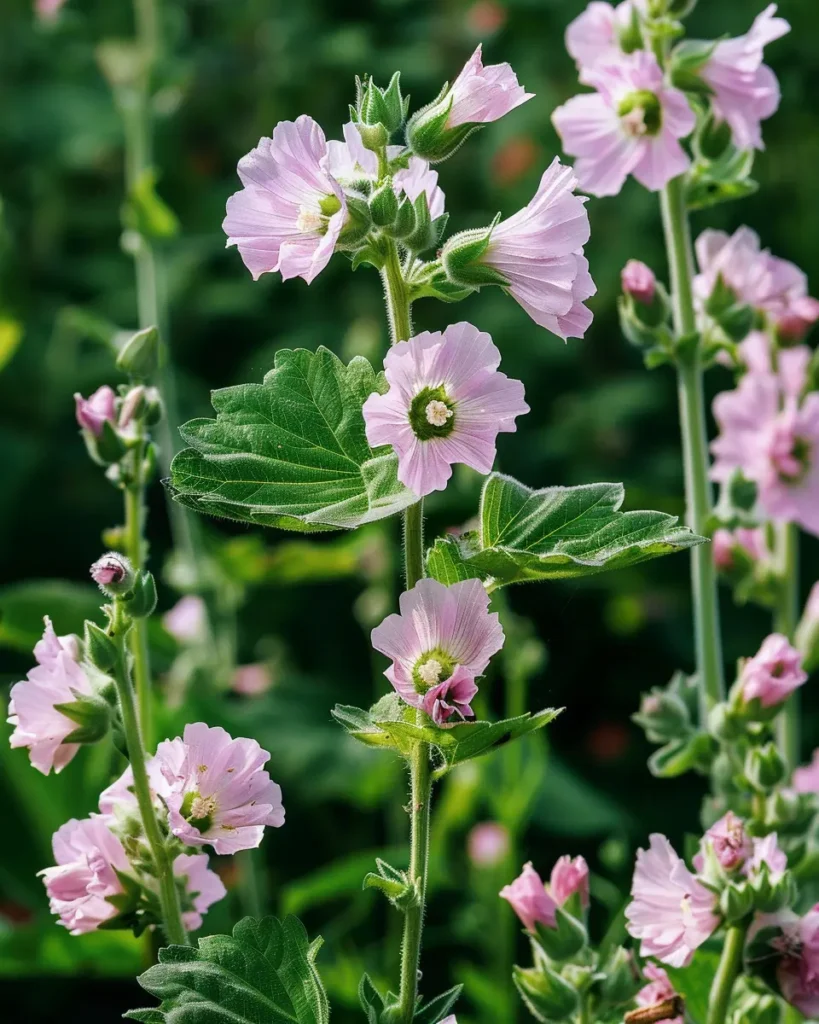
Marshmallow Root (Althaea officinalis)
Traditional uses of marshmallow root:
Throat and Mouth Comfort: Marshmallow root has traditionally been used to soothe dry, irritated mucous membranes in the mouth and throat.
Digestive Support: Herbalists often use marshmallow root when digestion feels dry, irritated, or sensitive. Its mucilage creates a gentle coating sensation.
Respiratory Comfort: Marshmallow root is traditionally used in syrups, lozenges, and teas for dry throat and dry cough patterns.
Urinary Tract Comfort: As a moistening demulcent herb, marshmallow root has also been used in traditional formulas for urinary tract comfort.
Marshmallow root is not a dramatic herb. It is more like a soft blanket for irritated tissues, which is sometimes exactly the level of drama the body needs.
“Marshmallow root is the herbal equivalent of a soft scarf for scratchy places.”
Available Marshmallow Root Products
Dried Marshmallow Root
Dried marshmallow root is the most common form used by herbalists. It is usually sold cut and sifted or powdered. Good-quality marshmallow root should look pale beige, smell mild and earthy, and become slippery or slightly gel-like when soaked in water.
Marshmallow Root Tea
Marshmallow root tea is best prepared as a cold infusion rather than a quick hot tea. Cold water extracts the mucilage especially well. This gives the liquid a soft, slippery texture that is central to the herb’s traditional use.
Marshmallow Root Tincture
Marshmallow root tincture is a liquid extract made with alcohol and water. It is convenient, but alcohol is not ideal for extracting mucilage. For the most soothing demulcent effect, cold water infusion is usually preferred.
Marshmallow Root Capsules
Capsules usually contain powdered marshmallow root. They are convenient for people who do not want to prepare tea. However, capsules need plenty of water, because the mucilage absorbs liquid and swells.
Marshmallow Root Glycerite
A glycerite is an alcohol-free liquid extract made with vegetable glycerin and water. Marshmallow root glycerites may be useful when alcohol avoidance is preferred. They are often sweet, mild, and easier to take than strong herbal tinctures.
Marshmallow Root Powder
Marshmallow root powder can be mixed into water, honey, syrups, pastes, or capsules. It thickens when hydrated and may become clumpy if mixed too quickly. Start with a small amount of liquid and stir well before adding more.
Marshmallow Root Syrup
Marshmallow root syrup is traditionally made by combining a marshmallow root infusion with honey or another syrup base. It is commonly used for throat comfort. Because syrup contains sugar or honey, it may not be suitable for everyone.
Marshmallow Root Lozenges
Lozenges and pastilles may contain marshmallow root extract or powder. They are used for mouth and throat comfort. Labels should be checked carefully because many products contain only flavoring or very small amounts of actual herb.
Key Herbal Actions
Marshmallow root is known as a demulcent, emollient, vulnerary, mild expectorant, mucilage-rich tonic, anti-inflammatory-supportive herb in traditional use, and mild diuretic-supportive herb.
Demulcent
A demulcent herb is rich in slippery compounds that soothe and moisten mucous membranes. Marshmallow root is one of the classic demulcent herbs. Its mucilage becomes gel-like in water and is traditionally used for dry or irritated tissues.
Emollient
An emollient softens and soothes tissues when used topically. Marshmallow root can be used in poultices, washes, and skin preparations. Its softening quality comes mainly from mucilage and polysaccharides.
Vulnerary
Vulnerary herbs are traditionally used to support healthy tissue repair. Marshmallow root’s soothing and moistening nature makes it useful in traditional topical preparations. It is gentle, but it should not be used as a substitute for proper wound care.
Mild Expectorant
Marshmallow root is not a strong stimulating expectorant. Instead, it is traditionally used when the throat or respiratory passages feel dry and irritated. Its demulcent quality helps explain its use in dry cough and throat preparations.
Mucilage-Rich Tonic
Marshmallow root is valued for its mucilage content. This gives it a moistening, coating, and soothing quality. Cold infusions are especially important because mucilage is better preserved and extracted in cool water.
Anti-Inflammatory-Supportive Herb in Traditional Use
Marshmallow root has been traditionally used for irritated mucous membranes. Modern research has explored extracts and polysaccharides from Althaea officinalis in relation to epithelial cells and inflammatory pathways. The evidence supports the traditional logic, but it should not be turned into exaggerated claims.
Mild Diuretic-Supportive Herb
Marshmallow root has traditional use in urinary tract formulas. Its role is more soothing and moistening than strongly diuretic. It is often combined with other urinary herbs depending on the formula.
Active Compounds and Extraction
Marshmallow root contains mucilage polysaccharides, pectins, starches, flavonoids, phenolic acids, tannins, coumarins, amino acids, minerals, and small amounts of volatile constituents.
Mucilage Polysaccharides
Mucilage polysaccharides are the main reason marshmallow root is famous in herbalism. When mixed with water, they create a slippery, gel-like texture. These compounds are traditionally understood to coat and soothe mucous membranes.
Best extraction method: cold water infusion.
How to make marshmallow root cold infusion: Use 1 tablespoon dried cut marshmallow root per cup of cool or room-temperature water. Let it steep for 2–8 hours, or overnight, then strain. The finished liquid should feel slightly slippery.
Pectins
Pectins are gel-forming plant fibers also found in fruits. In marshmallow root, they contribute to the soft, thickened texture of water extracts. They support the herb’s demulcent and soothing quality.
Best extraction method: cold infusion or warm infusion.
Simple preparation: For a gentle preparation, soak the root in cool water overnight. If using warm water, keep it warm rather than boiling hard.
Starches
Marshmallow root contains starches that add body and thickness to preparations. These are part of why powdered marshmallow root can become paste-like when mixed with water. Starches are not the main active group, but they contribute to the root’s texture.
Best extraction method: warm water preparation or paste.
How to make a marshmallow root paste: Mix marshmallow root powder with a small amount of cool water until it forms a smooth paste. This can be used in topical poultices or stirred into syrup preparations.
Flavonoids
Flavonoids are plant compounds studied for antioxidant activity. Marshmallow root contains smaller amounts of flavonoids compared with more colorful aromatic herbs. They contribute to the broader plant chemistry but are not the main reason marshmallow root is used.
Best extraction methods: infusion, tincture.
Simple preparation: A longer infusion extracts some flavonoids along with mucilage. A tincture may extract a wider range of non-mucilage compounds, but it is less ideal for the classic slippery effect.
Phenolic Acids
Phenolic acids are plant compounds associated with antioxidant activity. They are part of marshmallow root’s supportive chemical profile. These compounds extract in water and alcohol-water preparations.
Best extraction methods: infusion, tincture.
Simple preparation: A room-temperature infusion extracts water-soluble compounds while preserving the mucilage-rich character.
Tannins
Tannins are astringent compounds that create a slightly tightening sensation. Marshmallow root is not primarily an astringent herb, but small amounts of tannins may contribute to its overall effect on tissues. Its stronger identity remains moistening and demulcent.
Best extraction methods: infusion, tincture.
Simple preparation: A short warm infusion can extract tannins, but cold infusion is still preferred when soothing mucilage is the main goal.
Coumarins
Coumarins are aromatic plant compounds found in small amounts in many herbs. In marshmallow root, they are not the main active group. They contribute to the plant’s broader chemistry.
Best extraction methods: tincture, infusion.
Simple preparation: A hydroalcoholic extract captures a broader range of compounds than water alone, though it will not provide the strongest mucilage extraction.
Harvesting and Storing Right
Marshmallow root is usually harvested in autumn after the aerial parts begin to die back, or in early spring before new growth becomes vigorous. Roots are often harvested from plants that are at least two years old, because mature roots are larger and richer.
The best time of day to harvest is after the soil has dried enough to work cleanly. Roots should be washed, chopped, and dried thoroughly. Because roots are dense, they need good airflow and complete drying to prevent mold.
Typical shelf life:
Fresh marshmallow root: Best used soon after harvest or dried promptly.
Dried marshmallow root: About 1–2 years when stored in an airtight container away from heat, light, and moisture.
Marshmallow root powder: About 6–12 months for best quality.
Marshmallow root tincture: Often 3–5 years when stored cool, dark, and tightly capped.
Marshmallow root glycerite: Usually around 1–2 years depending on formulation and storage.
Cold infusion: Best used within 24 hours when refrigerated.
Marshmallow syrup: Shelf life depends on sugar or honey concentration and storage, but homemade syrups are usually best refrigerated and used within several weeks.
Body Functions Marshmallow Root Can Support
Marshmallow root can support digestion system, respiratory system, urinary system, dental oral, skin, immune system, and reproductive system female as gentle mucous membrane support.
Digestion System
Marshmallow root is traditionally used for digestive tissues that feel dry, irritated, or sensitive. Its mucilage creates a coating texture that explains its classic demulcent use. Cold infusion is usually the best preparation for this purpose.
Respiratory System
Marshmallow root is traditionally used in syrups, teas, and lozenges for dry throat and dry cough patterns. Its role is soothing rather than stimulating. It is often combined with licorice, thyme, mullein, or elderflower depending on the formula.
Urinary System
Marshmallow root has traditional use in urinary tract formulas because of its moistening demulcent quality. Herbalists may use it when tissues feel irritated or dry. This is supportive care and not a replacement for medical evaluation when urinary symptoms are strong, painful, or persistent.
Dental Oral
Marshmallow root can be used as a gentle mouth rinse when oral tissues feel dry or irritated. Its mucilage gives a soft coating sensation. It should not replace dental care, especially for infection, gum disease, or persistent sores.
Skin
Marshmallow root may be used topically in poultices, washes, and soothing skin preparations. Its emollient quality makes it useful when skin feels dry or irritated. Patch testing is wise, especially for sensitive skin.
Immune System
Marshmallow root is not an immune stimulant in the dramatic sense. Its traditional role is supporting mucous membranes, which are part of the body’s natural barrier system. This is best described as tissue support, not infection prevention.
Reproductive System Female
Marshmallow root is sometimes used in traditional formulas for dryness or irritation of mucous membranes. This is a general demulcent use rather than a hormone-focused action. Any persistent irritation, pain, discharge, or infection concern should be evaluated by a healthcare professional.
Safety and Practical Considerations
Marshmallow root is generally considered a gentle herb when used appropriately. The main practical concern is that its mucilage may slow or reduce absorption of medications or supplements if taken at the same time. A common practical approach is to separate marshmallow root from medications by at least 1–2 hours, or follow professional guidance.
People with diabetes or blood sugar concerns should use caution with syrups and sweetened preparations. Concentrated extracts and products combined with honey, sugar, or glycerin may not be appropriate for everyone.
Pregnant or breastfeeding people should consult a qualified healthcare professional before using marshmallow root medicinally. Lactation references note that marshmallow has been promoted traditionally in some breastfeeding contexts, but reliable clinical evidence is limited.
People with known allergy to plants in the mallow family should avoid marshmallow root. Sensitive individuals, children, older adults, and people taking prescription medications should start with mild preparations and professional guidance when needed.
Marshmallow root is commonly used dried, powdered, as cold infusion, syrup, capsules, glycerite, or lozenges. For the classic demulcent effect, cold infusion is usually the most faithful preparation. Hot tea is pleasant, but cold infusion is where marshmallow root really shows its slippery personality.
FAQ
What does marshmallow root taste like?
Marshmallow root tastes mild, earthy, slightly sweet, and bland. It does not taste like candy marshmallows. The texture is more important than the flavor because the mucilage gives it a slippery, soothing feel.
When is the best time to use marshmallow root?
Marshmallow root is often used between meals or away from medications. This gives the mucilage time to coat tissues and reduces the chance of interfering with medication absorption. For throat comfort, it may be sipped slowly as needed.
Is fresh or dried marshmallow root better?
Fresh marshmallow root can be excellent, but dried root is much easier to find and store. Dried cut root works very well for cold infusions. Powder is useful too, but it can clump if not mixed carefully.
Is marshmallow root tea, tincture, or capsule better?
For mucilage, cold infusion is usually best. Tincture is convenient but does not extract mucilage as well because alcohol is not ideal for that compound group. Capsules are convenient, but they should be taken with plenty of water.
Can marshmallow root be used daily?
Marshmallow root is traditionally used daily for short periods by many herbalists. Long-term daily use should be guided by a qualified professional, especially if someone takes medications or has a chronic condition. It is also wise to monitor how digestion responds.
How should marshmallow root be stored?
Store dried marshmallow root in an airtight container away from heat, light, and moisture. Powder should be used sooner than cut root because it loses quality faster. Prepared cold infusion should be refrigerated and used within 24 hours.
Does marshmallow root combine well with other herbs?
Yes, marshmallow root combines well with licorice, slippery elm, plantain leaf, mullein, thyme, elderflower, chamomile, calendula, and fennel. It is often used to soften stronger or more drying herbs. In blends, it brings moisture and gentleness.
Is marshmallow root safe for everyone?
No herb is perfect for everyone. Marshmallow root should be used cautiously by people taking medications, people with diabetes using sweetened products, pregnant or breastfeeding people, and anyone with plant allergies. Because of its mucilage, spacing it away from medications is especially important.
Can marshmallow root be used for pets?
Marshmallow root is sometimes used in animal herbalism, especially for soothing mucous membrane support. However, pets need different dosing and safety guidance than humans. Pet use should be guided by a veterinarian or qualified animal herbalist.
Is marshmallow root the same as marshmallow candy?
No. Traditional marshmallow candy was historically inspired by the mucilaginous root, but modern marshmallows are usually made with sugar, gelatin, and flavorings. Marshmallow root is the plant medicine; marshmallow candy is dessert wearing a historical name tag.
Disclaimer
This content is educational only. It is not medical advice, diagnosis, or treatment. Herbs may interact with medications or health conditions. People who are pregnant, breastfeeding, managing a medical condition, taking prescription medications, or preparing for surgery should consult a qualified healthcare professional before using herbs.
References
EMA: Althaeae radix Herbal Medicinal Product
EMA: European Union Herbal Monograph on Althaea officinalis L., radix
EMA: Assessment Report on Althaea officinalis L., radix
PubMed: Aqueous Extracts and Polysaccharides from Marshmallow Roots
PubMed Central: Anti-inflammatory and Anti-oxidative Effects of Marshmallow Root Preparation
ESCOP: Althaeae radix, Marshmallow Root
PubMed: Physicochemical Characteristics of Marshmallow Root Mucilage Extraction