Cinnamon is the aromatic inner bark of trees in the Cinnamomum genus. It is one of the most familiar kitchen spices in the world, but in traditional herbalism it is also valued as a warming digestive herb, aromatic circulatory stimulant, and comforting companion in cold-season teas.
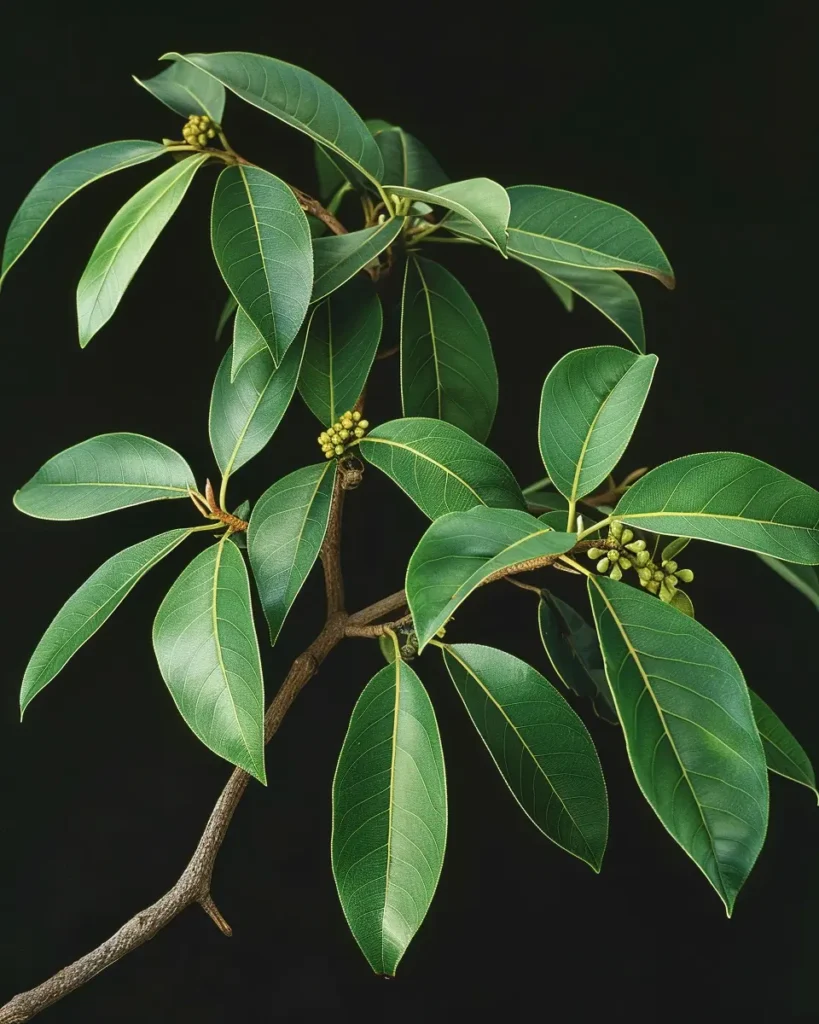
Cinnamon (Cinnamomum verum)
Traditional and modern herbal uses of cinnamon include:
Digestion: Cinnamon is traditionally used as a warming carminative to support digestion, ease occasional gas, and bring warmth to slow or cold-feeling digestion.
Circulation and Warmth: Herbalists often choose cinnamon when the body feels chilly, sluggish, or in need of gentle warming movement.
Metabolic Support: Cinnamon has been studied for effects on blood sugar and metabolic markers, though results are mixed and it should not be used as a replacement for medical care.
Seasonal Wellness: Cinnamon’s aromatic oils, warming nature, and pleasant flavor make it a classic ingredient in winter teas, syrups, and spice blends.
“Cinnamon is the cozy scarf of the spice cabinet: warm, familiar, and always welcome in cold weather.”
Available Cinnamon Products
Cinnamon Sticks
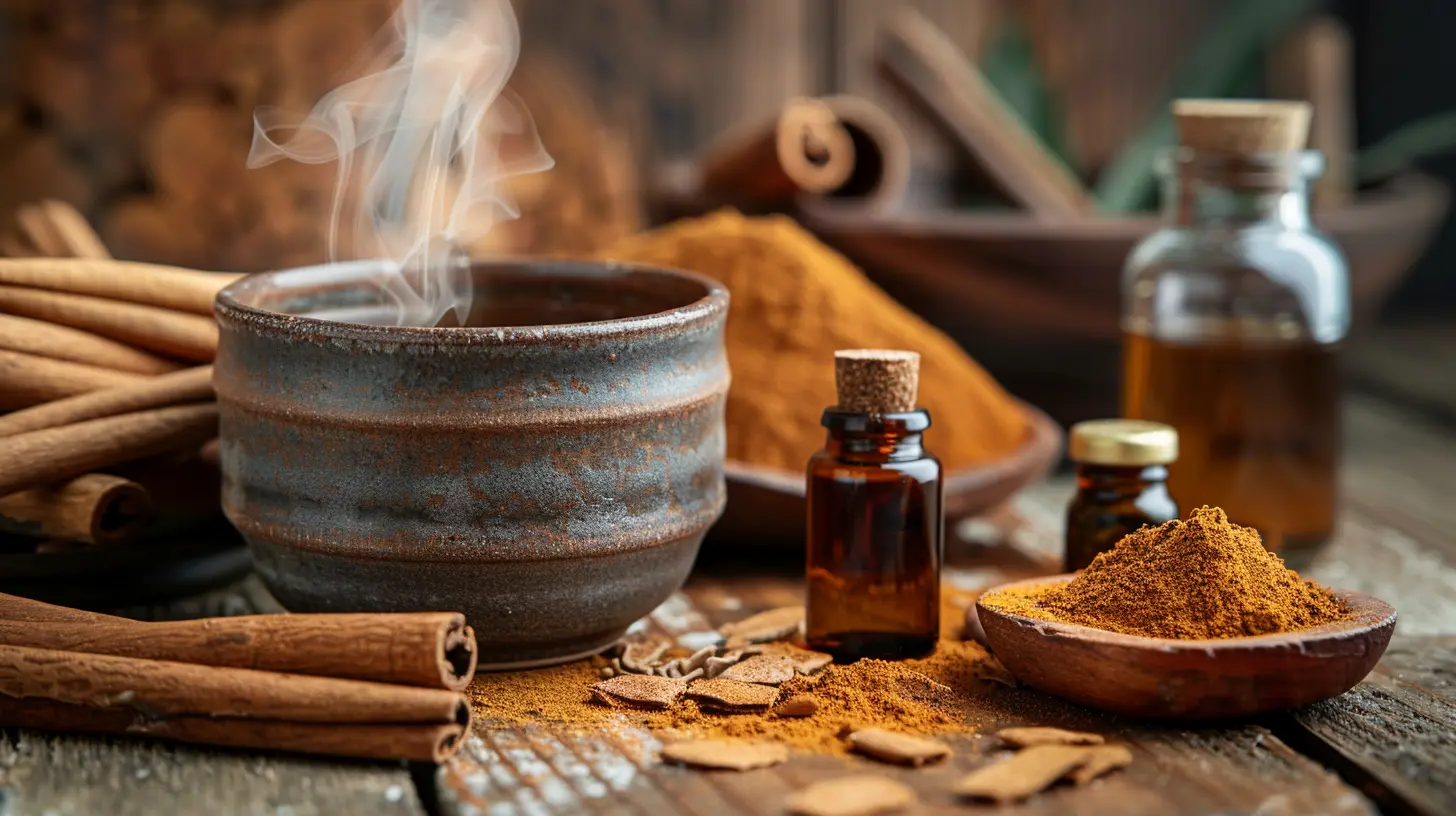
Cinnamon sticks are rolled pieces of dried inner bark. Ceylon cinnamon sticks are usually thin, delicate, and made of many papery layers, while cassia sticks are often thicker, harder, and more curled like a single tough roll. Cinnamon sticks are excellent for simmered teas, broths, mulled drinks, syrups, and cooking.
Cinnamon Powder
Cinnamon powder is one of the most common forms on the market. It is easy to use in food, teas, baking, smoothies, oatmeal, and spice blends. Powder loses aroma faster than whole sticks, so it should smell sweet, warm, and lively, not like brown dust from the back of the pantry.
Cinnamon Tincture
Cinnamon tincture is a concentrated liquid extract, usually made with alcohol. It is commonly used in small amounts in digestive formulas, warming blends, and aromatic herbal preparations. Because cinnamon is strong and warming, tinctures should be used carefully and in modest amounts.
Cinnamon Capsules
Cinnamon capsules may contain powdered cinnamon bark or concentrated extract. Many cinnamon supplements use cassia cinnamon because it is inexpensive and widely available. Labels should clearly identify the species, serving size, extract ratio, and whether it is Ceylon cinnamon or cassia cinnamon.
Cinnamon Glycerite
Cinnamon glycerite is an alcohol-free liquid extract made with vegetable glycerin. It can be useful for people who avoid alcohol, though glycerin is not as strong as alcohol for extracting some aromatic compounds. Cinnamon glycerite is usually sweet, spicy, and very concentrated in flavor.
Cinnamon Essential Oil
Cinnamon essential oil may come from bark or leaf, and the two are chemically different. Cinnamon bark essential oil is especially strong and can irritate skin and mucous membranes. Essential oils should be diluted carefully, used externally with caution, and not taken internally without qualified professional guidance.
Cinnamon Tea
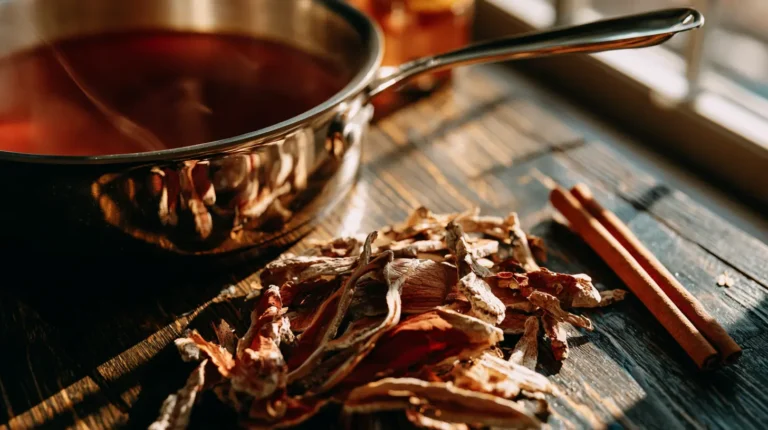
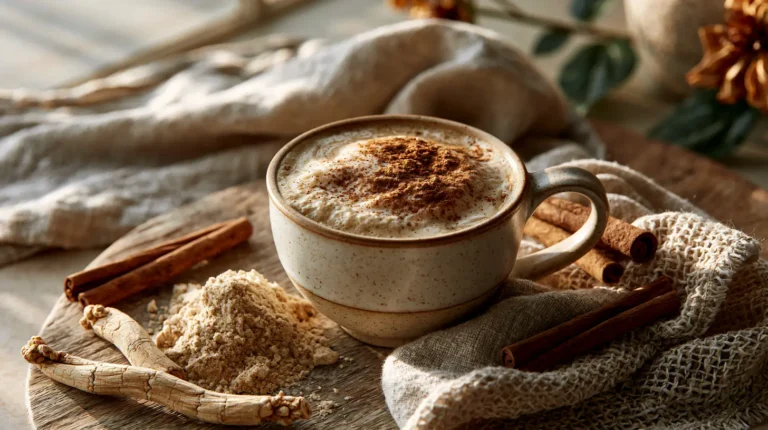
Cinnamon tea is usually made by simmering cinnamon sticks or powder in water. It is often combined with ginger, clove, cardamom, orange peel, black tea, rooibos, or licorice. Cinnamon needs simmering more than steeping because it is bark, not a delicate flower.
Cinnamon Syrup
Cinnamon syrup is made by simmering cinnamon with water and sweetener. It is used in drinks, desserts, teas, and culinary preparations. Because it contains sugar or honey, it may not be appropriate for everyone.
Cinnamon Vinegar or Oxymel
Cinnamon can be infused into apple cider vinegar or made into an oxymel with vinegar and honey. These preparations are common in kitchen herbalism and warming seasonal blends. They are usually used in small amounts because cinnamon is potent and strongly flavored.
Key Herbal Actions
Carminative
A carminative is an aromatic herb traditionally used to support digestion and ease occasional gas or bloating. Cinnamon’s warming volatile oils and spicy flavor explain why it is often used after meals or in digestive spice blends.
Digestive Stimulant
Digestive stimulants help wake up digestive secretions through taste, warmth, and aroma. Cinnamon’s sweet-spicy heat makes it useful when digestion feels slow, heavy, or cold. It is often combined with ginger, cardamom, fennel, or clove.
Circulatory Stimulant
Circulatory stimulants are warming herbs traditionally used to support movement and warmth in the body. Cinnamon’s pungent, aromatic bark has long been used in cold-weather formulas and warming teas.
Warming Diaphoretic
A warming diaphoretic supports healthy sweating when taken hot. Cinnamon is not as strong in this action as ginger or yarrow, but it often appears in hot seasonal teas because it helps bring warmth to the surface.
Antimicrobial Aromatic
Cinnamon’s essential oil compounds have shown antimicrobial activity in laboratory research. In practical herbalism, this supports its traditional use in oral-care preparations, spice blends, and seasonal formulas. Lab activity does not mean cinnamon cures infections, but it helps explain its long-standing reputation.
Antioxidant
Cinnamon contains polyphenols and aromatic compounds with antioxidant activity. These compounds are studied for their ability to reduce oxidative stress in experimental models. In whole-herb use, this contributes to cinnamon’s broader wellness-supportive profile.
Anti-inflammatory
Cinnamon compounds such as cinnamaldehyde and eugenol have been studied for inflammation-modulating activity. This supports cinnamon’s traditional use in warming body-comfort formulas. It should not be presented as a treatment for inflammatory disease.
Astringent
Cinnamon bark contains tannins and other polyphenols that have a mild astringent quality. Astringent herbs gently tone tissues, which helps explain cinnamon’s traditional role in mouth rinses and digestive preparations.
Active Compounds and Extraction
Cinnamaldehyde
Cinnamaldehyde is the main aromatic compound responsible for cinnamon’s characteristic smell and flavor. It is studied for antioxidant, antimicrobial, inflammation-modulating, and metabolic effects. Cinnamon bark essential oil is especially rich in cinnamaldehyde, which is also why it can be irritating when concentrated.
Best extraction methods: decoction, alcohol tincture, essential oil distillation, syrup.
How to make cinnamon decoction: Break one cinnamon stick into pieces and simmer it in 2 cups of water for 10–15 minutes, covered. Strain and drink warm, or use it as a base for tea blends. Bark needs simmering because hot water alone does not extract it as easily as leaves or flowers.
How to make cinnamon tincture: Place crushed cinnamon bark or chips in a clean jar and cover with alcohol, commonly around 40–60% alcohol by volume. Let it macerate for 2–4 weeks, shaking regularly, then strain. Use in small amounts because cinnamon is strong.
Eugenol
Eugenol is an aromatic compound found more prominently in cinnamon leaf oil than bark oil, and also in clove. It has a warm, spicy aroma and has been studied for antimicrobial and inflammation-modulating activity. Because eugenol can irritate tissues in concentrated form, essential oils require caution.
Best extraction methods: steam distillation, alcohol tincture, infused oil in small topical blends.
How cinnamon essential oil is made: Cinnamon bark or leaves are steam-distilled, and the volatile compounds are collected as essential oil. This is not a home tea or kitchen extract. Cinnamon essential oil is much stronger than cinnamon powder and should be treated with respect.
Cinnamic Acid
Cinnamic acid is a phenolic compound related to cinnamon’s aromatic chemistry. It is studied for antioxidant and metabolic effects. It contributes to cinnamon’s broader whole-bark profile.
Best extraction methods: decoction, alcohol tincture, vinegar extract.
How to extract cinnamic acid in tea: Simmer cinnamon bark rather than simply pouring hot water over it. A 10–15 minute covered simmer helps extract bark compounds more effectively.
Procyanidins and Polyphenols
Cinnamon contains polyphenols, including procyanidins, that are studied for antioxidant activity and possible effects on metabolic markers. These compounds are one reason cinnamon has been researched in relation to blood sugar and insulin sensitivity, though clinical findings are mixed.
Best extraction methods: water decoction, alcohol-water tincture, powdered whole bark.
How to make a water extract: Simmer cinnamon sticks or chips in water for 10–20 minutes. For a stronger extract, let it sit covered after simmering for another 10 minutes before straining.
Tannins
Tannins are astringent plant compounds found in cinnamon bark. They contribute to cinnamon’s slightly drying, mouth-tightening quality. In traditional use, this supports cinnamon’s role in digestive and oral-care preparations.
Best extraction methods: decoction, alcohol tincture.
How to extract tannins: Simmer the bark in water for 10–15 minutes. Longer simmering increases astringency and may make the tea stronger and more drying.
Coumarin
Coumarin is a naturally occurring aromatic compound found in much higher amounts in cassia cinnamon than in Ceylon cinnamon. High regular intake of coumarin may be a concern for the liver in sensitive individuals. This is one of the main safety reasons to distinguish Ceylon cinnamon from cassia cinnamon, especially for frequent use or supplements.
Best extraction methods: coumarin extracts into water, alcohol, and food preparations.
Practical note: If using cinnamon daily or in capsules, Ceylon cinnamon is generally preferred because it is much lower in coumarin than cassia. For occasional culinary use, cassia is commonly consumed, but high-dose or long-term use deserves more caution.
Volatile Oils
Cinnamon bark and leaf contain volatile oils, including cinnamaldehyde, eugenol, linalool, cinnamyl acetate, and other aromatic constituents. These oils create cinnamon’s strong scent and warming quality. They are also the reason cinnamon products can irritate skin or mucous membranes when too concentrated.
Best extraction methods: steam distillation, covered decoction, alcohol tincture.
How to preserve aromatics in tea: Keep the pot covered while simmering cinnamon. Aromatic compounds escape with steam, and the lid helps keep the tea fragrant.
Mucilage and Fiber
Whole cinnamon bark contains fiber and small amounts of mucilage-like compounds. These are not the main active compounds, but they are part of whole powdered cinnamon. Powdered whole bark behaves differently from essential oil or isolated extract.
Best extraction methods: whole powder in food, decoction.
How to use cinnamon powder: Add small amounts to oatmeal, stewed fruit, smoothies, chai, coffee alternatives, or savory dishes. Avoid taking dry cinnamon powder by the spoonful because it can irritate the throat and lungs if inhaled.
Harvesting and Storing Right
Cinnamon is harvested from the inner bark of young branches of Cinnamomum trees. The outer bark is removed, and the inner bark is peeled, dried, and curled into quills or sticks. Ceylon cinnamon quills are usually thin, layered, and fragile, while cassia bark is thicker and harder.
Harvesting is usually done during rainy or humid seasons in cinnamon-growing regions because the bark separates more easily from the wood. For home users, the important part is not harvesting the tree but choosing good-quality bark.
Store cinnamon sticks in an airtight container away from heat, light, and moisture. Whole sticks usually keep their aroma better than powder and are best used within 1–2 years.
Cinnamon powder should be stored tightly sealed and used within about 6–12 months for best flavor and potency. If it no longer smells warm and sweet, it is past its best.
Cinnamon tincture is usually best within about 2–3 years when stored in a cool, dark place. Cinnamon essential oil should be stored in a tightly closed dark glass bottle away from heat and sunlight and used within the shelf life listed by the supplier.
Body Functions Cinnamon Can Support
Digestion System
Cinnamon is a classic warming carminative and digestive stimulant. Its volatile oils and tannins help explain its traditional use for occasional gas, sluggish digestion, and post-meal heaviness. It pairs especially well with ginger, cardamom, fennel, and orange peel.
Circulation
Cinnamon is traditionally used as a warming circulatory stimulant. Its spicy aromatic compounds bring a feeling of warmth and movement, especially in cold-weather teas. It is gentler than cayenne but warmer than many sweet kitchen spices.
Metabolism
Cinnamon has been studied for effects on blood sugar, insulin sensitivity, and lipid markers, though research results are mixed and not strong enough to replace standard care. Polyphenols and cinnamaldehyde are among the compounds studied in this area. People with diabetes or blood sugar concerns should use cinnamon as food-level support unless guided by a healthcare professional.
Immune System
Cinnamon is often included in seasonal wellness formulas because of its warming aromatic nature and laboratory-studied antimicrobial compounds. It can support comfort in teas and syrups during cold seasons. This does not mean cinnamon treats infections, but it can be part of a supportive seasonal routine.
Respiratory System
Cinnamon’s warming aromatic quality makes it useful in hot teas, steams, and syrups during chilly seasons. It is often combined with ginger, clove, thyme, honey, or citrus peel. People with asthma or strong scent sensitivity should be cautious with essential oil.
Muscles and Joint
Cinnamon’s warming quality and inflammation-modulating compounds make it a traditional ingredient in body-comfort formulas. It may be used internally as tea or externally in very diluted topical blends. Essential oil must be diluted carefully because cinnamon oils can irritate skin.
Dental Oral
Cinnamon has a long history in mouth freshening, tooth powders, and aromatic oral-care blends. Its volatile oils and astringent compounds explain this traditional use. Cinnamon essential oil can irritate the mouth, so oral products should be properly formulated and not homemade with undiluted oil.
Energy and Vitality
Cinnamon is warming and gently stimulating without caffeine. It can support a feeling of warmth and liveliness, especially when used in morning tea, chai, or food. This is more of a cozy lift than a sharp stimulant effect.
Brain
Cinnamon’s brain-related support is indirect, mostly through circulation, antioxidant activity, aroma, and metabolic research interest. Some laboratory and animal studies explore cinnamon compounds in relation to neuroprotection, but this should not be translated into disease claims. In everyday herbal use, cinnamon helps create warmth, alertness, and comfort.
Reproductive System Female
Cinnamon has traditional use in warming formulas for occasional menstrual discomfort, especially when coldness and sluggish circulation are part of the pattern. Its carminative and warming antispasmodic qualities help explain this use. It should not be used medicinally during pregnancy without professional guidance.
Safety and Practical Considerations
Cinnamon is widely used as a food spice and is generally safe in normal culinary amounts for most people. Concentrated supplements, high-dose powders, tinctures, and essential oils require more caution.
The biggest safety difference is between Ceylon cinnamon and cassia cinnamon. Cassia cinnamon contains much higher levels of coumarin, a compound that may affect the liver when consumed regularly in high amounts. Ceylon cinnamon contains much lower coumarin levels and is usually preferred for frequent use.
People with liver disease, elevated liver enzymes, or those taking medications that affect the liver should avoid high-dose cinnamon supplements unless guided by a healthcare professional.
People taking diabetes medications should be cautious with cinnamon supplements because cinnamon may affect blood sugar. Blood sugar changes should be monitored with professional guidance.
People taking blood thinners, antiplatelet medications, or preparing for surgery should avoid high-dose cinnamon unless cleared by a qualified healthcare professional. Coumarin content and possible effects on bleeding risk are part of the concern.
Cinnamon essential oil can irritate skin, mouth, and mucous membranes. It should always be diluted and should not be used internally without qualified professional guidance. Cinnamon bark oil is especially strong.
Pregnant or breastfeeding people should stick to normal food amounts unless a qualified healthcare professional advises otherwise. Medicinal amounts and essential oil use require extra caution.
Children, older adults, and sensitive individuals may need smaller amounts. Cinnamon candies, strong oils, and concentrated extracts can be irritating.
People with mouth sores, reflux, ulcers, gastritis, or strong heat symptoms may find cinnamon too warming or irritating. Start small and pay attention to your body.
For pets, cinnamon should only be used with veterinary guidance. Cinnamon essential oil is not appropriate for casual pet use and can be irritating or toxic depending on species, dose, and exposure.
FAQ
What does cinnamon taste like?
Cinnamon tastes sweet, warm, spicy, woody, and slightly astringent. Ceylon cinnamon is usually softer, sweeter, and more delicate. Cassia cinnamon is stronger, hotter, and more intense.
When is the best time to use cinnamon?
Cinnamon is often used with meals, in morning drinks, or in cold-weather teas. It works well when the body needs warmth or digestion feels heavy. Sensitive people may prefer not to use strong cinnamon preparations late at night.
Is Ceylon cinnamon or cassia cinnamon better?
Ceylon cinnamon is usually preferred for frequent use because it contains much less coumarin than cassia cinnamon. Cassia is stronger, cheaper, and more common in grocery stores. For occasional cooking, either may be used, but for daily supplements, the difference matters.
Is cinnamon tea, tincture, or capsule better?
Cinnamon tea is warming, simple, and easy to adjust. Tincture is concentrated and useful in small amounts. Capsules are convenient, but they deserve the most label-checking because species, dose, and coumarin content matter.
Can cinnamon be used daily?
Small culinary amounts are commonly used daily by many people. Daily supplement-level cinnamon is a different matter, especially if it is cassia. People with liver concerns, blood sugar issues, medication use, pregnancy, or upcoming surgery should seek professional guidance.
How should cinnamon be stored?
Store cinnamon sticks and powder in airtight containers away from heat, light, and moisture. Sticks keep their aroma longer than powder. If cinnamon no longer smells warm and sweet, it is time to replace it.
Does cinnamon combine well with other herbs?
Yes. Cinnamon combines well with ginger, cardamom, clove, fennel, orange peel, licorice, turmeric, black pepper, cacao, rooibos, and black tea. It is a classic warming spice in chai-style and winter wellness blends.
Is cinnamon safe for everyone?
No. Cinnamon may not be appropriate in high amounts for people with liver disease, diabetes medication use, blood-thinning medication use, pregnancy considerations, reflux, ulcers, or strong heat sensitivity. Essential oil requires special caution.
Can cinnamon be used for pets?
Cinnamon should only be used for pets with veterinary guidance. Small food exposure is different from giving cinnamon as an herbal product. Cinnamon essential oil should not be used casually around pets.
Can cinnamon essential oil be applied directly to skin?
No. Cinnamon essential oil should never be applied undiluted to skin. It is a strong irritant and should be used only in very low dilution, preferably in properly formulated products.
Disclaimer
This content is educational only. It is not medical advice, diagnosis, or treatment. Herbs may interact with medications or health conditions. People who are pregnant, breastfeeding, managing a medical condition, taking prescription medications, or preparing for surgery should consult a qualified healthcare professional before using herbs.
References
- NCCIH: Cinnamon
- PubMed Central: Cinnamon, A Multifaceted Medicinal Plant
- PubMed Central: Cinnamomum Species, Phytochemistry and Pharmacological Properties
- PubMed Central: Assessment of Coumarin Levels in Ground Cinnamon
- PubMed Central: The Relation Between Hepatotoxicity and Coumarin Intake from Cinnamon Bark
- PubMed Central: Therapeutic Potential of Cinnamon Oil
- BfR: FAQ on Coumarin in Cinnamon and Other Foods
- Memorial Sloan Kettering Cancer Center: Cinnamon