

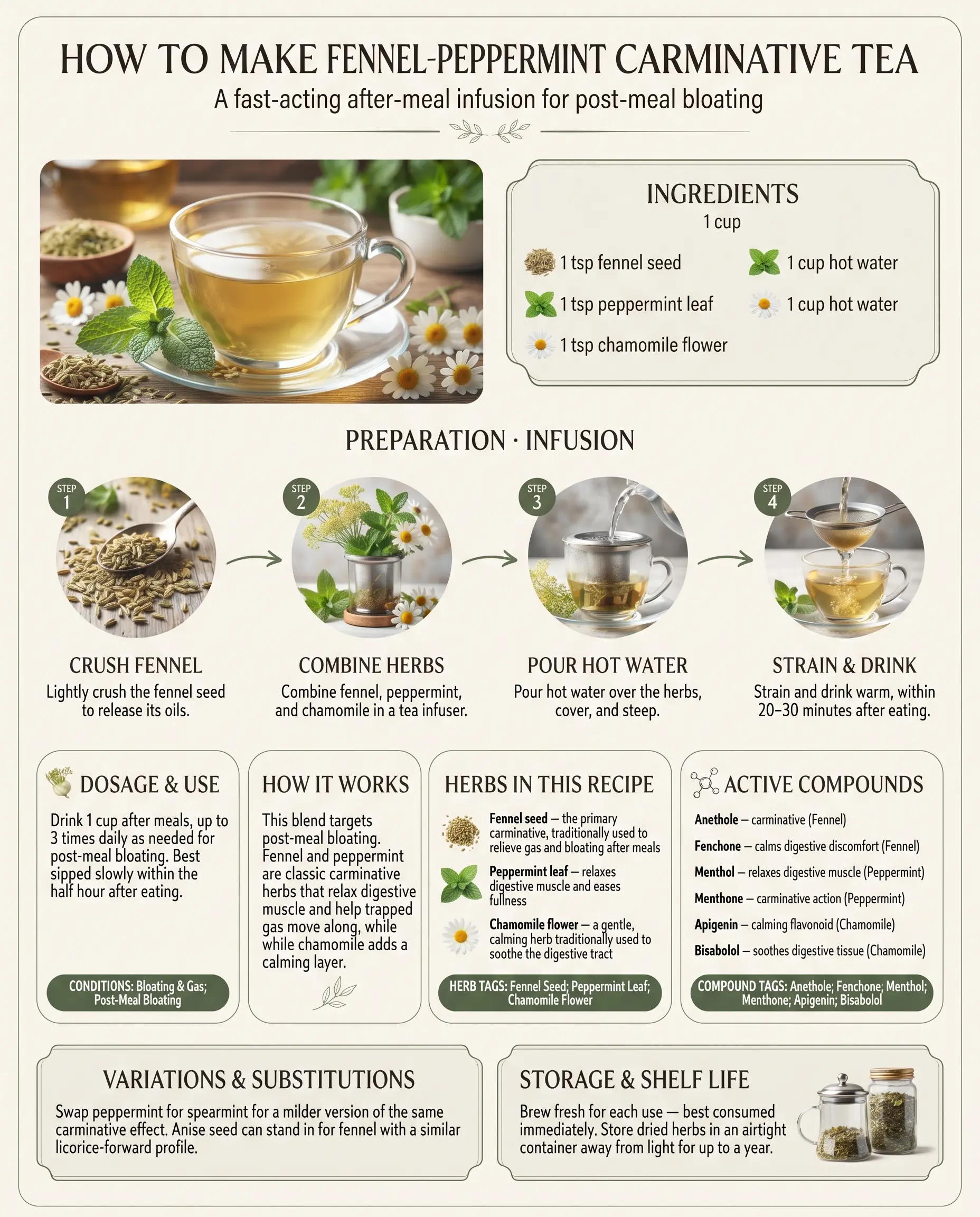
Recipe Details
Preparation Type: Infusion
Ingredients
1 tsp fennel seed, lightly crushed
1 tsp peppermint leaf
1 tsp chamomile flower
1 cup hot water (not boiling)
Preparation
- Lightly crush the fennel seed with the back of a spoon to help release its oils.
- Combine fennel, peppermint, and chamomile in a tea infuser or strainer.
- Pour hot water over the herbs, cover, and steep 8–10 minutes.
- Strain and drink warm, within 20–30 minutes after eating.
Yield: 1 cup
Dosage & Usage
Drink 1 cup after meals, up to 3 times daily as needed for post-meal bloating. Best sipped slowly within the half hour after eating, while the digestive discomfort is still building.
Precautions & Contraindications
Avoid if allergic to plants in the Apiaceae (carrot/fennel) or Asteraceae (daisy/chamomile) families. Use caution during pregnancy — fennel has hormonal folklore associations and should be used in moderate tea amounts only, with a healthcare practitioner’s guidance. Not a substitute for care if bloating is severe, persistent, or accompanied by other symptoms.
Health Conditions & How It Works
This blend targets post-meal bloating, the kind of gassy, distended feeling that builds in the hour or so after eating. Fennel and peppermint are both classic carminative herbs, traditionally used to relax digestive muscle and help trapped gas move along. Chamomile adds a gentle, calming layer for cases where digestive tension is tied to overall tension.


Herbs Used in This Recipe
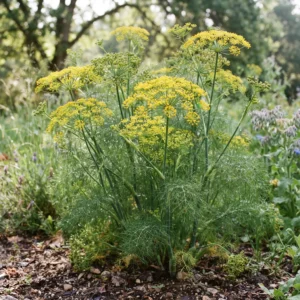
Fennel seed — the primary carminative, traditionally used to relieve gas and bloating after meals.
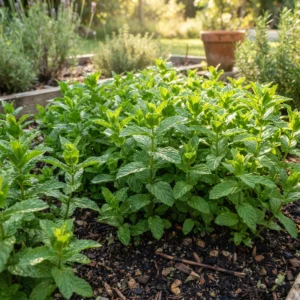
Peppermint leaf — relaxes digestive muscle and eases the sensation of fullness.
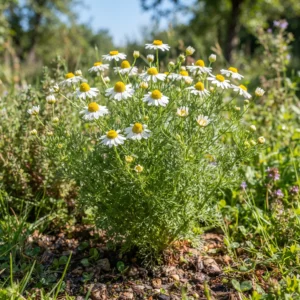
Chamomile flower — a gentle, calming herb traditionally used to soothe the digestive tract.
Active Compounds
- Anethole — carminative, traditionally associated with relaxing digestive spasm (Fennel)
- Fenchone — traditionally used to calm digestive discomfort (Fennel)
- Menthol — traditionally associated with relaxing digestive-tract muscle (Peppermint)
- Menthone — contributes to peppermint’s traditional carminative action (Peppermint)
- Apigenin — a flavonoid traditionally associated with a calming effect (Chamomile)
Ready-to-Use Product
Traditional Medicinals Gas Relief Tea — a caraway, coriander, chamomile, lemon balm, and peppermint blend built for the same after-meal bloating this recipe addresses.
Variations & Substitutions
Swap peppermint for spearmint if you find peppermint too intense — spearmint offers a milder version of the same cooling, carminative effect. If you’re avoiding the Apiaceae family, anise seed can stand in for fennel with a similar licorice-forward carminative profile.
Storage & Shelf Life
Brew fresh for each use; this infusion is best consumed immediately and doesn’t keep well beyond a day refrigerated. Store the dried herbs themselves in an airtight container away from light for up to a year.
FAQ
Why steep instead of simmer this blend?
Fennel, peppermint, and chamomile all carry volatile aromatic oils that are quick to release and easy to cook off — a short steep captures them without boiling them away.
Can I drink this every day?
Occasional daily use after meals is generally well tolerated, but if bloating is a daily occurrence, it’s worth talking to a healthcare practitioner about what’s driving it.
Why not use boiling water?
Water that’s actively boiling can degrade some of the more delicate volatile oils in peppermint and chamomile — just-off-the-boil water preserves more of their aromatic compounds.
References
Mountain Rose Herbs: Fennel Seed Profile
American Botanical Council: HerbalGram
Disclaimer
This content is for educational purposes only and has not been evaluated by the FDA. It is not intended to diagnose, treat, cure, or prevent any disease. Consult a qualified healthcare practitioner before using herbal preparations, particularly if pregnant, nursing, or taking medication.