Stress-Related Sleep Disruption: A Traditional Herbal Perspective on Rest That Won’t Come

Most people who struggle with sleep know the frustration Stress-related sleep disruption is one of the most common ways stress shows itself, and it often leaves people feeling worn down and puzzled by their own restlessness. In this article, we’ll explore what stress-related sleep disruption is, why it happens, how it tends to show up in daily life, and how traditional Western herbalism has long approached this pattern with patience and gentle support.

Herbal Recipes for Stress-Related Sleep Distruption

Herbal Support for Stress-Related Sleep Disruption

Traditional Western herbalism understands stress-related sleep disruption as a state of nervous system imbalance rather than a simple lack of sleep. The focus is not on forcing sleep, but on helping the body and mind feel safe enough to rest.

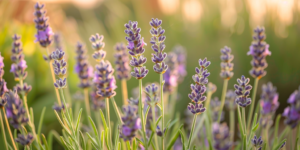
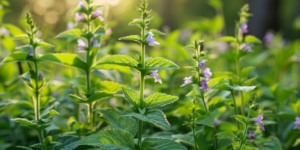
Nervines are central to this approach. Herbs such as lemon balm, chamomile, passionflower, skullcap, hops, and lavender have long histories of use for supporting relaxation and easing nighttime restlessness. Some are traditionally described as relaxing nervines, helping quiet mental activity, while others support nervous system tone over time. When stress is prolonged, adaptogens like ashwagandha or eleuthero may be discussed for their traditional role in supporting resilience, rather than immediate sleepiness. Digestive allies, including gentle carminatives, are sometimes included as well, recognizing that unsettled digestion can interfere with sleep.

Herbs Traditionally Used for Chronic Stress Support

Eleuthero

Eleuthero in Traditional Western Herbalism: Steady Energy and Resilience Eleuthero...

Read More
Lavender

Lavender: Calm, Comfort, and Clarity Lavender has long been cherished...

Read More
Valerian

Valerian: Traditional Uses, Actions, and Herbal Preparations Valerian is one...

Read More
Skullcap

Skullcap: Traditional Uses, Actions, and Herbal Preparations Skullcap has long...

Read More

How These Herbs Work in the Body

From a modern perspective, many herbs traditionally used for sleep support contain bioactive compounds that interact with nervous system signaling involved in relaxation and circadian rhythm. Chamomile contains flavonoids such as apigenin, which have been studied for their calming interactions with GABA receptors. Passionflower provides compounds that may influence neurotransmitter balance associated with relaxation, while hops contains bitter acids traditionally linked with calming effects.

Reviews available through PubMed Central describe how these plant constituents may help modulate nervous system activity and support relaxation without acting as strong sedatives PubMed Central. This aligns closely with traditional herbal descriptions that emphasize easing into rest rather than overriding wakefulness.

Herbal Preparations and Recipes

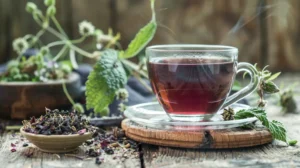
Preparation form plays an important role in stress-related sleep disruption. Evening teas and infusions are often favored because they combine gentle phytochemistry with warmth, aroma, and ritual, all of which help signal the nervous system that it is safe to slow down. Tinctures and glycerites are traditionally used when convenience or consistency is important, or when taste sensitivity is a concern.

Many people explore these options through individual herb profiles, herbal preparation guides, or simple bedtime blends designed for regular, supportive use. The European Medicines Agency evaluates traditional herbal preparations with consideration for both historical use and preparation form in sleep-related contexts European Medicines Agency (EMA).

What Is Stress-Related Sleep Disruption?

Stress-related sleep disruption refers to difficulty falling asleep, staying asleep, or experiencing restful sleep due primarily to stress and nervous system activation. It may involve racing thoughts, light or fragmented sleep, or waking too early with a sense of alertness. While not a medical diagnosis, it reflects a common pattern in which stress interferes with the body’s natural sleep rhythms.

The World Health Organization highlights sleep disturbance as a frequent consequence of stress and emotional strain, particularly when stress is ongoing or unresolved World Health Organization (WHO).

Why It Happens

Sleep depends on the nervous system’s ability to shift from alertness into rest. Stress activates the sympathetic nervous system, increasing levels of hormones such as cortisol and adrenaline. When these signals remain elevated into the evening, the body stays oriented toward action rather than recovery.

The National Center for Complementary and Integrative Health explains that prolonged stress can interfere with sleep quality, timing, and depth, especially when stressors accumulate without adequate recovery National Center for Complementary and Integrative Health (NCCIH). Stress-related sleep disruption is often the result of a system that hasn’t had enough opportunity to fully power down.

How It Commonly Shows Up

In daily life, stress-related sleep disruption may look like difficulty falling asleep despite exhaustion, frequent nighttime waking, vivid or restless dreams, or waking too early with a busy mind. People often report feeling unrefreshed in the morning, even after spending enough time in bed. Over time, this can affect mood, focus, and stress tolerance during the day.

These signs reflect a nervous system that remains on guard rather than at rest.

Foundations of Support

Traditional Western herbalism emphasizes that herbs work best alongside supportive foundations. Consistent sleep routines, reduced evening stimulation, adequate nourishment, and daytime exposure to natural light all help reinforce healthy sleep rhythms. Creating a calm transition into evening is often just as important as what happens at bedtime.

Herbs are viewed as allies that support the nervous system’s ability to settle, not as substitutes for rest, routine, or boundaries.

Learning More

Those interested in exploring herbs traditionally used for sleep and nervous system support may find the monographs published by the American Herbal Pharmacopoeia especially informative. These resources integrate traditional use, phytochemistry, and modern research American Herbal Pharmacopoeia (AHP). Broader discussions of stress and sleep are also available through public health organizations such as NCCIH and the World Health Organization.

FAQ

Is stress-related sleep disruption the same as insomnia?
They overlap, but stress-related sleep disruption specifically points to stress as a primary contributing factor.

Why does the mind get more active at night?
When daytime stimulation slows, unprocessed thoughts and stress can surface more clearly.

Can poor sleep increase stress the next day?
Yes. Sleep and stress influence each other, often creating a reinforcing cycle.

Are calming herbs meant to make you sleepy?
Traditionally, they are used to support relaxation and ease rather than force sleep.

Does digestion affect sleep quality?
Yes. Digestive discomfort and irregular eating patterns can interfere with nighttime rest.

References

This content is provided for educational purposes only. It does not diagnose, treat, or replace professional medical care or individualized guidance from qualified healthcare providers.

Scroll to Top