Traditionally, angelica root has been used to support digestion, appetite, respiratory comfort, circulation, and warmth. It is especially valued as an aromatic bitter, meaning it combines digestive bitterness with fragrant volatile oils.
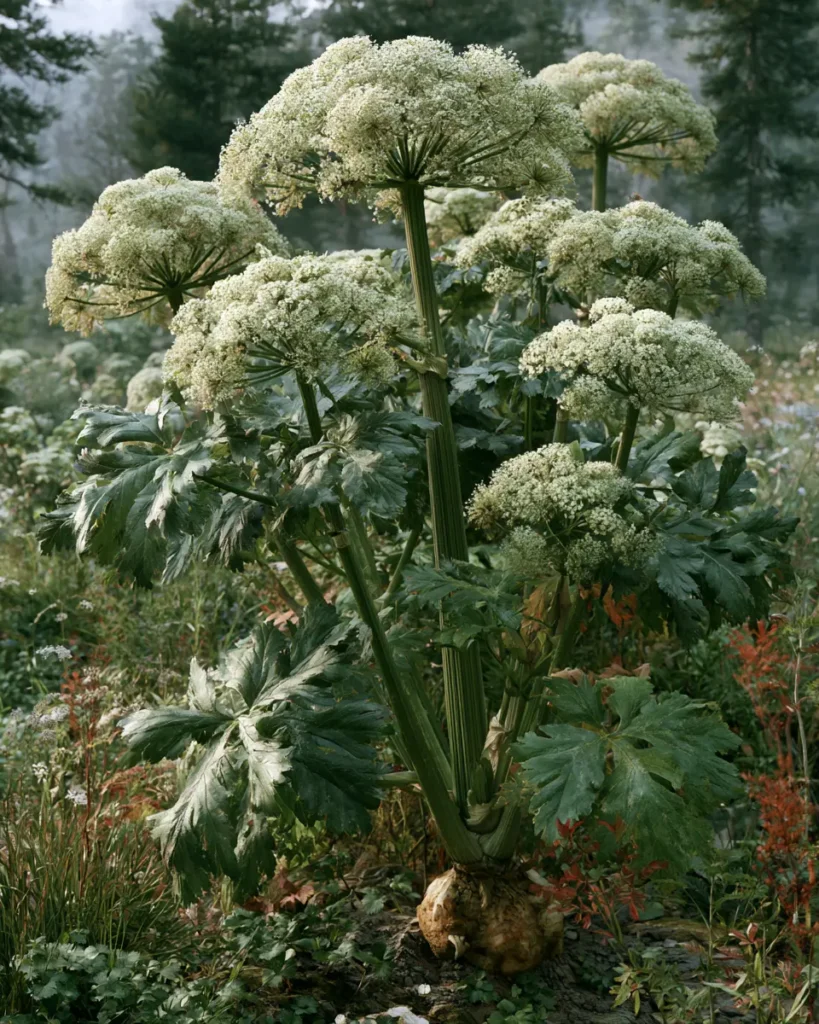
Angelica Root (Angelica archangelica)
Angelica root is traditionally connected with these wellness areas:
Digestive Support: Angelica root is a classic aromatic bitter used to support appetite, gas, bloating, and digestive sluggishness.
Respiratory Comfort: Its warming aromatic compounds have traditionally been used when the chest feels cold, heavy, or congested.
Circulation and Warmth: Angelica is considered warming and moving in traditional herbal language, often used when someone feels cold, tense, or stagnant.
Women’s Wellness Traditions: Angelica root appears in traditional formulas connected with menstrual comfort and pelvic circulation, but this also means it requires caution during pregnancy.
“Angelica root is the warm kitchen lamp of the herbal cabinet — aromatic, grounding, and quietly inviting digestion back to the table.”
Available Angelica Root Products
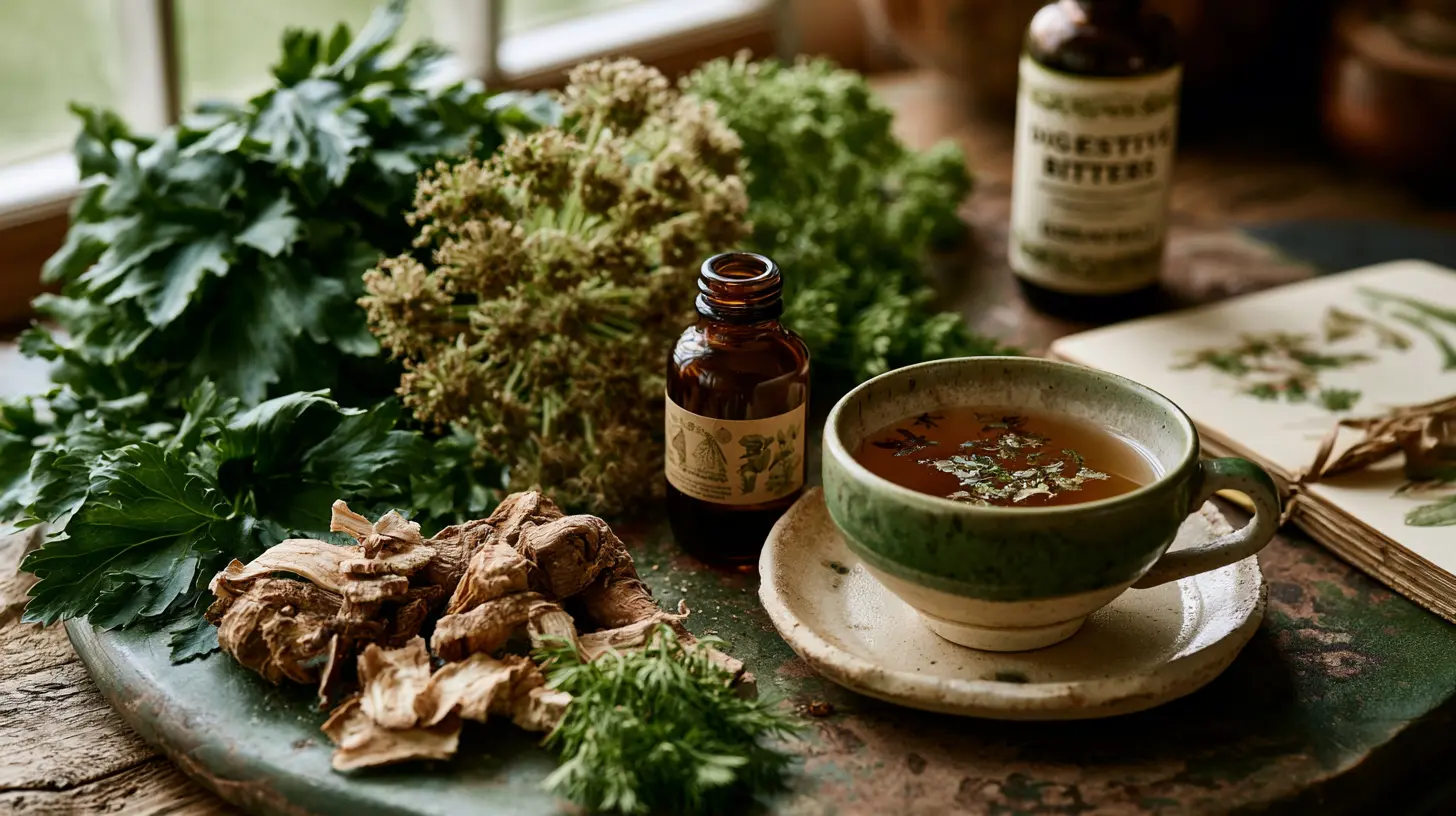
Dried Angelica Root
Dried angelica root is the most common form used by herbalists. It is usually sold as cut-and-sifted root pieces for tea, decoctions, bitters, tinctures, and liqueur-style preparations. Good dried root should smell strongly aromatic, earthy, and spicy, not flat, dusty, or moldy.
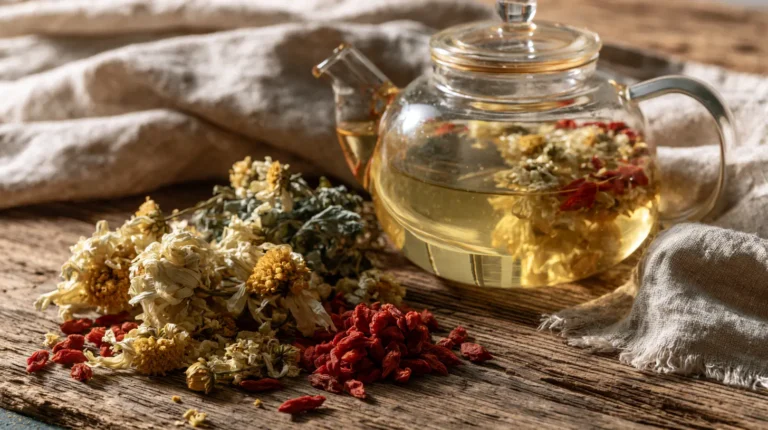
Angelica Root Tea
Angelica root tea is usually made as a short decoction or long infusion. It tastes bitter, spicy, musky, and warming. Because it is strong, it is often blended with gentler herbs such as fennel, ginger, peppermint, chamomile, or lemon balm.
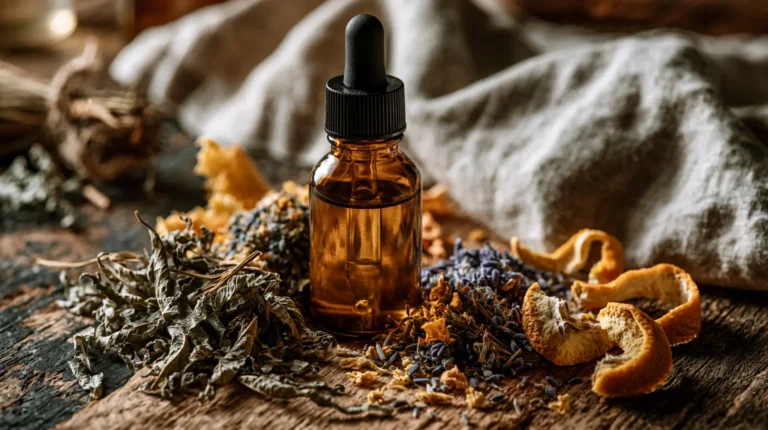
Angelica Root Tincture
Angelica tincture is a practical form because the root contains both bitter and aromatic compounds. A water-and-alcohol extract captures a broader range of constituents than water alone. Tinctures are often used in digestive bitters formulas.
Angelica Root Capsules
Capsules may contain powdered root or extract. They are convenient but miss the taste-based bitter effect on the tongue. For digestive use, tasting the herb in tea, tincture, or bitters form is often more aligned with traditional practice.
Angelica Root Powder
Powdered angelica root can be used in capsules, formulas, or small culinary-spice style preparations. Because aromatic powders lose strength quickly, angelica powder should be stored tightly sealed and used sooner than cut root.
Angelica Root Essential Oil
Angelica root essential oil exists and is used mainly in aromatherapy and perfumery. It is very concentrated and should not be taken internally. Because angelica oil may increase photosensitivity and irritate skin, it should be diluted carefully and used with professional guidance.
Angelica Bitters
Angelica root is a traditional ingredient in bitters and aromatic digestive formulas. It may be combined with gentian, orange peel, cardamom, ginger, fennel, dandelion root, or artichoke leaf. These preparations are usually taken in small amounts before meals.
Angelica Liqueur and Culinary Preparations
Angelica root and stem have been used to flavor liqueurs, confections, and traditional foods. This is a culinary use, not the same as high-dose supplement use. The flavor is distinctive, warm, and slightly musky.
Key Herbal Actions
Angelica root is known as an aromatic bitter, carminative, digestive stimulant, warming circulatory stimulant, expectorant, antispasmodic, diaphoretic, emmenagogue, antimicrobial-support herb, and nervine-adjacent aromatic.
Aromatic Bitter
An aromatic bitter combines bitter compounds with fragrant volatile oils. Angelica root fits this action beautifully because it stimulates taste and smell at the same time. Traditionally, this supports appetite, digestive secretions, and readiness for food.
Carminative
A carminative helps ease gas and digestive heaviness. Angelica root’s aromatic oils make it relevant for bloating, fullness, and cold-feeling digestion in traditional herbal use.
Digestive Stimulant
Digestive stimulants help wake up digestion. Angelica root is traditionally used when appetite feels low or digestion feels slow. It is warming and more aromatic than simple bitter tonics.
Warming Circulatory Stimulant
Angelica is traditionally considered warming and moving. Herbalists may use it when coldness, tension, or sluggishness are part of the wellness picture. People with heat sensitivity or inflammatory digestive irritation may not tolerate it well.
Expectorant
An expectorant traditionally supports the body’s natural clearing of mucus. Angelica root has been used in respiratory formulas where cold, damp, heavy congestion is part of the traditional pattern.
Antispasmodic
Antispasmodic herbs are traditionally used to ease cramping or tension patterns. Angelica’s aromatic oils and warming nature explain its use in digestive and menstrual comfort formulas.
Diaphoretic
A diaphoretic supports the body’s natural sweating response. Warming aromatic herbs like angelica have historically been used when someone feels chilled and wants warmth from the inside out.
Emmenagogue
An emmenagogue is an herb traditionally used to encourage menstrual flow. This is one reason angelica root should be avoided during pregnancy unless specifically directed by a qualified clinician.
Antimicrobial-Support Herb
Angelica root essential oil and extracts have been studied for antimicrobial activity in laboratory settings. This does not mean angelica works like an antibiotic in the body, but it helps explain its long use in food, bitters, and aromatic preservation traditions.
Nervine-Adjacent Aromatic
Angelica is not a classic calming nervine like skullcap or lemon balm, but its warm aroma can feel grounding. In traditional formulas, it may be used when stress affects appetite, digestion, and cold tension.
Active Compounds and Extraction
Angelica root contains volatile oils including alpha-pinene, beta-phellandrene, limonene, myrcene, and other terpenes, plus coumarins and furanocoumarins such as bergapten, imperatorin, isoimperatorin, xanthotoxin, osthol, and angelicin, along with bitter compounds, flavonoids, phenolic acids, tannins, resins, and polysaccharides.
Volatile Oils
Angelica root is rich in aromatic volatile compounds that give it its warm, musky, spicy scent. Terpenes such as alpha-pinene, beta-phellandrene, limonene, and myrcene contribute to its carminative and respiratory traditions.
Best extraction methods:
Covered infusion: Add 1 teaspoon dried angelica root to 1 cup hot water. Cover and steep 10–15 minutes to preserve aromatic compounds.
Short decoction: Simmer 1 teaspoon dried root in 1 cup water for 5–10 minutes, then cover and steep another 10 minutes. This helps extract root constituents while preserving some aroma.
Tincture: Combine dried angelica root with 40–60% alcohol and steep for 4–6 weeks, shaking occasionally. Strain and store in dark glass. Alcohol-water extraction is especially useful for aromatic roots.
Coumarins
Coumarins are aromatic plant compounds found in angelica root. They contribute to the plant’s distinctive scent and broader phytochemical profile. Some coumarins are also part of the reason angelica needs safety caution.
Best extraction methods:
Hydroalcoholic tincture: A water-and-alcohol tincture extracts coumarins more effectively than water alone.
Bitters preparation: Angelica root works well in alcohol-based digestive bitters, where coumarins, bitters, and volatile oils can be extracted together.
Furanocoumarins
Angelica root contains furanocoumarins such as bergapten, imperatorin, isoimperatorin, xanthotoxin, and angelicin. These compounds can increase sensitivity to sunlight in some situations, especially with concentrated extracts or essential oils.
Best extraction methods:
Professional extracts only: Because furanocoumarins carry safety concerns, concentrated angelica products should come from reputable manufacturers.
Avoid strong topical sunlight exposure: Essential oil or concentrated topical extracts should not be applied before sun exposure.
Bitter Compounds
Angelica root has a bitter taste that supports its traditional digestive use. Bitter compounds stimulate taste receptors and may encourage appetite and digestive secretions.
Best extraction methods:
Tea before meals: A small cup of angelica tea 10–20 minutes before food is a traditional method.
Tincture in water: A few drops of tincture diluted in water allows the bitter taste to contact the tongue. This taste contact matters for classic bitter action.
Flavonoids and Phenolic Acids
Angelica root contains flavonoids and phenolic compounds that contribute antioxidant activity. These compounds support the broader plant profile beyond aroma and bitterness.
Best extraction methods:
Hot water extraction: A short decoction or covered infusion extracts some water-soluble phenolics.
Hydroalcoholic tincture: Alcohol-water extraction captures a broader range of flavonoids and phenolic compounds.
Resins
Angelica root contains resinous compounds that add depth to its aroma and extraction profile. Resins are less water-soluble and are better captured by alcohol-containing preparations.
Best extraction methods:
Tincture: Alcohol is better than plain water for resinous compounds.
Bitters blend: Angelica root works especially well in bitters because alcohol extracts aromatic, bitter, and resinous constituents together.
Polysaccharides
Like many roots, angelica may contain water-soluble polysaccharides. These contribute to the whole-root profile but are not the primary reason angelica is used.
Best extraction methods:
Decoction: Simmering root material in water helps extract polysaccharides.
Soup or broth use: Small amounts of angelica root may be included in traditional warming food preparations, where culturally appropriate.
Harvesting and Storing Right
Angelica root is usually harvested in autumn of the first year or early spring of the second year before the plant flowers. Once the plant sends up its tall flowering stalk, root quality may decline because energy moves upward.
The best time of day to harvest is after morning moisture has dried. Roots should be washed, sliced lengthwise, and dried thoroughly in a warm, airy place away from direct sun.
Correct identification is essential. Angelica belongs to the Apiaceae family, which includes edible herbs like fennel and parsley but also highly toxic plants such as poison hemlock and water hemlock. Do not wild-harvest angelica unless you are highly skilled in plant identification.
Storage tips:
Dried root pieces: Store in an airtight jar away from heat, light, and moisture. Best used within 1–2 years.
Powdered root: Store tightly sealed and use within 3–6 months.
Tincture: Store in dark glass in a cool place. Alcohol tinctures may keep for several years.
Essential oil: Store tightly closed away from light and heat. Follow aromatherapy safety guidance.
Bitters: Store according to the label or recipe, usually in a cool, dark place.
Body Functions Angelica Root Can Support
Angelica root can support digestion system, respiratory system, circulation, reproductive system female, stress support, nervous system, immune system, energy and vitality, metabolism, and urinary system.
Digestion System
Angelica root is most strongly connected with digestion. Its aromatic bitter taste may support appetite, saliva, digestive secretions, and comfort after heavy meals. It is especially suited to cold, sluggish, gas-prone digestion in traditional herbal language.
Respiratory System
Angelica root’s warming volatile oils explain its traditional use in respiratory formulas. It may be included when the chest feels cold, damp, or heavy. This is supportive, not a treatment for respiratory disease.
Circulation
Angelica is traditionally considered warming and moving. Herbalists may use it in formulas where cold hands, cold digestion, or general chilliness are part of the picture. People taking blood-thinning medication should be cautious because of coumarin-related concerns.
Reproductive System Female
Angelica root has traditional use in menstrual wellness formulas, especially where coldness and cramping patterns are part of the picture. Because it is traditionally considered emmenagogue, it should be avoided during pregnancy unless specifically directed by a qualified clinician.
Stress Support
Angelica is not a sedative, but its warm aroma and digestive action may support people whose stress settles in the stomach. It may pair well with lemon balm, chamomile, fennel, or hawthorn in gentle formulas.
Nervous System
Angelica’s nervous-system relevance is indirect and aromatic. Its scent and warming character can feel grounding, especially when tension affects appetite and digestion. It should not be described as a treatment for anxiety or mood disorders.
Immune System
Angelica root contains aromatic compounds and extracts studied for antimicrobial activity in laboratory settings. In traditional use, it appears in seasonal warming formulas. It should not be claimed to prevent or treat infections.
Energy and Vitality
Angelica does not stimulate like caffeine. Its vitality support is more about warmth, appetite, digestion, and circulation. For people who feel cold and depleted, this kind of support can feel gently enlivening.
Metabolism
Angelica’s metabolic relevance comes mostly through digestion and bitter action. By supporting appetite and digestive readiness, it may help the body process food more comfortably. It is not a weight-loss herb.
Urinary System
Angelica has some traditional use as a mild warming diuretic. This should be understood as gentle support for normal fluid movement, not as treatment for urinary problems. Pain, fever, blood in urine, or persistent urinary symptoms need medical care.
Safety and Practical Considerations
Angelica root is a strong aromatic herb and should be used thoughtfully. It is not appropriate for everyone.
Pregnant people should avoid angelica root because it is traditionally considered uterine-active and emmenagogue. Breastfeeding people should consult a qualified healthcare professional before using it because safety data is limited.
Angelica may increase sensitivity to sunlight because it contains furanocoumarins. People using concentrated extracts or essential oil should avoid strong sun exposure and tanning beds, especially after topical use.
People taking blood thinners, anticoagulants, antiplatelet drugs, blood pressure medications, sedatives, diabetes medications, or hormone-related medications should seek professional guidance before using angelica supplements.
People with bleeding disorders, heavy menstrual bleeding, upcoming surgery, liver disease, kidney disease, ulcers, reflux, gastritis, or serious digestive conditions should use caution or avoid medicinal use.
Angelica essential oil should not be taken internally. It must be diluted for topical use and should be avoided by pregnant people, children, and people with sensitive skin unless professionally guided.
Children, older adults, and sensitive individuals should use small amounts only with appropriate guidance.
Correct plant identification is critical. Wild angelica can be confused with toxic Apiaceae plants. Do not harvest wild roots unless you are highly trained.
FAQ
What does angelica root taste like?
Angelica root tastes bitter, spicy, earthy, musky, and slightly sweet. It has a strong aromatic quality that makes it popular in bitters, liqueurs, and digestive formulas.
When is the best time to use angelica root?
Angelica root is traditionally used before or after meals for digestive support. It may also be used in warming formulas during cold weather. People sensitive to stimulating herbs may prefer using it earlier in the day.
Is fresh or dried angelica root better?
Dried angelica root is the most common and practical form. Fresh root is highly aromatic but harder to find and must be correctly identified. Most home herbalists use dried root from reputable suppliers.
Is angelica root tea, tincture, capsule, or bitters better?
Tea is traditional and warming. Tincture and bitters are excellent for aromatic bitter use because they capture both bitter and volatile compounds. Capsules are convenient but do not provide the same taste-based digestive signal.
Can angelica root be used daily?
Angelica root is usually better for short-term or occasional use rather than open-ended daily use. Daily use should be guided by a qualified herbalist or healthcare professional, especially if medications, pregnancy risk, or medical conditions are involved.
How should angelica root be stored?
Store dried angelica root in an airtight jar away from heat, light, and moisture. Powder should be used sooner because it loses aroma faster. Tinctures and bitters should be kept in dark glass or away from direct light.
Does angelica root combine well with other herbs?
Yes. Angelica root combines well with ginger, fennel, cardamom, orange peel, gentian, dandelion root, chamomile, lemon balm, thyme, elecampane, and licorice root depending on the formula.
Is angelica root the same as dong quai?
No. European angelica root is usually Angelica archangelica. Dong quai is Angelica sinensis, a different species used in Traditional Chinese Medicine, especially in women’s wellness formulas. They are related but not interchangeable.
Is angelica root safe for everyone?
No. Angelica root may not be suitable for pregnant or breastfeeding people, children, people taking blood thinners, people with bleeding disorders, sun sensitivity, ulcers, reflux, liver or kidney disease, or people preparing for surgery.
Can angelica root be used for pets?
Angelica root should not be given to pets without guidance from a veterinarian trained in herbal medicine. Aromatic roots and essential oils can be too strong or unsafe for animals.
Disclaimer
This content is educational only. It is not medical advice, diagnosis, or treatment. Herbs may interact with medications or health conditions. People who are pregnant, breastfeeding, managing a medical condition, taking prescription medications, or preparing for surgery should consult a qualified healthcare professional before using herbs.
References
Kew Science: Plants of the World Online – Angelica archangelica
European Medicines Agency: Angelica Root Herbal Medicine
PubMed: Angelica archangelica Essential Oil and Chemical Composition
PubMed: Coumarins from Angelica archangelica Root
PubMed: Angelica archangelica Phytochemistry and Biological Activity