
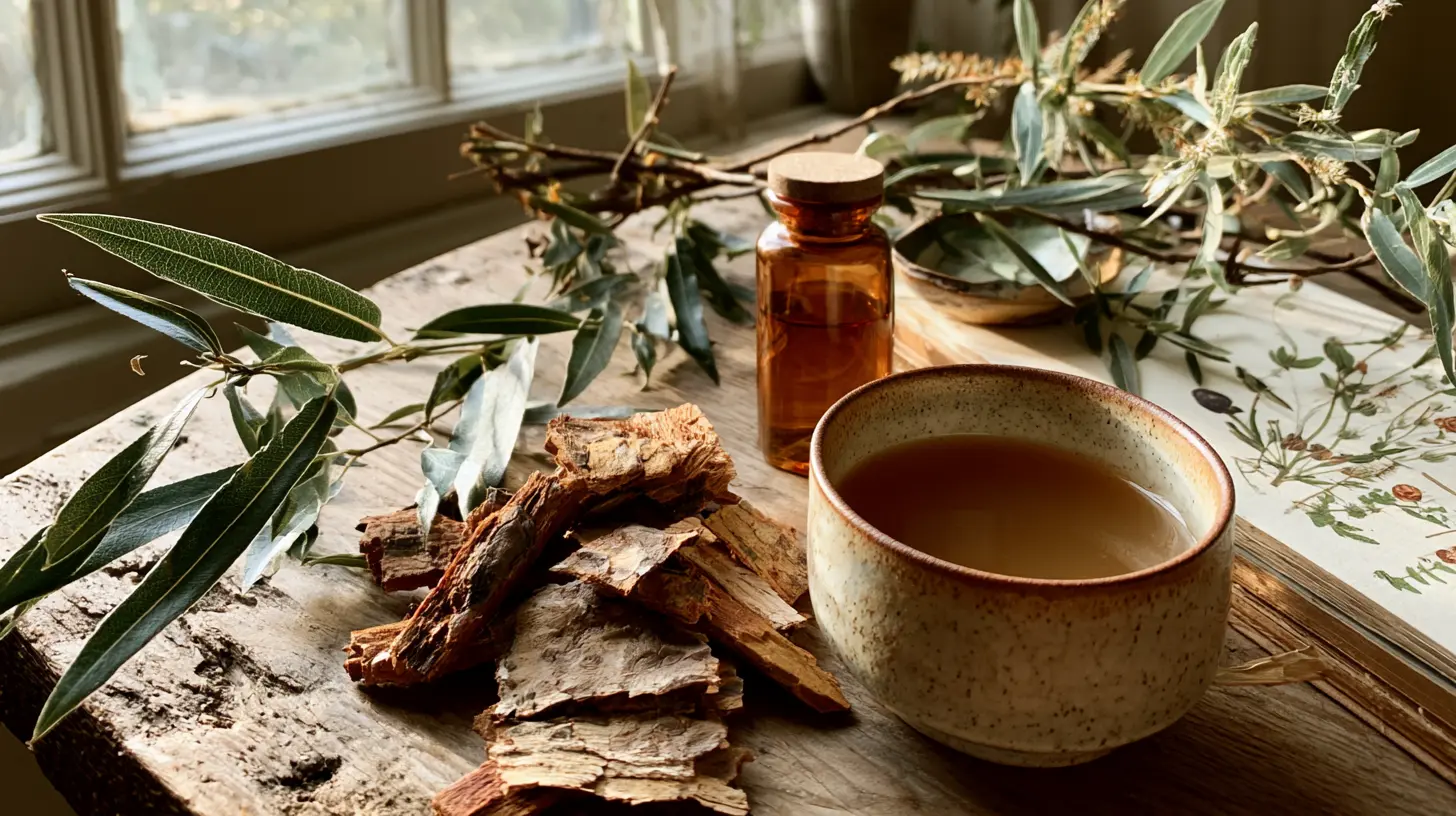
Willow bark is the bark of willow trees, especially white willow and related Salix species. The herb is best known for salicin, a bitter plant compound that the body can convert into salicylate-related compounds. This connection is why willow bark is often compared with aspirin, although they are not the same thing. Willow bark is slower, more complex, and comes wrapped in tannins, flavonoids, and other plant chemistry. In other words, it is not “tree aspirin,” but the family resemblance is real.
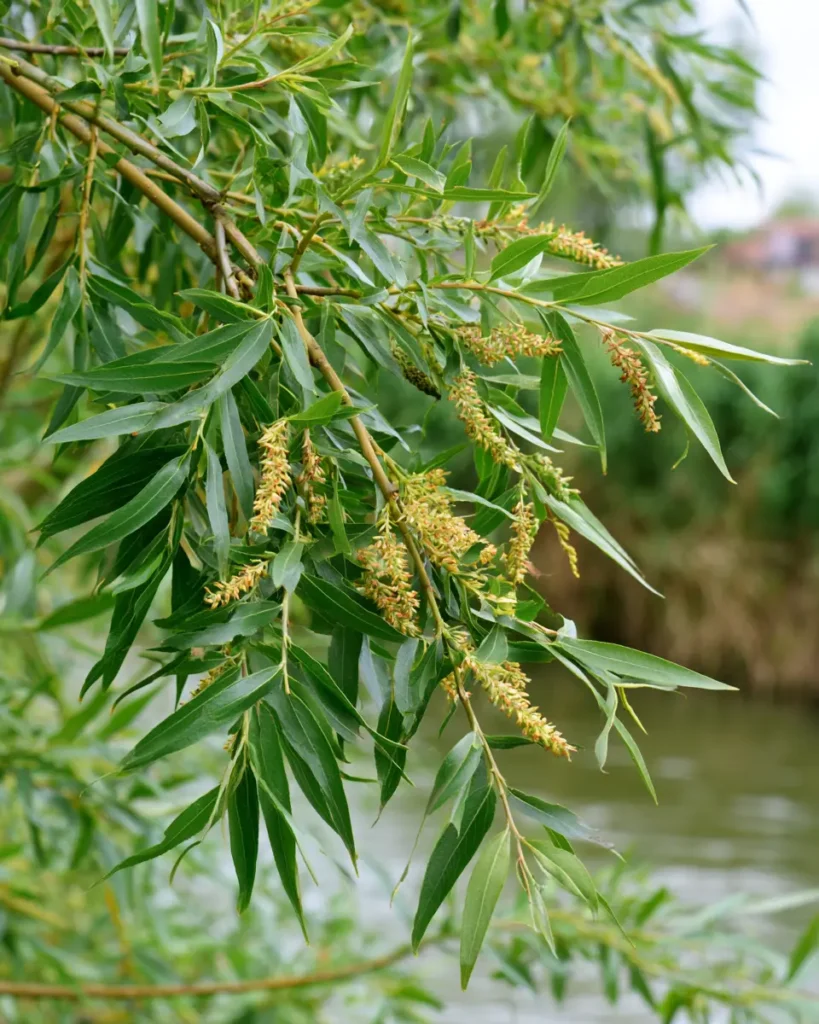
Willow Bark (Salix alba and related Salix species)
Willow bark is traditionally connected with these wellness areas:
Comfort and Mobility: Willow bark has long been used for occasional body aches, stiffness, and musculoskeletal discomfort.
Inflammation Pathway Support: Salicin, flavonoids, and polyphenols help explain willow bark’s traditional use in comfort-focused formulas.
Head and Body Tension: Herbalists have traditionally used willow bark when discomfort feels dull, heavy, or tension-related.
Bitter Astringent Support: Willow bark also contains tannins, giving it astringent and tissue-toning qualities.
“Willow bark is the old tree remedy that bends with the wind and reminds the body how to find comfort.”
Available Willow Bark Products
Dried Willow Bark
Dried willow bark is commonly sold as cut-and-sifted bark. It is usually prepared as a decoction because bark is tougher than leaves or flowers. Good dried willow bark should smell woody, slightly bitter, and clean, without mold or mustiness.
Willow Bark Tea or Decoction
Willow bark tea is usually made by simmering the bark rather than simply steeping it. Decoction helps extract salicin, tannins, and other bark constituents. The taste is bitter, woody, and astringent.
Willow Bark Capsules
Capsules are common and may contain powdered bark or standardized willow bark extract. Some products list salicin content, often standardized to a specific percentage. Labels should clearly identify the plant part as bark.
Willow Bark Extract
Extracts may be standardized for salicin. These are stronger than simple tea and should be used more cautiously, especially by people taking medications or sensitive to aspirin.
Willow Bark Tincture
Willow bark tincture is available and may be used in traditional formulas. Alcohol-water extraction can capture salicin-related compounds, flavonoids, and tannins. Because willow bark has important medication cautions, tinctures should be used carefully.
Willow Bark Powder
Powdered willow bark may be used in capsules or formulas. Because bark powder can be hard on the stomach and is difficult to measure casually, capsules or professionally made products are usually more practical.
Willow Bark Topical Products
Willow bark extract appears in some topical creams, gels, and skincare products. In skincare, it is often discussed for its salicylate-related and astringent profile. Topical products should be patch-tested first.
Key Herbal Actions
Willow bark is known as an analgesic-support herb, anti-inflammatory herb, antirheumatic, astringent, bitter tonic, febrifuge in traditional use, antioxidant, and mild diaphoretic.
Analgesic-Support Herb
An analgesic-support herb is traditionally used to support comfort when occasional aches or pains are present. Willow bark is famous for this action because of salicin and related salicylate chemistry. It should not be used as a replacement for medical pain management when pain is severe, sudden, or unexplained.
Anti-Inflammatory Herb
Willow bark is traditionally used to support the body’s normal inflammatory response. Its salicin derivatives, flavonoids, and polyphenols help explain this action. It should be described as supportive, not as a treatment for inflammatory disease.
Antirheumatic
Antirheumatic herbs are traditionally used in formulas for joint and muscle stiffness. Willow bark appears in this category because of its long history in comfort and mobility support.
Astringent
Astringent herbs tone and tighten tissues. Willow bark contains tannins, which create a drying, puckering taste and explain its traditional tissue-toning use.
Bitter Tonic
Willow bark has a bitter taste. Bitter herbs may support digestive secretions, although willow bark is not mainly used as a digestive bitter. Its bitterness is more connected with bark chemistry and salicin content.
Febrifuge in Traditional Use
A febrifuge is an herb traditionally used during feverish states. Willow bark has historical use in this category, but fever can signal infection or serious illness, so modern use should be cautious and medically appropriate.
Antioxidant
Willow bark contains flavonoids and phenolic compounds studied for antioxidant activity. These compounds help round out willow bark’s plant profile beyond salicin alone.
Mild Diaphoretic
Willow bark has been used traditionally in formulas where warmth, discomfort, and feverish feelings appear together. It is not a primary sweating herb like yarrow or elderflower, but it has some historical overlap.
Active Compounds and Extraction
Willow bark contains salicin and related salicylate glycosides, including salicortin, tremulacin, and fragilin, plus tannins, flavonoids, phenolic acids, catechins, procyanidins, and other polyphenols.
Salicin
Salicin is the best-known compound in willow bark. It is a bitter salicylate glycoside that can be metabolized into salicylate-related compounds in the body. This is one reason willow bark is traditionally associated with comfort and inflammation pathways.
Best extraction methods:
Decoction: Add 1–2 teaspoons dried willow bark to 1 cup water. Simmer gently for 10–15 minutes, then strain. Bark needs simmering because it is tougher than leaves or flowers.
Long steep after simmering: After simmering, cover and let the decoction sit another 10 minutes before straining. This helps pull more water-soluble constituents from the bark.
Tincture: Combine dried willow bark with 40–60% alcohol and steep for 4–6 weeks, shaking occasionally. Strain and store in dark glass. Tincture provides a compact preparation but should be used with more caution.
Salicortin, Tremulacin, and Related Salicylate Glycosides
Willow bark contains several salicylate-related glycosides, not only salicin. These compounds contribute to the broader activity of the bark and may vary depending on willow species, harvest time, and processing.
Best extraction methods:
Decoction: Water extraction through simmering is the most traditional home method.
Standardized extract: Commercial extracts may provide more consistent salicin content than loose bark.
Hydroalcoholic extract: Alcohol-water extraction can capture a wider range of constituents than water alone.
Tannins
Tannins are astringent compounds that create a drying, puckering mouthfeel. In willow bark, tannins contribute to tissue-toning action and may also make the herb harder on sensitive stomachs.
Best extraction methods:
Water decoction: Tannins extract well into hot water. Avoid over-simmering if the tea becomes too harsh.
Short decoction: A moderate 10–15 minute simmer is usually enough for household use.
Flavonoids
Willow bark contains flavonoids that contribute antioxidant activity and may support vascular and tissue health. These compounds help explain why whole bark extract is more complex than isolated salicin.
Best extraction methods:
Hot water decoction: Some flavonoids extract into hot water.
Hydroalcoholic tincture: Alcohol-water extraction may capture a broader flavonoid range.
Phenolic Acids and Polyphenols
Phenolic acids, catechins, and procyanidins add to willow bark’s antioxidant and astringent profile. These compounds are common in barks and help support the herb’s traditional tissue-toning use.
Best extraction methods:
Decoction: Simmering bark in water is suitable for many water-soluble phenolic compounds.
Tincture: Hydroalcoholic extraction provides a broader compound profile.
Harvesting and Storing Right
Willow bark is traditionally harvested in spring when the sap begins to rise and the bark separates more easily from young branches. Young branches are preferred over old trunk bark because they are easier to harvest and generally more suitable for herbal use.
Harvesting should be done responsibly. Do not strip bark all the way around a living tree, because girdling can kill it. Instead, harvest small branches from abundant, correctly identified trees and peel bark from those cut branches.
The best time of day is after morning moisture has dried. Bark should be dried thoroughly in a warm, airy place away from direct sun.
Storage tips:
Dried bark: Store in an airtight jar away from heat, light, and moisture. Best used within 1–2 years.
Powdered bark: Store tightly sealed and use within 6–12 months.
Tincture: Store in dark glass in a cool place. Alcohol tinctures may keep for several years.
Capsules and extracts: Follow the label expiration date and keep away from heat and humidity.
Topical products: Store according to the product label and avoid contamination.
Body Functions Willow Bark Can Support
Willow bark can support muscles and joint, circulation, nervous system, brain, digestion system, skin, energy and vitality, and respiratory system.
Muscles and Joint
Willow bark is most strongly associated with occasional muscle and joint comfort. Its salicylate glycosides and polyphenols explain why it appears in traditional mobility formulas. It should not be used to mask serious injuries, severe pain, or unexplained swelling.
Circulation
Willow bark is related to salicylate chemistry, so people often connect it with circulation. However, this is also why it has important safety cautions with blood thinners and bleeding risk. It should not be used as a circulation treatment or aspirin substitute.
Nervous System
Willow bark is not a classic nervine, but it may indirectly support the nervous system when occasional discomfort creates tension. It does not calm the nerves in the same way as lemon balm, skullcap, or passionflower.
Brain
Willow bark has traditional use for head discomfort and tension-type discomfort patterns. This does not mean it treats migraines, neurological disorders, or serious headaches. Sudden, severe, or unusual headaches require medical evaluation.
Digestion System
Willow bark is bitter and astringent, which can influence digestion. However, salicylate-containing herbs may irritate the stomach in sensitive people. Those with reflux, ulcers, gastritis, or digestive bleeding risk should avoid it unless professionally guided.
Skin
Topical willow bark extract appears in some skincare products because of its salicylate-related and astringent profile. It may be used in formulas for oily or congested-looking skin. Sensitive skin may react, so patch testing is important.
Energy and Vitality
Willow bark is not an energy herb. Its traditional vitality support is indirect: people often feel more functional when occasional discomfort is better managed. It does not stimulate like caffeine or adaptogens.
Respiratory System
Historically, willow bark was used in feverish and seasonal discomfort traditions. Modern home use should be cautious because fever and respiratory symptoms can require medical care. Willow bark should not be given to children or teenagers with viral illness.
Safety and Practical Considerations
Willow bark requires serious safety caution because it contains salicylate-related compounds. It is not appropriate for everyone.
Do not use willow bark if you are allergic or sensitive to aspirin or salicylates. People with asthma triggered by aspirin or NSAIDs should avoid it.
Children and teenagers should not use willow bark, especially during viral illness, because of salicylate-related safety concerns.
People taking blood thinners, anticoagulants, antiplatelet medications, NSAIDs, aspirin, corticosteroids, methotrexate, diuretics, blood pressure medications, diabetes medications, or gout medications should consult a healthcare professional before using willow bark.
People with stomach ulcers, gastritis, reflux, kidney disease, liver disease, bleeding disorders, gout, asthma, or upcoming surgery should avoid willow bark unless medically supervised.
Pregnant and breastfeeding people should avoid willow bark unless specifically directed by a qualified healthcare professional.
Stop willow bark at least 1–2 weeks before surgery unless your healthcare provider gives different instructions.
Possible side effects include stomach upset, nausea, heartburn, ringing in the ears, rash, itching, dizziness, or allergic reactions. High intake may increase bleeding risk or cause salicylate toxicity.
Do not combine willow bark with aspirin, ibuprofen, naproxen, or other NSAIDs unless a healthcare professional approves.
FAQ
What does willow bark taste like?
Willow bark tastes bitter, woody, and astringent. It has a drying mouthfeel because of its tannins. Most people do not drink it for flavor.
When is the best time to use willow bark?
Willow bark is traditionally used when occasional aches, stiffness, or discomfort are present. It is often taken with food to reduce stomach irritation. Follow label directions or professional guidance.
Is fresh or dried willow bark better?
Dried willow bark is the most common and practical form. Fresh bark is usually used only by experienced herbalists who can correctly identify willow species and harvest responsibly.
Is willow bark tea, tincture, capsule, or extract better?
Decoction is traditional, but capsules and standardized extracts are more common today. Tinctures are practical but concentrated. Extracts standardized for salicin offer more consistency but also require more safety caution.
Can willow bark be used daily?
Daily use should be avoided unless guided by a qualified healthcare professional. Because willow bark contains salicylate-related compounds, long-term use may increase risks for stomach irritation, bleeding, medication interactions, or kidney concerns.
How should willow bark be stored?
Store dried bark in an airtight jar away from heat, light, and moisture. Powder should be used sooner than cut bark. Capsules, extracts, and tinctures should be stored according to the label.
Does willow bark combine well with other herbs?
Yes, but formulas must be chosen carefully. Willow bark is sometimes combined with meadowsweet, turmeric, ginger, boswellia, devil’s claw, nettle, or licorice. However, several of these herbs also have medication cautions, so combinations should be used thoughtfully.
Is willow bark the same as aspirin?
No. Willow bark contains salicin and other salicylate glycosides, while aspirin is acetylsalicylic acid. They are related in history and chemistry, but they are not identical. Willow bark can still share some aspirin-like cautions.
Is willow bark safe for everyone?
No. Willow bark is not suitable for children, teenagers, pregnant or breastfeeding people, people with aspirin allergy, ulcers, bleeding disorders, asthma triggered by NSAIDs, kidney disease, liver disease, gout, or people taking blood thinners or NSAIDs.
Can willow bark be used for pets?
Willow bark should not be given to pets without veterinary guidance. Salicylate-containing herbs can be risky for animals, especially cats and dogs, and dosing errors can be dangerous.
Disclaimer
This content is educational only. It is not medical advice, diagnosis, or treatment. Herbs may interact with medications or health conditions. People who are pregnant, breastfeeding, managing a medical condition, taking prescription medications, or preparing for surgery should consult a qualified healthcare professional before using herbs.
References
Kew Science: Plants of the World Online – Salix alba
European Medicines Agency: Willow Bark Herbal Medicine
Memorial Sloan Kettering Cancer Center: Willow Bark
PubMed: Willow Bark Extract for Low Back Pain
PubMed: Willow Bark and Salicylate-Containing Herbal Medicines