


Clove is the dried, unopened flower bud of a tropical evergreen tree in the myrtle family. Those tiny brown “nails” in the spice jar are actually flower buds harvested before they open. Traditionally, clove has been used for oral comfort, digestive warmth, breath freshness, respiratory support, and as a warming culinary spice. Its strong aroma comes mainly from eugenol, a powerful aromatic compound that gives clove much of its spicy, numbing, and warming character.
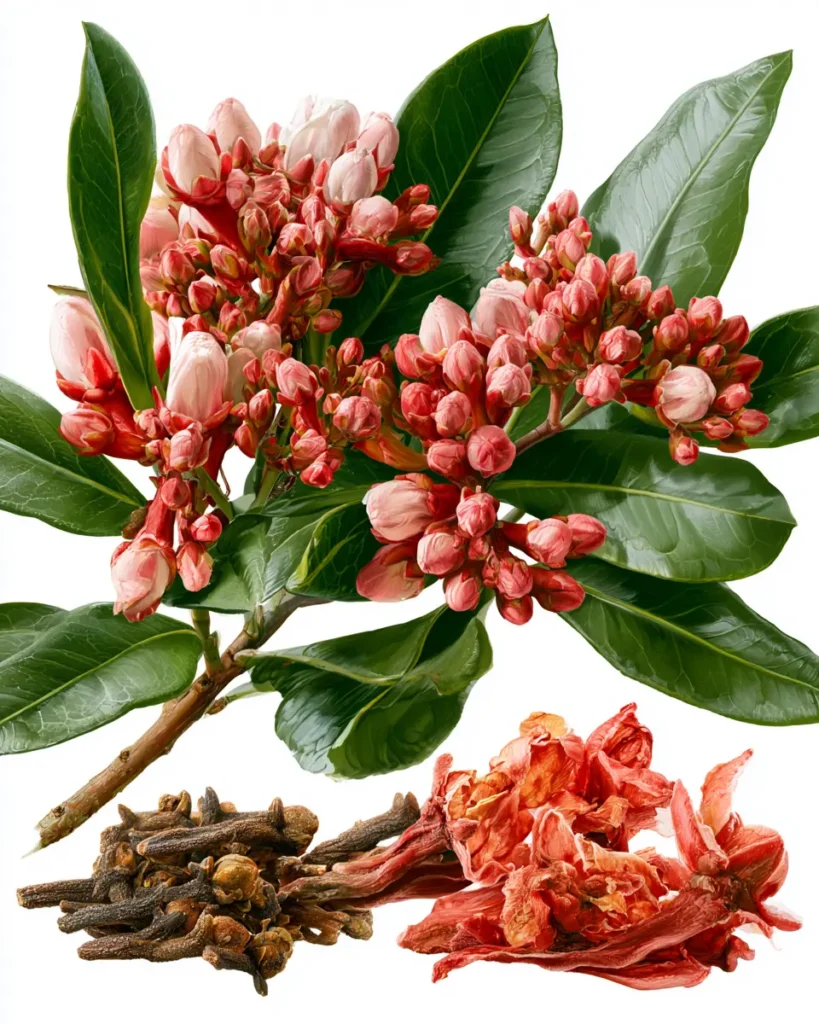
Clove (Syzygium aromaticum)
Traditional Uses of Clove
Dental Oral Comfort: Clove has a long traditional use in oral care, especially for temporary tooth and gum comfort.
Digestive Support: Its warming aromatic quality makes it a classic spice for sluggish digestion, gas, and heavy meals.
Respiratory Warmth: Clove is often used in warming seasonal tea blends, syrups, and spice formulas.
Circulation and Warmth: As a pungent spice, clove is traditionally used to encourage a feeling of warmth and movement.
“Clove is the spice cabinet’s tiny firecracker: small enough to miss, strong enough to remember.”
Available Clove Products
Clove Capsules — Capsules/Tablets
A dried-bud supplement traditionally used to support digestive comfort and provide antioxidant support.
Buy Clove Capsules
Clove Liquid Extract — Tincture/Liquid Extract
An organic tincture made from ground cloves, traditionally taken diluted in water or juice to ease occasional gas and indigestion.
Buy Clove Liquid Extract
Clove Bud Essential Oil — Essential Oil
A steam-distilled oil with a spicy, warm aroma, popularly used for toothache relief, oral care, and in diluted topical or aromatherapy blends.
Buy Clove Bud Essential Oil
Ground Clove Powder — Powder
Finely ground clove buds used as a culinary spice for baking, mulled drinks, and savory dishes, rich in manganese and antioxidants.
Buy Ground Clove Powder
Whole Cloves — Raw/Whole Spice
Whole dried clove buds used to flavor teas, mulled beverages, and simmered dishes, or ground fresh at home for maximum aroma.
Buy Whole Cloves
⚠️ These are dietary supplements/culinary products — not evaluated by the FDA for treating disease. Clove oil is highly concentrated and can irritate skin, gums, and mucous membranes if used undiluted — always dilute before topical use and avoid internal use of the essential oil without professional guidance. Concentrated clove (extract or oil) may also interact with blood thinners. Not recommended during pregnancy or nursing without medical guidance. Check with a healthcare provider before use.
Key Herbal Actions
Clove is known as an aromatic stimulant, carminative, analgesic-supportive herb, antimicrobial-supportive herb, antioxidant, antispasmodic, expectorant, warming circulatory stimulant, and astringent.
Aromatic Stimulant
An aromatic stimulant is a fragrant herb that wakes up the senses and encourages movement. Clove is strongly aromatic, warming, and activating.
Carminative
A carminative herb supports the release of digestive gas. Clove is traditionally used in spice blends after meals or with rich foods to support digestive comfort.
Analgesic-Supportive Herb
Clove is traditionally associated with oral comfort because eugenol can create a temporary numbing sensation. This does not mean clove fixes the cause of tooth pain; dental pain should be evaluated by a dentist.
Antimicrobial-Supportive Herb
Clove essential oil and eugenol have been studied in laboratory settings for antimicrobial activity. This helps explain clove’s traditional use in oral hygiene and food preservation.
Antioxidant
Clove is rich in phenolic compounds that show antioxidant activity in research settings. These compounds help protect plant tissues and contribute to clove’s strong chemistry.
Antispasmodic
Antispasmodic herbs are traditionally used to ease patterns of gripping or tension. Clove may be used in digestive formulas when gas and cramping are part of the pattern.
Expectorant
Clove is sometimes used in warming respiratory blends. Its pungent aromatics can support a feeling of openness and warmth in seasonal teas.
Warming Circulatory Stimulant
Clove is a hot, pungent spice that creates a sense of warmth and movement. It is traditionally used in cold-weather drinks and warming herbal formulas.
Astringent
Clove contains tannins, which can create a mild tightening effect on tissues. This contributes to its traditional use in oral and throat comfort preparations.
Active Compounds and Extraction
Clove contains eugenol, eugenyl acetate, beta-caryophyllene, tannins, flavonoids, phenolic acids, gallic acid, triterpenes, sterols, volatile oils, and small amounts of minerals.
Eugenol
Eugenol is the main aromatic compound in clove bud oil and is responsible for much of clove’s scent, flavor, and traditional oral-care use. It can feel warming and slightly numbing, but in concentrated form it can also irritate tissue and may be toxic if swallowed in significant amounts.
Best extraction: Tincture, essential oil distillation, infused oil, or covered hot infusion.
To make a simple clove tea, use 1–3 whole cloves per cup of hot water. Cover and steep for 10 minutes, then strain. For a stronger warming decoction, simmer gently for 5–10 minutes.
Eugenyl Acetate
Eugenyl acetate is an aromatic ester found in clove essential oil. It contributes to clove’s warm, sweet-spicy fragrance and works alongside eugenol in the plant’s aromatic profile.
Best extraction: Essential oil, tincture, or covered infusion.
A covered infusion helps keep volatile compounds from escaping with steam. Tincture captures a broader aromatic range than water alone.
Beta-Caryophyllene
Beta-caryophyllene is a sesquiterpene found in clove oil and many other aromatic plants. It contributes to clove’s spicy aroma and is studied for inflammation-related and antioxidant activity.
Best extraction: Tincture or essential oil.
Because beta-caryophyllene is not highly water-soluble, alcohol-containing preparations extract it more efficiently than tea.
Tannins
Tannins are astringent compounds that gently tighten and tone tissues. In clove, tannins contribute to the dry, puckering edge beneath the spice’s warmth.
Best extraction: Hot water infusion or decoction.
Water extracts tannins well. Longer steeping creates a stronger, more astringent taste, so keep the amount small.
Flavonoids
Flavonoids are antioxidant plant compounds. In clove, they contribute to the spice’s broad antioxidant profile.
Best extraction: Hot water infusion or tincture.
A tea extracts many water-soluble flavonoids. Tincture may capture both flavonoids and aromatic compounds.
Phenolic Acids and Gallic Acid
Phenolic acids, including gallic acid, are plant compounds associated with antioxidant activity. These compounds are part of why clove is considered chemically strong for such a small spice.
Best extraction: Hot water infusion or alcohol-water tincture.
Tea is suitable for simple culinary-herbal use. Tinctures and extracts are more concentrated and should be used more cautiously.
Triterpenes and Sterols
Clove contains small amounts of triterpenes and plant sterols. These are not the main reason clove is used, but they contribute to the whole-bud chemistry.
Best extraction: Alcohol-water tincture or whole spice use.
Using whole clove in food or tea gives a fuller plant profile, while tinctures extract a wider range of less water-soluble compounds.
Volatile Oils
Clove’s volatile oil is responsible for its intense aroma. This oil is powerful, concentrated, and potentially irritating.
Best extraction: Covered infusion, tincture, or steam distillation.
For everyday use, whole clove tea or culinary use is much safer than essential oil. Essential oil should be diluted and handled with professional-level caution.
Harvesting and Storing Right
Cloves are harvested as unopened flower buds when they change from green to pinkish-red. After harvest, the buds are dried until they turn the familiar dark brown color.
For best quality, cloves should be aromatic, intact, and slightly oily when broken. A simple freshness clue: whole cloves that smell strong and spicy are usually better than dull, dusty cloves that seem to have retired years ago.
Store whole cloves in an airtight container away from heat, light, and moisture. Whole cloves usually keep their aroma for about 1–2 years. Ground clove is best used within about 6 months because the volatile oils fade quickly.
Clove tinctures generally keep for several years when properly prepared and stored. Clove essential oil should be kept in dark glass, tightly closed, away from heat, children, and pets.
Body Functions Clove Can Support
Clove can support dental oral comfort, digestion system, respiratory system, immune system, circulation, metabolism, skin, and energy and vitality.
Dental Oral
Clove is most famous for oral comfort. Eugenol gives clove its traditional numbing quality, which is why clove appears in many oral-care traditions, but persistent tooth pain requires dental care.
Digestion System
Clove’s carminative and aromatic stimulant actions make it useful in traditional digestive spice blends. It is especially common in formulas for heavy, cold, or sluggish digestion.
Respiratory System
Clove is used in warming respiratory teas and syrups, often with ginger, cinnamon, thyme, or orange peel. Its pungent aroma supports a feeling of warmth and openness.
Immune System
Clove’s phenolic compounds and essential oil have shown antimicrobial and antioxidant activity in laboratory research. This supports its traditional seasonal use, but it should not be described as a cure or substitute for medical care.
Circulation
As a warming spice, clove can create a sense of heat and movement. It is often used in cold-weather drinks like chai and mulled cider for this reason.
Metabolism
Clove’s warming digestive nature may support post-meal comfort and digestive activity. It should not be framed as a weight-loss herb or blood sugar treatment.
Skin
Diluted clove preparations are sometimes used externally in traditional practice, but clove can irritate skin. Essential oil must be diluted properly and patch-tested.
Energy and Vitality
Clove is stimulating in flavor and aroma. It may help a person feel more awake and warmed, especially when used in a spicy tea or food blend.
Safety and Practical Considerations
Clove is safe for many people in normal culinary amounts, but concentrated clove products need caution. Clove essential oil is very strong and may irritate the mouth, skin, stomach, and mucous membranes.
Do not swallow clove essential oil. Ingesting concentrated clove oil can be dangerous, especially for children, and has been associated with serious toxicity. Keep clove oil away from children and pets.
People taking blood thinners, antiplatelet medications, diabetes medications, liver medications, or those preparing for surgery should consult a qualified healthcare professional before using medicinal amounts of clove. Eugenol may affect bleeding, blood sugar, and liver-related safety concerns.
Pregnant and breastfeeding people should stick to normal food amounts unless guided by a qualified professional. Children, older adults, and sensitive individuals need extra caution.
Clove may cause allergic reactions or irritation in some people. Stop using it if burning, rash, mouth sores, nausea, dizziness, or unusual symptoms occur.
FAQ
What does clove taste like?
Clove tastes hot, sweet, spicy, aromatic, and slightly bitter. It is very strong, so even one or two whole cloves can flavor a full cup of tea.
Is clove good for tooth comfort?
Clove has a traditional reputation for temporary oral comfort because eugenol can feel numbing. However, tooth pain can signal infection, decay, or injury, so clove should not replace dental care.
Is whole clove safer than clove essential oil?
Yes, whole clove used as food or tea is much gentler than essential oil. Clove essential oil is highly concentrated and requires careful dilution and safety knowledge.
When is the best time to use clove?
Clove is often used after meals, in warming drinks, or in cold-weather spice blends. Because it is stimulating and warming, some people prefer it earlier in the day rather than right before bed.
Is fresh or dried clove better?
Clove is almost always used dried. The dried unopened flower buds are the standard culinary and herbal material.
Is clove tea, tincture, or capsule better?
Tea is simple and traditional, tincture is stronger and more concentrated, and capsules are convenient but easy to overdo. For most people, culinary use or tea is the gentlest starting point.
Can clove be used daily?
Clove can be used regularly in small culinary amounts. Daily medicinal use, especially with extracts, capsules, or essential oil, should be discussed with a qualified healthcare professional.
How should clove be stored?
Store whole cloves in a tightly sealed jar away from heat, light, and moisture. Ground clove loses aroma faster and should be replaced more often.
Does clove combine well with other herbs?
Yes. Clove combines well with cinnamon, ginger, cardamom, orange peel, black pepper, fennel, thyme, licorice root, and tulsi. Use a light hand because clove can easily overpower a blend.
Can clove be used for pets?
Pet use should be guided by a veterinarian or qualified animal herbalist. Clove essential oil is especially risky around pets and should not be used casually.
Disclaimer
This content is educational only. It is not medical advice, diagnosis, or treatment. Herbs may interact with medications or health conditions. People who are pregnant, breastfeeding, managing a medical condition, taking prescription medications, or preparing for surgery should consult a qualified healthcare professional before using herbs.
References
NCBI Bookshelf: LiverTox – Eugenol / Clove Oil
PubMed: Clove Essential Oil – Chemical Composition and Biological Activity
PubMed: Syzygium aromaticum Review
PubMed: Eugenol Pharmacological Activities Review
PubMed: Eugenol and Dental Applications
NCBI Bookshelf: Herbal Medicine Safety and Herb-Drug Interaction Considerations