


Traditionally, anise has been used to support digestion, gas comfort, respiratory ease, oral freshness, and gentle warming after meals. It is one of those herbs that manages to be both practical and pleasant, which is not always a guarantee in herbalism. Anise, also called aniseed, is a small aromatic seed-like fruit from a delicate annual plant in the Apiaceae family. This is the same plant family that includes fennel, dill, coriander, cumin, parsley, and celery. It has a sweet, licorice-like flavor, though it is not the same plant as licorice root or star anise.
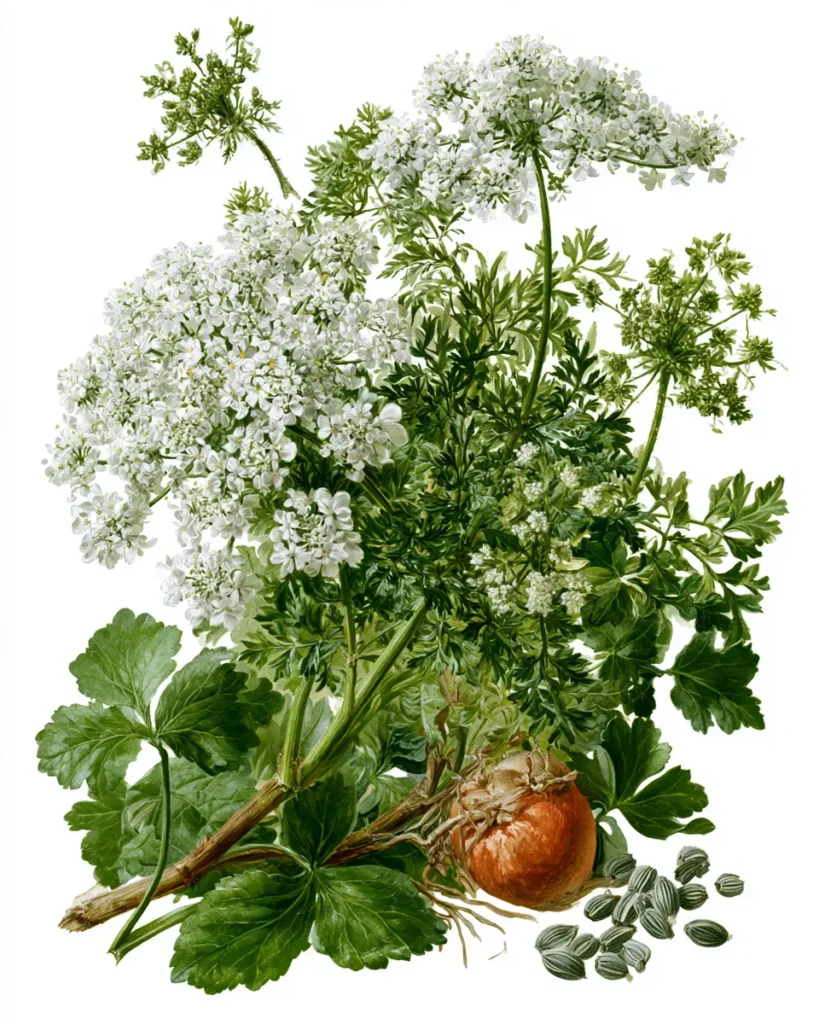
Anise (Pimpinella anisum)
Traditional Uses of Anise
Digestive Support: Anise is traditionally used after meals to support comfortable digestion, especially when bloating or gas is part of the picture.
Respiratory Comfort: Its aromatic oils make it a classic herb for gentle respiratory support, especially in teas and syrups.
Oral Freshness: Anise seeds have long been chewed after meals to freshen the breath and support digestion.
Nursing Support: Anise has a traditional reputation as a galactagogue, meaning it has been used to support milk flow, but this use requires caution and professional guidance.
“Anise is the little seed that makes digestion feel less like a meeting and more like a conversation.”
Available Anise Products
Anise Seed Capsules — Capsules/Tablets
A concentrated dried-seed supplement traditionally used to support digestive comfort and freshen breath.
Buy Anise Seed Capsules
Anise Liquid Extract — Tincture/Liquid Extract
A concentrated tincture made from organic anise seed, traditionally used to support digestion and taken diluted in water, tea, or juice.
Buy Anise Liquid Extract
Anise Seed Tea — Tea Bags
A dried anise seed herbal tea traditionally brewed as a digestive aid, with a naturally sweet, licorice-like flavor.
Buy Anise Seed Tea
Anise Seed Essential Oil — Essential Oil
A steam-distilled oil with a sweet, licorice-like aroma, used in aromatherapy for respiratory support, mood uplift, and warming massage blends.
Buy Anise Seed Essential Oil
Anise Seed Powder — Powder
Finely ground anise seed used in cooking, baking, and homemade extracts, valued for its warm, sweet, licorice-like flavor.
Buy Anise Seed Powder
Anise Whole Seeds — Raw/Dried Herb (Whole Seed)
Whole dried anise seeds for culinary use, brewing tea, or making your own extracts and decoctions at home.
Buy Anise Whole Seeds
⚠️ These are dietary supplements/culinary products — not evaluated by the FDA for treating disease. Anise is generally regarded as safe in food amounts, but concentrated forms (tinctures, essential oil, high-dose capsules) are not recommended during pregnancy or breastfeeding, and anise essential oil should always be diluted before topical use. Check with a healthcare provider before use, especially if you have hormone-sensitive conditions, as anise contains compounds with mild estrogenic activity.
Key Herbal Actions
Anise is known as a carminative, aromatic digestive, antispasmodic, expectorant, mild galactagogue, antimicrobial-supportive herb, antioxidant, and gentle warming spice.
Carminative
A carminative herb supports the movement and release of digestive gas. Anise is a classic carminative seed, traditionally used after meals when digestion feels full, tight, or bubbly.
Aromatic Digestive
Aromatic digestives contain fragrant volatile oils that wake up the senses and support digestive activity. Anise’s sweet scent and flavor come largely from anethole-rich essential oil.
Antispasmodic
Antispasmodic herbs are traditionally used to ease patterns of gripping or tightness. Anise is commonly used when digestive discomfort includes cramping, gas, or tension.
Expectorant
Expectorant herbs support the body’s natural process of clearing mucus. Anise is a gentle aromatic expectorant and is often included in traditional respiratory tea and syrup formulas.
Mild Galactagogue
A galactagogue is an herb traditionally used to support breast milk production. Anise has this traditional reputation, but nursing use should be guided by a qualified healthcare professional because safety and dose matter.
Antimicrobial-Supportive Herb
Anise essential oil and anethole have been studied in laboratory settings for antimicrobial activity. This does not mean anise replaces medical care, but it helps explain its traditional use in oral and digestive preparations.
Antioxidant
Anise contains phenolic compounds and flavonoids that contribute to antioxidant activity in research settings. These compounds are part of the seed’s broader protective plant chemistry.
Gentle Warming Spice
Anise is warming, sweet, and aromatic. It is less fiery than ajwain or ginger, making it a friendlier option for people who want digestive warmth without sharp heat.
Active Compounds and Extraction
Anise contains trans-anethole, estragole, anisaldehyde, anisic acid, coumarins, flavonoids, phenolic compounds, fixed oils, proteins, fiber, and minerals.
Trans-Anethole
Trans-anethole is the major aromatic compound in anise essential oil and is responsible for much of its sweet licorice-like aroma. It is studied for digestive, antimicrobial, and respiratory-related activity.
Best extraction: Covered hot infusion, tincture, or steam distillation.
To make anise tea, lightly crush 1 teaspoon of seeds, pour over 1 cup hot water, cover, and steep for 10–15 minutes. Covering the cup helps preserve the aromatic oils.
Estragole
Estragole is an aromatic compound found in anise, fennel, basil, and several other plants. It contributes to aroma, but concentrated estragole exposure is one reason essential oils should be used cautiously.
Best extraction: Essential oil, tincture, or covered infusion.
A simple tea extracts only a modest amount compared with essential oil. Avoid casual internal use of anise essential oil because it is far more concentrated than tea or culinary seed use.
Anisaldehyde
Anisaldehyde is an aromatic compound that contributes to anise’s sweet scent. It is part of the seed’s fragrance profile and helps explain why anise is valued in both herbal and culinary preparations.
Best extraction: Covered hot infusion or tincture.
Crush the seeds just before steeping to release the aroma. Whole seeds steeped without crushing are milder.
Anisic Acid
Anisic acid is a phenolic acid associated with aromatic plants. In anise, it contributes to the broader chemistry of the seed and its traditional aromatic use.
Best extraction: Hot water infusion or tincture.
A covered infusion is the easiest home method. A tincture may extract a broader range of aromatic and phenolic compounds.
Flavonoids
Flavonoids are antioxidant plant compounds. In anise, they contribute to the seed’s antioxidant profile and overall herbal activity.
Best extraction: Hot water infusion or alcohol-water tincture.
Tea extracts many water-soluble flavonoids. Tincture may capture both water-soluble and aromatic compounds.
Coumarins
Coumarins are aromatic plant compounds found in various herbs. In anise, they appear in small amounts and contribute to the plant’s complex chemistry.
Best extraction: Tincture or infusion.
A standard infusion is suitable for everyday use. Strong extracts should be used more carefully, especially by people taking medications.
Fixed Oils, Fiber, and Minerals
Anise seeds contain fixed oils, fiber, and small amounts of minerals. These are most relevant when the seeds are eaten whole or ground rather than strained out as tea.
Best extraction: Culinary use or powder.
Use small amounts in breads, cookies, soups, spice blends, and after-meal seed mixes. Lightly toasting the seeds can deepen the flavor.
Harvesting and Storing Right
Anise is usually harvested when the seed-like fruits mature and turn gray-green to light brown. The umbels are cut, dried further, and then threshed to collect the seeds.
For home growers, harvest in late summer when the seed heads are dry but before they scatter. Morning is a good time after dew has dried. The goal is fully mature, aromatic seed material with minimal moisture.
Store whole anise seeds in an airtight jar away from heat, light, and moisture. Whole seeds usually keep their flavor for about 1–2 years if stored well. Ground anise is best used within about 6 months because the essential oils fade quickly.
Anise tinctures may keep for several years when made and stored properly. Anise essential oil should be kept in a dark glass bottle away from heat, light, children, and pets.
Body Functions Anise Can Support
Anise can support digestion system, respiratory system, dental oral comfort, immune system, reproductive system female, metabolism, circulation, and energy and vitality.
Digestion System
Anise is most strongly connected with digestive support. Its carminative and antispasmodic actions make it a traditional seed for gas, bloating, and post-meal heaviness.
Respiratory System
Anise is traditionally used in respiratory teas and syrups because of its aromatic expectorant qualities. Its sweet flavor also makes stronger respiratory herbs taste more friendly.
Dental Oral
Chewing anise seeds after meals is a traditional practice for breath freshness. Its aromatic compounds help explain its long use in mouth-freshening candies, lozenges, and seed blends.
Immune System
Anise contains aromatic and phenolic compounds studied for antimicrobial and antioxidant activity. This supports its traditional seasonal use, but it should not be presented as a cure or substitute for medical care.
Reproductive System Female
Anise has traditional use as a mild galactagogue and has also been used in women’s wellness traditions. Because this area can involve pregnancy, breastfeeding, hormones, and infants, professional guidance is important.
Metabolism
Anise is traditionally used to support digestive fire in a gentle way. It may help meals feel lighter when used as a spice, but it should not be framed as a weight-loss herb.
Circulation
As a gently warming aromatic seed, anise may create a mild sense of warmth and movement. This is a traditional energetic use, not a treatment claim for circulation problems.
Energy and Vitality
When digestion feels heavy, aromatic spices like anise can help a person feel less weighed down. It supports vitality indirectly through digestive comfort and pleasant sensory stimulation.
Safety and Practical Considerations
Anise seed used in normal culinary amounts is generally well tolerated by many people, but concentrated products require more caution. Essential oil is much stronger than tea or food use and should not be taken internally without professional supervision.
People who are pregnant, breastfeeding, managing hormone-sensitive conditions, taking prescription medications, preparing for surgery, or giving herbs to children should consult a qualified healthcare professional before using medicinal amounts of anise.
Anise may cause allergic reactions in people sensitive to plants in the Apiaceae family, including celery, carrot, fennel, dill, coriander, cumin, or parsley. Sensitive individuals should start with very small amounts or avoid it.
Because anise contains aromatic compounds such as anethole and estragole, avoid high-dose or long-term concentrated use unless professionally guided. Tea and culinary seed use are much gentler than essential oil.
Anise is commonly used dried, whole, ground, infused, tinctured, or as flavoring. Fresh leaves are edible in some culinary uses, but the seed-like fruits are the main herbal material.
FAQ
What does anise taste like?
Anise tastes sweet, aromatic, and licorice-like. It is similar to fennel and star anise, though they are different plants.
Is anise the same as star anise?
No. Anise is Pimpinella anisum, while star anise is Illicium verum. They share a similar flavor because both contain anethole, but they come from completely different plant families.
When is the best time to use anise?
Anise is often used after meals or in the evening as part of a digestive tea. It may also be used in respiratory tea blends when a sweet aromatic flavor is helpful.
Is fresh or dried anise better?
Dried anise seed is the standard form for herbal and culinary use. Fresh leaves can be used as a mild culinary herb, but the seeds are much stronger and more traditional.
Is anise tea, tincture, or capsule better?
Tea is simple, traditional, and excellent for digestion and respiratory comfort. Tincture is more concentrated and convenient, while capsules avoid the taste but miss the aromatic experience.
Can anise be used daily?
Anise can be used regularly in small culinary amounts. Daily medicinal use, especially in concentrated forms, should be approached cautiously and discussed with a qualified professional when health conditions or medications are involved.
How should anise be stored?
Store anise seeds in a sealed jar away from heat, light, and moisture. Whole seeds keep their aroma longer than powder.
Does anise combine well with other herbs?
Yes. Anise blends well with fennel, caraway, coriander, ginger, peppermint, thyme, marshmallow root, licorice root, and chamomile. It is often used to improve both flavor and digestive comfort.
Is anise safe for everyone?
No. People with Apiaceae plant allergies, pregnancy or breastfeeding considerations, hormone-sensitive conditions, medication use, or young children need extra caution.
Can anise be used for pets?
Pet use should be guided by a veterinarian or qualified animal herbalist. Anise’s aromatic oil content makes casual pet dosing inappropriate.
Disclaimer
This content is educational only. It is not medical advice, diagnosis, or treatment. Herbs may interact with medications or health conditions. People who are pregnant, breastfeeding, managing a medical condition, taking prescription medications, or preparing for surgery should consult a qualified healthcare professional before using herbs.
References
EMA: European Union Herbal Monograph on Aniseed
EMA: Assessment Report on Aniseed
PubMed: Pimpinella anisum – A Review of Traditional Uses, Phytochemistry, and Pharmacology
PubMed: Anise Essential Oil Composition and Antimicrobial Activity
PubMed: Trans-Anethole Pharmacological Activities Review
NCBI Bookshelf: Herbal Medicine Safety and Herb-Drug Interaction Considerations