


Raspberry leaf is best known in herbal traditions for women’s wellness, especially late-pregnancy tea traditions, menstrual comfort, digestive tone, and tissue support. It is a calm, steady herb — more like a practical aunt with good advice than a dramatic herbal superstar.
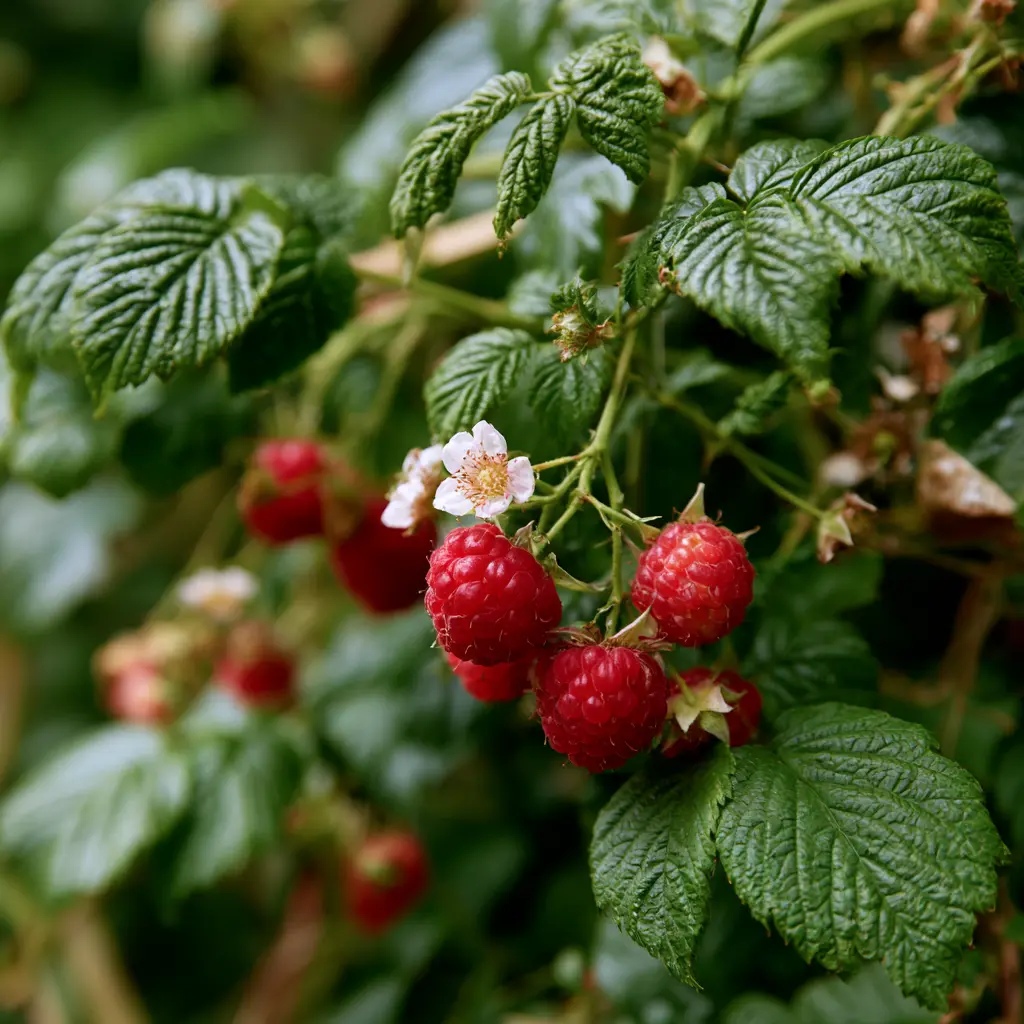
Raspberry Leaf (Rubus idaeus)
Traditional Uses of Raspberry Leaf
Women’s Wellness: Raspberry leaf is traditionally used as a uterine tonic, especially in midwifery and reproductive wellness traditions.
Menstrual Support: Herbalists often use raspberry leaf for its astringent and toning qualities during the menstrual cycle.
Digestive Tone: The tannins in raspberry leaf give it a mild drying, tightening quality traditionally used to support loose or overly relaxed digestive tissues.
Mineral Support: Raspberry leaf contains minerals such as calcium, magnesium, potassium, and iron in small amounts, making it a classic nourishing tea herb.
“Raspberry leaf is the steady green tea of the bramble patch — practical, grounding, and quietly supportive.”
Available Raspberry Leaf Products
Dried Raspberry Leaf
Dried raspberry leaf is the most common herbal form. It is used for tea, infusions, herbal blends, capsules, tinctures, and powders. Good dried leaf should look green to olive-green and smell mildly leafy, fresh, and slightly sweet.
Raspberry Leaf Tea
Raspberry leaf tea is the classic preparation. It has a mild green, earthy, slightly tannic flavor and blends well with nettle, oat straw, rosehip, spearmint, lemon balm, and hibiscus.
Raspberry Leaf Tincture
Raspberry leaf tincture is an alcohol-water extract. It is convenient and shelf-stable, though many herbalists prefer tea or infusion because raspberry leaf is traditionally used as a gentle tonic.
Raspberry Leaf Capsules
Capsules usually contain powdered dried raspberry leaf. They are convenient for people who do not enjoy the taste of herbal tea, but they remove the warm ritual that makes raspberry leaf so easy to use.
Raspberry Leaf Powder
Raspberry leaf powder can be added to smoothies, capsules, or herbal blends. Because powders lose freshness faster than cut leaf, smaller containers are usually better.
Raspberry Leaf Glycerite
Raspberry leaf glycerite is an alcohol-free liquid preparation made with vegetable glycerin. It may be preferred by people avoiding alcohol, though glycerites are usually milder than alcohol-water tinctures.
Raspberry Leaf Pregnancy Tea Blends
Many commercial pregnancy teas contain raspberry leaf, often combined with nettle, oat straw, rosehip, spearmint, alfalfa, or lemon balm. Pregnancy use should always be discussed with a qualified healthcare professional or midwife, especially before the third trimester.
Key Herbal Actions
Raspberry leaf is known as an astringent, uterine tonic, nutritive tonic, mild antispasmodic, mild diuretic, digestive tonic, antioxidant, and vulnerary-supportive herb.
Astringent
Astringent herbs contain tannins that create a drying, tightening sensation. Raspberry leaf’s mild astringency is one of its main traditional actions, especially for tissue tone and digestive support.
Uterine Tonic
A uterine tonic is traditionally used to support the tone and function of uterine tissue. Raspberry leaf has a long reputation in women’s herbalism, but strong claims about labor, delivery, or pregnancy outcomes should be avoided because evidence is limited.
Nutritive Tonic
Nutritive tonics are herbs used over time for gentle nourishment. Raspberry leaf contains minerals and plant compounds that make it a classic everyday infusion herb.
Mild Antispasmodic
Raspberry leaf is traditionally used when mild tension or cramping patterns are part of the picture. This use is usually connected with reproductive and digestive traditions, but it should not be described as a treatment for painful conditions.
Mild Diuretic
Raspberry leaf has a mild traditional reputation for supporting fluid movement. This action is secondary to its better-known astringent and tonic qualities.
Digestive Tonic
Because of its tannins, raspberry leaf is traditionally used to tone digestive tissues. It is not a strong bitter or carminative herb, but it can bring a gentle firming quality to blends.
Antioxidant
Raspberry leaf contains flavonoids, phenolic acids, and tannins that contribute to antioxidant activity. Like many leaves from berry plants, it carries more chemistry than its quiet flavor suggests.
Vulnerary-Supportive Herb
Vulnerary herbs are traditionally used to support tissue repair. Raspberry leaf’s astringent and tannin-rich nature explains why it has been used in folk traditions for tissue tone.
Active Compounds and Extraction
Raspberry leaf contains tannins, ellagitannins, flavonoids, phenolic acids, fragarine-associated compounds, minerals, organic acids, vitamin C, triterpenes, and small amounts of volatile compounds.
Tannins
Tannins are the main compounds responsible for raspberry leaf’s drying, tightening quality. They are central to its traditional use as an astringent herb.
Best extraction: hot-water infusion, long infusion, decoction, and tincture.
To make raspberry leaf tea, use 1–2 teaspoons dried leaf per cup of hot water. Cover and steep for 10–15 minutes, then strain. For a stronger mineral-style infusion, use 1 tablespoon dried leaf per cup and steep 30 minutes or longer.
Ellagitannins
Ellagitannins are a type of tannin found in raspberry and other Rubus species. They contribute to antioxidant activity and the leaf’s tissue-toning profile.
Best extraction: hot-water infusion, long infusion, tincture, and powder.
A long infusion is useful when the goal is a stronger tonic tea. The flavor becomes more tannic, so blending with mint or rosehip can make it friendlier.
Flavonoids
Flavonoids are plant compounds studied for antioxidant and tissue-supportive activity. Raspberry leaf contains flavonoids that contribute to its general wellness profile.
Best extraction: tea, tincture, glycerite, powder, and whole-herb use.
A standard infusion extracts many water-soluble flavonoids while keeping the preparation gentle and easy.
Phenolic Acids
Phenolic acids are antioxidant compounds found in many fruits, leaves, and herbs. In raspberry leaf, they work alongside tannins and flavonoids.
Best extraction: hot-water infusion, tincture, powder, and long infusion.
Raspberry leaf tea is a practical way to extract these compounds without needing a complicated preparation.
Fragarine-Associated Compounds
Older herbal literature often refers to “fragarine” as a compound associated with raspberry leaf’s uterine-tonic reputation. Modern chemistry discussions are more cautious, and fragarine is not always clearly defined in current research.
Best extraction: traditional infusion, long infusion, tincture, and powder.
Because this area is not as clearly established as tannins or flavonoids, raspberry leaf should be described as traditionally used for uterine tone rather than as having a guaranteed specific effect.
Minerals
Raspberry leaf contains minerals such as calcium, magnesium, potassium, iron, and manganese in varying amounts. The exact mineral content depends on soil, harvest timing, and processing.
Best extraction: long infusion, powder, and whole-herb use.
For a mineral-style infusion, steep dried raspberry leaf for several hours in hot water, then strain. This creates a stronger, more earthy tea than a quick cup.
Organic Acids and Vitamin C
Raspberry leaf contains small amounts of organic acids and vitamin C, though it is not usually used as a primary vitamin C herb. Rosehip, acerola, and fresh fruits are more famous for that role.
Best extraction: infusion, fresh leaf use, and powder.
Gentle hot-water infusion is appropriate. Excessive boiling is not necessary for raspberry leaf.
Triterpenes
Triterpenes are plant compounds found in many leaves, fruits, and roots. In raspberry leaf, they are part of the broader phytochemical profile rather than the main reason the herb is used.
Best extraction: tincture, powder, and long infusion.
Alcohol-water tinctures may capture a broader range of compounds than water alone, but tea remains the most traditional form.
Harvesting and Storing Right
Raspberry leaves are usually harvested in spring to early summer, before the plant has put most of its energy into fruiting. Choose healthy, vibrant leaves from unsprayed plants.
The best time of day to harvest is late morning after dew has dried but before the strongest afternoon heat. Avoid leaves that are yellowing, diseased, insect-damaged, or growing near roadsides or sprayed areas.
Dry raspberry leaves in a shaded, well-ventilated place. Once fully dry, they should crumble easily but still hold a fresh green aroma.
Store dried raspberry leaf in an airtight jar away from heat, light, and moisture. It is best used within about 1 year.
Raspberry leaf powder should be used within 6–12 months because it loses freshness faster than cut leaf. Tinctures made with adequate alcohol can keep for several years when stored in a cool, dark place.
Body Functions Raspberry Leaf Can Support
Raspberry leaf can support Reproductive system female, Digestion system, Urinary System, Skin, Dental oral, Circulation, Immune system, and Energy and vitality.
Reproductive System Female
Raspberry leaf is best known as a traditional women’s tonic. Herbalists often use it to support uterine tone, menstrual wellness, and reproductive-system resilience.
Pregnancy use requires careful guidance. Although raspberry leaf is popular in late pregnancy traditions, scientific evidence for labor benefits is limited, and it should not be used to induce labor or replace prenatal care.
Digestion System
Raspberry leaf’s tannins make it a gentle astringent digestive herb. Traditionally, astringent herbs are used when tissues feel overly loose, damp, or relaxed.
It is not a major digestive stimulant like ginger or peppermint. Raspberry leaf is more about tone than movement.
Urinary System
Raspberry leaf has a mild traditional use in urinary-support blends, partly because of its astringent and gentle tonic qualities. It is sometimes combined with nettle, marshmallow root, corn silk, or plantain leaf.
This does not mean it treats urinary tract infections or kidney problems. Pain, fever, blood in urine, or persistent urinary symptoms need medical care.
Skin
Astringent herbs like raspberry leaf are traditionally associated with tissue tone. Raspberry leaf tea or external folk preparations have been used where mild toning support is desired.
Homemade topical use should be kept clean and simple. It should not be applied to deep wounds, serious rashes, burns, or infected skin.
Dental Oral
Raspberry leaf’s tannins give it a mild mouth-toning quality. Traditional herbalists may use a cooled raspberry leaf infusion as a simple rinse for oral freshness and tissue tone.
This does not replace dental care, brushing, flossing, or treatment for gum disease. It is supportive, not corrective.
Circulation
Raspberry leaf contains flavonoids and tannins that contribute to general tissue and vascular-supportive traditions. Its role here is gentle and indirect.
It should not be described as treating circulation disorders. Persistent swelling, numbness, pain, or color changes require medical evaluation.
Immune System
Raspberry leaf may support general wellness through warm tea, fluids, antioxidant compounds, and mineral content. Its role is more nourishing and tonic than strongly immune-active.
It should not be presented as an immune booster or infection remedy. It is a quiet daily-support herb.
Energy and Vitality
Raspberry leaf may support vitality indirectly through mineral-rich tea traditions and gentle nourishment. It is not stimulating and does not contain caffeine.
Its value is slow and steady. Think “daily herbal mineral tea,” not “instant energy.”
Safety and Practical Considerations
Raspberry leaf tea is generally well tolerated by many adults when used in moderate amounts. Strong infusions, capsules, tinctures, and pregnancy formulas deserve more caution.
Pregnancy is the biggest safety topic. Raspberry leaf is often used in late pregnancy traditions, but evidence for safety and effectiveness is limited. Anyone who is pregnant should ask a qualified healthcare professional or midwife before using it, especially in the first or second trimester, with a high-risk pregnancy, history of miscarriage, preterm labor, C-section plans, bleeding, placenta issues, twins, or medical complications.
Do not use raspberry leaf to induce labor. Labor timing and pregnancy care should be managed by qualified professionals.
Because raspberry leaf may have effects on uterine tone, people with hormone-sensitive conditions, reproductive disorders, or medication use should use caution with concentrated products.
People taking diabetes medication, blood pressure medication, blood thinners, sedatives, diuretics, or multiple prescriptions should ask a healthcare professional before using strong raspberry leaf preparations regularly.
Raspberry leaf contains tannins, so very strong tea may cause nausea, constipation, stomach upset, or a dry mouth feeling in sensitive people.
Breastfeeding use should be discussed with a qualified professional, especially with strong products or when milk supply, infant health, or medications are involved.
Children, older adults, and sensitive individuals should use smaller amounts. Pet use should only be guided by a veterinarian.
FAQ
What does raspberry leaf taste like?
Raspberry leaf tastes green, mildly earthy, slightly tannic, and somewhat like a mild black tea without caffeine. It is not sweet like raspberry fruit.
When is the best time to use raspberry leaf?
Raspberry leaf is often used as a daily tonic tea or in women’s wellness blends. Pregnant people should only use it with guidance from a qualified healthcare professional or midwife.
Is fresh or dried raspberry leaf better?
Dried raspberry leaf is the most common and practical form. Fresh leaf can be used if harvested from clean, unsprayed plants, but it should be properly identified and handled carefully.
Is raspberry leaf tea, tincture, or capsule better?
Tea is the most traditional and gentle form. Capsules and tinctures are more concentrated or convenient, but they may not provide the same slow, nourishing tea experience.
Can raspberry leaf be used daily?
Some people use raspberry leaf tea regularly as a tonic. Daily use during pregnancy or with medical conditions should be guided by a qualified professional.
How should raspberry leaf be stored?
Store dried raspberry leaf in an airtight container away from heat, light, and moisture. Use it within about 1 year for best quality.
Does raspberry leaf combine well with other herbs?
Yes. Raspberry leaf combines well with nettle, oat straw, rosehip, spearmint, lemon balm, hibiscus, alfalfa, chamomile, and red clover depending on the person and purpose.
Is raspberry leaf the same as raspberry fruit?
No. Raspberry leaf and raspberry fruit come from the same plant, but they are used differently. The fruit is a sweet-tart food, while the leaf is a tannin-rich herbal tea.
Is raspberry leaf safe for everyone?
No. Raspberry leaf may not be appropriate during certain pregnancies, with reproductive health concerns, medication use, digestive sensitivity, or complex medical conditions.
Can raspberry leaf be used for pets?
Pet use should only be guided by a veterinarian. Human raspberry leaf teas, tinctures, and capsules may not be appropriate for animals.
Disclaimer
This content is educational only. It is not medical advice, diagnosis, or treatment. Herbs may interact with medications or health conditions. People who are pregnant, breastfeeding, managing a medical condition, taking prescription medications, or preparing for surgery should consult a qualified healthcare professional before using herbs.
References
PubMed: Raspberry Leaf — Should It Be Recommended to Pregnant Women?
PubMed: Raspberry Leaf and Its Effect on Labour — Safety and Efficacy
PubMed: The Use of Raspberry Leaf Products in Pregnancy
PubMed: Rubus idaeus Phytochemistry
PubMed: Rubus idaeus Leaves Phenolic Compounds
Drugs.com: Red Raspberry