


Catnip is a fragrant mint-family herb best known for its famous effect on cats, but it also has a long history of human use as a gentle tea herb. Traditionally, the aerial parts — leaves, flowers, and tender stems — are used for calm, digestion, mild tension, and seasonal comfort.
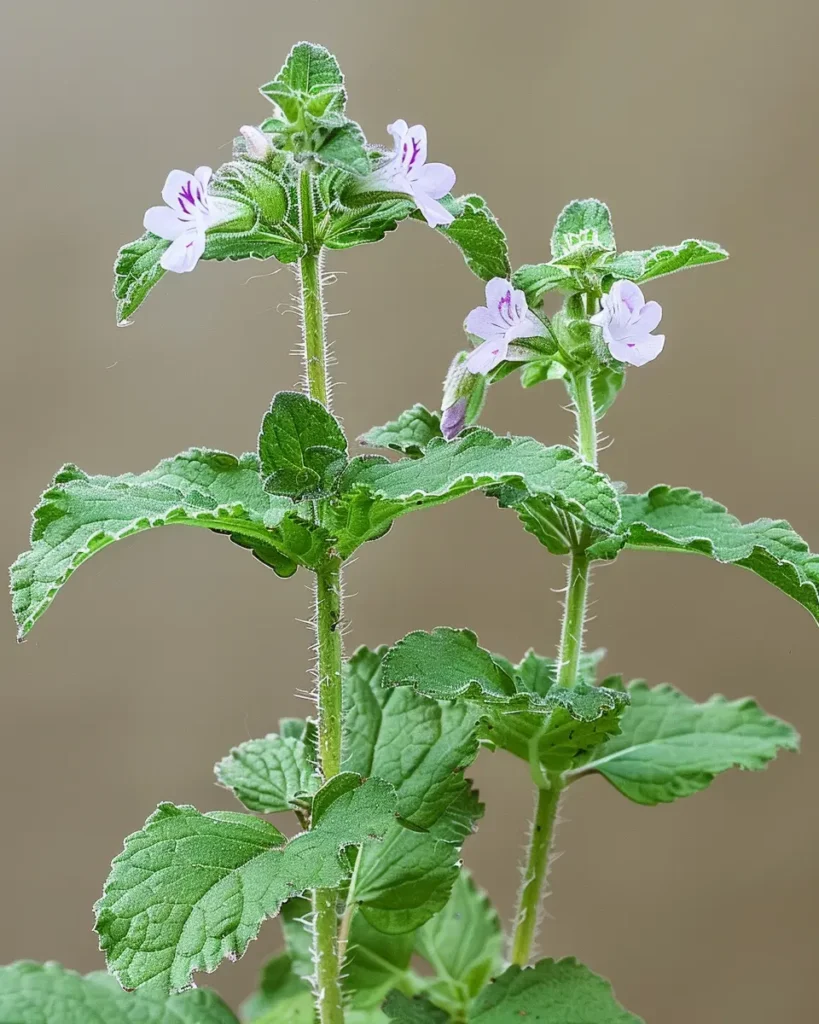
Catnip (Nepeta cataria)
Traditional Uses of Catnip
Nervous System Support: Catnip is traditionally used as a gentle nervine, especially when restlessness, tension, or difficulty settling are part of the wellness picture.
Digestive Comfort: Like many mint-family herbs, catnip has been used as a carminative to support gas, bloating, and post-meal comfort.
Children’s Herbal Traditions: Catnip tea has a history of use in gentle family herbalism, though children should only use herbs with appropriate adult and professional guidance.
Seasonal Comfort: Catnip has traditionally been used in warm teas during seasonal discomfort, often combined with elderflower, yarrow, peppermint, or lemon balm.
“Catnip is the herb that relaxes humans gently and makes cats question the laws of furniture.”
Available Catnip Products
Catnip Capsules — Capsules/Tablets
A concentrated dried-leaf supplement traditionally used to support calm and relaxation as part of a daily wellness routine.
Buy Catnip Capsules
Catnip Liquid Extract — Tincture/Liquid Extract
A fresh-plant tincture made from the flowering aerial tops, traditionally used for calming nervous system support and relaxation.
Buy Catnip Liquid Extract
Catnip Tea — Tea/Loose Herb
A caffeine-free herbal tea with a minty, citrusy flavor, traditionally sipped in the evening to promote relaxation, ease digestion, and support restful sleep.
Buy Catnip Tea
Catnip Dried Loose Herb — Raw/Dried Herb
Whole dried catnip leaves and flowers for brewing your own tea, making tinctures, or use in herbal blends.
Buy Catnip Dried Herb
⚠️ These are dietary supplements — not evaluated by the FDA for treating disease. Catnip has mild sedative properties for humans (the opposite effect it has on cats), so it may enhance the effects of other sedatives or alcohol. Not recommended during pregnancy as it may stimulate uterine contractions. Check with a healthcare provider before use, especially if combining with other calming herbs or medications.
Key Herbal Actions
Catnip is known as a nervine, carminative, antispasmodic, mild sedative, diaphoretic, aromatic digestive, mild bitter, and insect-repellent aromatic.
Nervine
A nervine is an herb traditionally used to support the nervous system. Catnip is considered a gentle nervine, often used when someone feels tense, unsettled, or overstimulated.
Carminative
Carminatives are herbs that support comfortable digestion and help the body release trapped gas. Catnip’s aromatic volatile oils explain why it is traditionally used after meals.
Antispasmodic
Antispasmodic herbs are traditionally used to ease patterns of tension or gripping in smooth muscle tissues. Catnip is often grouped with lemon balm, chamomile, fennel, and peppermint for gentle digestive comfort.
Mild Sedative
Catnip is traditionally described as mildly calming for humans. This does not mean it is a strong sleep medicine; it is more like a soft nudge toward relaxation.
Diaphoretic
Diaphoretic herbs are traditionally used to support the body’s natural sweating response. Catnip tea is sometimes used warm in seasonal formulas alongside elderflower, yarrow, ginger, or peppermint.
Aromatic Digestive
Aromatic digestives contain fragrant compounds that wake up the senses and support digestion. Catnip’s mint-family aroma makes it useful in simple after-meal tea blends.
Mild Bitter
Catnip has a mild bitter edge beneath its minty aroma. Bitter herbs are traditionally used to support appetite and digestive readiness.
Insect-Repellent Aromatic
Catnip contains nepetalactone, a compound studied for its insect-repellent activity. This is mainly relevant to catnip oil and plant chemistry, not a reason to rub homemade catnip tea all over your arms before a camping trip.
Active Compounds and Extraction
Catnip contains volatile oils, nepetalactone, iridoids, monoterpenes, sesquiterpenes, flavonoids, phenolic acids, tannins, rosmarinic acid, and small amounts of minerals.
Volatile Oils
Volatile oils are aromatic compounds responsible for catnip’s scent and much of its traditional digestive and calming use. Catnip’s essential oil content varies depending on plant genetics, growing conditions, harvest timing, and drying quality.
Best extraction: covered infusion, tincture, fresh herb use, and steam distillation.
To make catnip tea, use 1–2 teaspoons dried catnip per cup of hot water. Cover and steep for 10–15 minutes, then strain. Covering the cup helps preserve the aromatic oils that would otherwise float away with the steam.
Nepetalactone
Nepetalactone is the best-known compound in catnip and the main reason many cats respond so strongly to the plant. Research shows that nepetalactone and related iridoids are also involved in insect-repellent activity.
In humans, nepetalactone is not known to create the same playful feline response. Human use is traditionally calming and digestive, not euphoric.
Best extraction: tincture, essential oil, covered infusion, and fresh plant use.
A tincture can be made with dried catnip using about 1 part herb to 5 parts 40–50% alcohol. Let sit for 4–6 weeks, shake regularly, and strain.
Iridoids
Iridoids are plant compounds found in catnip and several other herbs. In catnip, nepetalactone belongs to this broader chemistry family.
Best extraction: tincture, essential oil, and covered infusion.
For a softer preparation, tea is usually preferred. For a broader aromatic extract, tincture may capture more of the volatile and semi-volatile compounds.
Monoterpenes and Sesquiterpenes
Catnip contains aromatic terpenes that contribute to its scent and activity. These compounds are common in mint-family herbs and are often linked to digestive comfort and aromatic relaxation.
Best extraction: covered infusion, tincture, fresh herb, and essential oil.
Avoid boiling catnip uncovered for long periods. A gentle covered steep is usually better than aggressive cooking.
Flavonoids
Flavonoids are plant compounds studied for antioxidant and tissue-supportive activity. In catnip, they work alongside aromatic compounds rather than being the main reason the herb is used.
Best extraction: tea, tincture, powder, and whole-herb use.
A standard infusion will extract many water-soluble flavonoids while keeping the herb easy to use.
Phenolic Acids and Rosmarinic Acid
Phenolic acids, including rosmarinic acid, are antioxidant compounds found in many mint-family herbs. Rosmarinic acid is also found in lemon balm, rosemary, sage, thyme, and peppermint.
Best extraction: hot water infusion, tincture, glycerite, and powder.
A covered hot infusion is a practical way to extract these compounds while preserving catnip’s aroma.
Tannins
Tannins give herbs a mild drying or puckering quality. Catnip is not as strongly astringent as herbs like oak bark or witch hazel, but tannins contribute to its overall profile.
Best extraction: hot water infusion and tincture.
A 10–15 minute infusion is usually enough. Very strong catnip tea may taste more bitter and drying.
Harvesting and Storing Right
Catnip is usually harvested just before or during early flowering, when the aerial parts are aromatic and lively. The best time of day is late morning after dew has dried but before the hottest sun has driven off too much volatile oil.
Cut the upper leaves, flowers, and tender stems. Avoid harvesting old woody stems or insect-damaged material.
Dry catnip quickly in a shaded, well-ventilated place. Heat should be gentle because aromatic herbs lose strength when overheated.
Once fully dry, store catnip in an airtight jar away from heat, light, and moisture. Dried catnip is best used within about 1 year, though its aroma may fade sooner.
Catnip powder loses freshness faster and is best used within 6–12 months. Tinctures made with adequate alcohol can keep for several years.
Fresh catnip can be used right away, refrigerated briefly, or dried for later use. Catnip toys for cats should be replaced when the scent fades.
Body Functions Catnip Can Support
Catnip can support Nervous system, Sleep, Digestion system, Respiratory system, Immune system, Dental oral, Skin, and Stress Support.
Nervous System
Catnip is traditionally used as a gentle nervine for humans. It is often chosen when someone feels tense, restless, or overstimulated and wants a mild, calming tea.
This does not make catnip a treatment for anxiety, insomnia, or neurological conditions. It is best understood as a soft nervous-system support herb.
Sleep
Catnip is often used in evening tea blends because of its gentle calming reputation. It pairs well with lemon balm, chamomile, passionflower, lavender, and skullcap.
It is not a strong sedative, and people respond differently. Sensitive people may find it relaxing, while others mostly notice its digestive benefits.
Digestion System
Catnip’s carminative and antispasmodic traditions make it useful after meals, especially when digestion feels tight, gassy, or unsettled. Its mint-family aroma supports this role.
Catnip is gentler than peppermint and often feels softer in tea blends. Still, people with reflux may want to test small amounts first.
Respiratory System
Catnip is sometimes included in warm seasonal teas because of its traditional diaphoretic and relaxing qualities. It is usually paired with herbs such as elderflower, yarrow, peppermint, ginger, or thyme.
This use is for comfort and traditional support, not treatment of respiratory illness. Serious or worsening symptoms need medical care.
Immune System
Catnip may support seasonal wellness indirectly through warm tea, fluids, gentle sweating traditions, and relaxation. This is more about helping the body feel supported than “boosting” immunity.
Its phenolic compounds and volatile oils contribute to general herbal activity. Claims should remain modest and educational.
Dental Oral
Catnip’s aromatic quality can freshen the mouth when used as a tea or gentle herbal rinse, though it is not a major oral-care herb. Its mild tannins may add a slightly toning quality.
It should not replace dental care, brushing, flossing, or professional treatment.
Skin
Catnip has a history of external folk use, and its aromatic compounds are studied partly because of insect-repellent activity. However, homemade catnip preparations should not be treated like proven skin treatments.
Catnip essential oil can irritate skin and should be diluted properly by trained users. For most people, tea or garden use is the safer place to start.
Stress Support
Catnip is often used when stress shows up as restlessness, digestive tension, or difficulty settling in the evening. This makes it a nice bridge between nervous system and digestive support.
It is not a substitute for sleep, therapy, medical care, or major life changes. But a warm cup of catnip tea can be a gentle ritual.
Safety and Practical Considerations
Catnip tea in moderate amounts is generally well tolerated by many adults. Strong preparations, large amounts, capsules, tinctures, and essential oil deserve more caution.
Catnip may cause drowsiness in some people, so avoid combining it casually with sedatives, alcohol, sleep medications, or anxiety medications without professional guidance. It may also upset sensitive stomachs in large amounts.
Pregnancy requires caution. Catnip has traditional use as an emmenagogue in some herbal sources, so medicinal amounts should be avoided during pregnancy unless guided by a qualified clinician.
Breastfeeding safety data are limited, so professional guidance is best. Children should only use catnip with appropriate guidance from a qualified pediatric clinician or experienced herbal professional.
People preparing for surgery should stop concentrated herbal products in advance according to clinician guidance, because sedative or medication-interaction concerns may apply.
Catnip essential oil should not be taken internally. It should be kept away from children and used cautiously around pets.
For cats, catnip is generally used as an enrichment herb, not a nutritional supplement. Some cats become playful, some become relaxed, some do not respond, and too much may cause vomiting or diarrhea.
FAQ
What does catnip taste like?
Catnip tastes minty, grassy, slightly bitter, and mildly lemony. It is softer than peppermint and less sweet than spearmint.
When is the best time to use catnip?
Catnip is often used in the evening or after meals. It may be helpful when someone wants a gentle tea for settling down or supporting digestion.
Is fresh or dried catnip better?
Fresh catnip has a brighter green aroma, while dried catnip is more convenient and shelf-stable. For tea, both can be used, but dried catnip is easier to measure and store.
Is catnip tea, tincture, or capsule better?
Tea is the most traditional and gentle form. Tincture is convenient, while capsules are practical but less aromatic and less pleasant for people who enjoy herbal tea rituals.
Can catnip be used daily?
Some people use catnip tea regularly for short periods. Long-term daily use should be approached thoughtfully, especially with medications, pregnancy, breastfeeding, children, or chronic health conditions.
How should catnip be stored?
Dried catnip should be stored in an airtight jar away from heat, light, and moisture. If it no longer smells aromatic, it has lost much of its herbal personality.
Does catnip combine well with other herbs?
Yes. Catnip combines well with lemon balm, chamomile, passionflower, skullcap, lavender, peppermint, fennel, ginger, elderflower, and yarrow.
Is catnip safe for everyone?
No. Catnip may not be appropriate during pregnancy, with sedative medications, before surgery, or for people who are very sensitive to mint-family herbs.
Why does catnip affect cats?
Catnip contains nepetalactone, which many cats detect through smell. About two-thirds of cats respond, often with rolling, rubbing, licking, playfulness, or relaxation, and the response is temporary.
Can catnip be used for pets?
Catnip can be used for many cats as enrichment, but it should be given in small amounts. Do not use catnip essential oil for pets unless directed by a veterinarian, and avoid forcing catnip on animals that dislike it.
Disclaimer
This content is educational only. It is not medical advice, diagnosis, or treatment. Herbs may interact with medications or health conditions. People who are pregnant, breastfeeding, managing a medical condition, taking prescription medications, or preparing for surgery should consult a qualified healthcare professional before using herbs.
References
USDA Plants Database: Nepeta cataria
North Carolina Extension Gardener Plant Toolbox: Nepeta cataria
PubMed: The Evolutionary Origins of the Cat Attractant Nepetalactone in Catnip
PubMed: Catnip and Silver Vine Plant Iridoids as Mosquito Defense for Cats
PubMed: Active and Passive Responses to Catnip in Cats
PubMed: Catnip Essential Oil and Nepetalactone Research
PubMed: Nepeta cataria Phytochemistry and Biological Activity