


Caraway is an aromatic seed from the parsley family, often recognized by its warm, slightly sweet, anise-like flavor. It is famous in rye bread, sauerkraut, soups, cheeses, liqueurs, and traditional digestive blends.
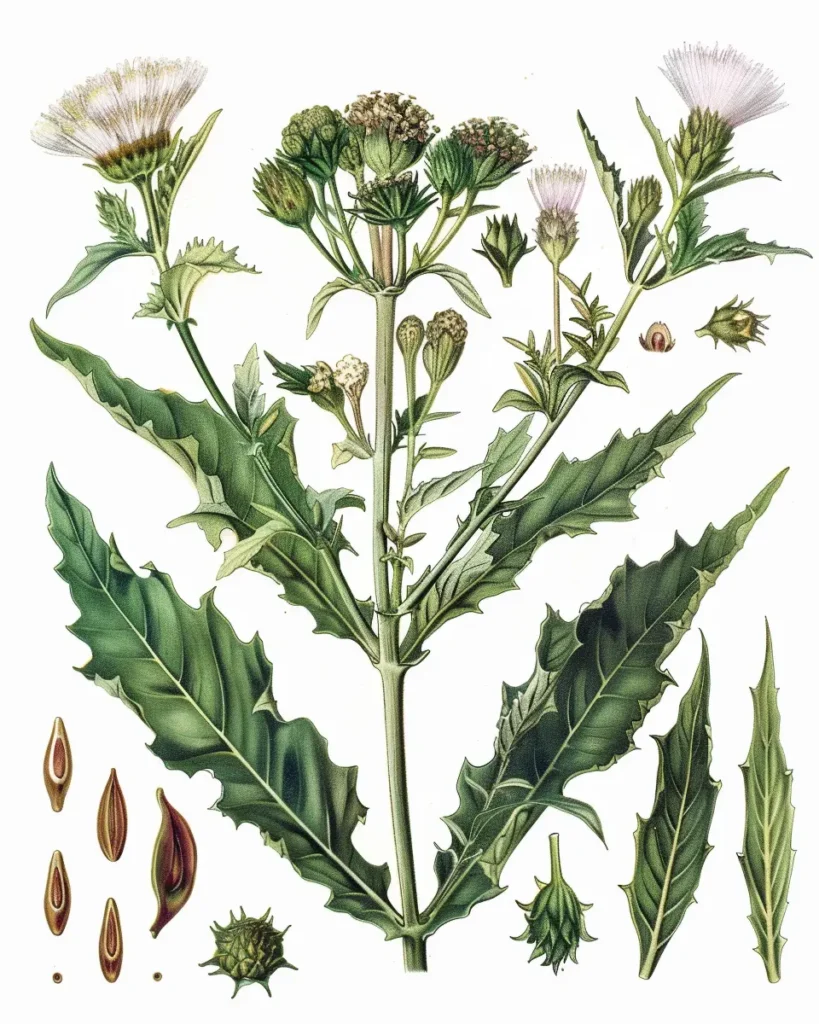
Caraway (Carum carvi)
Traditional Uses of Caraway
Digestion: Caraway is traditionally used as a carminative, meaning it supports comfortable digestion and helps reduce the feeling of trapped gas after meals.
Appetite Support: Its warm aroma and slightly bitter-spicy flavor have traditionally been used to awaken appetite and prepare the body for food.
Post-Meal Comfort: Caraway is commonly used after heavier meals, especially with cabbage, beans, potatoes, bread, and rich foods.
Mild Respiratory Freshness: Because of its aromatic oils, caraway has also been traditionally used in breath-freshening and soothing herbal preparations.
“Caraway is the little seed that makes bread wiser, cabbage friendlier, and digestion a bit more diplomatic.”
Available Caraway Products
Caraway Seed Capsules — Capsules/Tablets
A concentrated seed powder supplement traditionally used to relieve gas, bloating, and general digestive discomfort.
Buy Caraway Seed Capsules
Caraway Essential Oil — Essential Oil
A steam-distilled oil with a warm, spicy aroma, traditionally used internally in small amounts for digestive support or in aromatherapy for a calming effect.
Buy Caraway Essential Oil
Caraway Seed Tea — Tea Bags
An herbal tea made from caraway seeds, traditionally used after meals to support digestion, ease bloating, and relieve mild stomach spasms.
Buy Caraway Seed Tea
Caraway Seed Powder — Powder
Ground caraway seed used as a culinary spice for baking, rye bread, and cooking, with a distinctive earthy, anise-like flavor.
Buy Caraway Seed Powder
Whole Caraway Seeds — Raw/Whole Seed
Whole dried seeds for culinary use, brewing tea, or grinding fresh at home to maximize flavor and aroma.
Buy Whole Caraway Seeds
⚠️ These are dietary supplements/culinary products — not evaluated by the FDA for treating disease. Concentrated caraway (especially the essential oil) should be used cautiously and diluted before topical use; oral essential oil use is generally not recommended without professional guidance. Caraway may stimulate menstruation, so it’s generally not recommended in medicinal amounts during pregnancy. Check with a healthcare provider before use, especially in concentrated forms.
Key Herbal Actions
Caraway is known as a carminative, aromatic digestive, antispasmodic, digestive stimulant, warming spice, galactagogue, antimicrobial-supportive herb, and antioxidant.
Carminative
A carminative is an herb traditionally used to support the release of gas and ease digestive discomfort. Caraway fits this category beautifully because its volatile oils have a long history of use after meals.
Aromatic Digestive
Aromatic digestives contain fragrant compounds that stimulate the senses and support normal digestive secretions. Caraway’s warm, sweet-spicy smell is part of its herbal function, not just its kitchen charm.
Antispasmodic
Antispasmodic herbs are traditionally used to relax tension or gripping sensations in smooth muscle tissue. Caraway is often grouped with fennel, anise, dill, coriander, and cumin for this type of digestive support.
Digestive Stimulant
Caraway’s mild bitterness and strong aroma can help awaken appetite and prepare digestion. It is especially traditional with heavy foods such as rye bread, cabbage, potatoes, and rich stews.
Warming Spice
Warming herbs are used when digestion feels cold, slow, or heavy. Caraway warms gently, without the sharper heat of ginger, cayenne, or black pepper.
Galactagogue
Caraway has a traditional reputation as a galactagogue, meaning an herb used to support breast milk flow. Evidence is limited, and breastfeeding use should be guided by a qualified clinician.
Antimicrobial-Supportive Herb
Caraway essential oil and extracts have been studied in laboratory settings for antimicrobial activity. This does not mean caraway treats infections; it simply reflects the biological activity of its aromatic compounds.
Antioxidant
Caraway contains phenolic compounds and volatile oils studied for antioxidant activity. Like many aromatic seeds, it brings more than flavor to the table.
Active Compounds and Extraction
Caraway contains volatile oils, carvone, limonene, carveol, flavonoids, phenolic acids, tannins, fixed oils, fatty acids, protein, fiber, and minerals.
Volatile Oils
Caraway seeds contain aromatic volatile oils, commonly reported around 2–7% depending on variety, growing conditions, and storage. These oils give caraway its distinctive fragrance and are central to its carminative action.
Best extraction: covered hot-water infusion, short decoction, tincture, culinary use, and steam distillation.
To make caraway tea, lightly crush 1 teaspoon whole caraway seeds. Add 1 cup just-boiled water, cover, steep 10–15 minutes, then strain. Covering the cup helps keep the aromatic oils from escaping into the kitchen air.
Carvone
Carvone is one of the main aroma compounds in caraway seed essential oil. It gives caraway much of its classic warm, sweet, rye-bread-like scent.
Carvone is studied as a terpenoid compound and is also found in spearmint and dill, though different forms smell different to the human nose. In caraway, carvone supports the seed’s aromatic digestive character.
Best extraction: tincture, essential oil, covered infusion, and culinary use.
A tincture can be made with lightly crushed seeds using about 1 part seed to 5 parts 40–50% alcohol. Let it sit 4–6 weeks, shake regularly, then strain.
Limonene
Limonene is a terpene also found in citrus peels and several aromatic seeds. In caraway, it works alongside carvone to create a bright, warm, digestive aroma.
Best extraction: covered infusion, tincture, essential oil, and culinary use.
To preserve limonene and other volatile compounds, avoid boiling caraway tea uncovered for a long time. A covered steep is usually enough.
Carveol and Related Terpenes
Caraway contains related terpene compounds such as carveol, p-cymene, gamma-terpinene, beta-pinene, and linalool in smaller amounts. These compounds contribute to aroma and research interest around digestive and antimicrobial activity.
Best extraction: tincture, covered infusion, steam distillation, and cooking.
Lightly toasting caraway seeds for 30–60 seconds before cooking can deepen aroma. Do not burn them, because burned caraway turns bitter fast.
Flavonoids
Flavonoids are antioxidant plant compounds found in many herbs and seeds. In caraway, they support the broader antioxidant profile of the seed.
Best extraction: tea, tincture, powder, and whole-food use.
Using ground or whole caraway in food is one of the easiest ways to get these non-volatile compounds along with the aromatic oils.
Phenolic Acids
Phenolic acids are plant compounds associated with antioxidant activity. They are part of the reason caraway is studied beyond its role as a spice.
Best extraction: hot water, tincture, powder, and culinary use.
A warm infusion or food preparation captures some of these compounds. Whole-seed use provides the most complete plant material.
Fixed Oils and Fatty Acids
Caraway seeds contain fixed oils and fatty acids, which are different from essential oils. These are not as aromatic but contribute to the seed’s nutritional profile.
Best extraction: whole seed, powder, culinary use, and oil infusion.
A simple culinary caraway oil can be made by gently warming crushed seeds in olive oil over low heat, then straining. This is a food preparation, not an essential oil.
Fiber, Protein, and Minerals
Caraway seeds contain fiber, protein, and minerals such as iron, calcium, magnesium, zinc, and phosphorus. Typical serving sizes are small, so caraway is not a mineral supplement, but it can contribute small amounts to a varied diet.
Best extraction: whole seed, ground seed, powder, and food use.
Minerals and fiber are best obtained by eating the seed itself rather than relying only on strained tea.
Harvesting and Storing Right
Caraway is usually harvested when the seed heads turn brown and dry, but before the seeds scatter. The best harvest time is a dry morning after dew has evaporated.
Cut the seed heads and place them upside down in a paper bag or on a clean drying screen. Once fully dry, rub the seed heads gently to release the seeds.
Store whole caraway seeds in an airtight jar away from heat, light, and moisture. Whole seeds usually keep their aroma for 1–2 years.
Ground caraway loses strength faster and is best used within 6–12 months. If it no longer smells warm and lively when rubbed between your fingers, it has probably retired.
Caraway tinctures can keep for several years if made with adequate alcohol and stored in a cool, dark place. Caraway essential oil should be stored in dark glass, tightly closed, and kept away from children.
Body Functions Caraway Can Support
Caraway can support Digestion system, Respiratory system, Dental oral, Metabolism, Circulation, Energy and vitality, Reproductive system female, and Immune system.
Digestion System
Caraway’s strongest traditional role is digestive support. Its volatile oils, especially carvone and limonene, explain why it is commonly used for gas, bloating, and heavy-meal comfort.
Caraway is often used with cabbage, beans, rye, potatoes, and rich foods because these meals can feel heavy for many people. This is traditional digestive support, not treatment for digestive disease.
Respiratory System
Caraway’s aromatic oils give it a mild traditional role in respiratory and throat preparations. Aromatic seeds can feel warming and clearing when used in teas or lozenges.
Caraway is not a strong expectorant like thyme or elecampane. Its respiratory role is secondary to its digestive role.
Dental Oral
Caraway seeds have traditionally been chewed after meals to freshen the breath. Their aromatic oils create a clean, warm flavor in the mouth.
This does not replace brushing, flossing, or dental care. It is simply a traditional after-meal use.
Metabolism
Caraway is used mostly as a digestive spice, but its bitter-aromatic qualities connect it indirectly with metabolic wellness by supporting meal comfort and appetite rhythm. Some research explores caraway extracts and metabolic markers, but evidence is not strong enough for medical claims.
Used in food, caraway can be part of a spice-rich diet that supports flavorful, satisfying meals. That alone is not a small thing.
Circulation
As a warming spice, caraway is traditionally used when the body feels cold, slow, or heavy after meals. Warming herbs are often described as gently moving.
This does not mean caraway treats circulation problems. It simply reflects its traditional energetic profile.
Energy and Vitality
Caraway may support energy indirectly by helping meals feel easier to digest. When food sits heavily, people often feel sluggish.
Caraway is not a stimulant. It is better understood as a digestive helper that supports comfort after eating.
Reproductive System Female
Caraway has traditional use as a galactagogue in some cultures, meaning it has been used to support lactation. Evidence is limited, and breastfeeding people should seek professional guidance before using medicinal amounts.
Culinary amounts are different from supplement doses. Strong teas, extracts, or essential oil should be approached carefully during breastfeeding.
Immune System
Caraway contains aromatic oils and antioxidant compounds that contribute to general wellness. Essential oil and extracts have been studied in lab settings for antimicrobial activity.
This does not mean caraway prevents or treats infection. Its immune-related role is modest and supportive.
Safety and Practical Considerations
Caraway used in normal culinary amounts is generally well tolerated by most people. Strong teas, extracts, capsules, and essential oil are more concentrated and deserve more caution.
People allergic or sensitive to plants in the Apiaceae family should be careful. This family includes fennel, anise, dill, celery, carrot, parsley, coriander, and cumin.
Caraway may affect blood sugar, digestion, or medication metabolism in some people, especially in concentrated forms. People taking diabetes medications, blood thinners, sedatives, liver-metabolized drugs, or multiple prescriptions should ask a qualified healthcare professional before using supplements.
Pregnancy and breastfeeding require caution with medicinal amounts. Culinary use is generally different, but caraway essential oil and strong extracts should be avoided unless guided by a qualified clinician.
Caraway essential oil should not be taken internally without professional supervision. It is concentrated and can irritate skin or mucous membranes if used improperly.
Children, older adults, and sensitive individuals should use small amounts. Pet use should only be guided by a veterinarian, especially with essential oils or concentrated extracts.
FAQ
What does caraway taste like?
Caraway tastes warm, earthy, slightly sweet, sharp, and anise-like. It is famous for the flavor it gives rye bread.
When is the best time to use caraway?
Caraway is most often used with meals or after meals. It is especially useful in foods that tend to feel heavy, such as cabbage, beans, potatoes, cheese, and dense breads.
Is whole or ground caraway better?
Whole caraway keeps its aroma longer and can be crushed right before use. Ground caraway is convenient but loses freshness faster.
Is caraway tea, tincture, or capsule better?
Tea is simple, traditional, and easy to make at home. Tinctures and capsules are more convenient, but they may be stronger depending on the product.
Can caraway be used daily?
Caraway can be used daily as a culinary spice for most people. Daily supplement use should be approached more carefully, especially with medications or health conditions.
How should caraway be stored?
Store whole seeds in an airtight container away from heat, light, and moisture. Ground caraway should be used sooner because it loses aroma faster.
Does caraway combine well with other herbs?
Yes. Caraway combines well with fennel, anise, dill, coriander, cumin, ginger, peppermint, chamomile, thyme, and lemon balm.
Is caraway the same as cumin?
No. Caraway and cumin are related aromatic seeds from the Apiaceae family, but they are different plants with different flavors. Caraway is Carum carvi, while cumin is Cuminum cyminum.
Is caraway safe for everyone?
No herb is safe for everyone. People with Apiaceae allergies, pregnancy, breastfeeding, medication use, diabetes, liver conditions, or upcoming surgery should be cautious with concentrated forms.
Can caraway be used for pets?
Pet use should only be guided by a veterinarian. Essential oils and concentrated caraway products are not appropriate for casual pet use.
Disclaimer
This content is educational only. It is not medical advice, diagnosis, or treatment. Herbs may interact with medications or health conditions. People who are pregnant, breastfeeding, managing a medical condition, taking prescription medications, or preparing for surgery should consult a qualified healthcare professional before using herbs.
References
European Medicines Agency: Caraway Fruit Herbal Monograph
European Medicines Agency: Caraway Oil Herbal Monograph
PubMed: Carum carvi — A Review on Important Medicinal Plant
PubMed: Chemical Composition and Antimicrobial Activity of Carum carvi Essential Oil
PubMed: Caraway Oil and Functional Dyspepsia Research
PubMed: Carvone in Caraway Essential Oil