


Astragalus is a yellowish, slightly sweet root used for centuries in traditional Chinese medicine as a strengthening tonic. It is often sliced into long, pale pieces that look a little like wooden tongue depressors from an herbal apothecary — not glamorous, but very respected.
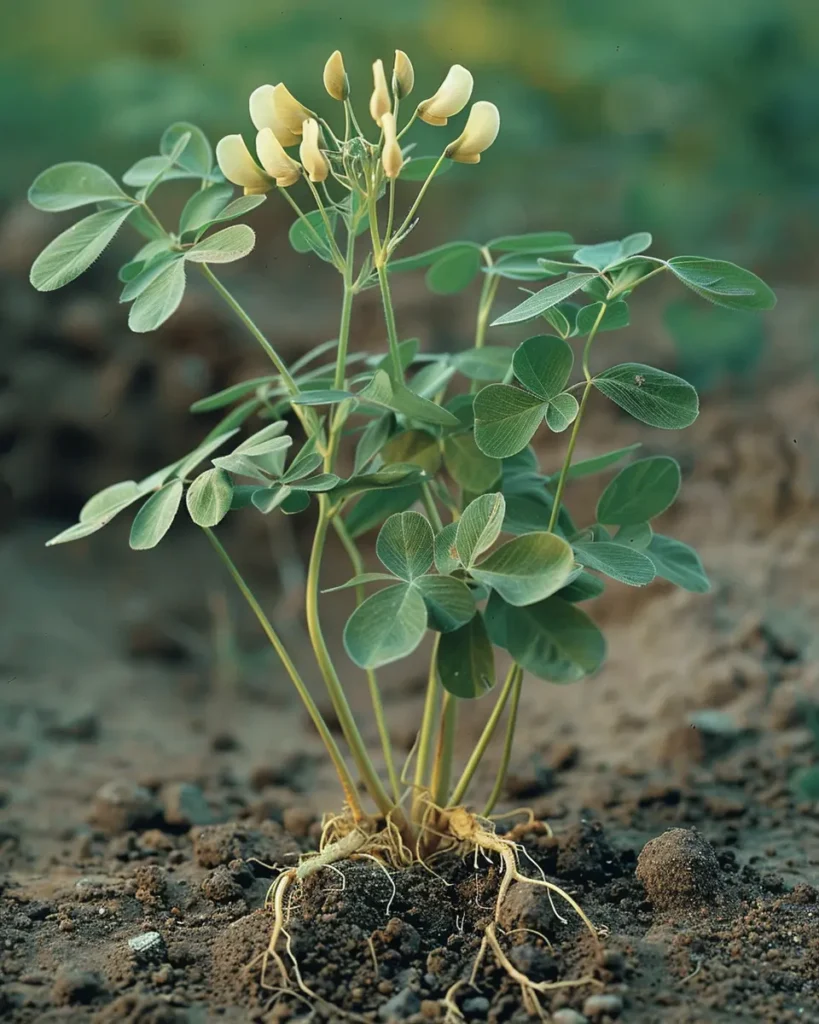
Astragalus (Astragalus membranaceus / Astragalus mongholicus)
Traditional Uses of Astragalus
Immune Resilience: Astragalus is traditionally used to support the body’s defenses during times of weakness, seasonal stress, or recovery.
Energy and Vitality: Herbalists often use astragalus as a strengthening root when someone feels depleted, tired, or run down.
Respiratory Support: In traditional Chinese medicine, astragalus is used to support lung qi and resilience during seasonal changes.
Digestive and Spleen Support: Astragalus is traditionally connected with digestive strength, nourishment, and the body’s ability to build energy from food.
“Astragalus is the herbal equivalent of steady boots, warm soup, and someone reminding you to pace yourself.”
Available Astragalus Products
Astragalus Root Capsules — Capsules/Tablets
A root extract supplement traditionally used in Traditional Chinese Medicine to support immune function and overall vitality.
Buy Astragalus Root Capsules
Astragalus Root Liquid Extract — Tincture/Liquid Extract
An alcohol-free liquid extract taken in drop form or added to juice or water, traditionally used for immune and energy support.
Buy Astragalus Root Liquid Extract
Astragalus Root Tea — Tea Bags
A caffeine-free herbal tea made from pure astragalus root, offering a mild, sweet flavor and a traditional way to support daily wellness.
Buy Astragalus Root Tea
Astragalus Root Powder — Powder
Finely ground root powder that can be mixed into smoothies, broths, or warm drinks as part of a daily wellness routine.
Buy Astragalus Root Powder
Astragalus Root Slices (Dried) — Raw/Dried Herb
Whole dried root slices traditionally simmered into soups, broths, and decoctions, or used to make homemade tea and tinctures.
Buy Astragalus Root Slices
⚠️ These are dietary supplements — not evaluated by the FDA for treating disease. Astragalus may interact with immunosuppressant medications and blood thinners, and is generally not recommended for people with autoimmune conditions or during pregnancy/nursing without medical guidance. Check with a healthcare provider before use.
Key Herbal Actions
Astragalus is known as an adaptogen, immune tonic, qi tonic, nutritive tonic, cardiotonic-supportive herb, hepatoprotective herb, antioxidant, anti-inflammatory-supportive herb, and mild diuretic.
Adaptogen
Adaptogens are herbs traditionally used to support resilience during stress. Astragalus is often used as a long-term strengthening tonic rather than a fast stimulant.
Immune Tonic
An immune tonic is traditionally used to support immune resilience over time. Astragalus is especially known for this role, though it should not be described as preventing or treating infections.
Qi Tonic
In traditional Chinese medicine, astragalus is considered a qi tonic, especially for the spleen and lung systems. In plain language, this means it is used when the body feels weak, depleted, or less resilient than usual.
Nutritive Tonic
Nutritive tonics support the body gradually through nourishment and steady use. Astragalus root contains polysaccharides, saponins, amino acids, minerals, and other compounds that fit this slow-building profile.
Cardiotonic-Supportive Herb
Astragalus has been studied for cardiovascular-related markers and circulation support. This does not mean it treats heart disease, but it helps explain its use in formulas for vitality and endurance.
Hepatoprotective Herb
Hepatoprotective herbs are traditionally understood to support liver function and liver-cell resilience. Astragalus compounds have been studied in liver-related research, mostly in preclinical and limited clinical contexts.
Antioxidant
Astragalus contains flavonoids, saponins, and polysaccharides that are studied for antioxidant activity. This supports its reputation as a long-term protective tonic.
Anti-Inflammatory-Supportive Herb
Astragalus has been studied for effects on inflammatory signaling. This should be framed cautiously as research interest, not as a treatment claim.
Mild Diuretic
Astragalus is traditionally used in some formulas related to fluid balance. Its mild diuretic reputation is secondary to its tonic and immune-supportive roles.
Active Compounds and Extraction
Astragalus contains polysaccharides, astragalosides, triterpene saponins, flavonoids, isoflavones, amino acids, trace minerals, sterols, and phenolic compounds.
Polysaccharides
Polysaccharides are complex carbohydrates that are central to astragalus research and traditional use. Astragalus polysaccharides are studied for immune-related activity and cellular signaling.
These compounds are water-soluble, which is why decoction is such an appropriate preparation.
Best extraction: decoction, soup, broth, long infusion, powder, and granules.
To make astragalus decoction, use 1 tablespoon sliced dried root per 2 cups water. Simmer gently for 20–30 minutes, strain, and drink as tea or use the liquid as broth.
Astragalosides
Astragalosides are triterpene saponins found in astragalus root. Astragaloside IV is one of the most studied marker compounds.
These compounds are researched for antioxidant, cardiovascular, liver, kidney, and cellular-aging pathways. Human evidence varies, so claims should remain careful.
Best extraction: alcohol-water tincture, standardized extract, decoction, and powder.
A tincture can be made with dried astragalus root using about 1 part herb to 5 parts liquid with 40–50% alcohol. Let sit for 4–6 weeks, shake regularly, then strain.
Triterpene Saponins
Saponins are plant compounds that can create a mild foaming quality in water. In astragalus, saponins contribute to the herb’s tonic and research profile.
Best extraction: decoction, tincture, extract, and powder.
Simmering the root helps extract saponins along with polysaccharides. This is one reason astragalus is often cooked rather than simply steeped.
Flavonoids
Flavonoids are antioxidant plant compounds found in many herbs. Astragalus contains flavonoids and isoflavones that contribute to its broader activity.
Best extraction: alcohol-water tincture, decoction, extract, and powder.
A hydroalcoholic preparation may capture a wider range of flavonoids than water alone, while whole powder keeps more of the complete root material.
Isoflavones
Isoflavones are a subgroup of flavonoids found in several legumes and related plants. Astragalus belongs to the pea family, so this compound group fits its botanical personality.
Best extraction: alcohol-water tincture, extract, and powder.
Isoflavones are one reason extracts can differ from simple tea. Still, decoction remains one of the most traditional ways to use the root.
Amino Acids and Minerals
Astragalus root contains small amounts of amino acids and minerals. These are not usually the main reason people use astragalus, but they support its profile as a nourishing root.
Best extraction: decoction, broth, soup, powder, and granules.
Food-style use is practical here. Add astragalus slices to soup while cooking, then remove the woody slices before serving.
Phenolic Compounds
Phenolic compounds contribute to astragalus’s antioxidant activity. They work together with saponins, flavonoids, and polysaccharides rather than acting alone.
Best extraction: decoction, tincture, extract, and powder.
A long simmer or alcohol-water extraction can both be appropriate depending on whether the goal is a traditional tonic tea or a broader concentrated extract.
Harvesting and Storing Right
Astragalus root is usually harvested from mature plants after several years of growth, often in autumn when energy has moved back into the root. Mature roots are preferred because they are larger and more developed.
The roots are cleaned, sliced, and dried thoroughly before storage. Proper drying is important because roots can mold if stored with hidden moisture.
Dried astragalus slices should be kept in an airtight container away from heat, moisture, and direct sunlight. When stored well, dried root usually keeps for about 1–2 years.
Astragalus powder should be used sooner, usually within 6–12 months, because powder loses freshness faster than whole or sliced root. Tinctures and extracts generally keep longer when stored in a cool, dark place.
Body Functions Astragalus Can Support
Astragalus can support Immune system, Energy and vitality, Respiratory system, Stress Support, Digestion system, Liver support, Circulation, Metabolism, Kidney and urinary system, Skin, and Brain.
Immune System
Astragalus is one of the classic immune-supportive tonic roots. Its polysaccharides are studied for immune-related signaling and general immune resilience.
This does not mean astragalus prevents illness or treats infections. It is better understood as a long-term supportive herb, often used before or between challenging seasons rather than during acute high-fever illness.
Energy and Vitality
Astragalus is traditionally used when the body feels weak, depleted, or slow to rebuild. It is not a stimulant like caffeine; it is more of a steady, strengthening root.
This makes it useful in tonic formulas where the goal is gradual support. Think less “energy drink” and more “good soup with a plan.”
Respiratory System
In traditional Chinese medicine, astragalus is closely connected with lung qi. Herbalists use it to support respiratory resilience, especially during seasonal changes.
It is not usually the first herb for acute congestion or thick mucus. It is more often used as a building and protective tonic.
Stress Support
Astragalus is often described as adaptogen-like because it supports resilience over time. It may be used when stress has left someone feeling depleted rather than wired.
Its polysaccharides, saponins, and antioxidant compounds help explain why it appears in long-term strengthening formulas. It should not be presented as a treatment for anxiety, burnout, or adrenal disease.
Digestion System
Astragalus is traditionally used as a spleen qi tonic, which in plain language connects it with digestive strength and nourishment. It is often cooked into soups and broths for this reason.
People with sluggish digestion may appreciate astragalus in warm food preparations. However, those with bloating or sensitivity should start with small amounts.
Liver Support
Astragalus has been studied for liver-related protective pathways, especially its polysaccharides and saponins. This supports its reputation as a protective tonic herb.
People with liver disease or those taking liver-metabolized medications should use professional guidance. Supportive does not mean harmless in every situation.
Circulation
Astragalus has been studied in relation to cardiovascular function and blood vessel health. Its antioxidant and saponin compounds may be relevant to circulation support.
This should be framed as general support, not treatment for heart disease, high blood pressure, or clotting disorders. Medication use matters.
Metabolism
Astragalus has research interest in blood sugar, insulin sensitivity, lipid metabolism, and cellular energy pathways. However, evidence varies and is not strong enough for simple treatment claims.
People taking diabetes medication should use caution with concentrated astragalus extracts. Culinary-style decoctions are generally milder than capsules or standardized extracts.
Kidney and Urinary System
Astragalus has been studied in kidney-related research, including diabetic kidney disease and chronic kidney disease contexts. Much of this research uses formulas, extracts, or clinical settings, so it should not be translated into home treatment claims.
People with kidney disease should not self-treat with astragalus. Professional guidance is important.
Skin
Astragalus may support skin wellness indirectly through immune, antioxidant, and tissue-resilience pathways. Traditional systems often connect skin health with digestion, immunity, and overall vitality.
It is not mainly used as a topical skin herb. Astragalus is usually taken internally as decoction, soup, powder, capsule, or extract.
Brain
Astragalus compounds have been studied for antioxidant and neuroprotective pathways, mostly in laboratory and animal research. In herbal practice, it may be included when fatigue, stress, and resilience affect mental clarity.
This does not mean astragalus treats cognitive decline or neurological disease. Its role is best described as tonic support.
Safety and Practical Considerations
Astragalus is generally well tolerated by many adults when used appropriately, especially as a decoction or food-style preparation. Concentrated extracts and capsules may be stronger and should be used more carefully.
People with autoimmune conditions should use astragalus only with professional guidance because of its immune-active reputation. This includes conditions such as lupus, rheumatoid arthritis, multiple sclerosis, inflammatory bowel disease, Hashimoto’s thyroiditis, and others.
Astragalus may interact with immunosuppressant medications, chemotherapy, transplant medications, lithium, blood pressure medications, diabetes medications, blood thinners, and diuretics. Anyone taking prescription medication should check with a qualified healthcare professional before regular use.
Astragalus is traditionally considered better for building resilience than for strong acute illness. Some herbalists avoid it during active fever, acute infection, or thick congestion unless it is part of a professionally designed formula.
Pregnancy and breastfeeding safety data are limited for supplement-level astragalus use. It should be used only with professional guidance during these times.
Children, older adults, and sensitive individuals should use smaller amounts and avoid strong extracts unless guided by a qualified practitioner. Pet use should only be guided by a veterinarian.
FAQ
What does astragalus taste like?
Astragalus tastes mildly sweet, earthy, and rooty. It is much gentler than bitter herbs and blends well into soups, broths, and mild teas.
When is the best time to use astragalus?
Astragalus is usually used as a long-term tonic rather than a quick remedy. Many people use it during seasonal transitions, recovery periods, or times of low vitality.
Is fresh or dried astragalus better?
Dried astragalus root is the most common and practical form. Fresh astragalus root is not widely available outside growing regions.
Is astragalus tea, tincture, or capsule better?
Decoction is very traditional and works well because astragalus polysaccharides extract in water. Capsules are convenient, while tinctures and extracts may provide a broader or more concentrated preparation.
Can astragalus be used daily?
Some people use astragalus daily for short periods or as part of a tonic routine. Long-term daily use should be discussed with a qualified professional, especially if medications or immune conditions are involved.
How should astragalus be stored?
Store dried root slices in an airtight container away from heat, light, and moisture. Powders should be used sooner than sliced root because they lose freshness faster.
Does astragalus combine well with other herbs?
Yes. Astragalus combines well with reishi, codonopsis, ginger, licorice, goji berry, schisandra, eleuthero, nettle, burdock, and medicinal mushrooms depending on the formula.
Is astragalus safe for everyone?
No. Astragalus may not be appropriate for people with autoimmune disease, transplant history, immune-suppressing medication use, pregnancy, breastfeeding, or complex medical conditions.
Is astragalus the same as milkvetch?
Astragalus is sometimes called milkvetch, but the Astragalus genus is very large and includes many species. Herbal astragalus usually refers to Astragalus membranaceus or Astragalus mongholicus root.
Can astragalus be used for pets?
Pet use should only be guided by a veterinarian. Human astragalus products may not be appropriate for animals, especially concentrated extracts or formulas with multiple herbs.
Disclaimer
This content is educational only. It is not medical advice, diagnosis, or treatment. Herbs may interact with medications or health conditions. People who are pregnant, breastfeeding, managing a medical condition, taking prescription medications, or preparing for surgery should consult a qualified healthcare professional before using herbs.
References
Memorial Sloan Kettering Cancer Center: Astragalus
PubMed: Astragalus membranaceus Review
PubMed: Astragalus Polysaccharides and Immunomodulatory Activity
PubMed: Astragaloside IV Pharmacology Review
PubMed: Astragalus and Chronic Kidney Disease Review