


Cumin is a small, aromatic seed from the parsley family, famous in kitchens from India to Mexico, the Middle East, North Africa, and the Mediterranean. In herbal tradition, cumin is best known as a warming digestive spice — the kind of seed that makes a heavy meal feel a little less like a personal challenge.
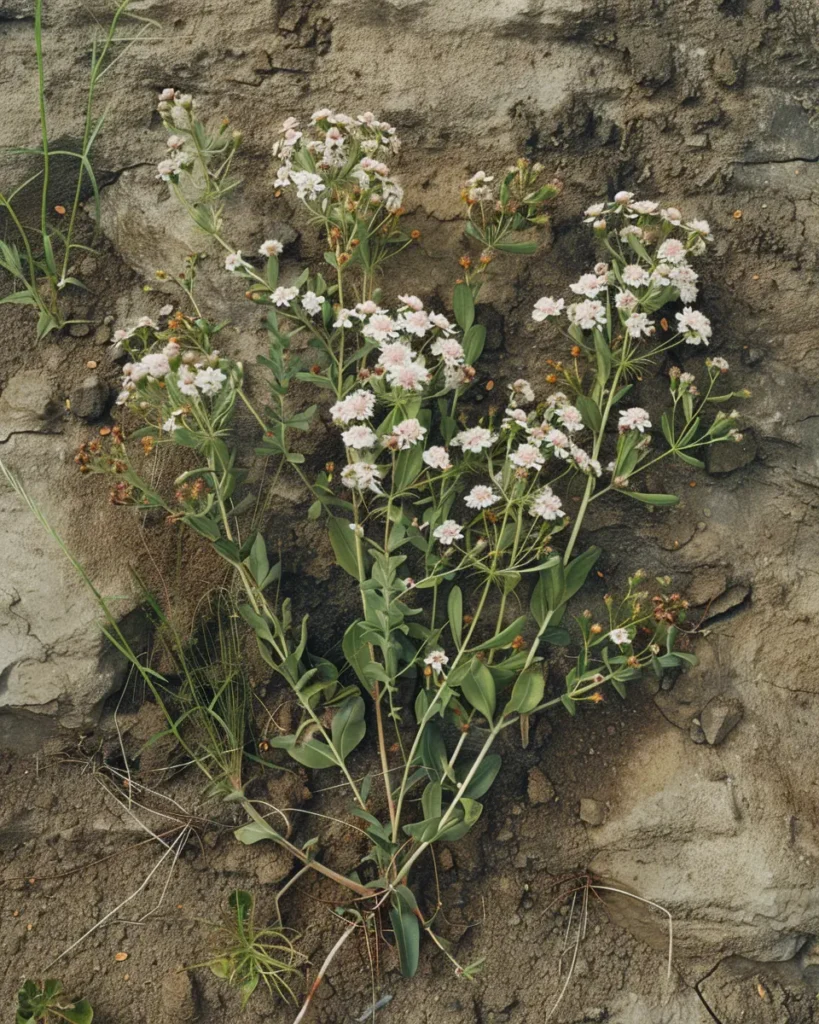
Cumin (Cuminum cyminum)
Traditional Uses of Cumin
Digestion: Cumin is traditionally used as a carminative, meaning it helps support comfortable digestion after meals, especially when gas, heaviness, or bloating are part of the picture.
Appetite & Food Enjoyment: Its warm, earthy aroma has long been used to awaken the senses and support appetite before or during meals.
Metabolic Wellness: Cumin seeds contain aromatic oils, phenolic compounds, and minerals that have made them a subject of modern research related to healthy metabolic function.
Circulation & Warmth: In traditional herbal thinking, cumin is considered warming and moving, making it a common spice for cold, heavy, or sluggish digestion.
“Cumin is the little seed that walks into dinner and quietly makes everything warmer, deeper, and easier to enjoy.”
Available Cumin Products
Cumin Seed Capsules — Capsules/Tablets
A dried-seed powder supplement traditionally used in Ayurveda to support digestion, healthy blood sugar, and metabolism.
Buy Cumin Seed Capsules
Cumin Seed Essential Oil — Essential Oil
A steam-distilled oil with a warm, spicy aroma, used in aromatherapy, diffusers, and diluted topical or massage oil blends.
Buy Cumin Seed Essential Oil
Cumin Powder — Powder
Ground cumin seed, a staple culinary spice used in curries, chilis, and spice blends, also used as a traditional digestive aid.
Buy Cumin Powder
Whole Cumin Seeds — Raw/Whole Seed
Whole dried seeds for toasting, tempering in oil, or grinding fresh at home for maximum flavor and aroma.
Buy Whole Cumin Seeds
⚠️ These are dietary supplements/culinary products — not evaluated by the FDA for treating disease. Cumin essential oil is potent, can cause photosensitivity, and should never be taken internally or used undiluted on skin. Cumin (in supplement doses) may lower blood sugar and interact with diabetes medications or blood thinners. Those with allergies to related plants (parsley, celery, caraway) should use caution. Check with a healthcare provider before use, especially if pregnant, nursing, or on medication.
Key Herbal Actions
Cumin is known as a carminative, aromatic digestive, digestive stimulant, antispasmodic, warming spice, antioxidant, and nutritive seed.
Carminative
A carminative is an herb or spice traditionally used to support the release of gas and digestive discomfort. Cumin fits this category well because of its aromatic volatile oils and long culinary use after or within meals.
Aromatic Digestive
Aromatic digestives contain fragrant compounds that stimulate the senses and support digestive secretions. Cumin’s smell alone can make the stomach pay attention — politely, of course.
Digestive Stimulant
Digestive stimulants are traditionally used to wake up sluggish digestion and support appetite. Cumin’s warm, bitter-spicy taste makes it useful in spice blends designed for heavier foods.
Antispasmodic
Antispasmodic herbs are traditionally understood to help ease tension or cramping patterns in smooth muscle tissues. Cumin is often grouped with fennel, anise, coriander, and caraway as a gentle aromatic seed for digestive comfort.
Warming Spice
Warming herbs are used when digestion feels cold, slow, or heavy. Cumin brings warmth without the sharp heat of cayenne or black pepper.
Antioxidant
Cumin contains phenolic compounds, flavonoids, and volatile oil constituents that have been studied for antioxidant activity. This does not make cumin a miracle herb, but it does help explain why deeply aromatic spices can be more than just flavor.
Nutritive Seed
Cumin seeds provide minerals, including iron, manganese, magnesium, and calcium in measurable amounts. In normal culinary portions, cumin is not a full mineral supplement, but it can contribute small amounts of nutrients as part of a varied diet.
Active Compounds and Extraction
Cumin contains volatile oils, cuminaldehyde, gamma-terpinene, p-cymene, beta-pinene, terpenes, flavonoids, phenolic acids, tannins, fatty acids, protein, fiber, and minerals.
Volatile Oils
Volatile oils are aromatic compounds responsible for cumin’s strong smell and flavor. Cumin seed commonly contains about 2–5% essential oil, depending on origin, growing conditions, and storage.
These oils are traditionally connected with cumin’s carminative and aromatic digestive actions. They are best captured when the seeds are lightly crushed shortly before use.
Best extraction: infusion, short decoction, tincture, culinary oil infusion, and steam distillation.
To make cumin tea, lightly crush 1 teaspoon of whole cumin seeds. Add 1 cup hot water, cover, and steep for 10–15 minutes. Covering the cup matters because aromatic oils can escape with steam.
Cuminaldehyde
Cuminaldehyde is one of the main aroma compounds in cumin seed and gives cumin much of its characteristic warm, earthy fragrance. It is studied in laboratory research for biological activity, but kitchen and tea use should be described gently as traditional support, not treatment.
Best extraction: alcohol-water tincture, essential oil, and covered hot-water infusion.
A simple tincture can be made with lightly crushed cumin seeds and 40–50% alcohol. Use about 1 part seed to 5 parts alcohol by weight, let it sit for 4–6 weeks, shake regularly, then strain.
Terpenes
Cumin contains terpenes such as gamma-terpinene, p-cymene, beta-pinene, and related aromatic compounds. Terpenes are common in many aromatic herbs and contribute to scent, flavor, and digestive stimulation.
Best extraction: covered infusion, tincture, culinary use, and essential oil.
For food use, gently toast whole cumin seeds in a dry pan for 30–60 seconds until fragrant. Avoid burning them, because burnt cumin turns bitter fast and does not forgive easily.
Flavonoids
Flavonoids are plant compounds studied for antioxidant activity and general cellular support. In cumin, flavonoids work alongside phenolic acids and volatile oils rather than standing alone as the “main character.”
Best extraction: tea, tincture, powder, and whole-food use.
Ground cumin in food is a practical way to consume flavonoids and other non-volatile compounds. Store it well, because powdered spices lose quality faster than whole seeds.
Phenolic Acids
Phenolic acids are antioxidant plant compounds found in many herbs, fruits, seeds, and spices. In cumin, they add to the seed’s broader antioxidant profile.
Best extraction: water, alcohol-water tincture, powder, and culinary use.
A warm infusion or simmered seed tea can extract some phenolic compounds, while powdered cumin used in food keeps the whole seed matrix intact.
Fixed Oils and Fatty Acids
Cumin seeds contain non-volatile fixed oils and fatty acids. These are different from essential oils and are not responsible for cumin’s strong aroma.
Best extraction: whole seed, powder, food use, and oil-based preparations.
Cumin seed can be infused into culinary oil for flavor. Warm the seeds gently in oil over low heat, then strain. This is a food preparation, not a concentrated medicinal extract.
Minerals
Cumin seeds contain minerals such as iron, manganese, magnesium, calcium, phosphorus, and zinc. A 100 g amount of cumin seed is nutritionally dense, but typical serving sizes are much smaller, often around 1–2 teaspoons.
Best extraction: whole seed powder, food use, and long infusions.
Minerals are best accessed by eating the seed itself as powder or spice rather than relying only on a strained tea.
Harvesting and Storing Right
Cumin is an annual plant usually harvested when the seed heads turn brown and dry on the plant. The best time to harvest is on a dry morning after dew has evaporated, because moisture can encourage mold during storage.
After harvest, the seed heads are dried further in a well-ventilated, shaded place. Once fully dry, the seeds are rubbed free, cleaned, and stored in airtight containers.
Whole cumin seeds keep their aroma longer than ground cumin. Whole seeds usually stay flavorful for 1–2 years, while ground cumin is best used within 6–12 months.
Store cumin away from heat, sunlight, and moisture. A cool pantry is better than the cabinet directly above the stove, which is basically a tiny sauna for spices.
Cumin essential oil should be stored tightly closed in a dark glass bottle, away from heat and children. It should be treated as a concentrated product, not a kitchen spice.
Body Functions Cumin Can Support
Cumin can support Digestion system, Metabolism, Circulation, Energy and vitality, Immune system, Liver support, and Dental oral.
Digestion System
Cumin’s strongest traditional role is digestive support. Its volatile oils and warm aromatic taste make it a classic carminative seed used with beans, lentils, meats, grains, and other heavier foods.
Cumin may support digestive comfort by encouraging appetite, digestive secretions, and normal movement of gas. This is traditional support, not a treatment for digestive disease.
Metabolism
Cumin has been studied in relation to metabolic markers such as blood sugar, cholesterol, and body weight, but evidence varies by preparation and study design. The most responsible way to describe cumin is as a spice with interesting research, not as a metabolic treatment.
Its phenolic compounds, aromatic oils, and fiber may all contribute to its food-based wellness value. Concentrated extracts should be used more cautiously than culinary amounts.
Circulation
Traditional herbal systems often describe cumin as warming and moving. In practical language, this means it is commonly used in meals and teas when the body feels cold, heavy, or sluggish.
Cumin also contains antioxidant compounds that may support general vascular wellness as part of a balanced diet. It should not be used as a replacement for medical care for circulatory conditions.
Energy and Vitality
Cumin may support energy indirectly by helping make meals more digestible and enjoyable. When digestion feels heavy, a warming spice can make food feel less burdensome.
This is not the same as stimulant energy. Cumin is more like a kitchen ally that helps the meal “land” better.
Immune System
Cumin contains aromatic oils and antioxidant compounds that contribute to general immune-supportive nutrition. Spices like cumin can be part of a varied, plant-rich diet that supports resilience.
It should not be presented as an infection-fighting herb or immune booster. Its role is more supportive and food-based.
Liver Support
Cumin has a traditional connection to digestion and bile-related food processing, especially in spice blends for rich meals. Bitter-aromatic spices are often used to support the body’s normal digestive flow.
Modern research has explored cumin and liver-related markers, but human evidence is not strong enough for medical claims. Cumin is best used as a culinary digestive spice.
Dental Oral
Cumin seeds have been traditionally chewed in some cultures to freshen the breath after meals. Their aromatic oils create a warming, spicy flavor in the mouth.
This does not replace brushing, flossing, dental care, or treatment for oral conditions. It is simply a traditional aromatic use of the seed.
Safety and Practical Considerations
Cumin used in normal food amounts is generally well tolerated by most people. Concentrated cumin extracts, capsules, and essential oil are stronger and deserve more caution.
People who are allergic to plants in the Apiaceae family, such as celery, carrot, parsley, coriander, fennel, anise, or caraway, should be cautious with cumin. Spice allergies are not common for everyone, but they can happen.
Cumin may affect blood sugar or blood clotting in some research contexts, so people taking diabetes medication, blood thinners, or preparing for surgery should ask a qualified healthcare professional before using concentrated cumin products.
Pregnancy and breastfeeding generally allow normal culinary use of cumin, but medicinal amounts, extracts, and essential oil should be avoided unless guided by a qualified professional.
Cumin essential oil should not be taken internally without professional supervision. It is concentrated, potentially irritating, and not appropriate for casual home use, especially with children, pets, pregnancy, or sensitive skin.
Children, older adults, and sensitive individuals should start with small food amounts. For pets, cumin should only be used with veterinary guidance, especially in supplement or essential oil form.
FAQ
What does cumin taste like?
Cumin tastes warm, earthy, slightly bitter, nutty, and gently peppery. Toasting the seeds makes the flavor deeper and more aromatic.
When is the best time to use cumin?
Cumin is most commonly used with meals or after meals. It is especially useful in cooking heavier foods such as beans, lentils, meats, roasted vegetables, and grains.
Is whole cumin or ground cumin better?
Whole cumin keeps its aroma longer and can be toasted before use. Ground cumin is more convenient but loses freshness faster, so it is best bought in smaller amounts.
Is cumin tea, tincture, or capsule better?
Cumin tea is simple, traditional, and easy to make at home. Capsules and tinctures are more concentrated or convenient, but they should be chosen carefully and used according to label directions or professional guidance.
Can cumin be used daily?
Cumin can be used daily as a culinary spice for most people. Daily concentrated supplement use is different and should be approached with more caution, especially if medications are involved.
How should cumin be stored?
Store cumin in an airtight container away from light, heat, and moisture. Whole seeds usually stay fresh longer than powder.
Does cumin combine well with other herbs?
Yes. Cumin combines well with coriander, fennel, ginger, turmeric, black pepper, cardamom, cinnamon, oregano, and mint depending on the preparation.
Is cumin the same as black cumin?
No. Common cumin is Cuminum cyminum, while black cumin usually refers to Nigella sativa. They are different plants with different chemistry and uses.
Is cumin safe for everyone?
Culinary amounts are generally well tolerated, but cumin is not suitable for everyone in concentrated forms. People with allergies, medical conditions, medication use, pregnancy, breastfeeding, or upcoming surgery should use caution.
Can cumin be used for pets?
Cumin should only be used for pets with veterinary guidance. Essential oil and concentrated supplements are especially inappropriate for casual pet use.
Disclaimer
This content is educational only. It is not medical advice, diagnosis, or treatment. Herbs may interact with medications or health conditions. People who are pregnant, breastfeeding, managing a medical condition, taking prescription medications, or preparing for surgery should consult a qualified healthcare professional before using herbs.
References
PubMed: Chemical Composition and Biological Activity of Cuminum cyminum L. Essential Oil
PubMed: Cuminum cyminum and Carum carvi Essential Oils
PubMed: Cuminaldehyde from Cuminum cyminum Seeds
PubMed: Cumin Supplementation and Metabolic Markers
PubMed: Effect of Cuminum cyminum on Weight and Metabolic Profiles