


Oat straw is the dried green stem and leaf of the oat plant, harvested before the grain fully matures. It is different from oatmeal, oat bran, and milky oat tops, though all come from the same generous plant.
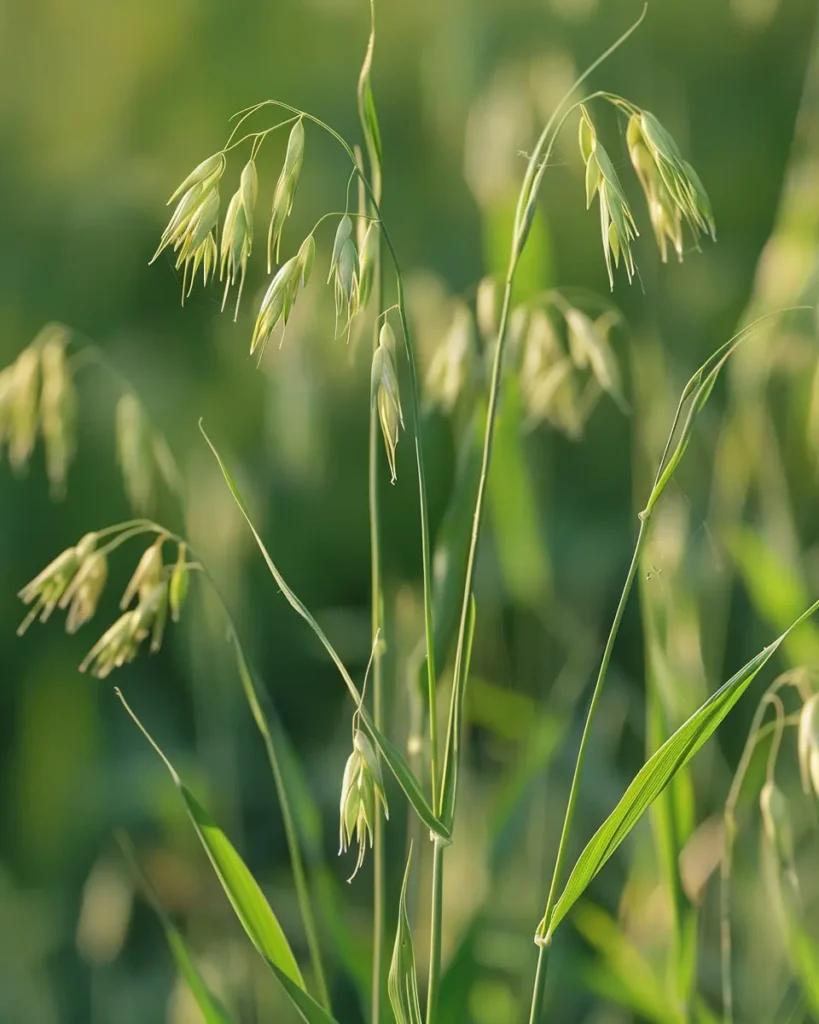
Oat Straw (Avena sativa)
Traditional Uses of Oat Straw
Nervous System Support: Oat straw is traditionally used as a nourishing nervine, meaning it supports the nervous system gently over time. It is often chosen when someone feels depleted, tense, or mentally worn thin.
Stress Support: Herbalists often use oat straw when stress has been long-lasting and the body needs rebuilding rather than pushing. It is not flashy, but that is part of its charm.
Mineral Nourishment: Oat straw is valued as a mineral-rich infusion herb, traditionally used for bones, connective tissue, hair, nails, and general vitality.
Skin Comfort: Oat preparations have a long history of external use for dry, itchy, or irritated skin, especially in bath and wash preparations.
“Oat straw feeds the nerves the way rain feeds a quiet field: slowly, deeply, and without drama.”
Available Oat Straw Products
Dried Oat Straw
Dried oat straw is the most common herbal form. It is usually used for long infusions, teas, baths, and mineral-rich blends.
Oat Straw Tea
Oat straw tea can be made as a quick infusion, but many herbalists prefer a longer steep to extract more minerals. The taste is mild, grassy, slightly sweet, and hay-like.
Oat Straw Long Infusion
A long infusion is one of the best traditional preparations for oat straw. It uses more herb and more time than ordinary tea, making it especially suitable for mineral extraction.
Oat Straw Tincture
Oat straw tincture is a liquid extract made with alcohol and water. It is convenient, though water-based preparations are generally preferred when the goal is mineral-rich nourishment.
Oat Straw Capsules
Capsules may contain powdered oat straw or green oat herb. They are convenient but do not provide the same hydrating, mineral-infused quality as a long infusion.
Oat Straw Powder
Oat straw powder may be used in capsules, smoothies, or formulas. Because powders lose freshness faster, smaller quantities are usually better.
Oat Straw Bath
Oat straw may be added to baths or washes for skin comfort. It is often combined with oat grain, calendula, chamomile, or lavender for gentle topical support.
Green Oat Herb Extract
Green oat herb extract may be made from above-ground oat parts harvested before maturity. Some standardized green oat extracts have been studied for cognitive function and stress response, though this is not exactly the same as a simple oat straw tea.
Key Herbal Actions
Oat straw is known as a nutritive, nervine tonic, trophorestorative, demulcent, mineral tonic, antioxidant, vulnerary, mild antispasmodic, and restorative tonic.
Nutritive
A nutritive herb offers food-like nourishment over time. Oat straw is traditionally valued for minerals and plant nutrients that support general vitality.
Nervine Tonic
A nervine tonic supports the nervous system gently and gradually. Oat straw is often chosen for people who feel tense, depleted, or frayed by long-term stress.
Trophorestorative
A trophorestorative herb is traditionally used to nourish and restore a specific tissue or system. Oat straw is considered a trophorestorative for the nervous system.
Demulcent
A demulcent herb has softening, soothing qualities. Oat preparations contain soluble fibers and mucilage-like compounds that explain their gentle, moistening reputation.
Mineral Tonic
A mineral tonic provides minerals that support structural and metabolic functions. Oat straw is traditionally associated with calcium, magnesium, silica, and trace minerals, though exact content varies by soil and harvest.
Antioxidant
Oat straw and related green oat preparations contain polyphenols, flavonoids, and avenanthramides. These compounds are studied for antioxidant activity.
Vulnerary
A vulnerary herb traditionally supports skin and tissue comfort. Oat preparations have long been used externally in baths, washes, and poultices.
Mild Antispasmodic
A mild antispasmodic traditionally supports relaxation of tension and spasmodic patterns. Oat straw is gentle in this role and is often blended with stronger calming herbs.
Restorative Tonic
A restorative tonic is used steadily over time to rebuild strength. Oat straw is not dramatic; it is more like daily maintenance for the body’s quieter systems.
Active Compounds and Extraction
Oat straw contains minerals, silica, flavonoids, avenanthramides, phenolic acids, saponins, beta-glucans, mucilage-like soluble fibers, proteins, and trace nutrients.
Minerals
Oat straw is traditionally valued for minerals such as calcium, magnesium, potassium, phosphorus, and trace minerals. Exact mineral levels vary depending on soil, growing conditions, and harvest timing.
Best extraction: long hot infusion.
To make oat straw infusion, place about 1 ounce dried oat straw in a quart jar, cover with just-boiled water, cap loosely, steep 4–8 hours, then strain. This long steep is more useful for minerals than a quick tea.
Silica
Silica is a trace mineral-like compound traditionally associated with connective tissue, hair, skin, nails, and bones. Oat straw is often used in herbal formulas where mineral and connective tissue support are desired.
Best extraction: long infusion or decoction.
For a stronger preparation, simmer oat straw gently for 10–15 minutes, then let it steep covered for several hours before straining.
Flavonoids
Flavonoids are antioxidant plant compounds found in the green parts of oats. They contribute to the plant’s general antioxidant and nervous-system-supportive profile.
Best extraction: hot water or alcohol-water extract.
A standard tea extracts some flavonoids, while a tincture may pull a broader range of compounds. For everyday use, infusion is usually the simplest choice.
Avenanthramides
Avenanthramides are antioxidant polyphenols unique to oats. They are especially studied in oat grain and green oat preparations for antioxidant and inflammation-modulating activity.
Best extraction: water-based preparations and food use.
Oat foods and green oat extracts are better documented sources. Oat straw tea may contribute some related polyphenols, though it should not be treated as a standardized avenanthramide supplement.
Phenolic Acids
Phenolic acids are plant antioxidants found in many herbs and foods. In oats, they add to the overall protective polyphenol profile.
Best extraction: hot water, tincture, or food use.
A long infusion is practical for oat straw because it captures water-soluble compounds while also drawing out minerals.
Saponins
Oats contain triterpene saponins, including avenacosides. These compounds are studied in green oat extracts and may contribute to the plant’s nervous-system and stress-supportive reputation.
Best extraction: alcohol-water extract or long infusion.
A tincture may be more complete for some saponins, while a long infusion remains the classic traditional preparation.
Beta-Glucans
Beta-glucans are soluble fibers best known from oat grain and oat bran. They are strongly associated with cholesterol and blood sugar response when consumed as oat foods, but oat straw is not the main beta-glucan source.
Best extraction: food use from oat grain, oat bran, or oatmeal.
For beta-glucan benefits, oatmeal and oat bran are better choices than oat straw tea. Oat straw’s main herbal strength is mineral and nervous-system support.
Mucilage-Like Soluble Fibers
Oat preparations have a gentle softening quality due to soluble fibers and starch-like compounds. This is especially noticeable in oat baths and long infusions.
Best extraction: hot water.
A long infusion captures the soft, slightly silky quality of oat straw. For external use, the strained infusion can be added to a bath or used as a skin rinse.
Proteins and Trace Nutrients
Oat straw contains small amounts of proteins and trace nutrients. These contribute to its nutritive character but are not present in the same food-level amounts as mature oat grain.
Best extraction: infusion or food use.
For meaningful protein and calories, use oat foods. For gentle herbal nourishment, use oat straw infusion.
Harvesting and Storing Right
Oat straw is harvested while the plant is still green, before the grain fully hardens. The best stage is usually after flowering and before full seed maturity, when the stems and leaves still carry vitality and color.
Harvest on a dry morning after dew has evaporated. Cut the upper stems and leaves from clean, unsprayed plants, then dry them quickly in a shaded, airy place.
Properly dried oat straw should stay greenish and smell fresh, grassy, and sweet. Store it in an airtight container away from heat, light, and moisture. Dried oat straw is usually best within 1 year. Powdered oat straw is best used within 6 months. Prepared infusions should be refrigerated and used within 24–48 hours.
Body Functions Oat Straw can Support
Oat straw can support the nervous system, stress support, sleep, adrenal, energy and vitality, skin, spine and bones, muscles and joint, brain, digestion system, metabolism, circulation, and reproductive system female.
Nervous System
Oat straw is traditionally used as a nourishing nervous-system tonic. It is especially valued when the nerves feel thin, overused, or easily irritated from long-term stress.
Stress Support
Oat straw supports stress resilience in a slow, restorative way. It does not force energy; it helps rebuild the foundation underneath it.
Sleep
Oat straw is not a strong sedative, but it may support sleep rhythm indirectly by nourishing the nervous system. It combines well with calming herbs such as skullcap, passionflower, lemon balm, or chamomile.
Adrenal
In herbal language, oat straw is often used when someone feels “burned out” or depleted. It does not repair adrenal glands, but it can support the body’s overall nourishment during stressful seasons.
Energy and Vitality
Oat straw supports steady vitality rather than quick stimulation. Its mineral-rich nature makes it a classic herb for rebuilding over time.
Skin
Oat preparations are well known for soothing dry, itchy, or irritated skin externally. Oat straw infusion can be used in baths or washes, while colloidal oatmeal has stronger research and regulatory support for topical skin use.
Spine and Bones
Oat straw is traditionally valued for minerals such as calcium, magnesium, and silica-related compounds. Herbalists often include it in formulas for bones, connective tissue, hair, nails, and structural resilience.
Muscles and Joint
Minerals such as magnesium and calcium are important for normal muscle function. Oat straw is not a pain herb, but it may support muscles and joints through its nutritive mineral profile.
Brain
Green oat extracts have been studied for attention, memory, and cognitive performance in healthy adults. Oat straw is not identical to standardized green oat extract, but it belongs to the same plant tradition of nervous-system support.
Digestion System
Oat straw infusion is mild and generally gentle on digestion. Oat grain and oat bran are stronger choices for digestive fiber, while oat straw is more of a mineral and nervine herb.
Metabolism
Oat grain beta-glucans have well-studied effects on cholesterol and blood sugar response. Oat straw does not provide the same fiber dose, but it fits into the broader oat family of nourishing metabolic-support foods and herbs.
Circulation
Oat foods are associated with cardiovascular support due to beta-glucans, while oat straw contributes more gentle mineral and antioxidant support. It is best described as supportive, not as a circulation treatment.
Reproductive System Female
Oat straw is often included in women’s wellness formulas for stress, mineral nourishment, and nervous-system steadiness. It is not a hormone herb, but it may support the body during times of depletion.
Safety and Practical Considerations
Oat straw is generally considered gentle for many people when used as tea or infusion. The biggest practical concern is product identity: oat straw, milky oat, oat grain, oat bran, and green oat extract are related but not the same.
People with celiac disease or gluten sensitivity should choose certified gluten-free oat products because oats are commonly cross-contaminated with wheat, barley, or rye. People with a true oat allergy should avoid oat straw and other oat preparations.
Large amounts of oat foods or fiber-rich preparations may slow absorption of some medications. This is more relevant to oat bran and oatmeal than oat straw tea, but spacing herbs and medications by 1–2 hours is often a practical habit.
Pregnancy and breastfeeding safety data for medicinal oat straw preparations is limited, although oats as food are widely consumed. Medicinal use during pregnancy, breastfeeding, or for children should be guided by a qualified professional.
Very strong oat straw infusions may feel heavy or too mineral-rich for some people. Start with a moderate amount and adjust based on comfort.
FAQ
What does oat straw taste like?
Oat straw tastes mild, grassy, slightly sweet, and hay-like. A long infusion may taste more mineral-rich and earthy than a quick tea.
Is oat straw the same as milky oat?
No. Oat straw is the dried green stem and leaf of the oat plant. Milky oat is the fresh immature seed harvested during the brief milky stage.
Is oat straw the same as oatmeal?
No. Oatmeal is made from mature oat grain. Oat straw is the aerial green plant material used mainly as an herbal infusion.
When is the best time to use oat straw?
Oat straw can be used during the day or evening. Since it is not strongly sedating or stimulating, timing can be based on personal routine.
Is oat straw tea or tincture better?
For mineral nourishment, long infusion is usually preferred. Tincture is convenient but does not extract minerals as well as water.
Can oat straw be used daily?
Oat straw is often used as a daily tonic herb. People with oat allergy, celiac disease, gluten sensitivity, pregnancy, breastfeeding, medication use, or chronic illness should use caution and seek guidance.
How should oat straw be stored?
Store dried oat straw in an airtight jar or bag away from heat, light, and moisture. Use it within about 1 year for best quality.
Does oat straw combine well with other herbs?
Yes. Oat straw combines well with nettle, horsetail, alfalfa, lemon balm, skullcap, passionflower, rose, chamomile, and milky oat.
Is oat straw safe for everyone?
No herb is perfect for everyone. People with oat allergy, gluten concerns, pregnancy, breastfeeding, or complex medical situations should be cautious.
Can oat straw be used for pets?
Pet use should be guided by a veterinarian or qualified animal herbalist. Oat-based foods may appear in pet diets, but medicinal oat straw use should not be casual.
Disclaimer
This content is educational only. It is not medical advice, diagnosis, or treatment. Herbs may interact with medications or health conditions. People who are pregnant, breastfeeding, managing a medical condition, taking prescription medications, or preparing for surgery should consult a qualified healthcare professional before using herbs.
References
EMA: Avenae Herba – Herbal Medicinal Product
https://www.ema.europa.eu/en/medicines/herbal/avenae-herba
EMA: Avenae Fructus – Herbal Medicinal Product
https://www.ema.europa.eu/en/medicines/herbal/avenae-fructus
EMA: Community Herbal Monograph on Avena sativa L., Fructus
https://www.ema.europa.eu/en/documents/herbal-monograph/draft-community-herbal-monograph-avena-sativa-l-fructus_en.pdf
EMA: European Union Monographs and List Entries
https://www.ema.europa.eu/en/human-regulatory-overview/herbal-medicinal-products/european-union-monographs-list-entries
NIH / PubMed Central: Acute and Chronic Effects of Green Oat Extract on Cognitive Function and Mood
https://pmc.ncbi.nlm.nih.gov/articles/PMC7352613/
PubMed: Acute and Chronic Effects of Green Oat Extract on Cognitive Function and Mood
https://pubmed.ncbi.nlm.nih.gov/32485993/
NIH / PubMed Central: Effects of a Green Oat Herb Extract on Cognitive Performance
https://pmc.ncbi.nlm.nih.gov/articles/PMC8517335/
NIH / PubMed Central: Chronic Effects of a Wild Green Oat Extract Supplementation
https://pmc.ncbi.nlm.nih.gov/articles/PMC3367260/
NIH / PubMed Central: Multiple Antioxidative and Bioactive Molecules of Oats
https://pmc.ncbi.nlm.nih.gov/articles/PMC8471765/
EFSA: Oat Beta-Glucan and Blood Cholesterol Health Claim
https://efsa.onlinelibrary.wiley.com/doi/abs/10.2903/j.efsa.2010.1885
FDA: Food Labeling Health Claims – Soluble Dietary Fiber from Certain Foods and Coronary Heart Disease
https://www.federalregister.gov/documents/2005/12/23/05-24387/food-labeling-health-claims-soluble-dietary-fiber-from-certain-foods-and-coronary-heart-disease