


Ginkgo biloba is one of the oldest living tree species on Earth, sometimes called a “living fossil.” Its fan-shaped leaves have been used in traditional wellness systems and modern herbal preparations, especially for brain health, circulation, and age-related cognitive support.
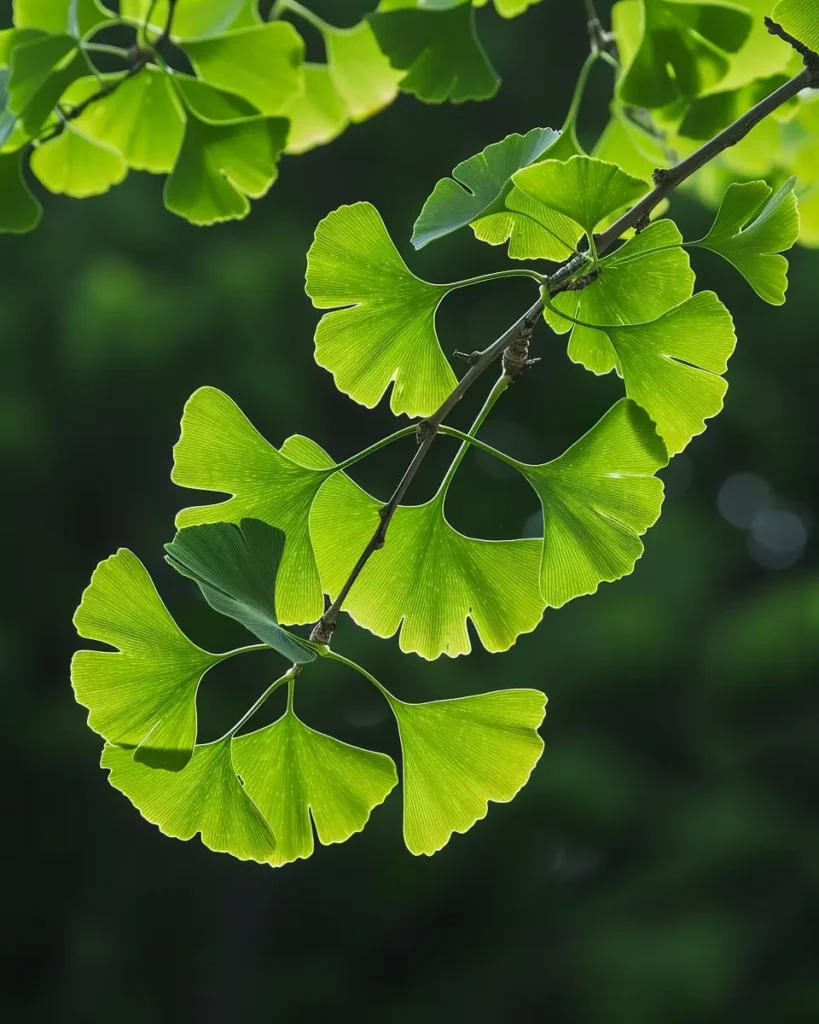
Ginkgo Biloba (Ginkgo biloba)
Traditional Uses of Ginkgo Biloba
Brain and Memory Support: Ginkgo leaf is best known for supporting cognitive wellness, especially attention, memory, and mental clarity in older adults.
Circulation: Herbalists and researchers often connect ginkgo with microcirculation, meaning blood flow through very small vessels.
Healthy Aging: Ginkgo leaf contains antioxidant compounds that help explain its long-standing use in formulas for aging, vitality, and resilience.
Hearing and Balance Support: Standardized ginkgo extracts have been studied for tinnitus, vertigo, and inner-ear-related concerns, though results are mixed and depend heavily on the type of extract used.
Ginkgo is ancient, but it clearly still likes staying relevant.
“Ginkgo is the wise old tree that reminds the mind to stay awake and the body to keep moving.”
Available Ginkgo Biloba Products
Dried Ginkgo Leaf
Dried ginkgo leaf is used for tea, although modern research mostly focuses on standardized extracts rather than simple leaf tea. If buying dried leaf, look for clean, greenish leaf pieces with no musty smell.
Ginkgo Biloba Tea
Ginkgo tea is a mild traditional preparation made from dried leaves. It is less concentrated and less standardized than capsules or tablets, so it should not be assumed to have the same effects as studied extracts.
Ginkgo Biloba Tincture
Ginkgo tincture is a liquid alcohol-water extract. It is convenient, but unless standardized, it may vary widely in strength and active compound content.
Ginkgo Biloba Capsules
Capsules are one of the most common market forms. Good labels should specify the extract ratio and standardization, commonly around 24% flavone glycosides and 6% terpene lactones.
Ginkgo Biloba Tablets
Tablets are widely used in clinical research, especially standardized extracts such as EGb 761. This form is usually more consistent than loose herb tea.
Standardized Ginkgo Extract
Standardized ginkgo extract is the form most often studied in clinical trials. It is typically adjusted to contain specific amounts of flavone glycosides and terpene lactones while limiting ginkgolic acids.
Ginkgo Powder
Ginkgo powder may be found in capsules or bulk form. Because ginkgo is not a casual culinary herb, powder should be used carefully and only from reputable suppliers.
Ginkgo Seed Products
Ginkgo seeds are used as food in some culinary traditions, but they are not the same as ginkgo leaf. Fresh or improperly prepared seeds can be toxic and should not be used casually.
Key Herbal Actions
Ginkgo biloba is known as an antioxidant, circulatory tonic, neuroprotective herb, cognitive-supportive herb, anti-inflammatory, platelet-activating factor antagonist, mild vasodilator, and healthy-aging herb.
Antioxidant
Antioxidant herbs contain compounds that help protect cells from oxidative stress. Ginkgo leaf contains flavonoids and terpene lactones that are studied for this role.
Circulatory Tonic
A circulatory tonic traditionally supports healthy blood movement. Ginkgo is especially associated with microcirculation, including circulation in the brain, eyes, and inner ear.
Neuroprotective Herb
Neuroprotective herbs are studied for their ability to support nerve and brain-cell resilience. Ginkgo’s antioxidant and circulation-related compounds help explain why it is researched in cognitive wellness.
Cognitive-Supportive Herb
Ginkgo is widely used to support memory, focus, and mental clarity, especially in aging adults. The strongest research is on standardized extracts rather than homemade preparations.
Anti-inflammatory
Ginkgo compounds have been studied for effects on inflammatory signaling. This does not mean ginkgo treats inflammatory diseases, but it helps explain its broader research interest.
Platelet-Activating Factor Antagonist
Some ginkgo constituents, especially ginkgolides, can affect platelet-activating factor pathways. This is one reason ginkgo may interact with blood-thinning medications.
Mild Vasodilator
A vasodilator supports relaxation of blood vessels. Ginkgo’s relationship with blood flow is one reason it is discussed in circulation and brain-support formulas.
Healthy-Aging Herb
Ginkgo is commonly used in aging-related wellness because of its antioxidant, circulatory, and cognitive-supportive profile. It is best understood as a supportive herb, not a fountain of youth in capsule form.
Active Compounds and Extraction
Ginkgo biloba contains flavone glycosides, terpene lactones, ginkgolides, bilobalide, proanthocyanidins, organic acids, polysaccharides, and ginkgolic acids.
Flavone Glycosides
Flavone glycosides are antioxidant plant compounds. Standardized ginkgo extracts often contain about 22–27% or 24% ginkgo flavone glycosides, including compounds related to quercetin, kaempferol, and isorhamnetin.
Best extraction: standardized alcohol-water extract.
At home, a tincture can extract some flavonoids, but it will not match standardized clinical extracts. For tea, steep 1 teaspoon dried ginkgo leaf in 1 cup hot water for 10–15 minutes, covered, then strain.
Terpene Lactones
Terpene lactones are key compounds in ginkgo leaf. Standardized extracts commonly contain about 5–7% terpene lactones, including ginkgolides and bilobalide.
Best extraction: standardized extract or alcohol-water tincture.
Terpene lactones are better represented in carefully manufactured extracts than in simple tea. This is one reason many clinical studies use standardized tablets or capsules.
Ginkgolides
Ginkgolides are diterpene lactones found in ginkgo leaf. They are studied for effects on platelet-activating factor and circulation-related pathways.
Best extraction: standardized extract.
Ginkgolides are not easy to measure in homemade preparations. If the goal is consistency, use a reputable standardized product with clear labeling.
Bilobalide
Bilobalide is a sesquiterpene lactone unique to ginkgo. It is studied for nervous system, mitochondrial, and neuroprotective mechanisms.
Best extraction: standardized extract.
Bilobalide content is usually listed as part of total terpene lactones in standardized ginkgo extracts.
Proanthocyanidins
Proanthocyanidins are antioxidant polyphenols found in many plants. In ginkgo, they contribute to the broader antioxidant profile.
Best extraction: water-alcohol tincture or standardized extract.
A tincture can capture some polyphenols, but standardized extracts provide more reliable consistency.
Polysaccharides
Polysaccharides are complex carbohydrates found in plant tissues. Ginkgo polysaccharides have been studied mostly in laboratory and preclinical research.
Best extraction: hot water.
Tea may extract some water-soluble polysaccharides, though this preparation is not the same as standardized extract.
Ginkgolic Acids
Ginkgolic acids are compounds in ginkgo that may cause allergic or toxic reactions at higher levels. Quality standardized extracts limit ginkgolic acids, often to very low amounts such as under 5 parts per million in many regulated products.
Best approach: choose quality-controlled products.
This is one of the strongest reasons to avoid crude, poorly sourced ginkgo products and to choose reputable extracts.
Harvesting and Storing Right
Ginkgo leaves are usually harvested in late summer to early fall, before they turn fully yellow and drop. Younger green leaves are generally preferred for herbal use.
Harvest on a dry morning after dew has evaporated. Leaves should come from clean trees away from roads, pesticides, pollution, and contaminated soil.
Dry leaves quickly in a single layer in a shaded, well-ventilated place. Store dried ginkgo leaf in an airtight container away from heat, light, and moisture, and use within 6–12 months. Capsules and tablets should be stored according to the label, usually in a cool, dry place. Tinctures often keep for several years when properly stored.
Body Functions Ginkgo Biloba can Support
Ginkgo biloba can support the brain, circulation, nervous system, hearing, vision, energy and vitality, adrenal stress support, skin, and metabolism.
Brain
Ginkgo is best known for brain and cognitive support. Standardized extracts have been studied for age-related cognitive impairment, mild dementia, attention, and memory, with results varying by study design and population.
Circulation
Ginkgo is traditionally and scientifically associated with microcirculation. Its flavonoids and terpene lactones are studied for effects on blood flow, blood vessel function, and platelet-related pathways.
Nervous System
Ginkgo compounds such as bilobalide and ginkgolides are studied for nervous system activity. The herb is best described as supportive to nerve and brain resilience rather than a direct sedative or stimulant.
Hearing
Ginkgo has been studied for tinnitus and inner-ear circulation, but findings are mixed. It may be included in some traditional or clinical approaches, but it should not be presented as a guaranteed solution for ringing in the ears.
Vision
Ginkgo has been researched for blood flow and oxidative stress in tissues where microcirculation matters, including the eyes. It should not replace eye care or treatment for vision conditions.
Energy and Vitality
Ginkgo may support vitality indirectly through circulation and mental clarity. It is not a caffeine-like stimulant, so its effect is usually more subtle.
Stress Support
Ginkgo is not a classic adaptogen, but its antioxidant and nervous-system-supportive compounds may help the body maintain resilience. It is often paired with other herbs in formulas for focus and healthy aging.
Skin
Ginkgo’s antioxidant compounds may support skin wellness from the inside, especially as part of a broader healthy-aging approach. Topical ginkgo also appears in some cosmetic formulas.
Metabolism
Ginkgo has been studied in relation to metabolic syndrome, oxidative stress, and blood vessel health. Current evidence is not strong enough to treat it as a metabolic therapy, but it remains an interesting supportive herb.
Safety and Practical Considerations
Ginkgo leaf extract is generally well tolerated by many adults when used in moderate amounts, but it is not appropriate for everyone. Common side effects may include headache, dizziness, digestive upset, allergic skin reaction, or heart palpitations.
Ginkgo may increase bleeding risk, especially when combined with anticoagulant or antiplatelet medications such as warfarin, aspirin, clopidogrel, or similar drugs. It should usually be stopped before surgery unless a healthcare professional gives different guidance.
People with seizure disorders should avoid ginkgo unless medically supervised, because ginkgo may lower seizure threshold in some situations. Ginkgo may also interact with diabetes medications, antidepressants, NSAIDs, blood pressure medications, and other prescriptions.
Do not eat fresh ginkgo seeds, and do not use raw crude ginkgo plant parts casually. Ginkgo seeds contain compounds that can be toxic and may cause serious side effects, including seizures.
Pregnant or breastfeeding people should avoid medicinal ginkgo preparations unless supervised by a qualified healthcare professional. Children, older adults, and sensitive individuals need extra caution.
Choose standardized products from reputable manufacturers. This matters because crude or poor-quality ginkgo products may contain higher levels of ginkgolic acids.
FAQ
What does ginkgo biloba taste like?
Ginkgo leaf tea tastes mildly bitter, green, and slightly earthy. It is not as pleasant as mint or lemon balm, but it is usually manageable in blends.
When is the best time to use ginkgo biloba?
Ginkgo is often taken earlier in the day because some people find it mentally activating. It is usually taken with food to reduce stomach upset.
Is ginkgo tea or extract better?
For most research-supported uses, standardized extract is better studied than tea. Tea is milder and less consistent in active compound content.
What does “standardized ginkgo extract” mean?
It means the extract is adjusted to contain consistent amounts of key compounds, often around 24% flavone glycosides and 6% terpene lactones. This helps make the product more predictable.
Can ginkgo biloba be used daily?
Many studies have used daily standardized extracts, but daily use should be discussed with a healthcare professional if medications, surgery, pregnancy, seizures, or health conditions are involved.
How should ginkgo biloba be stored?
Store dried leaves in an airtight jar away from heat, light, and moisture. Capsules, tablets, and tinctures should be stored according to the label directions.
Does ginkgo combine well with other herbs?
Ginkgo is often combined with gotu kola, rosemary, bacopa, green tea, hawthorn, or adaptogenic herbs in wellness formulas. However, combinations can increase the risk of interactions, especially with blood-thinning or stimulant-like herbs.
Is ginkgo safe for everyone?
No. People taking blood thinners, preparing for surgery, managing seizures, using multiple medications, or who are pregnant or breastfeeding should avoid or use only with professional guidance.
Can ginkgo biloba be used for pets?
Ginkgo should not be used casually for pets. Pet use should be guided by a veterinarian because dosing, safety, and interactions are different in animals.
Is ginkgo the same as ginseng?
No. Ginkgo comes from the leaf of the ginkgo tree, while ginseng comes from the root of Panax species. They are different herbs with different compounds, actions, and safety concerns.
Disclaimer
This content is educational only. It is not medical advice, diagnosis, or treatment. Herbs may interact with medications or health conditions. People who are pregnant, breastfeeding, managing a medical condition, taking prescription medications, or preparing for surgery should consult a qualified healthcare professional before using herbs.
References
NCCIH: Ginkgo – Usefulness and Safety
https://www.nccih.nih.gov/health/ginkgo
EMA: Ginkgo Folium – Herbal Medicinal Product
https://www.ema.europa.eu/en/medicines/herbal/ginkgo-folium
EMA: European Union Herbal Monograph on Ginkgo biloba L., Folium
https://www.ema.europa.eu/en/documents/herbal-monograph/final-european-union-herbal-monograph-ginkgo-biloba-l-folium_en.pdf
PubMed: Ginkgo biloba Extract EGb 761 – State of Knowledge in the Dawn of the Year 2000
https://pubmed.ncbi.nlm.nih.gov/10481350/
PubMed: EGb 761 Ginkgo biloba Extract
https://pubmed.ncbi.nlm.nih.gov/12757407/
NIH / PubMed Central: Ginkgo biloba Leaf Extract EGb 761 as a Paragon of the Product by Process Concept
https://pmc.ncbi.nlm.nih.gov/articles/PMC9593214/
PubMed: The Effects of Ginkgo biloba on Metabolic Syndrome
https://pubmed.ncbi.nlm.nih.gov/32097990/
NIH / PubMed Central: Review of Ginkgo biloba-Induced Toxicity
https://pmc.ncbi.nlm.nih.gov/articles/PMC6373469/
Memorial Sloan Kettering Cancer Center: Ginkgo
https://www.mskcc.org/cancer-care/integrative-medicine/herbs/ginkgo