


Slippery elm is a North American tree whose inner bark becomes silky, thick, and gel-like when mixed with water. That “slippery” texture is exactly why herbalists have traditionally used it for throat comfort, digestive soothing, and irritated mucous membranes.
This is a soft, moistening, gentle herb — less “wake up and move” and more “sit down, breathe, and let’s put a cushion around the rough edges.”
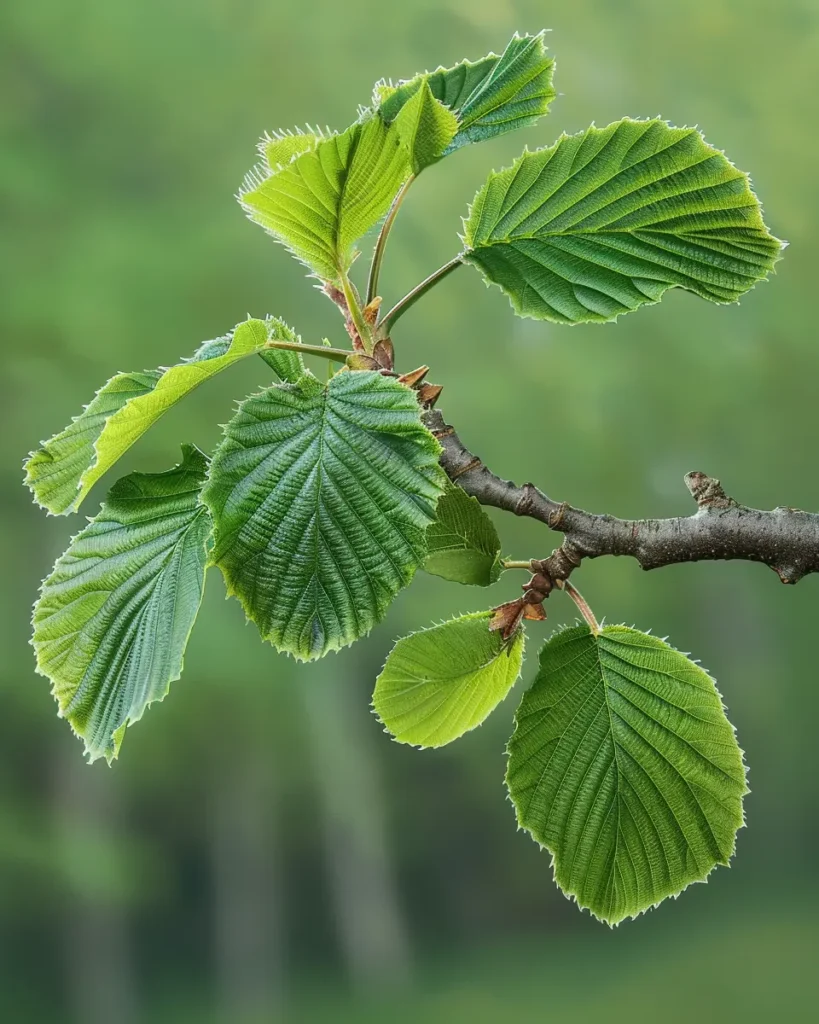
Slippery Elm (Ulmus rubra)
Traditional Uses of Slippery Elm
Throat Comfort: Slippery elm inner bark has traditionally been used in lozenges, teas, and gruels to soothe dry, scratchy throat tissues.
Digestive Support: Its mucilage forms a thick, coating preparation that herbalists use for digestive comfort and irritated mucous membranes.
Skin Support: Slippery elm has a history of external use in poultices for minor skin irritation and traditional wound-care preparations.
Gentle Nourishment: The powdered inner bark has traditionally been prepared as a soft gruel, especially when someone needs a mild, easy-to-take preparation.
A Friendly Herbal Quote – Thought About Slippery Elm
“Slippery elm is the herbal equivalent of a soft blanket for irritated tissues.”
Available Slippery Elm Products
Dried Slippery Elm Inner Bark
Dried inner bark is the classic form used in herbalism. It may be sold as cut bark, shredded bark, or powder, though powder is usually the easiest to prepare.
Slippery Elm Powder
Powder is the most common practical form. It mixes with water to create a thick mucilage and is used for teas, gruels, lozenges, pastes, and poultices.
Slippery Elm Lozenges
Lozenges are popular for throat comfort because they allow the mucilage to contact the mouth and throat slowly. Choose lozenges with simple ingredients and avoid products with too much sugar if that matters for your needs.
Slippery Elm Capsules
Capsules are convenient, but they do not give the same immediate soothing contact in the mouth and throat as tea or lozenges. They may still be useful for people who dislike the texture.
Slippery Elm Tea
Slippery elm tea is usually made as a thick infusion rather than a light sipping tea. It has a mild, slightly sweet, earthy taste and a smooth texture.
Slippery Elm Glycerite
Glycerites are less common for slippery elm because the herb is usually valued for its mucilage, which is easily prepared with water. However, glycerites may appear in throat formulas.
Slippery Elm Tincture
Tincture is not the best traditional form for slippery elm because mucilage extracts better in water than alcohol. If slippery elm appears in tincture blends, it is usually not capturing the herb’s main soothing quality as well as tea, powder, or lozenges.
Slippery Elm Poultice
A poultice is made by mixing powdered inner bark with warm water into a paste. It is used externally in traditional skin-soothing preparations.
Slippery Elm Essential Oil
Slippery elm is not an essential oil herb. Products labeled as slippery elm essential oil should be treated with skepticism because the inner bark is valued for mucilage, not volatile oil.
Key Herbal Actions
Slippery elm is known as a demulcent, emollient, mucilaginous herb, vulnerary, nutritive, mild expectorant, and soothing gastrointestinal support herb.
Demulcent
A demulcent herb contains slippery, soothing compounds that coat and comfort mucous membranes. This is slippery elm’s main herbal action and the reason it is used for throat and digestive comfort.
Emollient
Emollient herbs soften and soothe tissues, especially when used externally. Slippery elm poultices have traditionally been used to comfort minor skin irritation.
Mucilaginous Herb
Mucilage is the gel-like plant fiber that swells when mixed with water. Slippery elm is rich in mucilage, which gives it that thick, silky texture.
Vulnerary
Vulnerary herbs are traditionally used to support the skin’s natural repair process. Slippery elm has a history of external use in poultices and soothing pastes.
Nutritive
Slippery elm inner bark has traditionally been prepared as a simple gruel. It is not a major modern food source, but it has a long history as a gentle, nourishing preparation.
Mild Expectorant
Slippery elm does not forcefully clear mucus like stronger expectorants. Instead, its soothing quality may support throat comfort when dryness or irritation makes coughing feel scratchy.
Soothing Gastrointestinal Support
Slippery elm’s mucilage absorbs water and forms a soft gel. Herbalists traditionally use that gel-like quality to soothe the digestive tract.
Active Compounds and Extraction
Slippery elm contains mucilage, polysaccharides, soluble fiber, tannins, starches, minerals, phytosterols, and small amounts of phenolic compounds.
Mucilage
Mucilage is slippery, water-loving plant fiber. When slippery elm powder is mixed with water, mucilage swells and forms a soothing gel that can coat tissues.
Best extraction: Cold water, warm water, tea, gruel, lozenges, and poultices.
Simple slippery elm drink: Mix 1 teaspoon slippery elm powder with a small amount of cool water to make a paste. Add warm water slowly while stirring until it becomes smooth and slightly thick.
Polysaccharides
Polysaccharides are long-chain carbohydrates that help create slippery elm’s gel-like texture. They are traditionally understood as the compounds behind its demulcent, moistening action.
Best extraction: Water.
Gentle gruel method: Stir 1–2 teaspoons slippery elm powder into warm water, milk, or a milk alternative. Let it thicken for a few minutes before drinking or eating slowly.
Soluble Fiber
Slippery elm mucilage behaves like soluble fiber, absorbing water and creating bulk. This explains its soft, coating quality in digestive preparations.
Best extraction: Water-based preparations.
Practical method: Use enough liquid. Slippery elm thickens quickly, and taking it too dry can feel unpleasant.
Tannins
Tannins are astringent compounds that gently tone tissues. Slippery elm is mostly known for moistening mucilage, but tannins add a mild tissue-toning quality.
Best extraction: Warm water infusion.
Tea method: Add slippery elm powder to warm water and stir well. Avoid boiling aggressively, because the goal is a smooth mucilage rather than a harsh decoction.
Starches
Slippery elm inner bark contains starch-like compounds that contribute to its nourishing, gruel-like texture. This is part of why it has traditionally been used as a gentle food-like preparation.
Best extraction: Warm water.
Kitchen method: Prepare it like a thin porridge, adding cinnamon, honey, or a little maple syrup if desired.
Minerals
Slippery elm contains small amounts of minerals naturally present in the inner bark. These are not the main reason the herb is used, but they contribute to its old reputation as a gentle nutritive preparation.
Best extraction: Whole powder mixed into water or food.
Practical note: Using the whole powder gives a fuller preparation than simply steeping and discarding the bark.
Harvesting and Storing Right
Slippery elm comes from the inner bark of the tree. Because harvesting bark can damage or kill trees, sustainability matters. Ethical sourcing is very important, and many herbalists prefer suppliers who clearly state responsible harvesting practices.
The inner bark is usually harvested in spring when the bark separates more easily. It is then dried and powdered or cut for use.
Slippery elm powder: Store in an airtight container away from heat, light, and moisture. Best quality is usually within 1 year.
Cut inner bark: Store in a cool, dry, dark place and use within 1–2 years.
Prepared drink or gruel: Use immediately or refrigerate and use within 24 hours.
Lozenges: Follow the package expiration date and keep dry.
Capsules: Store away from heat and humidity and follow the label date.
Body Functions Slippery Elm can Support
Slippery elm can support the digestion system, respiratory system, dental oral health, skin, urinary system, and immune system.
Digestion System
Slippery elm is most famous for digestive soothing. Its mucilage forms a soft gel that herbalists traditionally use to comfort irritated digestive tissues and support a calmer digestive lining.
Respiratory System
Slippery elm lozenges and teas are traditionally used for dry, scratchy throat comfort. Rather than acting as a strong respiratory stimulant, it works more like a moistening coating herb.
Dental Oral
Slippery elm’s mucilage can soothe mouth and throat tissues. It may appear in lozenges or gentle oral preparations where direct contact with tissue is helpful.
Skin
Slippery elm powder can be mixed with water into a soft poultice. Traditionally, this has been used externally for minor skin irritation, dryness, and roughness.
Urinary System
Historically, slippery elm has been used for urinary tract comfort in traditional herbal practice. Its relevance here comes from its moistening demulcent nature rather than a direct urinary stimulant action.
Immune System
Slippery elm does not “boost” the immune system in a dramatic way. Its supportive role is more about soothing irritated tissues, which can be helpful when the body is dealing with dryness, scratchiness, or discomfort.
Safety and Practical Considerations
Slippery elm is generally considered a gentle herb, especially when used as a water-based preparation. The biggest practical concern is that its mucilage may slow or reduce absorption of medications or supplements taken at the same time.
To be cautious, take slippery elm at least 1–2 hours away from prescription medications, over-the-counter drugs, and important supplements. This is especially important for people taking medications with narrow dosing ranges.
Pregnant or breastfeeding people should consult a qualified healthcare professional before using slippery elm medicinally. Traditional sources have sometimes raised caution around pregnancy, and modern safety data is limited.
People with chronic digestive disease, difficulty swallowing, bowel obstruction risk, or unexplained digestive symptoms should seek medical guidance before using thick mucilage preparations. Always mix slippery elm with enough liquid.
Children, older adults, and sensitive individuals should use smaller amounts and avoid very thick preparations unless guided by a professional. People with tree bark allergies or unusual sensitivities should also be cautious.
Slippery elm is usually used dried and powdered. Fresh inner bark is not commonly used by home herbalists, partly because of sustainability concerns and the importance of proper identification.
FAQ
What does slippery elm taste like?
Slippery elm tastes mild, slightly sweet, earthy, and bland. Its texture is more noticeable than its flavor because it becomes thick and silky in water.
When is the best time to use slippery elm?
Slippery elm is commonly used between meals or when direct throat or digestive soothing is desired. Keep it away from medications and supplements by at least 1–2 hours.
Is slippery elm tea, powder, or capsule better?
Powder mixed with water is usually the most traditional and practical form because it releases mucilage directly. Lozenges are excellent for throat contact, while capsules are convenient but less soothing in the mouth.
Can slippery elm be used daily?
Some people use slippery elm short-term or occasionally. Daily long-term use should be discussed with a qualified healthcare professional, especially if you take medications or have digestive conditions.
How should slippery elm be stored?
Store slippery elm powder in an airtight container away from heat, light, and moisture. If it smells stale, looks moldy, or clumps from moisture, replace it.
Does slippery elm combine well with other herbs?
Yes. Slippery elm combines well with marshmallow root, licorice root, plantain leaf, chamomile, calendula, ginger, cinnamon, and meadowsweet, depending on the purpose of the blend.
Is slippery elm the same as marshmallow root?
No. Both are demulcent herbs rich in mucilage, but they come from different plants. Slippery elm is tree inner bark, while marshmallow root comes from Althaea officinalis.
Is slippery elm safe for everyone?
Not necessarily. People who are pregnant, breastfeeding, taking medications, managing chronic digestive conditions, or having trouble swallowing should get professional guidance first.
Can slippery elm be used for pets?
Slippery elm is sometimes used in animal herbalism, especially for digestive soothing, but pet use should be guided by a veterinarian or qualified animal herbalist. Dosing and safety differ by species and size.
Can slippery elm replace medical care for reflux, ulcers, or throat problems?
No. Slippery elm may feel soothing, but persistent reflux, severe throat pain, blood in stool, trouble swallowing, unexplained weight loss, or ongoing digestive symptoms need medical evaluation.
Disclaimer
This content is educational only. It is not medical advice, diagnosis, or treatment. Herbs may interact with medications or health conditions. People who are pregnant, breastfeeding, managing a medical condition, taking prescription medications, or preparing for surgery should consult a qualified healthcare professional before using herbs.
References
American Herbal Pharmacopoeia: Slippery Elm Inner Bark
PubMed Central: Natural Product-Derived Drugs for Inflammatory Bowel Disease
PubMed Central: Prebiotic Potential of Herbal Medicines Used in Digestive Health
PubMed Central: Natural Products in the Management of Gastroesophageal Reflux